
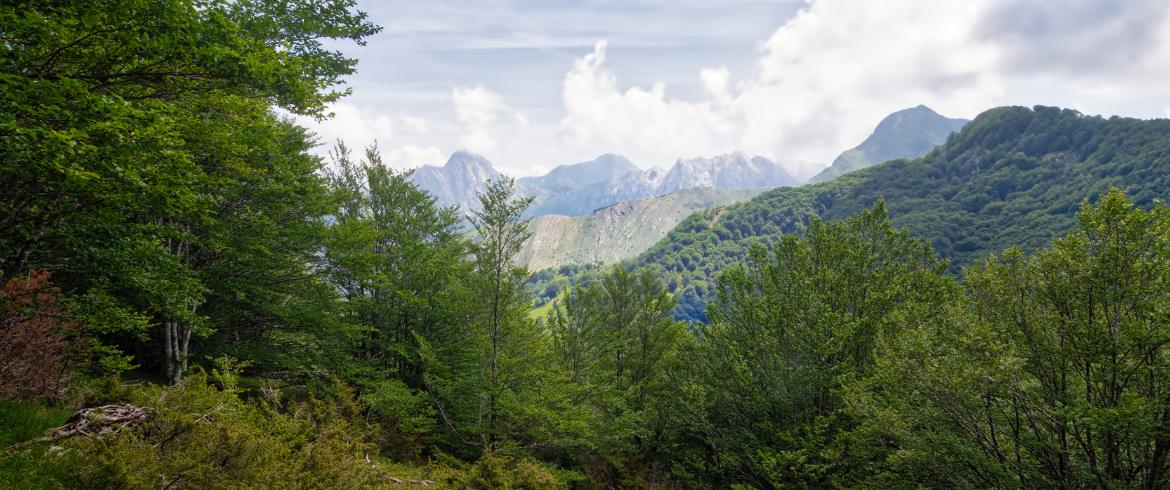
Some places are not simply crossed on foot, but also through the eyes and through memory. Fosco Maraini’s Apuan Alps Cultural Park, in Garfagnana, is one of them: a project created to tell the deep bond between one of Italy’s great twentieth-century intellectuals and the mountains he chose as a refuge for the soul.
We are in Pasquigliora, in the municipality of Molazzana, at the foot of the Panie mountain group, surrounded by woods, rugged views and high-altitude silence. Here Fosco Maraini, who was a writer, photographer, orientalist, anthropologist, mountaineer and traveller, spent long periods of his life, transforming this hidden house in the Apuan Alps into a privileged observation point on the world and on himself. The house in Pasquigliora was acquired by the Municipality of Molazzana and became a House Museum, also included in the Italian network of Houses of Memory.
Visiting this area means choosing a different way to discover the mountains: not only trekking, but cultural, slow and sustainable tourism, made of walks, readings, landscapes and small connections between nature and thought.
What is Fosco Maraini’s Apuan Alps Cultural Park?
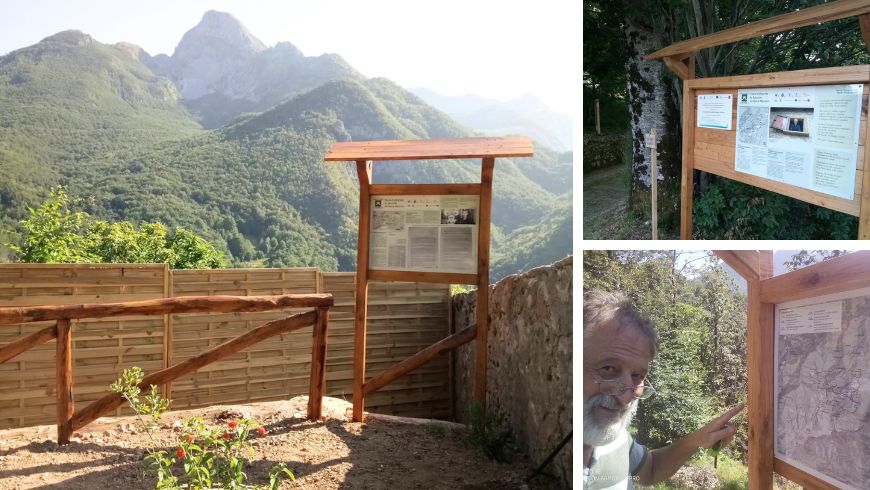
Fosco Maraini’s Apuan Alps Cultural Park is a project that enhances the Apuan places connected to the life, works and vision of Fosco Maraini. It includes Casa Maraini in Pasquigliora and a network of educational and emotional itineraries that allow visitors to discover his relationship with the Apuan Alps and Garfagnana.
Unlike a simple natural or literary park, this project brings together environment, memory, photography, writing and landscape. Its aim is to transform a personal heritage, made of memories, places, paths and views, into a collective good, accessible both to those who live in the valley and to those who come all the way up here to walk slowly.
Who was Fosco Maraini?
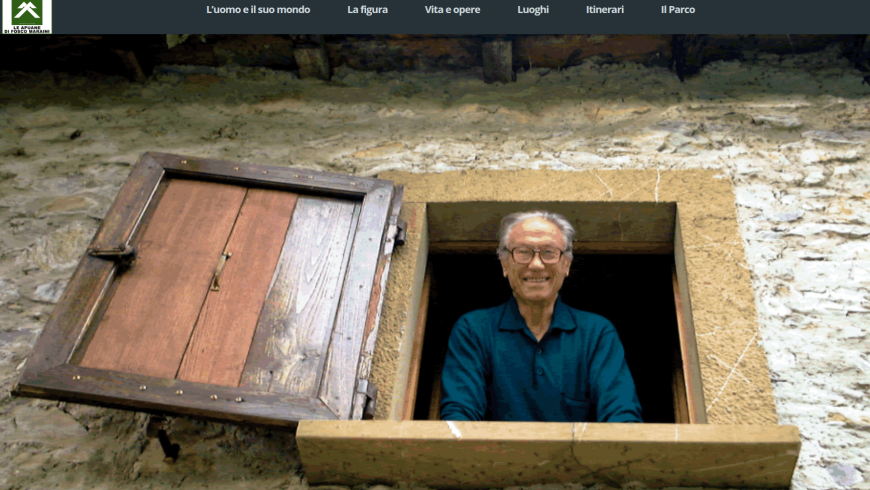
Fosco Maraini was born in Florence in 1912 and died in the same city in 2004. The son of sculptor Antonio Maraini and writer Yoï Pawlowska Crosse, he grew up in a cosmopolitan and culturally vibrant family environment, which helped shape his curious, free and open-minded gaze on the world. An orientalist and writer, as well as a photographer, traveller and mountaineer, Maraini was a figure difficult to classify: a scholar capable of combining scientific rigour, poetic sensitivity and a great spirit of adventure.
After graduating in Natural Sciences, in 1937 he took part in an expedition to Tibet led by Giuseppe Tucci, an experience that would deeply mark his life and literary production. In the following years he also lived and worked in Japan, where he was a researcher at Japanese universities and where, during the Second World War, after 8 September 1943, he and his family were interned because he refused to join the Italian Social Republic. Later, he taught Japanese language and literature at the University of Florence.
His work crosses many different worlds: anthropology, ethnology, photography, poetry, mountains and the East. Among his best-known books are Secret Tibet, Meeting with Japan and Paropàmiso, works in which travel is never a simple geographical movement, but a profound encounter with cultures, landscapes and different ways of inhabiting the world. Maraini was also the author of experimental poetic texts linked to so-called metasemantic poetry, where language becomes sound, play and invention.
His life perfectly expresses the idea of travel as knowledge. He photographed, wrote, observed and walked with the same attention.
Why was Fosco Maraini so deeply connected to the Apuan Alps?
Fosco Maraini was not born in Garfagnana, but he was deeply connected to the Apuan Alps. He discovered them when he was very young and was struck by them forever: rugged, luminous mountains with an unmistakable profile in the Tuscan landscape. Years later, he bought the house in Pasquigliora, in the municipality of Molazzana, turning it into a refuge far from the noise of the world.
Between 1975 and 2004, the year of his death, Maraini spent long periods in this house immersed in nature, writing among woods, silence and mountain views. His choice was not merely residential, but almost spiritual: Pasquigliora became for him a place of recollection, observation and freedom.
After travelling through the East, the Karakoram, the Hindu Kush and Japan, in the Apuan Alps Maraini found an intimate, familiar and at the same time wild landscape. Perhaps it is precisely this contrast that makes the Park so fascinating: it tells the story of a man accustomed to the world, who chose a small house in the mountains as the centre of his universe.
It is no coincidence that Maraini wanted to be buried right here, in the small cemetery of Alpe di Sant’Antonio, facing the Panie and that Pasquigliora which had become much more than a home to him. This deep bond makes the Cultural Park not only a place to visit, but also a key to understanding the most intimate and mountain-rooted part of his life.
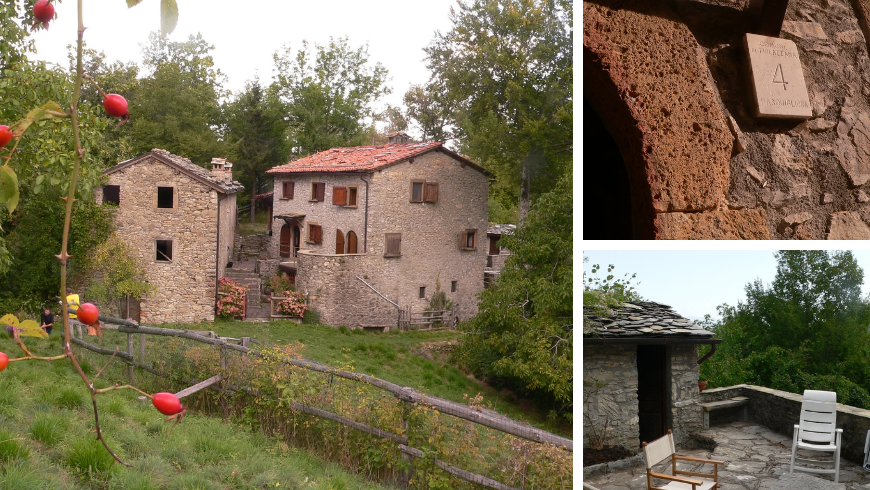
Casa Maraini in Pasquigliora: a Place of the Soul Among the Mountains
Casa Maraini is located in Pasquigliora, at about 982 metres above sea level, in Alpe di Sant’Antonio, in the municipality of Molazzana. It enjoys a panoramic position over the Apuan Alps and cannot be reached directly by motor vehicles: this too helps preserve its secluded and silent character.
Before planning a visit, it is important to always check openings, guided tours and updates through the official channels: the House Museum is at the centre of a restoration and enhancement project, and internal visits may vary depending on the progress of the works and the initiatives scheduled.
Even when the house cannot be visited inside, the value of the place remains powerful. Reaching Pasquigliora means approaching a landscape that nourished Maraini’s gaze: chestnut woods, ridges, pale rocks, trails and that special light that makes the Apuan Alps so different from any other Tuscan mountain landscape.
The Park’s Trails: Walking in Maraini’s Footsteps
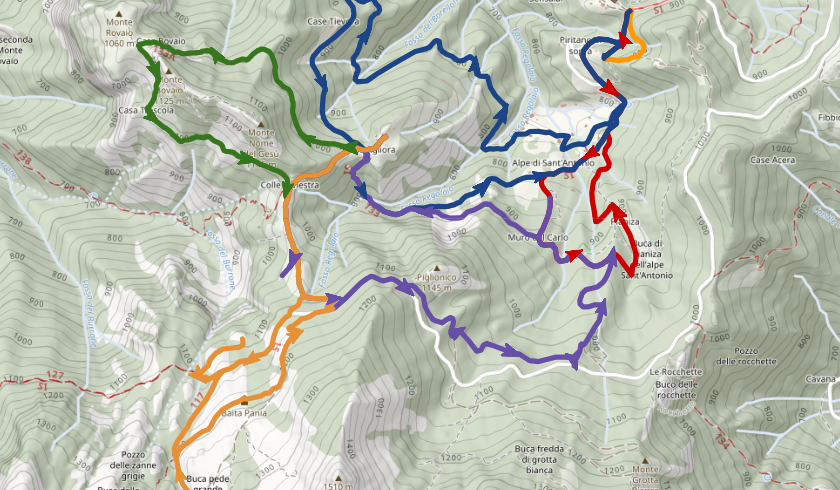
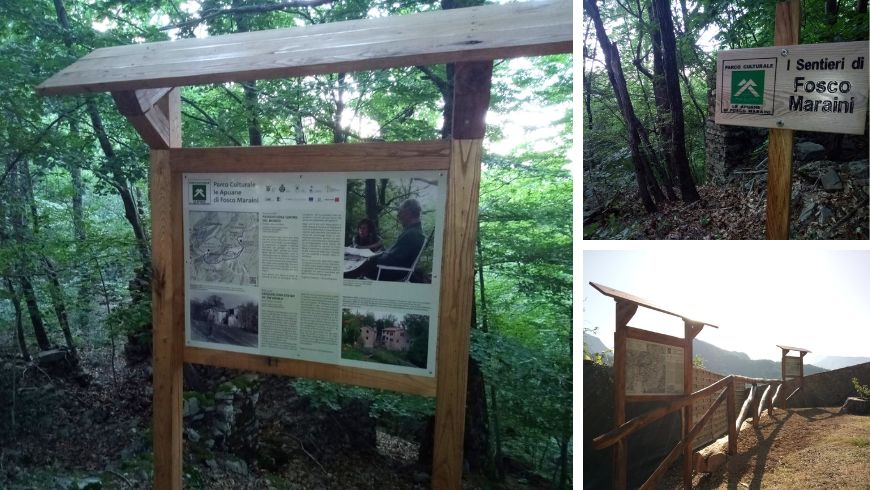
One of the most interesting elements of Fosco Maraini’s Apuan Alps Cultural Park is the network of themed trails created by CAI Tuscany in collaboration with local sections. The routes are designed to cross the places dear to Maraini and accompany walkers through explanatory panels, stories, suggestions and references to his life and thought.
They are therefore not simple hikes, but “educational and emotional” itineraries: walks in which the landscape becomes a key to interpretation. You walk to observe, but also to understand. Every step can open a connection between the Apuan Alps and Maraini’s great journeys, between the local mountains and his experiences in the East, between the silence of Pasquigliora and the words he left in his books.
What to See Nearby: Garfagnana, the Panie and Authentic Villages
The Park is located in one of the most fascinating areas of Garfagnana, a land of mountains, chestnut woods, villages and still largely untamed landscapes. The Apuan Alps, with their rugged and luminous shapes, dominate the horizon and offer many opportunities for those who love trekking, photography and outdoor tourism.
After exploring the places linked to Fosco Maraini, you can spend a few days discovering the surroundings: Molazzana, Gallicano, Castelnuovo di Garfagnana, the trails towards the Panie mountain group, the villages of the valley and the natural itineraries that connect the Apuan Alps with the Tuscan-Emilian Apennines.
Garfagnana is perfect for those looking for a trip far from Tuscany’s busiest tourist rhythms: here, time seems to flow more slowly, among local products, small communities, parish churches, fortresses and trails that invite you to pause rather than consume.
Where to Stay Sustainably Near Fosco Maraini’s Apuan Alps Cultural Park
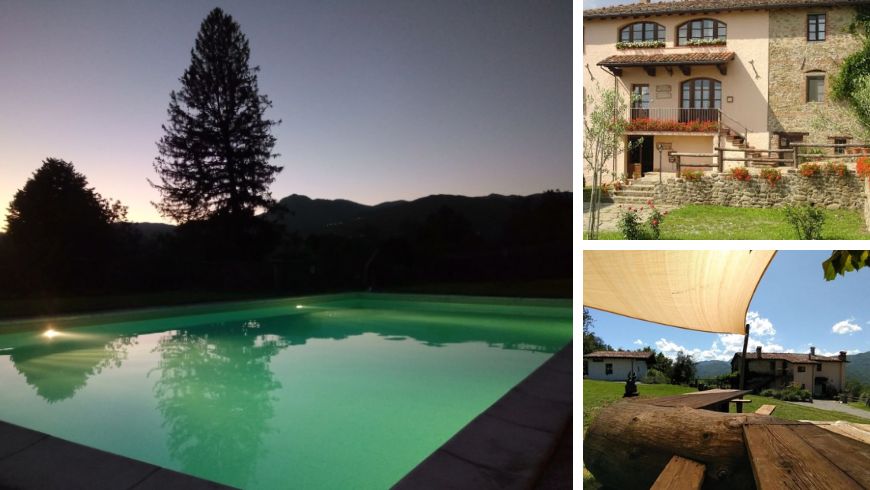
To discover the Park and Garfagnana at a slow pace, you can choose an eco-friendly accommodation nearby. On Ecobnb, for example, you can find Antico Podere De Stefani, a farmhouse in Pieve Fosciana surrounded by woods and cultivated fields, with views over the Apuan Alps and the Tuscan-Emilian Apennines.
It is an ideal base for those who want to alternate hikes, villages, nature and moments of rest, experiencing Garfagnana in a more authentic and respectful way.
You can also browse the selection of eco-friendly accommodations in Garfagnana to find the best option for your trip: farmhouses, B&Bs and homes immersed in nature, perfect for exploring the Apuan Alps without hurry.
Cover image: photo via Canva PRO
 Antico podere De Stefani – Green Farm house in Pieve Fosciana, Lucca, Toscana, IT


