
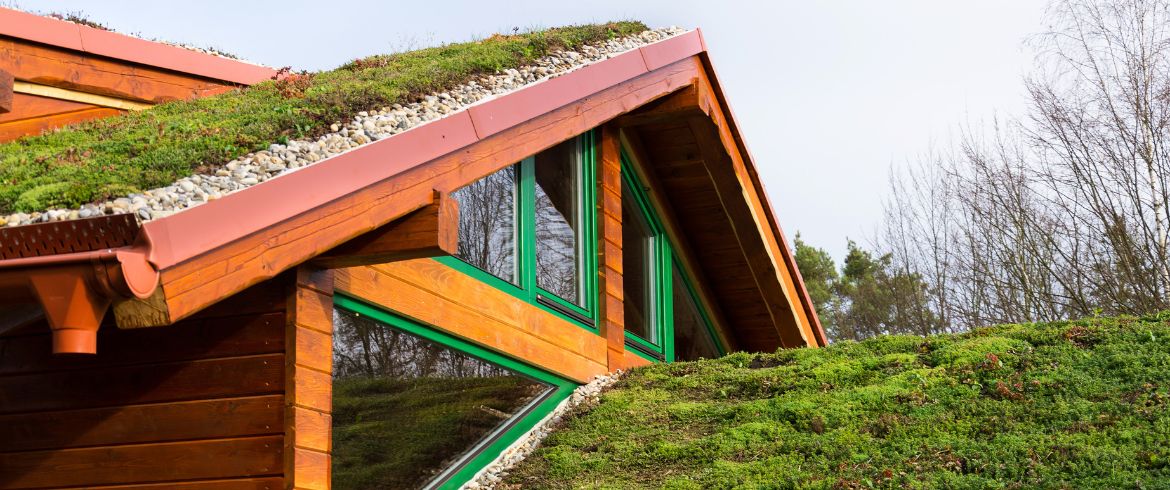
The design of green buildings is to help lower the environmental impact and help to make the interior of buildings healthier. These buildings are built with a focus on sustainability, using a variety of materials and methods that are environmentally friendly and energy-efficient, without sacrificing comfort. However, even well-designed green buildings can face moisture-related challenges if humidity, condensation, and water infiltration are not properly managed. Excessive moisture can lead to mold growth, poor indoor air quality, and potentially structural damage over time.
To ensure humidity and mould do not damage a sustainable building, they must be treated with good design, proper maintenance and eco-friendly measures. Practicing proactive measures can help prolong the life of buildings and ensure a safe and healthy environment.
Air moisture is also considered in green buildings, and why this is a concern
Air tightness is frequently used to create green buildings in order to achieve a high level of energy efficiency. This lowers heating and cooling expenses, but may also lead to moisture buildup within the home if proper ventilation is not provided. Even daily needs like cooking, showering, washing clothes, and others produce water vapor, which needs to be controlled properly.
If the indoor humidity is kept above 60% all the time, moisture will start to form on walls, ceilings and concealed areas. Over time, these damp conditions create an ideal environment for mold spores to grow.
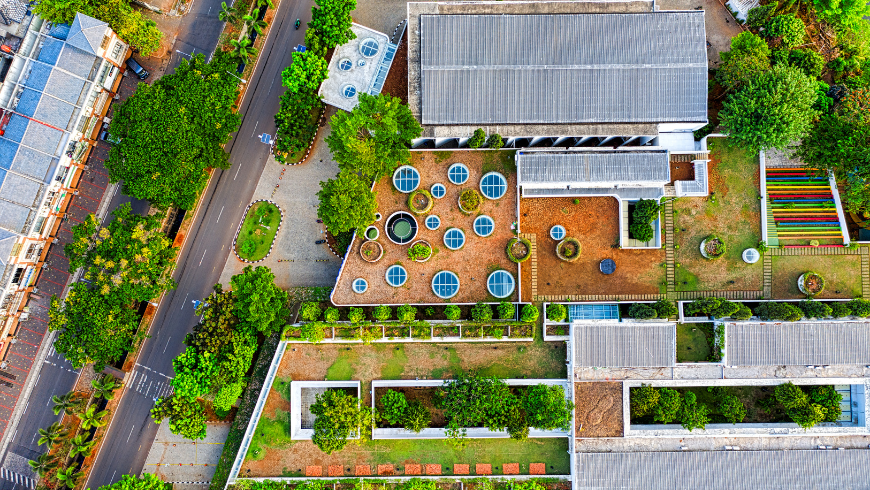
Select materials that have sustainable characteristics
Significant factors in moisture management are the materials used in construction. The use of eco-friendly materials that are naturally water-repellent can also lower the chances of mold.
Here are some sustainable choices:
- Bamboo flooring that has the necessary sealing.
- Cork insulation
- Lime plaster instead of synthetic wall coatings
- Moisture-resistant gypsum boards
The use of natural materials that enable the walls to “breathe” allows the control of indoor humidity and decreases condensation.
Improve Natural Ventilation
One of the best methods to control moisture is to circulate fresh air.
Consider incorporating:
- Operable windows for cross ventilation
- Roof vents
- Attic ventilation by solar power.
- Ventilated crawl spaces
- Energy Recovery Ventilators (ERVs)
They are designed to exchange inside and outside air in a sustainable building, without compromising energy efficiency.
Control Indoor Humidity
To prevent the formation of mould, it is crucial to maintain the proper humidity in the interior.
The ideal range of humidity is 30-50%. This can be achieved by:
- Using energy-efficient dehumidifiers
- Installing humidity sensors
- Running bathroom and kitchen exhaust fans
- Promptly repairing plumbing leaks.
- Taking clothes out of the dryer so they don’t get dried inside the machine if at all possible.
Smart home humidity monitors can automatically notify building owners if the humidity is too high.
Don’t Ignore Roof Maintenance
One of the most critical barriers to moisture intrusion is a well-maintained roof. Any cracks, missing shingles, or damaged flashing can let in rainwater, which could seep into the insulation, ceiling, and walls. This moisture may be hidden for a number of weeks before mould starts to be seen.
Regular roof checks help detect roofing problems before they can turn into expensive repairs. Regular gutter cleaning, proper drainage, and the use of ecologically friendly materials for repairs of damaged waterproof membranes, when possible, are also considered sustainable roof maintenance practices. Early roof repair can prevent damage to the building envelope and can also enhance energy efficiency by maintaining dryness and effectiveness of the roof insulation.
Special attention also needs to be given to the green roof. Excess water should be directed away from the building structure by regular inspection of its drainage systems, waterproof layers, and vegetation.
Prevent Condensation
Condensation is formed when warm indoor air comes into contact with cooler surfaces like walls (especially poorly insulated walls) and windows.
Some condensation prevention methods that can be used are:
- Upgrading insulation
- Window replacement with Double or Triple Glazing windows.
- Using thermal breaks
- Improving air circulation
- Keeping the temperature in the home steady.
Condensation is a problem that can be prevented to make it more difficult for mold to grow.
Provide adequate drainage around the building
Water should never run into the building’s foundation.
Some strategies for sustainable drainage are:
- Rain gardens
- Permeable paving
- French drains
- Bioswales
- Installing foundations with proper grading around them.
These methods minimize the amount of standing water and provide natural filtration of stormwater before it reaches waterways.
Make regular inspections of Hidden Areas
Mold can grow in a location that is out of sight.
Inspect areas such as:
- Attics
- Basements
- Crawl spaces
- Behind appliances
- HVAC systems
- At windows and skylights
Moisture issues can be identified before they commence to spread across the building through regular inspections.
Take steps to prevent mold growth in an environmentally friendly manner
Harsh chemical cleaners are not the only solution, and many eco-friendly cleaners can help ward off mold.
Examples include:
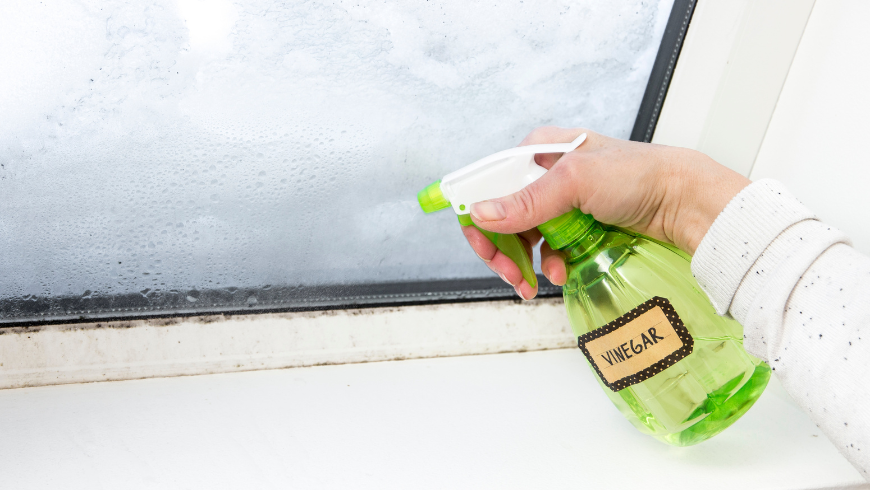
- Vinegar-based cleaning solutions
- Hydrogen peroxide
- Tea tree oil
- Baking soda
- Plant-based antimicrobial products
These treatments are effective for light surface moulding, but for more severe cases should be done by a qualified mould remediation expert.
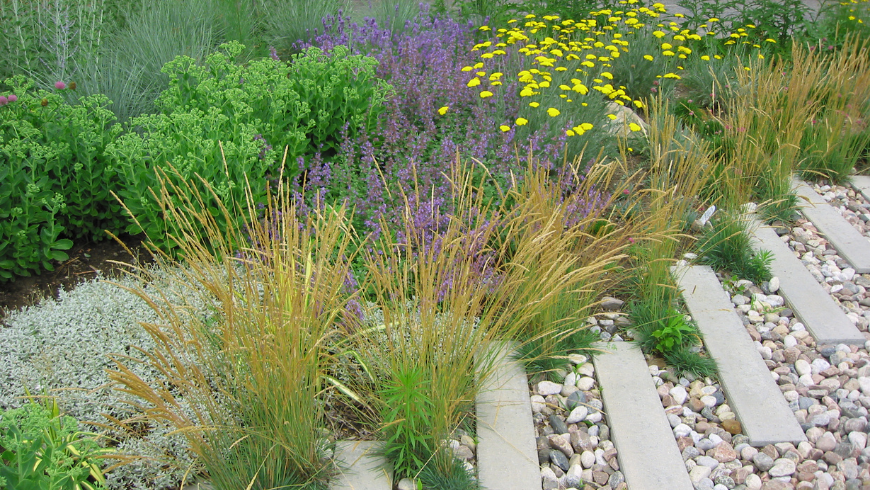
Problems with moisture can be reduced by landscaping
The amount of water reaching a building is influenced by the surrounding landscape.
Sustainable landscaping practices include:
- Planting native vegetation
- Maintaining the shrubbery cut back from outside walls
- Carefully applying mulch to avoid water accumulation
- Avoiding irrigation that can lead to flooding or infiltration into the foundation.
- Providing good soil drainage.
These easy-to-follow methods will help minimize excess moisture and at the same time support local ecosystems.
Monitor Indoor Air Quality
Indoor air quality is directly impacted by humidity and mold. Today’s monitoring systems measure:
- Relative humidity
- Temperature
- Airborne particles
- Carbon dioxide
- Volatile Organic Compounds (VOCs)
Monitoring these conditions can enable building owners to act promptly before moisture issues escalate.
Create a Preventive Maintenance Plan
The best solution is prevention. Instead of waiting for mold to grow, building owners should create a maintenance program.
Something that constitutes a good maintenance plan includes:
- Seasonal roof inspections
- Gutter cleaning
- HVAC servicing
- Plumbing inspections
- Humidity monitoring
- Check the sealing of windows and doors.
- Inspect the sealing of windows and doors.
- Exterior drainage evaluations
Preventative maintenance increases the lifespan of the building, decreases repair expenses, and also helps prolong the useful life by avoiding big renovations by reducing waste.
Conclusion
There are several misconceptions about how to protect green buildings from moisture and mold, and taking corrective action only after problems appear is not enough. Sustainable construction, proper ventilation, suitable moisture-resistant materials, regular inspections, and preventive maintenance all contribute to healthier and more durable indoor environments. Roof maintenance is particularly important, as timely repairs can prevent water infiltration and the resulting damage to insulation, structural integrity, and indoor air quality.
By addressing moisture before it causes serious problems, property owners can preserve the performance, durability, and environmental benefits of their green buildings for years to come.
Cover image: photo via Canva PRO

Author Bio: Pete Campbell is a home improvement and sustainability writer who covers green building practices, roof repair, and property maintenance. He shares practical tips to help homeowners create healthier, more energy-efficient, and durable living spaces.


