In June, we told you about the 2026 edition of IT.A.CÀ Migrants and Travelers – Festival of Responsible Tourism and this year’s theme, “Geographies of Peace – mobility/CSR across borders and cultures”. Now the Festival continues its journey across Italy and, in October, invites the public to discover seven territories, with a programme combining walking routes, cycling, culture, nature, art, volunteering and encounters. Not simply a calendar of events, but an invitation to get to know places through the people who live there and the organisations and communities that care for them every day.
Seven territories, seven ways of experiencing travel
The October stages clearly show the diversity of IT.A.CÀ: each territory interprets the theme of Geographies of Peace through its own history, landscape and communities.
1. Brescia and its Valleys: walking and caring for the land
Photo by IT.A.CÀ festival
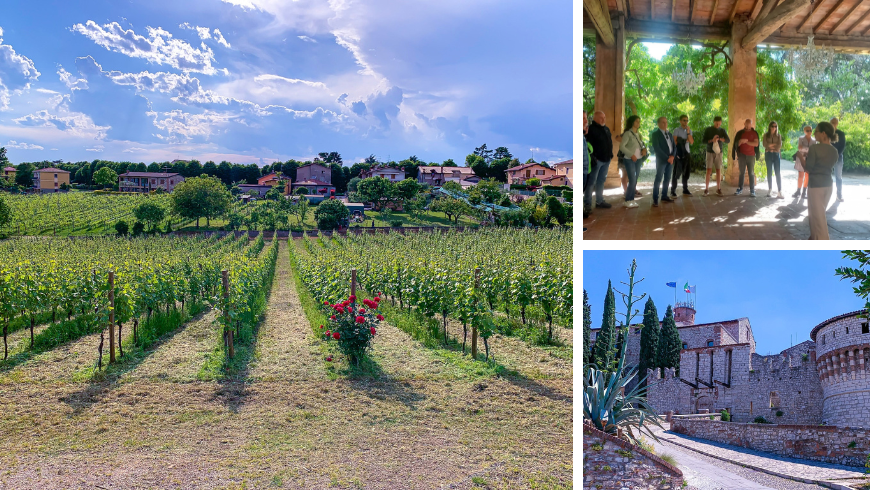
From September 25 to October 10, Brescia and its valleys offer a rich programme of opportunities to explore the area and take part in caring for it. The programme includes walks in Valle Trompia, urban trekking along Brescia’s ancient walls, cycling routes through the vineyards, volunteering initiatives, activities for young people and events focusing on European citizenship. One of the highlights is SubBrixia, which draws attention to the metro as infrastructure capable of connecting places and people. In Capriano del Colle, meanwhile, the opening of the Bosco della Torre offers an opportunity to reflect on the relationship between nature and sustainable tourism. A stage that invites us not only to travel at a slower pace, but also to participate and leave a positive mark.
2. Ravenna and Brisighella: between the sea, villages and landscape
Photo via Canva PRO
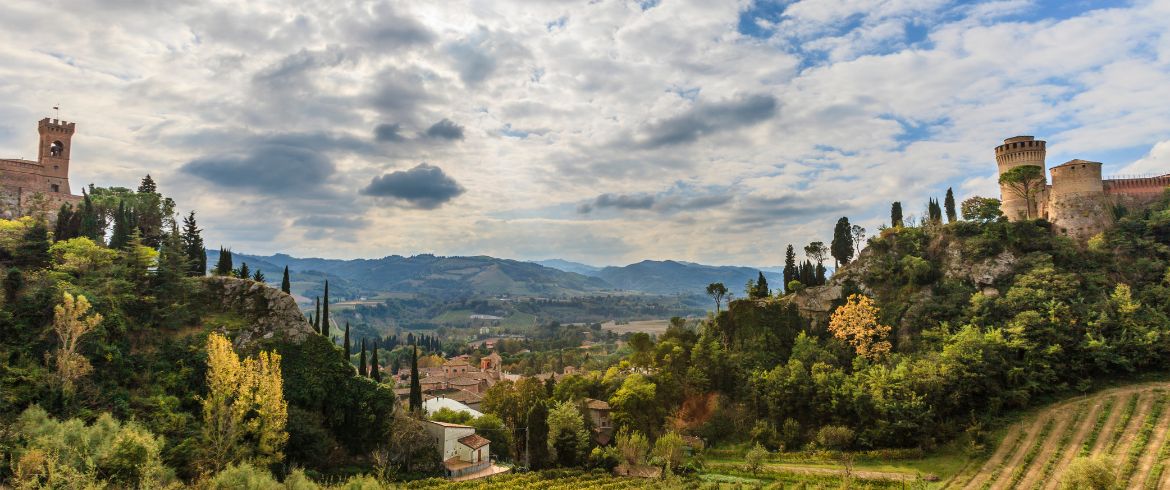
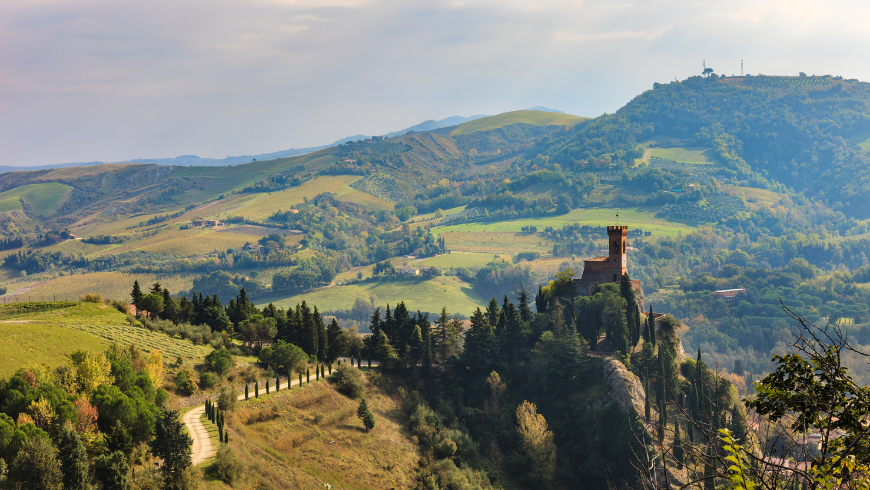
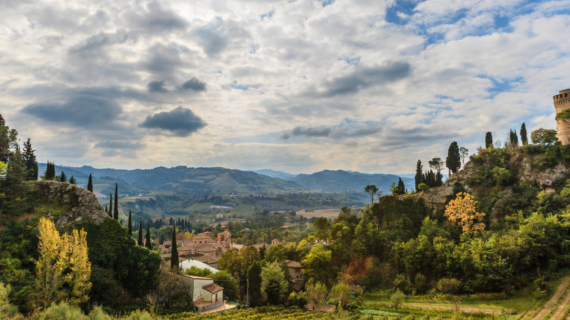
On October 3–4 and 10–11, the Festival brings together two different yet complementary landscapes: the coastal setting of Ravenna and the hills around Brisighella. In the Romagna village, the programme includes a performative parade, music and live painting, as well as a trek through ancient villages and places of faith along the Vena del Gesso Romagnola, a UNESCO World Heritage Site. In Ravenna, the relationship between the city and water takes centre stage in an itinerary from the Candiano Canal to the historic centre. The programme also offers the chance to discover organisations committed to protecting the marine environment, such as the CESTHA Centre in Marina di Ravenna, and includes a cycling trip between the Ancient Port of Classe and the mouth of the Bevano River. Here, travel becomes above all a way of reading the landscape in its different dimensions: natural, cultural and social.
3. Pavia and Oltrepò Pavese: walking routes, inclusion and memory
Photo by IT.A.CÀ festival
From October 8 to 11, Pavia and the Oltrepò Pavese offer a programme combining culture, nature, accessibility and participation. Visitors can walk along the Ticino and the Via Francigena, explore the landscapes of Oltrepò, discuss migration and inclusion, and encounter different forms of expression, from theatre to art. Among the events is “Geographies of Absence”, a reflection on the relationship between physical and digital space, while other activities invite visitors to discover the area outdoors, from the Greenway between Rivanazzano and Retorbido to the routes along the Ticino. A stage that places travel at the heart of an experience of discovery, while also exploring how to make places more accessible and inclusive.
4. Monte Catria: when a border becomes a meeting point
Photo via Canva PRO
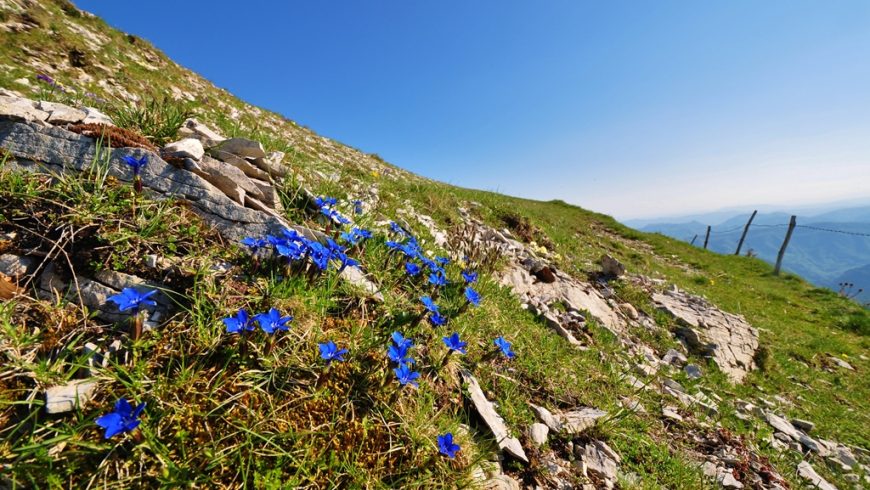
On October 11 and 18, IT.A.CÀ arrives at Monte Catria, in the Marche region, with a programme built around the very concept of a border. Here, the ridge is not seen as a line that separates, but as a space capable of bringing people, villages and activities together. The Crinale Community brings together businesses, institutions and local organisations through walking routes, local products and opportunities for discussion. The programme begins by exploring local products, with a visit to the Birrificio del Catria and a route towards Cantiano, and continues with the Mountain Round Table, dedicated to new forms of tourism connected with nature, wellbeing, food and wine, and local experiences. On October 18, the focus shifts to Apennine botanicals, plant species and the tradition of dry-stone walls, leading to a discussion on community design.
5. Brianze and Lakes: caring for the landscape starts with people
Photo by IT.A.CÀ festival
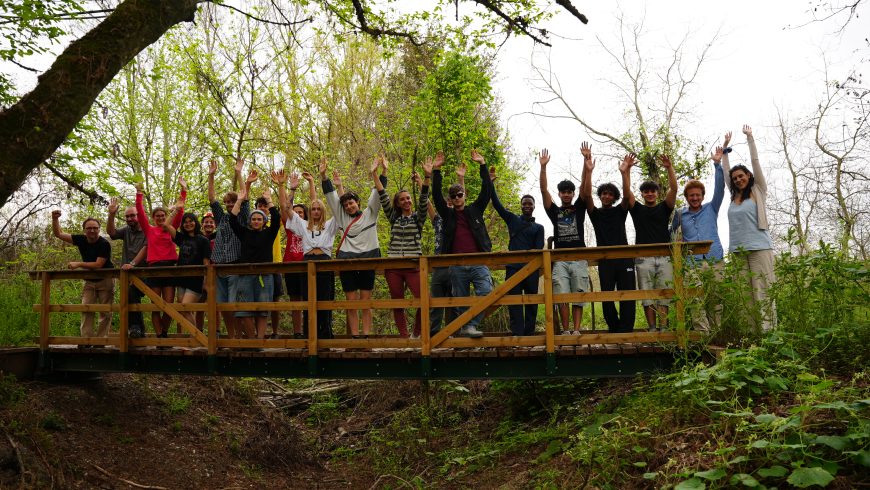
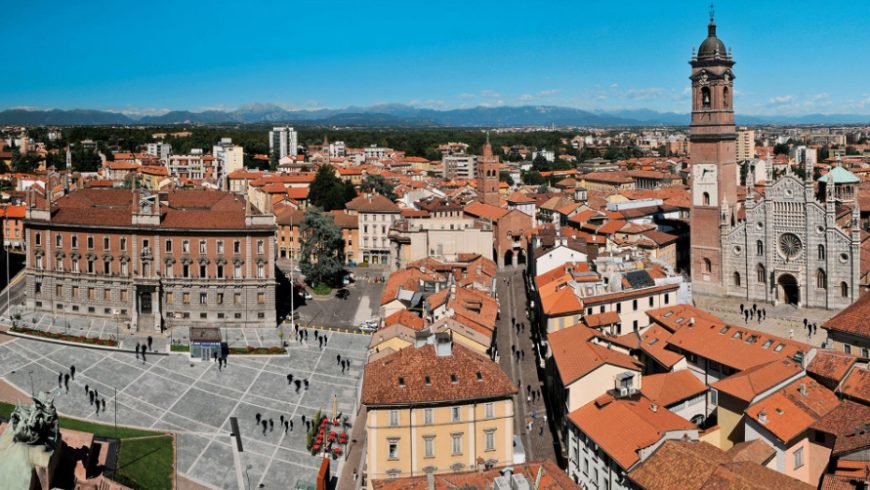
From October 14 to 18, the Brianze and Lakes stage crosses Piedmont and Lombardy, focusing on the relationship between tourism, volunteering and caring for places. The programme offers practical activities and opportunities for discussion: from Plogging for Peace and Legality along the Villoresi Canal to an exploration of the relationship between landscape and tourism in Brunate. There will also be a master class dedicated to dry-stone walls, a heritage of techniques and knowledge that tells the story of the relationship between communities and the landscapes around them. Different experiences, united by the same idea: getting to know a territory also means understanding its vulnerabilities and doing our part, however small, to protect it.
6. Milan: discovering the city through new perspectives
Photo by IT.A.CÀ festival
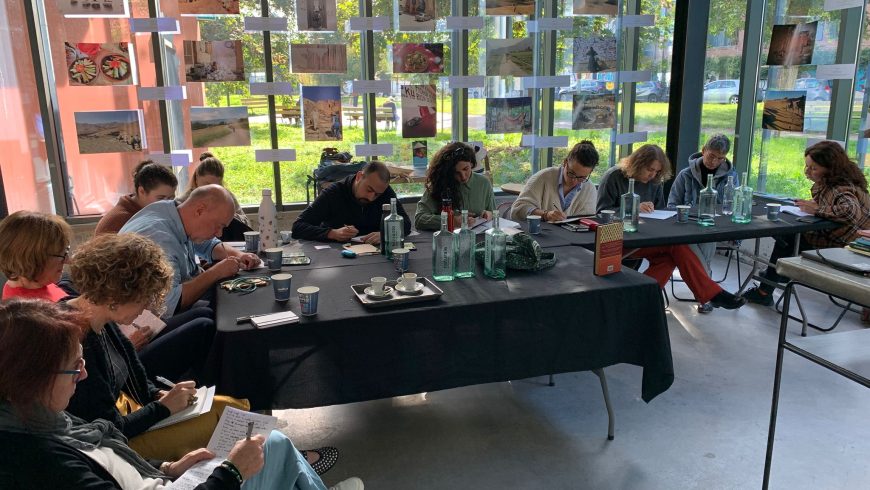
From October 23 to 25, IT.A.CÀ explores Milan with a programme dedicated to intercultural dialogue, active citizenship and sustainable mobility. Geographies of Peace take shape across neighbourhoods, urban outskirts, the Navigli and green spaces through exhibitions, meetings, walks and urban routes. Activities include walks with Refugees Welcome Italia, events focusing on migration and reception, street art tours and opportunities to discover neighbourhoods through the stories of the people who live there. Cycling also becomes a way to see the city from a different perspective, with a route towards the Parco Agricolo Sud Milano. Because even a large city can be explored at a slower pace, looking for places and stories that often remain outside the best-known itineraries.
7. Modena: exploring the city on foot and by bike
Photo via Canva PRO
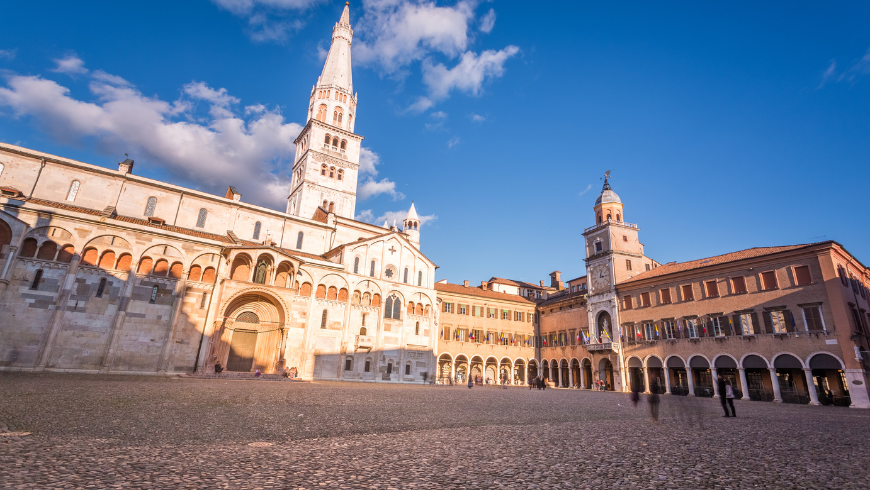
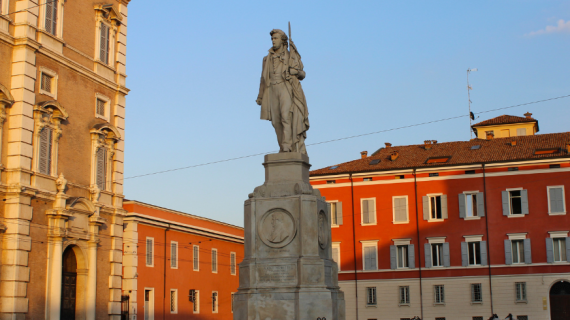
From October 23 to 25, IT.A.CÀ arrives in Modena for the first time, with nine events spread across different neighbourhoods of the city. There is no single Festival venue: Modena itself becomes a place to explore. The programme includes walks through the Artisan Village, photography, bread-making workshops, stories from the women of Modena, self-building activities using recycled materials and routes through the city’s multicultural area. There are also encounters with artists and travellers, as well as activities dedicated to memory and creativity. The stage will also accompany the departure of the Modena–Rimini cycling relay organised by volunteers for sustainable development.
A festival that invites us to look more closely
Image by IT.A.CÀ festival
The seven October stages offer a very tangible picture of IT.A.CÀ’s Geographies of Peace. There is no single way to interpret travel: it can be a mountain hike, a bike ride, a museum visit, a workshop, a volunteering activity or a walk through a neighbourhood. What changes above all is the way we look at the place we are travelling through. Instead of simply looking for attractions, we can try to get to know the people who live there, the organisations and communities that bring it to life, the landscapes that define it, and also the challenges they face. This may be one of the Festival’s most interesting insights: transforming travel from an individual experience into an opportunity for connection.
From June to October, an Italian map of encounters
Image by IT.A.CÀ festival
The 2026 edition of IT.A.CÀ involves a total of 16 territories across Italy, from north to south, building a network of associations, businesses, cooperatives, guides, institutions and local organisations. Founded in Bologna in 2009, the Festival is now one of Italy’s longest-established initiatives dedicated to responsible tourism and innovation in the sector. The Festival network brings together more than 700 organisations, including Banca Etica, AITR, Legambiente, Borghi Autentici d’Italia and AMODO – Alleanza Mobilità Dolce. This year too, Ecobnb is IT.A.CÀ’s National Media Partner, together with various editorial and media organisations working on sustainability, culture and innovation.
Set off on a journey
Seven territories, hundreds of events and countless opportunities to discover Italy through walking routes, cycling, art, nature, memory and encounters. Because sometimes you don’t have to travel far to truly get to know a place. All you need is to change the way you travel through it.Discover the full programme and all the IT.A.CÀ 2026 stages on the Festival’s official websiteCover image: photo via Canva PRO