

Cities are changing (and so is tourism!)
Urban tourism is entering a new phase, and the future of urban tourism is already reshaping how cities and travelers interact. In many places, overtourism has become a big issue.
Cities are facing climate pressure, overtourism, and housing challenges, and unlike before, many are starting to limit growth instead of encouraging it. At the same time, travelers are becoming more conscious, looking for authentic and low-impact experiences.
The future of urban tourism is no longer about attracting more guests. It is about creating better experiences, with less impact and a deeper connection to place. Many cities are introducing new policies to manage tourism more sustainably, aligned with ON Sustainable Tourism Development.
For hosts, this means one thing: adapting to new regulations, changing traveler values, and increasing pressure on cities. The future of urban tourism is not about volume. It is about quality, connection, and responsibility.
What hosts need to know about the future of urban tourism
1. Cities are limiting tourism growth
Many cities are no longer trying to attract more visitors. Instead, they are introducing tourist taxes, rental limits, and stricter rules to protect local life. This means tourism is shifting from growth to balance.
What to do
- Make sure your listing follows local regulations and respects restrictions
- Focus on offering a high-quality experience, not just volume and availability
- Communicate clearly and professionally with guests about their impact on the community
👉 Hosts who are reliable and responsible will stand out more than ever.
2. Your impact on the community matters
Tourism is now affecting how people live in cities. In some places, it contributes to higher rents, crowded neighborhoods, busy public transport, and more waste. Being a good host today also means respecting the people around you.
What to do
- Encourage guests to respect the neighborhood
- Share tips on local etiquette, public transport, waste management, water use, and local culture
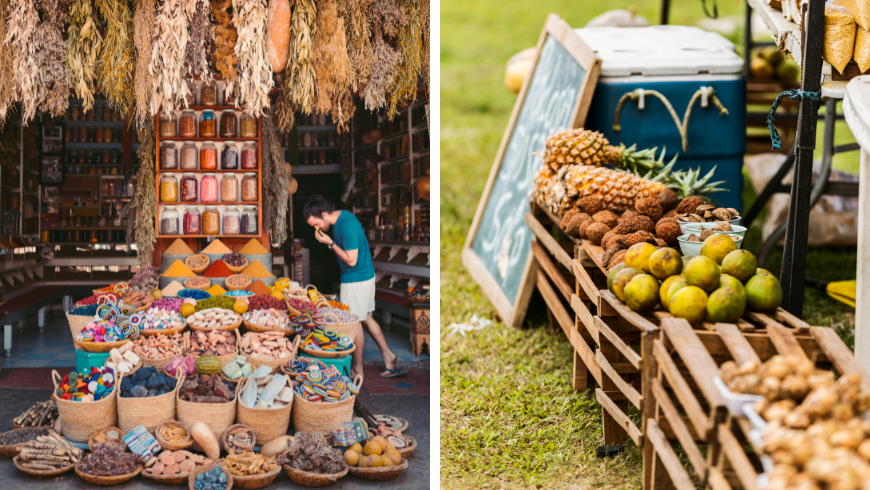
- Recommend small and local businesses instead of crowded tourist spots, like local markets
- Buy products from local suppliers
- Employ local people in your accommodation
👉 Supporting the local community makes your stay more meaningful and more sustainable.
3. Sustainability is now expected
Travelers are paying more and more attention to their impact. Many choose accommodations that reflect their values. Sustainability is no longer a plus; it is becoming a standard. And simple actions can already make a big difference.
What to do
- Reduce single-use plastic and provide refillable toiletry bottles
- Manage your waste better
- Offer recycling options and filtered water stations for refilling
- Use energy efficiently (LED lighting, renewable energy like solar, where possible)
- Reduce water use with efficient taps, showers, and toilets
- Provide a simple guide or booklet to help guests make responsible travel choices
👉 You don’t need to be perfect, but you need to show real intention.
4. Authentic local experiences in the future of urban tourism
Travelers are no longer looking for standard tourist activities. They want to feel connected to the place and experience the city like a local. This is a key shift in the future of urban tourism (from visiting to belonging!)
What to do
- Share your favorite local spots and hidden gems
- Recommend authentic local experiences instead of tourist attractions
- Highlight local culture, traditions, and small businesses
👉 Your local knowledge can turn a simple stay into a meaningful experience.
5. Location is changing: beyond the city center
More travelers are choosing to stay outside crowded tourist areas. They are looking for quieter neighborhoods and a more authentic atmosphere. That is why a trend of “hidden spots” became so big. This is changing how cities are explored. People would love to explore more local places, in the countryside, nature and untouchable areas.. This is how responsible travelers are travelling now.
What to do
- Promote what makes your neighborhood unique
- Highlight nearby cafés, markets, parks, and local life
- Show guests how to experience a different side of the city
👉 Being outside the main tourist zone is now a real advantage.

6. Mobility is part of the experience
Cities are becoming more walkable and better connected. At the same time, travelers are trying to reduce their environmental impact using EV, bicycles, and public transport. How guests move around is now part of the travel experience.
What to do
- Share tips on public transport
- Suggest walking routes and nearby attractions
- Recommend bike rentals or car-free options
- Encourage slow travel in cities
👉 Helping guests move sustainably adds value to their stay and reduces impact.
7. Travel is becoming more meaningful
Travel is evolving from consumption to contribution. More people want their trips to have a positive impact on the places they visit. This is where regenerative tourism is growing.
What to do
- Recommend local artisans and independent businesses
- Encourage guests to support the local economy
- Share cultural insights and respectful ways to engage with the community
👉 Even small actions can help create a positive footprint.
8. Technology supports, but people make the difference
Technology is helping improve travel and manage tourism in cities. But what guests remember most is still the human connection. Simple, personal touches make a big difference.
What to do
- Keep communication warm and personal
- Be available and helpful, without being intrusive
- Add small details that make guests feel welcome
👉 Authentic hospitality will always stand out.
Extra tips for future-ready hosts
- Focus on quality over quantity
- Keep your communication simple and clear
- Stay informed about local regulations
- Think long-term, not just short-term profit
- Always consider your impact on the city and community
Conclusion
The future of urban tourism is already happening.
Hosts who adapt can create stays that are more meaningful for guests and better for the places they visit.
Cover image: photo via Canva PRO