
Every eco-accommodation begins long before the first guest arrives. The choice of sustainable building materials for eco-accommodations goes far beyond aesthetics. It directly influences sustainability, comfort, and environmental impact. From design to construction, materials shape the carbon footprint, the relationship with nature, and the quality of the guest experience.
Why Building Materials Matter in Eco-Tourism
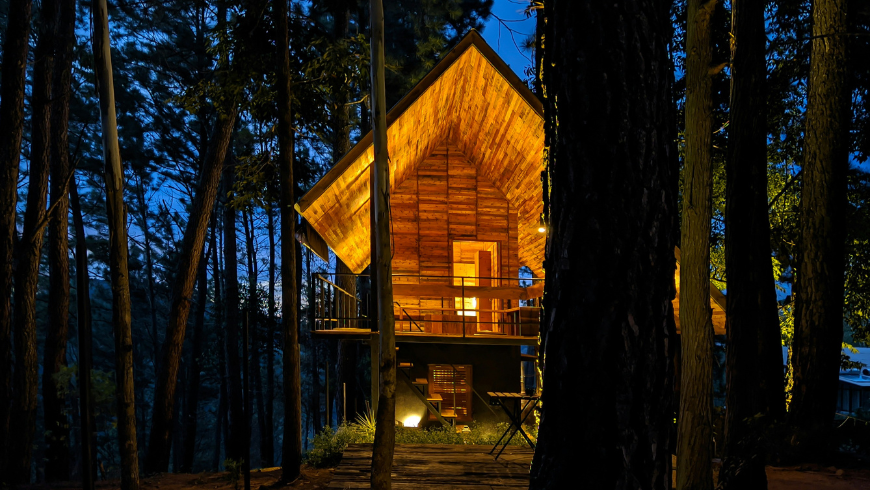
In sustainable tourism, architecture and ecology meet. Choosing the right materials can reduce emissions, conserve local resources, and support community livelihoods. From the bamboo villas of Bali to the recycling materials lodges in Australia, sustainable building materials for eco-accommodations are redefining what responsible travel truly looks like.
Understanding What Makes a Building Material Truly Sustainable
Before comparing “good” and “bad” materials, it’s essential to understand why material choice matters. A truly sustainable material considers the entire life cycle: from extraction and production to use and end-of-life.
The Key Principles of Sustainable Materials
- Low Embodied Energy: How much energy was used to produce and transport the material.
- Local Sourcing: Materials sourced locally reduce transport emissions and support nearby communities.
- Renewability: Rapidly renewable or naturally abundant resources (like bamboo or cork) cause less ecological damage.
- Durability and Maintenance: Longer-lasting materials reduce waste and replacements.
- Non-Toxic Composition: Avoiding paints, adhesives, or insulation that release harmful chemicals.
- Recyclability and End-of-Life: Can the material be reused, recycled, or safely returned to nature?
Unsustainable vs. Sustainable Materials
When materials meet most of these criteria, they contribute to buildings that are efficient, truly sustainable, eco-friendly, and low impact, especially in eco-accommodation construction.
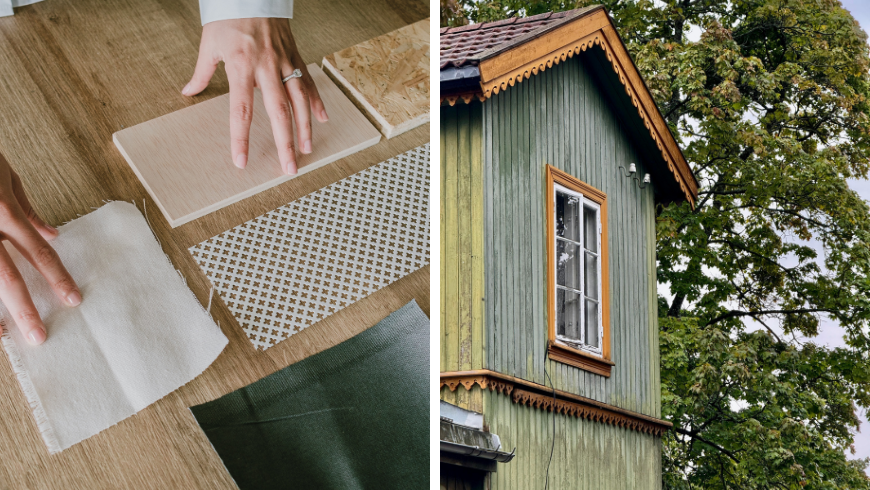
| Unsustainable Materials | Why They’re Problematic | Sustainable Alternatives | Why They’re Better |
| Concrete and conventional cement | High CO₂ emissions during production | Rammed earth or compressed earth blocks | Locally sourced, low embodied energy, natural thermal mass |
| PVC plastics and synthetic insulation | Made from fossil fuels, non-biodegradable | Hempcrete, cork, straw bale | Renewable, breathable, natural insulation |
| Imported materials | High transport emissions | Local stone, clay, timber, or wood | Lower footprint, supports local economy |
| Toxic paints and finishes | Indoor air pollution, harmful VOCs | Natural oils, lime paints, clay plasters | Safe, breathable, non-toxic |
By making informed choices, designers, engineers, architects and accommodation owners can dramatically reduce the environmental footprint of eco-accommodations while creating natural, calming spaces for guests.
How to Choose Sustainable Materials for Eco-Accommodations
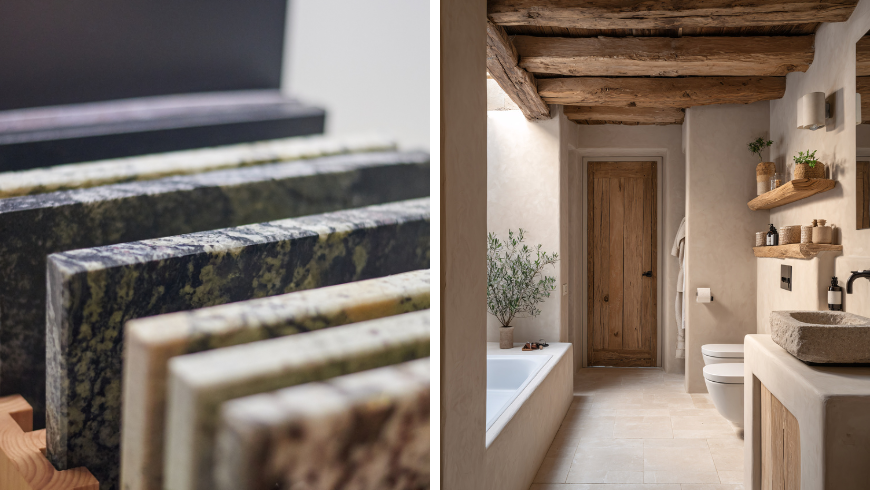
Recognizing sustainable materials isn’t always straightforward — marketing terms like “eco” or “green” can be misleading. To make informed decisions, here are a few ways to evaluate materials before you buy or build:
- Check for certifications – Look for trusted labels such as FSC (timber), PEFC, Cradle-to-Cradle, or Green Tag. These ensure responsible sourcing and production.
- Ask about origin and transport – The closer the material’s source, the smaller its footprint. Imported “green” materials often lose their benefits due to shipping emissions.
- Understand the manufacturing process – Was renewable energy used? Are by-products recycled? Transparency is key.
- Consider maintenance and lifespan – A “natural” material that deteriorates quickly isn’t truly sustainable if it needs constant replacement.
- Think about end-of-life – Can it be reused, recycled, or safely decomposed? Avoid composites that mix materials in ways that prevent recycling.
In short, sustainable building materials for eco-accommodations should leave as little trace as possible during production, use, and disposal.
Examples of Natural and Renewable Building Materials
Clay, Rocks, and Stone – Nature’s Ancient Builders
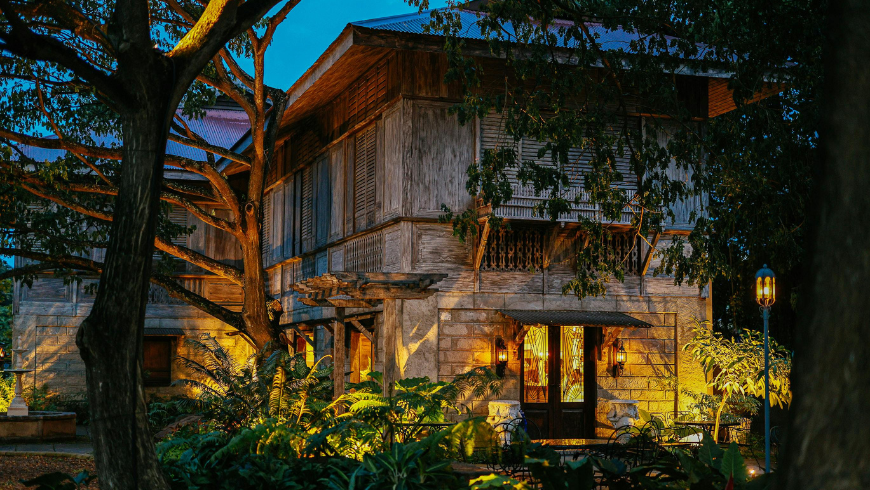
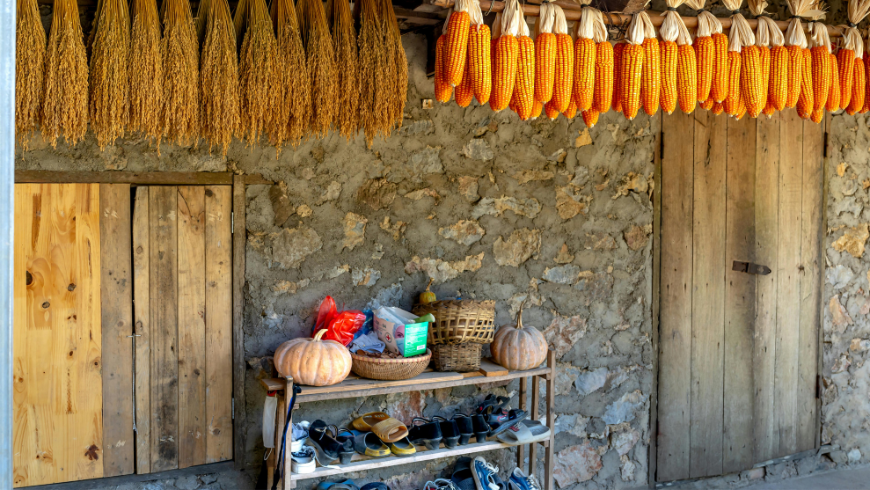
Clay, rocks, and natural stone have been used for thousands of years — and for good reason. They are abundant, durable, and often locally available, drastically reducing the emissions linked to transport. Rammed earth walls or adobe bricks made from clay and soil provide excellent thermal mass, naturally regulating indoor temperature and humidity. Meanwhile, local stone gives structures stability and a timeless aesthetic, blending beautifully with natural landscapes.

Bamboo – The Star of Sustainable Construction
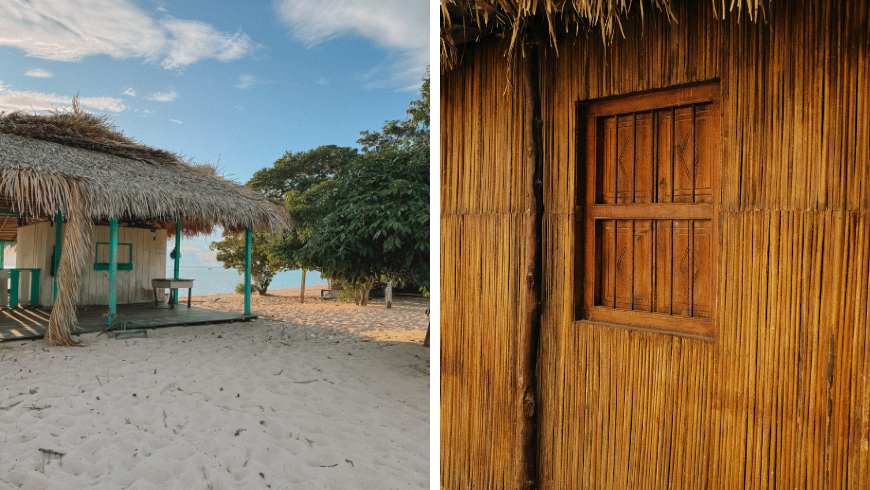
Used for centuries in Asia, bamboo is one of the fastest-growing plants on Earth, reaching maturity in just three to five years while storing significant carbon. It’s flexible, strong, and beautiful — ideal for eco-design. In Green Villages and Hotels in Bali designers are creating entire homes and bridges from locally harvested bamboo. Each structure is hand-crafted, proving that regenerative materials can be both sustainable and luxurious.

Cork, Straw, and Hempcrete – Insulating with Nature
Cork is harvested without cutting down trees. Straw bales offer excellent thermal insulation, and hempcrete (a mix of hemp and lime) is carbon-negative, absorbing CO₂ as it cures. These materials create breathable, healthy environments suited for tropical and temperate climates alike.
Certified Timber – Renewable and Responsible
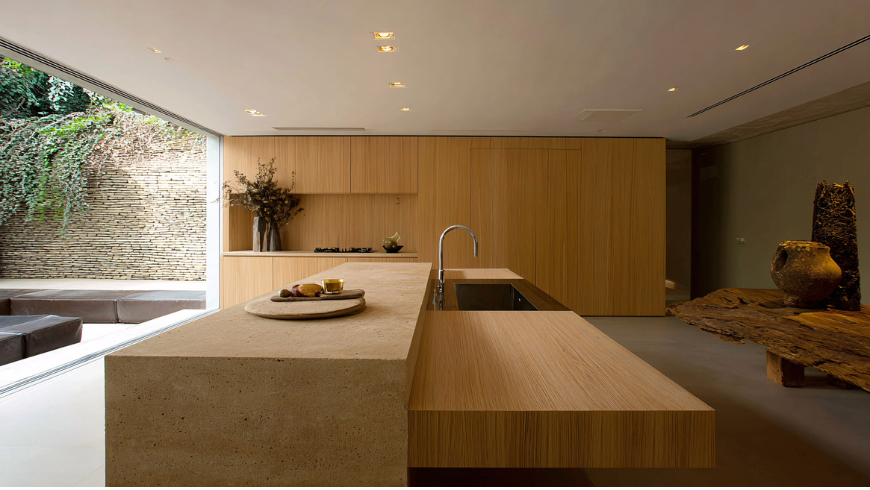
When sourced from FSC– or PEFC-certified forests, timber becomes one of the most renewable construction materials available. It stores carbon throughout its life and adds natural warmth — a hallmark of Nordic eco-lodges and mountain retreats.
Tips for Accommodation Owners and Builders
If you’re planning or upgrading an eco-accommodation, start with simple but intentional steps:
- Source locally – Minimize transportation emissions and support nearby suppliers.
- Ask for certifications – Choose verified sustainable products (FSC, Cradle-to-Cradle, Green Tag).
- Prioritize durability – Long-lasting materials save money and resources.
- Avoid toxins – Use natural paints, oils, and low-VOC adhesives.
- Incorporate passive design – Let sunlight, airflow, and shading reduce energy needs.
- Design for the future – Make materials easy to recycle or reuse at the building’s end of life.
Final Thought
Sustainable building materials for eco-accommodations are not just a design choice — they’re a statement of responsibility. Each bamboo beam, earthen wall, or recycled panel tells a story of respect for both nature and culture.
By embracing renewable, low-impact, and locally sourced materials, eco-lodges around the world are proving that sustainability can be as beautiful as it is responsible — one green building at a time.