
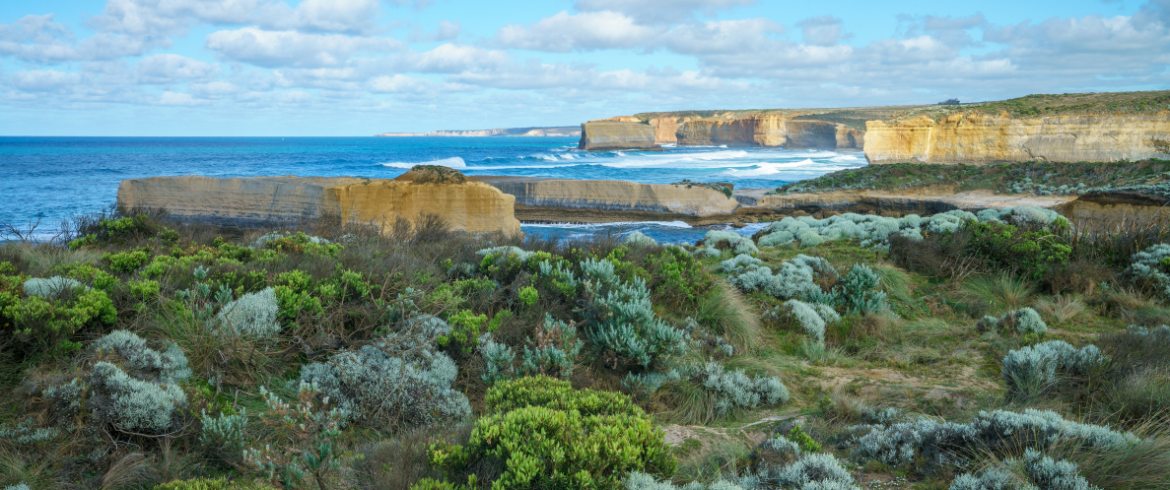
Australia’s wild heart calls to those who love nature and want to protect it. From ancient rainforests to red desert gorges, the country’s national parks are rich in life, culture, and stunning landscapes. This Australia national parks travel guide is for mindful explorers who want to hike gently, support local communities, and leave a positive footprint.
Before we jump into the parks, let’s look at why responsible hiking and outdoor travel matters.
What Is a Responsible National Parks Visit?
A responsible national parks visit means connecting with nature without harming it. It’s about hiking, moving, and exploring thoughtfully.
Hiking boosts your health, reduces stress, and opens your eyes to quiet moments in nature but it also comes with responsibilities. Choosing lodges and trails that protect the land, and moving in ways that leave no trace, helps keep wild places wild.
If you want eco-friendly national parks Australia tips like how to reduce waste and minimize impact on the trail, learn more about zero-waste hiking and the Leave No Trace principles here.
Planning a trip? Articles on how to choose a hiking tour for an unforgettable active vacation and things to consider before going on a hiking trip are great starting points for your journey preparation.
Once you’re out on the trail, simple choices like wearing the right gear: check the best hiking clothing guide for beginners and exploring with respect can make a huge difference.
This Australia national parks travel guide helps you plan meaningful journeys that protect nature and support local communities.
Australia National Parks Travel Guide: Where to Go Responsibly
1. Kakadu National Park (Northern Territory)
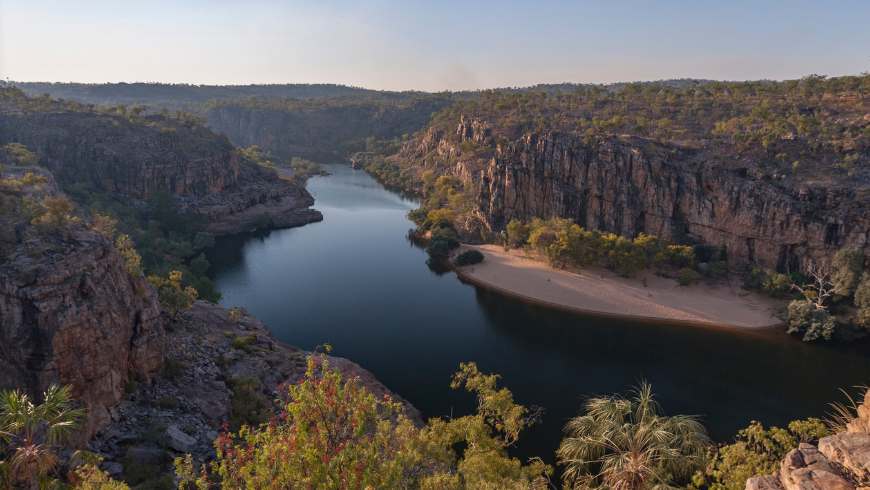
Kakadu is an enormous and biodiverse nature reserve in Australia’s Northern Territory, a real cultural and ecological treasure.
Wetlands, ancient rock art, and rich wildlife make it ideal for mindful hiking and birdwatching. Wide floodplains, waterfalls, and quiet trails create a deep connection with nature. When visiting, respect its rhythms by following park guidelines, staying on trails, and supporting Indigenous-led experiences that share the stories of this ancient land.
- How to get there: Fly to Darwin → drive 3 hours east.
- How long to stay: 2–3 days.
- Best time to go: May to September (dry season).
For more information check: kakadu.gov.au
2. Freycinet National Park (Tasmania)
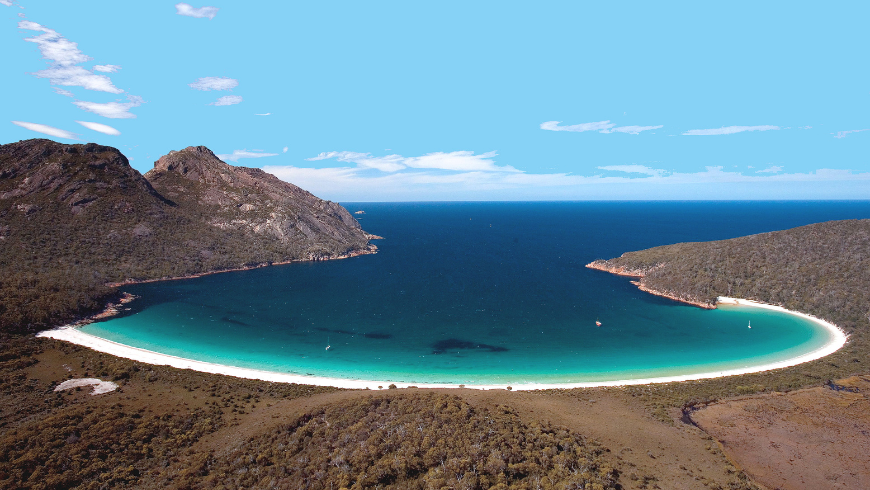
Freycinet is famous for its pink granite mountains and the white sand of Wineglass Bay. It is one of the most scenic coastal parks in Australia and perfect for slow hikes with ocean views.
Walking the coastal trails helps you connect deeply with the landscape while protecting fragile ecosystems when you stay on marked paths.
This park is ideal for travelers looking to escape into Australia’s wild landscapes and reconnect with nature.
- How to get there: Fly to Hobart → drive 2.5 hours northeast.
- How long to stay: 1–2 days.
- Best time to go: October to April.
For more information check: Freycinet National Park
3. Daintree Rainforest (Queensland)
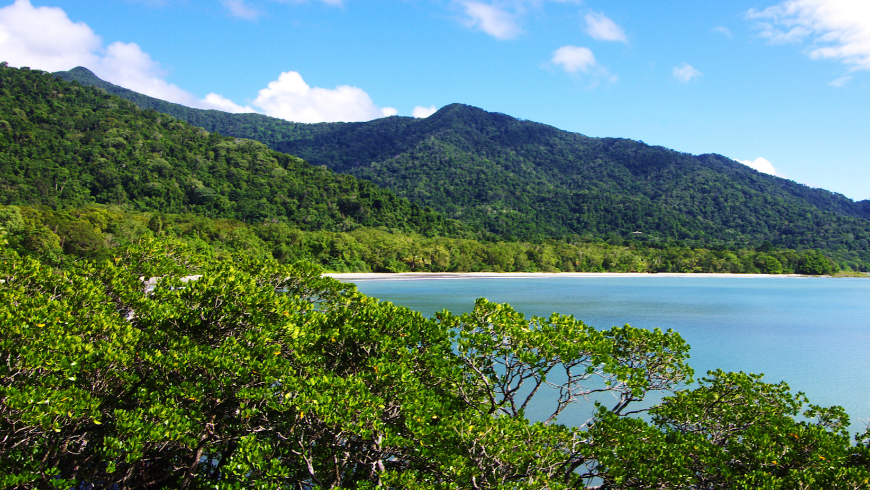
The Daintree is one of the oldest rainforests in the world. Giant trees, tropical birds, and rare animals make this place feel truly alive. Many small, community-based tours share Indigenous knowledge and help protect the forest for future generations.
This is a beautiful example of travel that supports regenerative tourism in Australia through local culture and conservation.
- How to get there: Fly to Cairns → drive 2 hours north to Cape Tribulation.
- How long to stay: 2 days.
- Best time to go: May to October.
For more information check: Daintree Tours
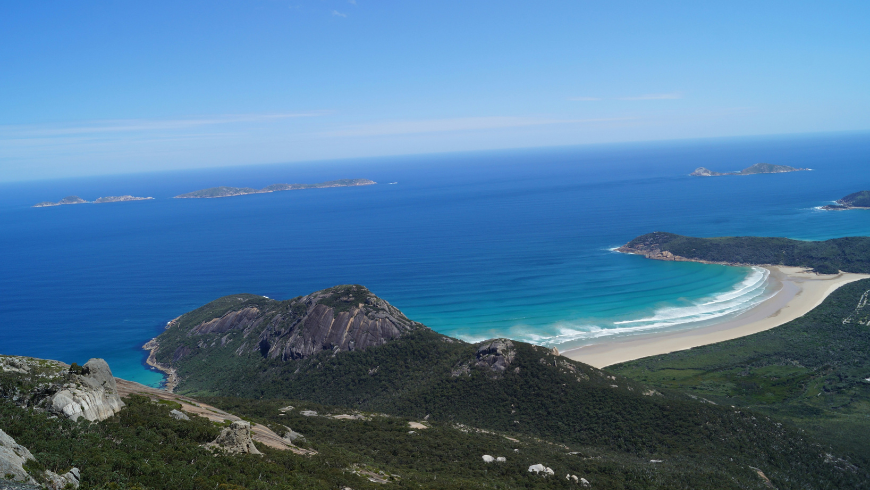
4. Wilsons Promontory National Park (Victoria)
Wilsons Promontory, often called “The Prom,” offers wild beaches, coastal walks, and friendly wildlife like wombats and kangaroos. It is a perfect getway for camping and chilling.
To protect this fragile ecosystem, the park uses visitor limits to reduce environmental impact and keep nature healthy. It’s a perfect example of how smart tourism can protect special places.
- How to get there: Drive 3 hours south from Melbourne.
- How long to stay: 2–3 days.
- Best time to go: September to May.
For more information check: Parks Victoria
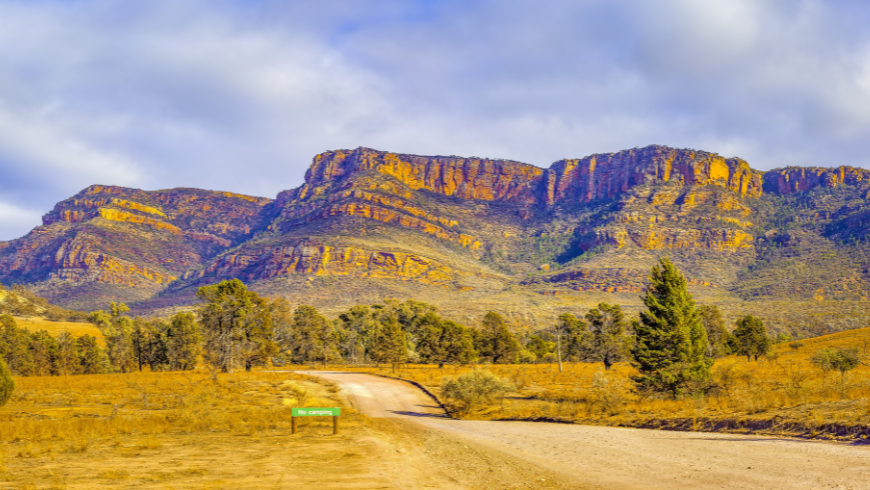
5. Ikara–Flinders Ranges National Park (South Australia)
Ikara–Flinders Ranges is a dramatic outback landscape of red mountains, ancient gorges, and deep cultural history. It stays at the heart of the Flinders Ranges, a mountain chain in South Australia’s Outback.
Walking here feels like stepping back in time. Local guides share stories that connect the land, people, and sky. This is travel that truly supports local communities and culture.
- How to get there: Drive 5 hours north from Adelaide.
- How long to stay: 2 days.
- Best time to go: March to May and September to October.
For more information check: Parks South Australia
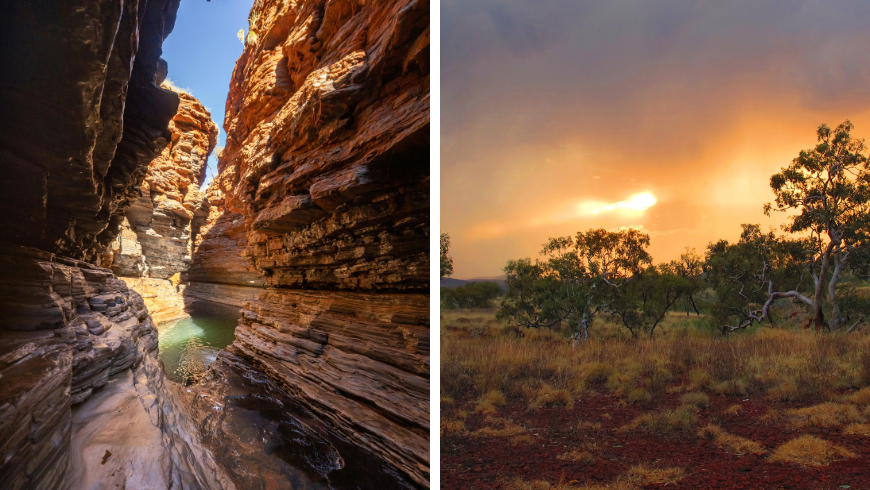
6. Karijini National Park (Western Australia)
Karijini is famous for its deep gorges, turquoise waterholes, and powerful desert scenery. It is a vast wilderness area in the Hamersley Range of Western Australia.
It is a remote park, perfect for travelers who want silence, stars, and meaningful connection with nature. Enjoy breathtaking views, swim and adventure. Exploring this region is part of a wider movement toward sustainable travel in Western Australia.
- How to get there: Fly to Paraburdoo → drive 1.5 hours.
- How long to stay: 3 days.
- Best time to go: April to October.
For more information check: Karijini Eco Retreat
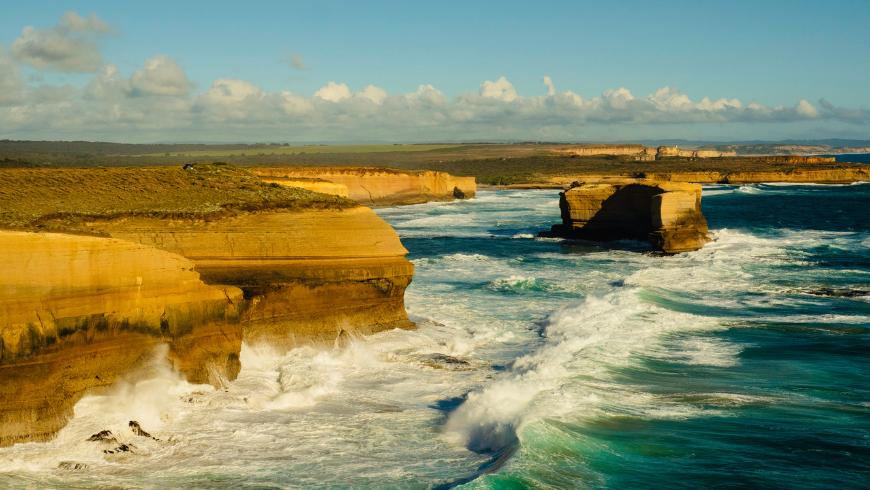
7. Great Ocean Road & Nearby National Parks (Victoria)
This coastal route connects rainforests, cliffs, beaches, and protected parks. The Great Ocean Road invites travellers to slowly go along this road allows you to enjoy nature without rushing and supports small local communities along the way.
It is a perfect example of a slow journey through nature and sustainability.
- How to get there: Drive 1.5 hours from Melbourne to the start of the route.
- How long to stay: 2–4 days.
- Best time to go: October to April.
For more information check: Visit Great Ocean Road
Australia National Parks Travel Guide: Getting Around Sustainably
When possible, choose:
- Low-emission transport
Link “zero-emission trains in Australia” → train article - Public transport or car-sharing
- Staying close to parks to avoid long drives
Australia National Parks Travel Guide: Final Thoughts
Australia’s national parks are not just destinations, they are living ecosystems and cultural homes.
Travel slowly. Walk gently. Choose experiences that protect the land.
This Australia national parks travel guide helps you plan slow, meaningful journeys that protect nature and support local communities.