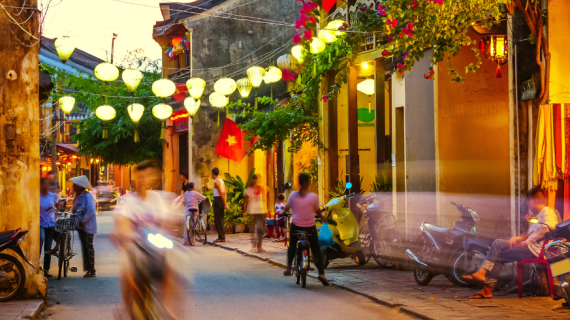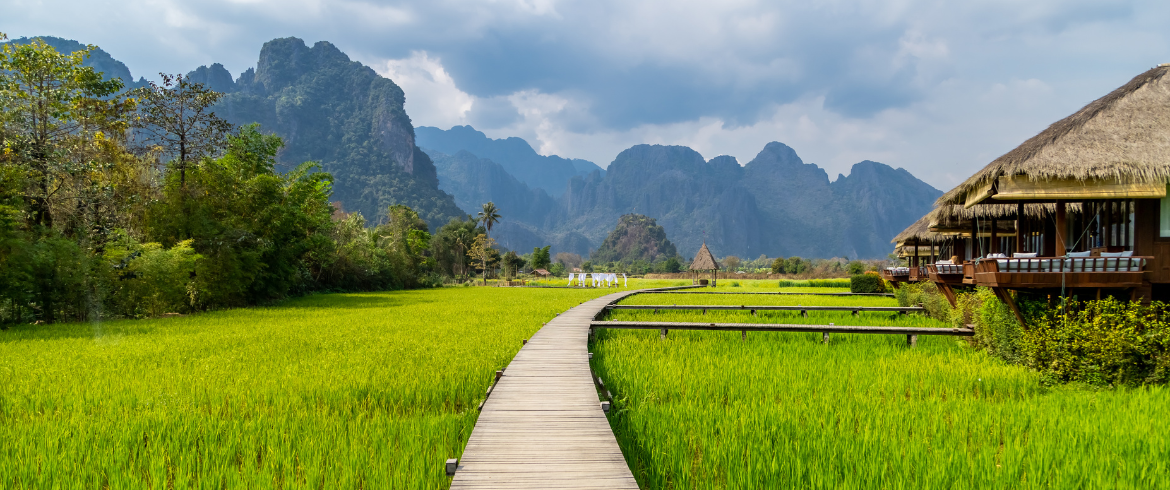
Asia is a land of vibrant cultures, rich biodiversity, and deep traditions. From busy street markets to quiet temples and tropical islands, every journey in Asia feels alive. Greener travel in Asia is becoming increasingly popular among travelers who choose to travel slowly, consume less, and make a lighter impact, especially backpackers and independent travelers.
However, traveling in Asia also comes with challenges: plastic waste, water scarcity, pollution, food poisoning, overtourism, and pressure on local communities.
The good news? By embracing the values behind green tourism and making more conscious choices, you can still enjoy an unforgettable trip while traveling in a more responsible and meaningful way, without giving up comfort or joy.
How to Practice Greener Travel in Asia
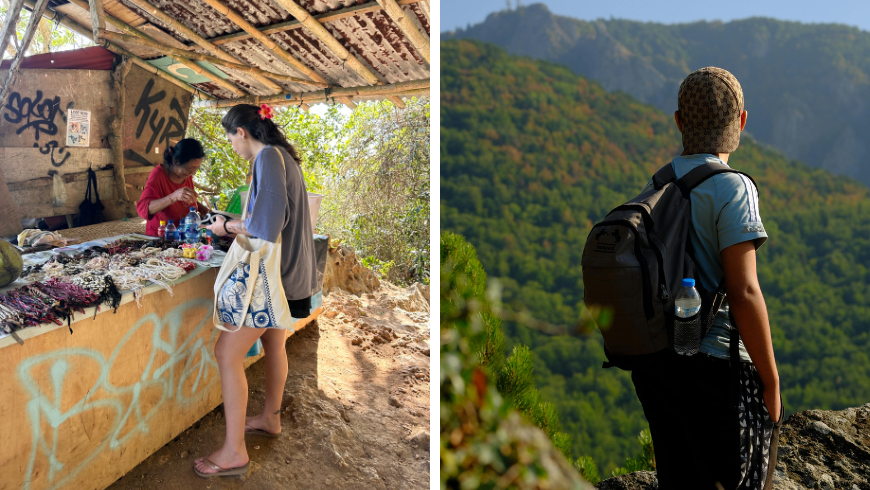
These tips make greener travel in Asia easier and more accessible for every traveler.
Reduce Plastic in Everyday Travel
Asia is one of the world’s largest producers of plastic waste, especially in popular tourist areas. Street food, takeaway drinks, and hotel amenities often rely on single-use plastic.
Greener travel in Asia often starts with small daily habits. A simple reusable travel kit helps reduce waste. Bring with you a water bottle with filter, a tote bag for markets, hand sanitizer, a portable fan, and reusable containers or cutlery for food on the go. At night markets, many vendors are happy to use your container if you ask kindly. In hotels, bringing your own small toiletries kit makes it easier to say no to daily bottled water and disposable amenities, which is a small habit that makes a real difference.
With everyday sustainable travel choices, we can help reduce plastic pollution.
Travel Light and Mindfully
Backpacking is one of the most common ways to travel in Asia. Traveling light is not only practical, but also more sustainable and stress-free.
Carrying fewer items means less weight, lower transport emissions, and more freedom when moving between destinations. It also makes it easier to walk, take public transport, or ride trains and buses instead of short flights.
Choosing versatile clothing, avoiding unnecessary gadgets, and packing reusable essentials helps you stay flexible and reduces waste along the way. Traveling with fewer and reusable items supports both the planet and your own comfort.
Choose Eco-Conscious Accommodation
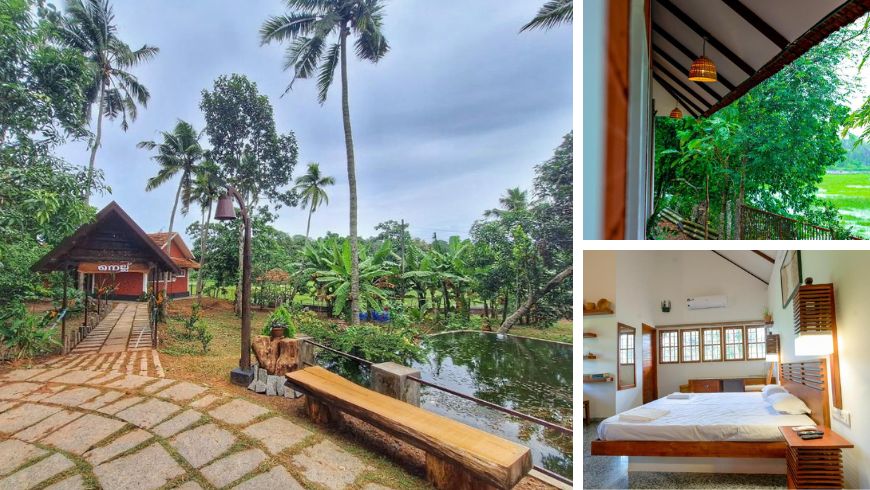
Sustainability looks different in Asia than in Europe or North America. Instead of luxury labels, focus on real, practical eco-features that work in tropical and developing regions. Good signs include:
- Solar-powered guesthouses
- Rainwater collection systems
- Natural ventilation instead of constant air conditioning
- LED lighting and energy-saving appliances
- Buildings integrated into nature, not imposed on it
Staying in places like these supports local jobs, traditional skills, and community projects, creating positive impact beyond your stay.
Use Energy and Water Wisely in Tropical Climates
Hot and humid weather can quickly increase energy use. Small daily choices matter. Try to:
- Charge devices during daylight in solar-powered stays
- Use fans instead of air conditioning when possible
- Turn off lights and AC when leaving the room
- Be mindful of water use, especially in regions with seasonal shortages
These simple actions respect local environments and support accommodation owners who are trying to balance comfort with sustainability.
Eat Street Food Safely and Responsibly
Street food is a big part of Asian culture and one of the best ways to experience local life. It can be safe and delicious if you choose wisely.
Look for places that are busy with locals, where food is freshly cooked and served hot and daily. Simple habits help avoid problems: wash your hands often, carry a small alcohol gel, and avoid food that has been sitting out for a long time. You can also always chose the cooked and not fresh dishes. Eating mindfully protects your health while supporting local vendors and traditional food culture.
Choose Low-Impact Transport When Possible
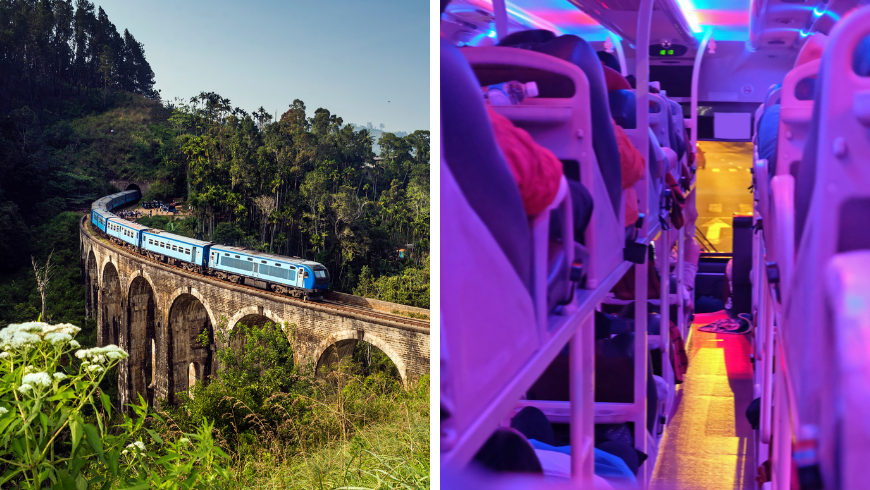
Short flights may seem convenient, but they add a lot to your carbon footprint. Trains, buses, ferries, walking, motorbikes, and cycling are often greener and more meaningful ways to travel across Asia.
Moving slower allows you to see more, connect with local communities, and reduce your environmental impact at the same time. A slower way of traveling often leads to deeper, more authentic experiences.
Respect Wildlife, Nature, and Local Communities
Asia’s ecosystems and cultures are fragile. Avoid unethical animal tourism, respect coral reefs and forests, and follow local rules in sacred places. Respect wildlife while travelling is a great way to be an responsable and eco-traveller.
Making responsible travel choices helps ensure tourism brings long-term benefits to local people, not harm.
Asia Destinations for Every Travel Style

Asia offers something for every kind of conscious traveler.
For those looking for low-budget, backpacker-friendly adventures, countries like India, Thailand, Vietnam, Cambodia, Laos, and Indonesia are ideal. These destinations make it easy to travel slowly, use public transport, eat local food, and stay in affordable guesthouses while connecting deeply with local cultures and communities. A lot of open-minded adventures are available in Southeast Asia.
If you prefer a more comfortable or refined travel style, Asia also offers inspiring options. Japan, South Korea, and parts of China combine modern infrastructure with strong cultural traditions and growing sustainability awareness.
In Asia, slow travel can take many forms, from scenic train journeys and local food markets to walkable cities and nature-focused experiences, often enjoyed with a higher level of comfort. No matter your budget or travel style, Asia invites you to travel with curiosity, respect, and awareness, showing that greener travel can be both adventurous and rewarding.
Conclusion

Greener travel in Asia is not about being perfect. It’s about making better choices, one journey at a time. Travel with care, stay curious, and let Asia inspire a more conscious way of exploring the world.
And here are some more tips and destinations you might be wanting to look at:
- How To Make Useful Connections With Local People When You Travel Around Asia
- Hoi An, Vietnam: How the City Is Embracing Green Transportation
- Ninh Binh, Vietnam: A Model of Ecotourism
- Green Guide to Hoang Lien National Park: Discover Vietnam’s Wild Heart
- How to Balance Daily Life and Sustainable Travel While Exploring Japan
- India, Land of Tigers: A Journey into Conservation and Sustainable Ecotourism
- From Seoul to Jeju: Essential Tips for Travelling to South Korea
- What Are the Best Times of Year to Visit Indonesia?
Cover image: Vang Vieng, Laos, Southeast Asia, photo via Canva PRO