

No longer just sustainable tourism, but regenerative tourism.
In recent years, we have learned how essential it is to travel with respect for the environment and for people, and sustainable tourism has increasingly established itself as a necessary and conscious choice. Today, however, this approach takes a step further. Regenerative tourism represents its natural evolution: travellers do not simply aim to reduce their environmental footprint, but strive to leave the places they visit better than they found them.
More aware travellers no longer want to be mere spectators, but wish to actively contribute to the protection of the destinations that welcome them, supporting local communities, safeguarding the environment and enhancing cultural heritage. In this perspective, tourism becomes a tool at the service of the territory rather than the other way around, capable of generating concrete and measurable benefits: from reforestation and social inclusion to the revival of traditions and local knowledge.
Index
- What is regenerative tourism
- Sustainable tourism and regenerative tourism: what’s the difference?
- Why traditional tourism is no longer enough
- The key principles of regenerative tourism
- The role of travellers
- Regenerative tourism in local communities and territories
- Regenerative tourism and hospitality: what changes
- How to experience regenerative tourism with Ecobnb
- Frequently asked questions about regenerative tourism
What is regenerative tourism

Regenerative tourism is an approach to travel that goes beyond simply reducing negative impacts on the environment and local communities. It aims to create net positive effects for destinations, actively contributing to the regeneration of natural, cultural and social systems.
In practice, regenerative tourism invites us to rethink travel not as a form of consumption, but as an active collaboration with places and host communities. For example, a regenerative project may involve environmental restoration activities, participation in community initiatives, the preservation of disappearing traditions or support for the creation of new local opportunities.
In this sense, regenerative tourism is not just a travel style, but a way of being a traveller, placing relationships, mutual respect and positive impact at the centre of the experience.
Learn more:
How Regenerative Tourism is Transforming Travel in Costa Rica
Sustainable tourism and regenerative tourism: what’s the difference?

For many years, sustainable tourism has been the reference model for those wishing to travel more responsibly. This approach focuses on reducing harm and using natural and cultural resources responsibly: limiting water and energy consumption, choosing less polluting means of transport and staying in environmentally conscious accommodations are just a few examples. These remain fundamental and highly valid practices.
Regenerative tourism, however, goes beyond this paradigm. It does not settle for doing less harm, but aims to actively improve what already exists. Instead of merely reducing impacts, it works to create tangible and lasting benefits for territories, communities and ecosystems.
For instance, while a sustainable accommodation may reduce plastic use, a structure that embraces regenerative tourism may actively engage in protecting local natural resources, collaborate on environmental education initiatives or support the development of new opportunities for the local community.
Learn more:
What is Sustainable Tourism?
Why traditional tourism is no longer enough

Over recent decades, mass tourism and its uncontrolled growth have revealed all their limits: overcrowding, excessive resource consumption, loss of local identity and negative impacts on local communities. Many destinations, despite their beauty, are paying a very high environmental and social price.
It is precisely from this awareness that the need for a paradigm shift arises. Regenerative tourism responds to the growing demand for authentic travel experiences that respect the limits of the territory while strengthening it. It offers an alternative in which travel becomes an opportunity to contribute to the health and vitality of places, rather than an additional source of stress.
This change in perspective encourages us to look not only at individual behaviours, but at the entire tourism system, its dynamics and its long-term consequences.
Learn more:
Overtourism: causes, consequences and solutions
The key principles of regenerative tourism

Regenerative tourism is based on a set of core principles that distinguish it from other forms of conscious travel:
- Centrality of the territory: the destination is not a product to be consumed, but a living system to be protected, enhanced and revitalised.
- Involvement of local communities: those who live in the territory are not passive actors, but protagonists of the development process, with shared and tangible benefits.
- Protection and regeneration of ecosystems: safeguarding biodiversity, supporting restoration initiatives and promoting responsible use of natural resources.
- Cultural enhancement: traditions, local knowledge and intangible heritage are not only respected, but brought to life through travel experiences.
- Measurable and lasting benefits: actions must generate concrete, long-term results for both the environment and communities.
These principles guide not only travellers’ choices, but also those of accommodations, communities and local networks that choose to adopt a regenerative tourism model.
The role of travellers

With this news trend, the traveller is no longer a simple consumer, but an active agent of change. Every choice – from accommodation and transport to activities and purchases – can help strengthen the territory.
Travelling regeneratively means taking the time to truly get to know a place, build authentic relationships and choose experiences that are meaningful not only for the traveller, but also for the host community.
Regenerative tourism in local communities and territories
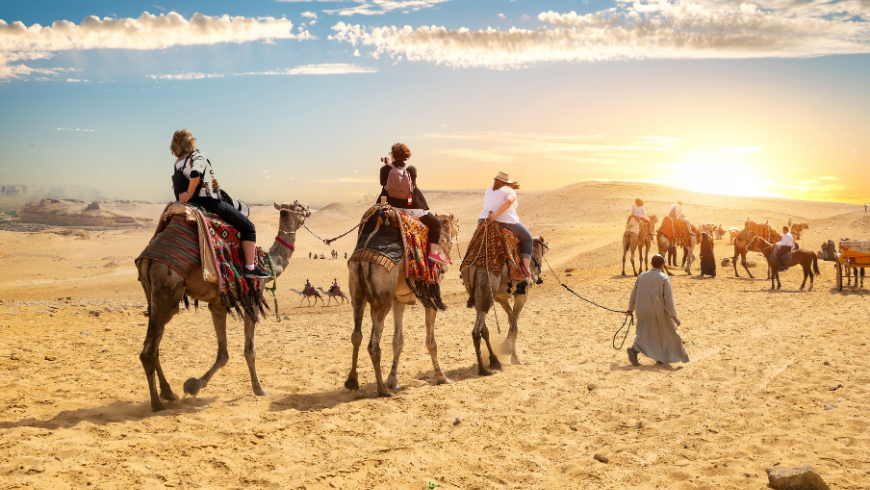
When tourism is regenerative, its benefits extend far beyond the temporary boundaries of a holiday. Local communities may see new job opportunities emerge, landscapes better protected and traditions rediscovered and valued.
This approach fosters a virtuous cycle: the more value visitors bring, the more communities can invest in caring for their territories, creating positive impacts that last over time. In many cases, tourism becomes a tool to counter depopulation, support local economies and strengthen the bond between people and place. It is a long-term vision that creates real, shared value.
Regenerative tourism and hospitality: what changes

Accommodations that embrace regenerative tourism do not simply reduce consumption and emissions. They often actively participate in environmental and social projects, collaborate with local producers and promote authentic experiences for their guests.
On Ecobnb, many eco-sustainable accommodations already embody these values, showing that a different way of welcoming and experiencing tourism is not only possible, but already happening.
Learn more:
Eco-Friendly Accommodations: How to Find Sustainable and Green Places to Stay
Sustainable hotels: traveling while respecting the planet is possibile
How to experience regenerative tourism with Ecobnb

Travelling regeneratively means making conscious choices at every stage of your journey: from where you stay to the activities you take part in, and how you interact with the local community.
On Ecobnb, you can find carefully selected accommodations that place these values at the heart of their offer, providing authentic experiences in harmony with the territory. Each stay becomes an opportunity to contribute to a positive and lasting impact.
Start your regenerative journey by choosing eco-friendly accommodations, taking part in local activities, supporting artisanal and agricultural products, and building meaningful connections with the people who live there.
Frequently asked questions
What exactly is regenerative tourism?
Regenerative tourism is a way of travelling that goes beyond avoiding harm and aims to generate a positive impact on the places visited.
How is it different from sustainable tourism?
Sustainable tourism focuses on reducing negative impacts, while regenerative tourism focuses on creating real, measurable and long-lasting benefits for communities and ecosystems.
Can I travel regeneratively on my own?
Yes. Every traveller can make conscious choices: selecting eco-friendly accommodations involved in protecting their territory, supporting local projects and choosing activities that enhance nature and culture.
Is regenerative tourism possible everywhere?
Yes, regenerative practices can be applied in all destinations, including lesser-known or rural areas, where visitors’ contributions can be even more meaningful.
How can I recognise a regenerative accommodation?
Regenerative accommodations often collaborate with local communities, take part in environmental protection projects, offer immersive experiences and are transparent about their impacts.


