
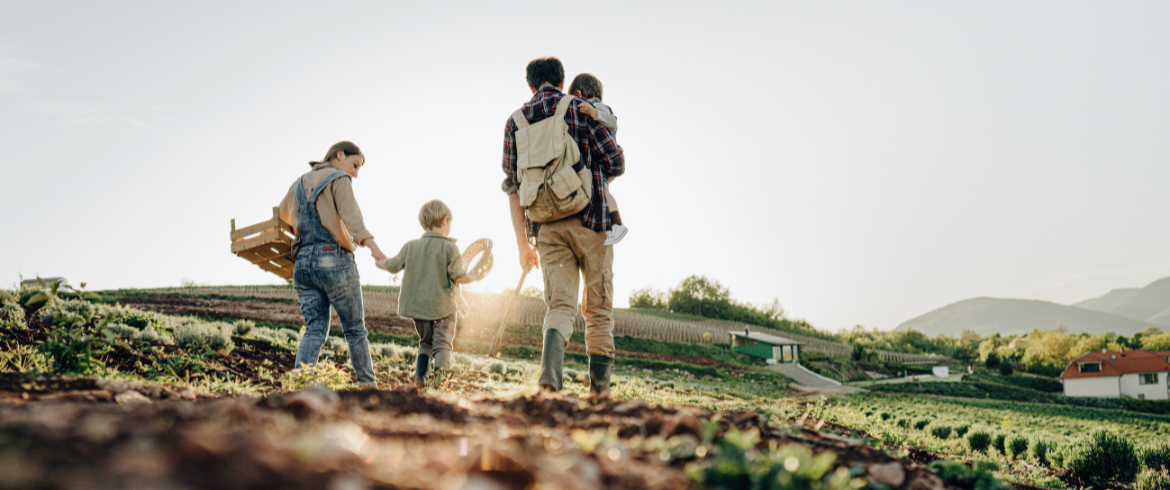
What is regenerative farming travel, and how does it connect to sustainability and ecotourism?
It is much more than a way of producing food. Regenerative farming is an agricultural approach that, beyond economic goals, restores land, protects biodiversity, and strengthens community relationships with nature. Today, many farms around the world are welcoming visitors, inviting them to learn, taste, and participate in a more hopeful and grounded future, especially in farm stays.
With busy urban lives, many of us have become distant from the soil and from the natural rhythms that feed us. That is why more and more travelers are seeking meaningful farm experiences during their holidays, which can be a moment to slow down, reconnect, and understand where food truly comes from.
What Is Regenerative Farming?
Regenerative farming is a holistic agriculture approach that focuses on restoring and improving soil health. It focuses on increasing biodiversity, strengthens the water cycle, and stores carbon in the ground.
It is a practice based on a set of ecological principles, such as minimizing soil disturbance, keeping soils covered, growing different crops together, maintaining living roots year-round, and integrating animals in responsible ways.
By working with nature, regenerative farming creates landscapes that are healthier, more resilient, and more capable of producing nutritious food. It also reduces the need for synthetic fertilizers and pesticides, helping farms become self-sustaining ecosystems where soil, plants, animals, and humans thrive together. This is a real example of ecotourism that connects with nature and culture.
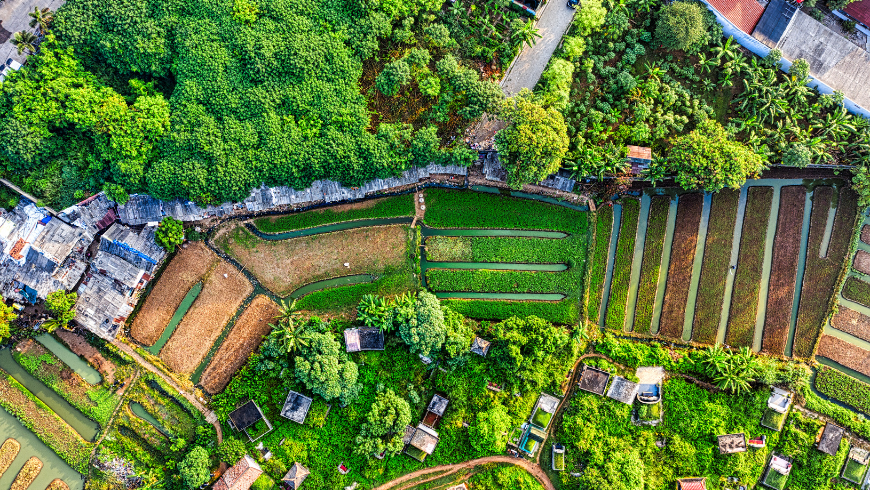
Practices of Regenerative Farming
Composting and natural fertilizers
Food scraps, leaves, and organic waste return to the soil as nutrients, instead of being replaced with synthetic products.
Agroforestry
Trees grow alongside vegetables and grains, providing shade, natural pest control, and shelter for wildlife.
No-till or minimal soil disturbance
Soil is kept intact, protecting worms, fungi, roots, and microbes that naturally store carbon and retain moisture.
Crop rotation and polycultures
Different crops grow together or in seasonal cycles, bringing balance to the land and attracting beneficial insects.
Holistic grazing
Animals graze in planned rotations, fertilizing the ground with manure and allowing vegetation to regrow.
Over time, these practices create a living soil, deep, moist, full of biodiversity, and able to sustain crops without harming ecosystems.
Why Travelers Are Falling in Love With Regenerative Farms
Regenerative farming travel offers a chance to reconnect with nature, learn local practices, and step away from the fast pace of urban life. Also, it is a great opportunity to experience traditional ways of growing food (hands-on, community-based, and deeply rooted in the land).
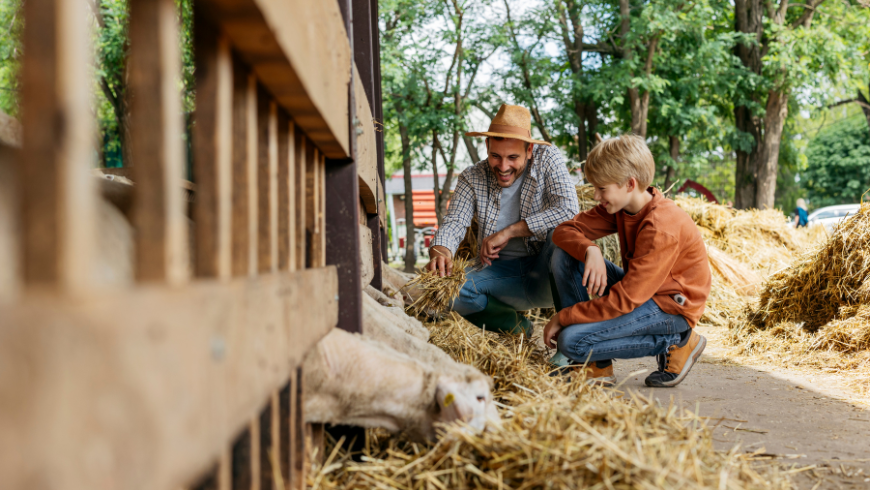
Guests often come looking for:
Hands-on learning
Workshops on composting, seed saving, herbal remedies, natural building, and forest gardening.
Real food, freshly harvested
Meals prepared with vegetables picked minutes earlier, homemade bread, local cheeses, seasonal fruit.
Nature-connected stays
Cabins among fruit trees, yurts under the stars, tents in vineyards, small eco-lodges surrounded by orchards.
The chance to contribute
Planting trees, collecting seeds, helping restore soil beds, or observing pollinators.
Inspiring Examples Around the World
Here are a few places showing how regenerative farming travel can become a deep and memorable journey.
Tuscany, Italy – Food Forest Farmstay
Vineyards, olives, and aromatic herbs share space with permaculture gardens. Guests join the harvest, learn how no-dig gardens grow, and share long dinners outdoors.
Some more places in Italy:
- Sleep green and eat local: 5 Sustainable Farm Stays in Sicily
- Salos: Awarded Organic Farmhouse in the Heart of Salento
- Lama di Luna: Eco-Friendly Farmhouse in Apulia Awarded by the Ecobnb Award
- Green Escape Near Bologna: 8 Dreamy Organic Farm Stays
- Top 8 Eco-Friendly Farmhouses and Bed & Breakfast to Discover Assisi
- 6 Dream Organic Farms To Explore Gubbio
- Salento Green: discovering Piccapane Eco-Friendly Farmhouse
- A 5-star farmhouse in the Tuscan hills
- The 6 Best Organic Farmhouses Around Florence
- The 10 best green farm holidays in Veneto for a stay surrounded by nature
Thailand – Tropical Learning Farm
A lush valley where fruit trees, bamboo, and medicinal plants grow together. Visitors can join planting days and learn how traditional farming protects biodiversity.
Costa Rica – Regenerative Ranch
Once degraded pasture, now a mosaic of green fields, young forests, and wildlife corridors. Tree-plantings, forest walks, and soil restoration activities welcome visitors.
Portugal – Community Seed Farm
Close to the Atlantic coast, a collective farm focuses on seed saving, seasonal vegetables, and natural water systems. Volunteers and travelers help with harvests, cooking, and garden care.
Some more plances you can check it out
- Best Eco-Friendly Holiday Farms in Greece
- Greece among olive trees and sea: 6 organic farmhouses you cannot miss
- 10 Secluded Farm Holidays in Slovenia
- Heal Farm, healing retreats in the mountains of India
- Baden-Württemberg: 8 Organic Farms for a sustainable holiday
Final Thoughts
Regenerative farming travel shows that tourism can heal landscapes, support communities, and reconnect people with the earth.


