
From 2028, ETS2, the new European emissions trading system, will be fully operational, mainly covering fuels used in buildings and road transport
This is an important step in the European Union’s strategy to achieve climate neutrality by 2050.
The introduction of the new system may also affect the cost of fuels used every day by households and businesses. At the same time, ETS2 is designed to encourage investment in more energy-efficient buildings and lower-emission forms of mobility.
Let’s take a closer look at what will change and which strategies can help reduce energy consumption, emissions and costs.
ETS2: What Is It?
The European Union’s emissions trading systems aim to contribute to reducing greenhouse gas emissions and supporting the transition towards a climate-neutral economy.
The EU aims to achieve climate neutrality by 2050, with an interim target of reducing net greenhouse gas emissions by at least 55% by 2030 compared with 1990 levels.
ETS
The ETS (EU Emissions Trading System) is the European emissions trading system introduced in 2005 to reduce emissions from sectors that are major contributors to greenhouse gas emissions, such as power generation and certain industrial activities.
The system sets an overall limit on emissions and allows companies to buy and sell emission allowances according to the “cap and trade” principle.
ETS2
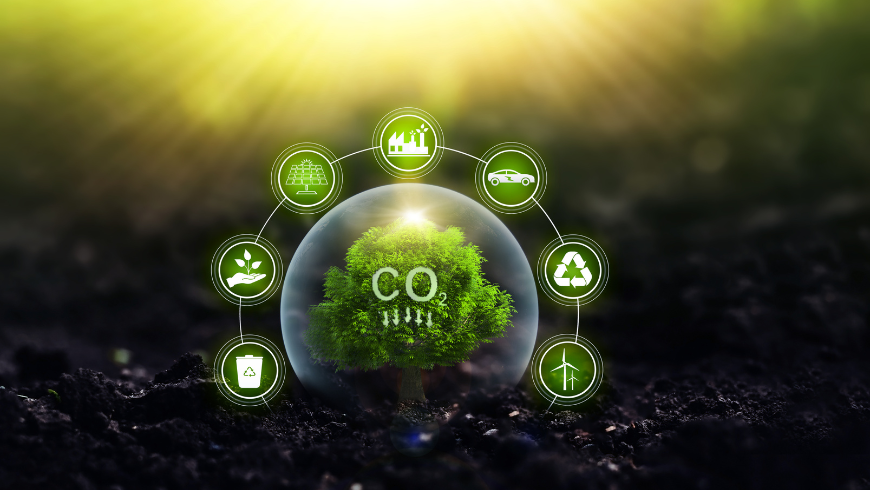
ETS2 is a new system, separate from the existing ETS, mainly covering emissions from the combustion of fuels in buildings and road transport, as well as certain additional sectors not already covered by the ETS.
Since 2025, regulated entities have been subject to emissions monitoring and reporting requirements in preparation for the system becoming fully operational.
Is ETS2 Already Operational?
ETS2 was initially scheduled to start in 2027.
In 2026, its full implementation was postponed to 2028. The system will therefore be fully operational from that year, while some preparatory activities and allowance auctions will begin earlier.
ETS2 will cover emissions associated with fuels used in buildings, road transport and other sectors covered by European legislation.
ETS and “Cap and Trade”: What Does It Mean?
The ETS2 mechanism is similar to that of the ETS and is based on the “cap and trade” principle.
In practice, an overall limit on emissions is established and emission allowances are auctioned. Regulated entities must purchase and surrender a number of allowances corresponding to the emissions generated by the fuels they place on the market.
For ETS2, the goal is to reduce emissions from the sectors covered by the system by 42% by 2030 compared with 2005 levels.
Unlike the traditional ETS, under ETS2 the obligations fall mainly on fuel suppliers, rather than directly on households or motorists.
What Impact Will ETS2 Have on Costs?
The introduction of ETS2 could affect fuel prices because suppliers will have to bear the cost of emission allowances. Part of these costs could therefore be passed on to final consumers.
It is difficult to quantify the actual impact at this stage, as it will depend on the price of emission allowances, fuel prices and developments in the energy market as a whole.
For this reason, investing in energy efficiency can be not only an environmental choice, but also a way to reduce future exposure to fluctuations in energy prices.
Energy Efficiency Measures
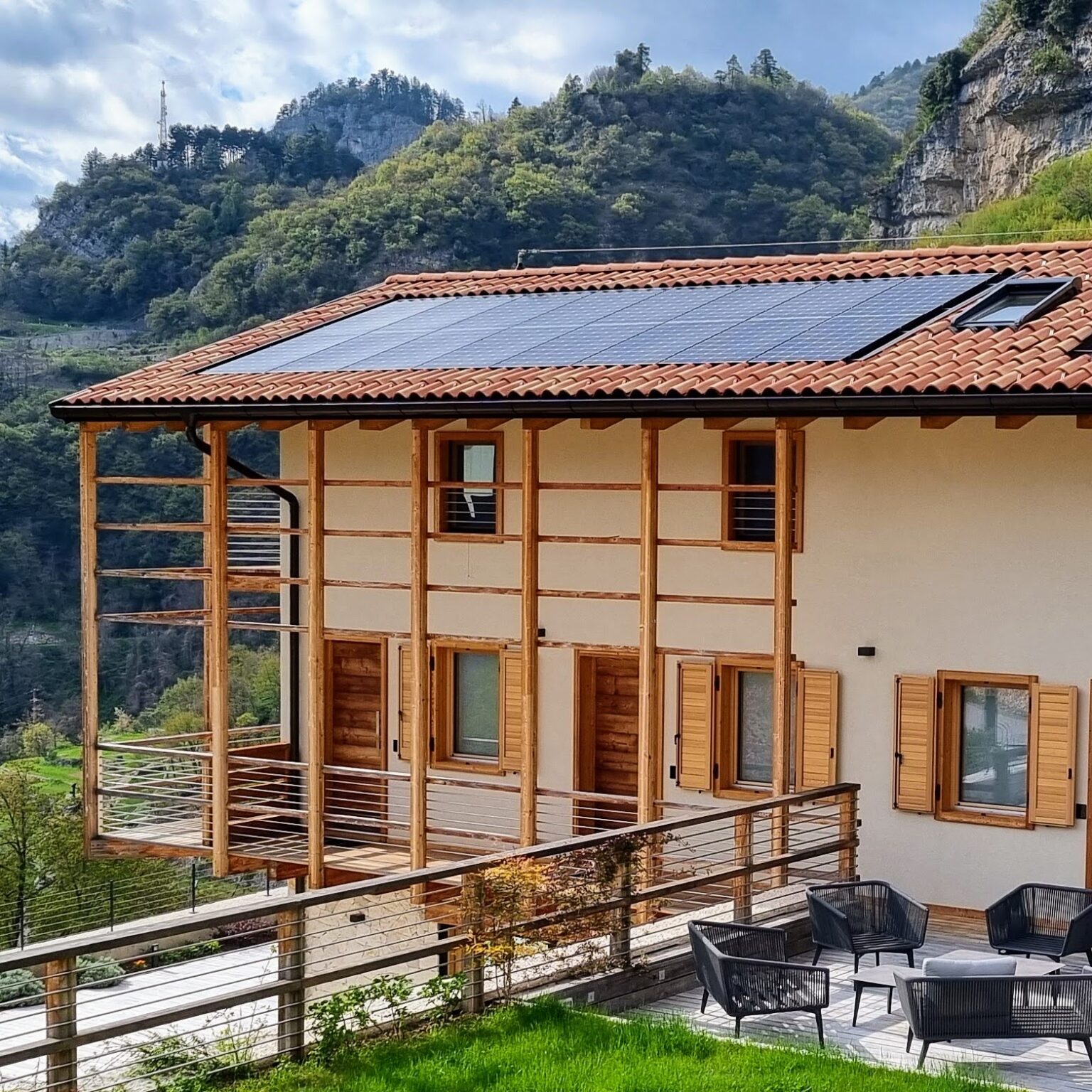
ETS2 introduces a price on emissions associated with fuels and aims, among other things, to encourage lower energy consumption and the transition towards more efficient technologies.
For households, businesses and accommodation facilities, this can mean investing in measures to reduce energy consumption, for example through:
- building insulation and renovation measures;
- more efficient heating systems;
- heat pumps;
- renewable energy sources;
- solar PV systems for self-consumption;
- energy consumption management and monitoring systems;
- lower-emission mobility solutions.
Available incentives and support schemes can also help make these measures more accessible.
Preparing for the energy transition therefore means not only reducing CO₂ emissions, but also using less energy and becoming less dependent on fossil fuels.
Cover image: photo via Canva PRO


