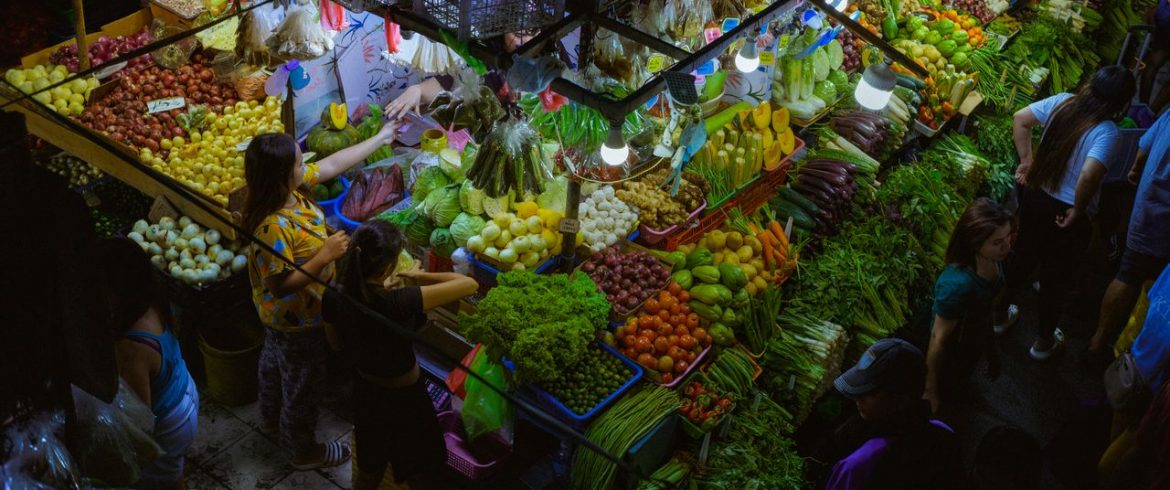
Picture a small-town café where the price of a morning coffee creeps up season after season because so many of the customers at the next table are on holiday. Nobody is doing anything wrong, yet over time the regulars find it harder to keep their usual seat. Learning how to support the local economy without changing its character as a traveler means recognizing that where you spend money while you’re away is rarely neutral. Tourism brings income that many communities genuinely rely on, and the aim of sustainable and responsible travel is to make sure that income reaches local people and strengthens the life that’s already there, rather than reshaping it around visitors. Housing costs and local prices are driven by much bigger forces than any single trip, but thoughtful choices by the people who travel still help.
What Does “Changing a Place’s Character” Actually Look Like?
A destination’s character changes when the businesses, prices, and daily rhythms that residents built stop serving them first. It rarely happens through one dramatic decision. More often it’s the result of several pressures building together: rising housing costs, investment in short-term rentals, development and planning policy, and growing visitor numbers. Tourism is one part of that picture, and the way visitors spend can either ease the pressure or add to it.
When shops and restaurants cater mainly to travelers, and owners find that renting to visitors pays better than renting to neighbors, a place can slowly become harder to live in for the people who’ve always called it home. No single traveler causes that, and no single traveler can fix it, but spending choices multiplied across thousands of trips do signal which kinds of businesses are worth running.
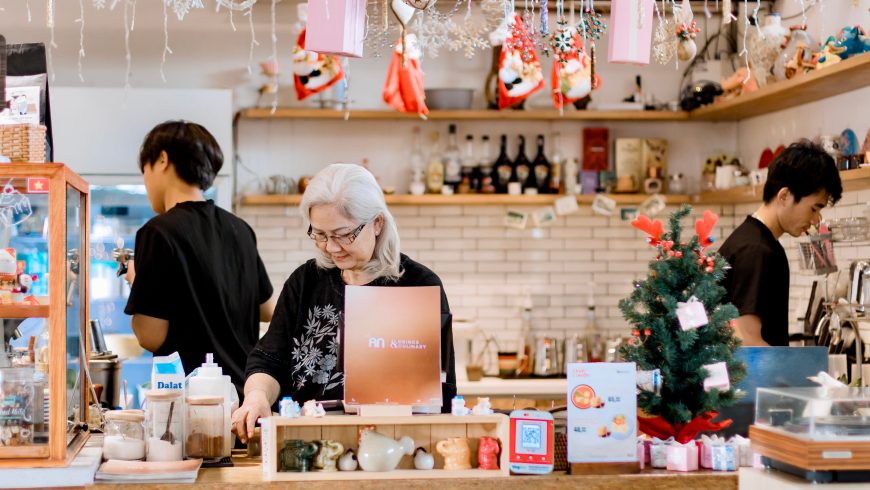
How Do You Spend Money Without Displacing the People Already There?
Supporting a community starts with directing your money toward businesses that serve residents all year round, not only during the tourist season. Anyone who has read about how to ethically move into gentrifying neighborhoods will recognize that the same principle carries over to travel: learn who a business actually serves and who benefits from your spending before assuming your patronage is automatically good for the area. A few concrete choices make the difference:
- Buy from local producers. Farmers’ markets, cooperatives, and small food and craft makers keep more of your money in the community than imported souvenirs or mass-produced goods.
- Choose independent businesses. Family-run restaurants, bakeries, and shops tend to employ local people and source locally, which keeps income circulating where it’s earned.
- Book local guides. A guide who lives in the area earns a fair income, shares knowledge no guidebook can, and can steer visitors toward places and times that can comfortably handle them.
- Stay in community-based accommodation. Locally owned guesthouses and family-run stays, including community-based accommodation where hosts and residents share directly in the benefits, are a better alternative to large-scale, investor-owned properties.
- Pay fair, listed prices rather than negotiating them down in informal markets, where small margins often matter most.
- Ask a shop owner or host what the area actually needs more of, instead of guessing.
In practice, this might mean booking a room at a family-run guesthouse instead of an entire apartment from an owner with a dozen listings, joining a walking tour led by a local guide instead of a large coach tour, and buying cheese and bread from the market stalls residents use every week. None of these choices is expensive or complicated, and together they help keep tourism money working for the community it comes from.
How to Support the Local Economy Without Changing Its Character During a Short Stay?
Short stays carry their own challenges, since visitors who cycle through quickly rarely see the cumulative effect of tourism on housing and prices. Seasonal relocation’s effect on over-tourism and housing pressure in eco-destinations plays out on a similarly compressed timeline. Large numbers of visitors arriving and leaving on a predictable seasonal schedule can add to pressure on rents and related costs for the people who live there year-round, alongside wider economic and housing factors.
Travelers can help ease that pressure by staying longer in fewer places, choosing accommodation run by people who live in the community, visiting in the shoulder seasons rather than at the peak, and spreading their spending beyond the most famous hotspots to lesser-visited neighborhoods and villages that would welcome the income.
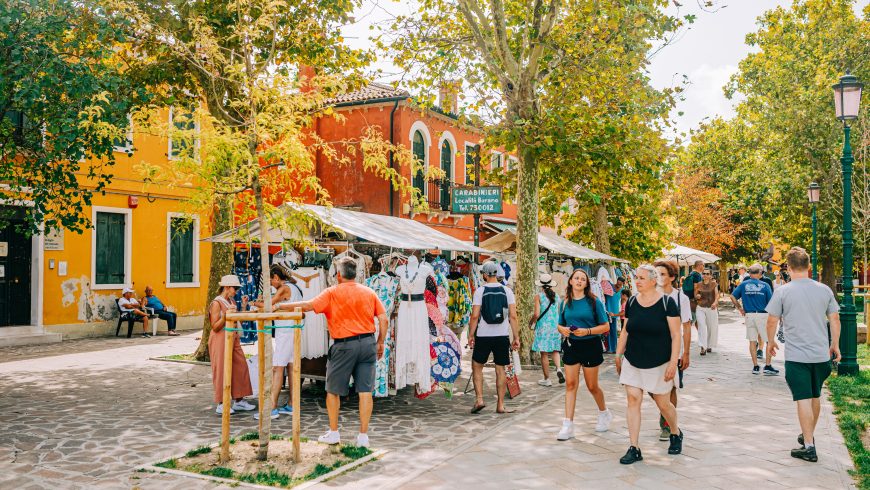
Keep the Place Worth Visiting
Learning how to support the local economy without changing its character isn’t about spending less; it’s about traveling with more attention to who actually benefits. Choose the local producer, the independent business, and the guide who knows the place because they live there. Ask questions before assuming what a community needs. And remember that a quieter, less remarkable version of a destination is often the version that’s still a good place to live for the people who call it home. The next time you’re deciding where to spend on a trip, spend like someone who hopes the place will still feel like itself when you return.
Cover image: photo by Clarence Gaspar via Pexels

Author Bio: Maya Ellison covers sustainable travel and community-conscious living, focusing on how small, everyday decisions add up to real change in the places people visit or call home. She also writes for NYC Mini Storage, helping New Yorkers navigate downsizing, moving, and making the most of limited space. Maya believes thoughtful choices, whether about a suitcase or a storage unit, are what keep both budgets and neighborhoods intact.