Escaping to the countryside is one of the most rewarding ways to travel sustainably. Whether it’s a family-run agriturismo surrounded by vineyards, a tiny house hidden in the forest, a mountain refuge, or an eco-lodge overlooking a protected natural area, rural accommodations offer something increasingly rare: space, silence, and a genuine connection with nature and local communities.
Choosing places like these often means slowing down, supporting local economies, and discovering destinations beyond the usual tourist hotspots. But it also means being prepared. Unlike city breaks, rural escapes may involve limited public transport, winding country roads, protected natural areas with restricted access, and fewer services nearby.
This is where a few simple digital tools can make a difference. Not because sustainable travel should revolve around screens, but because having access to reliable information at the right moment helps you make better choices: reaching your accommodation without unnecessary detours, staying in touch with your host, checking public transport schedules, booking access to fragile natural sites with limited visitor numbers, or finding local producers instead of large supermarket chains.
The goal isn’t to stay online all the time. In fact, one of the greatest pleasures of a countryside escape is knowing when to put your phone away. But a little preparation—and the ability to connect when you need to—can make your journey smoother, safer, and even more sustainable.
Here are six practical ways connectivity can help you enjoy rural eco-friendly accommodation while reducing your environmental impact.
1. Reach Your Accommodation Easily
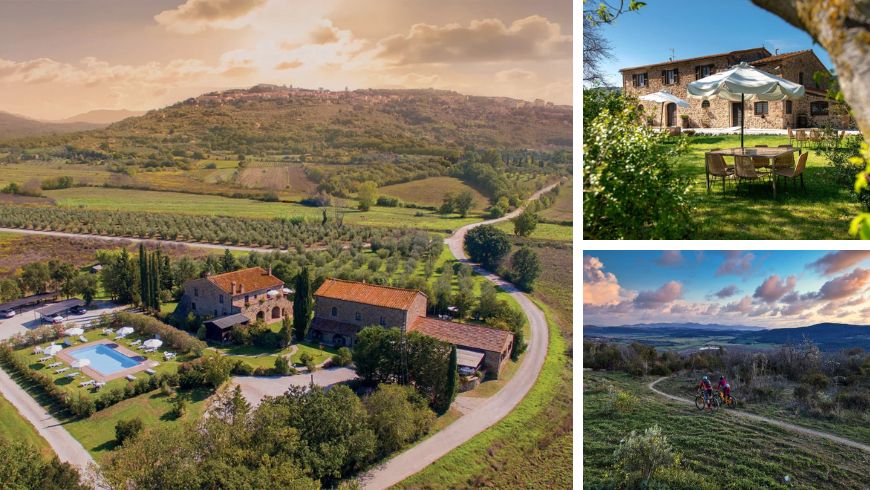
One of the greatest advantages of staying in a rural eco-friendly accommodation is that it’s often located far from crowded tourist areas. Whether you’re heading to a farmhouse in the Italian countryside, a forest cabin in Finland, or an eco-lodge near a national park, getting there can be part of the adventure.
However, rural destinations don’t always have precise street addresses, and GPS navigation may not always suggest the best route. Some accommodations are reached via country roads, hiking paths, or local roads that aren’t well signposted. Planning your journey before you leave can save time, reduce stress, and even lower your environmental impact by avoiding unnecessary detours.
Often, the final few kilometres are the most rewarding—but also the least served by public transport. A little planning can make this “last mile” much easier, whether that means arranging a transfer with your host, renting a bike at the nearest station, or simply following a scenic walking route.
Before setting off, ask your host for detailed directions. Many Ecobnb hosts are happy to provide useful information that standard navigation apps may miss, such as the nearest public transport stop, the best parking area, walking access from the train station, or seasonal road closures.
It’s also worth downloading your route in advance in case mobile coverage becomes limited along the way. Apps such as Organic Maps (an open-source offline map based on OpenStreetMap data) or Google Maps offline maps allow you to navigate even without an internet connection.
If you’re travelling by public transport, check official railway and local bus websites before departure, as rural services may run less frequently, especially on weekends or holidays. Apps such as Rome2Rio can also help you compare trains, buses, ferries and other transport options for the final stretch of your journey.
A reliable mobile connection is still useful once you’re on the move. It allows you to contact your host if you’re delayed, receive updated directions, check for unexpected road closures, or quickly find alternative transport options.
Eco Tip: Before you leave, save your accommodation’s address, directions, and your host’s contact details offline. If you’re arriving by public transport, ask about the easiest way to cover the final few kilometres.
2. Stay in Touch with Your Host

One of the advantages of choosing an eco-friendly accommodation is the opportunity to connect with local hosts who know their area better than anyone else. They can recommend hidden hiking trails, family-run restaurants, local markets, or the best time to visit nearby attractions while avoiding the crowds.
Before you leave, don’t hesitate to ask practical questions. For example:
- Is tap water safe to drink?
- What’s the easiest way to reach the property by public transport?
- Are there any nearby farmers’ markets or local food producers?
- Which hiking or cycling routes start directly from the accommodation?
- Are there refill stations for drinking water nearby?
- Are there any local festivals or events happening during my stay?
If you’ve booked through Ecobnb, you can easily contact your host using the platform’s messaging system. Once your booking is confirmed, you’ll also receive the host’s direct contact details, making it easy to communicate via WhatsApp if needed. This can be particularly helpful if you need directions, want to share your estimated arrival time, or have questions while travelling.
Keeping in touch during your journey is equally useful. If your train is delayed, a road is closed, or you expect to arrive later than planned, a quick message allows your host to adjust for your arrival and helps ensure a smooth, stress-free check-in for everyone.
Eco Tip: Ask your host for local recommendations before you arrive—from public transport and walking routes to farmers’ markets, refill stations, and places to eat locally. Their advice can help you avoid unnecessary journeys and discover lesser-known places.
3. Choose Public Transport and Shared Mobility
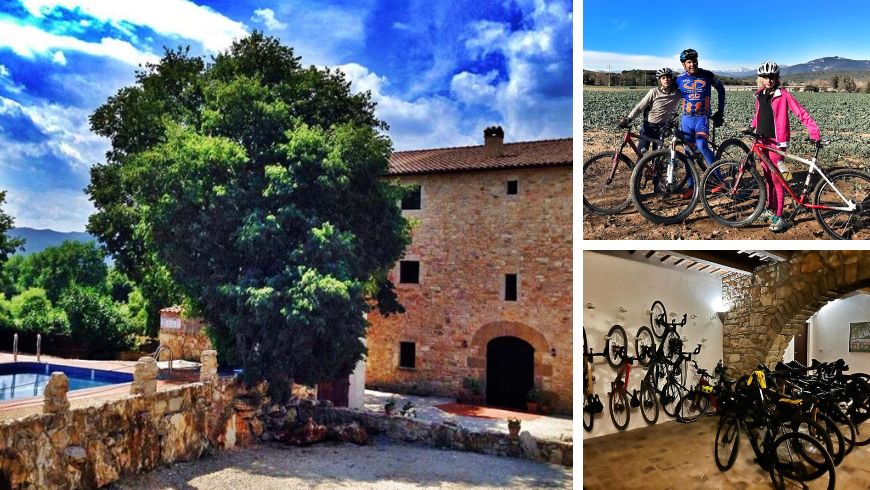
One of the easiest ways to reduce the environmental impact of your trip is to leave the car behind whenever possible. Many rural eco-friendly accommodations can be reached by train, regional buses, bicycles, or even on foot with a little planning.
Before travelling, check the official websites or apps of local transport operators, as services in rural areas may run less frequently, especially on weekends and public holidays. Journey planners such as Rome2Rio can help you compare trains, buses, ferries, and other transport options, while apps like Transit and Moovit provide real-time public transport information in many cities around the world. If you’re travelling across Europe, Trainline makes it easy to search for and book train tickets in multiple countries from a single app.
For destinations where public transport doesn’t cover the final stretch of your journey, consider shared mobility instead of renting a private car. Services such as BlaBlaCar allow travellers to share long-distance journeys, reducing both costs and emissions, while local bike-sharing schemes can be a great option for exploring nearby villages and attractions.
Many accommodations listed on Ecobnb also offer transfer services from the nearest train station or bus stop for guests arriving by public transport. If this service is available, be sure to arrange it with your host before your trip, as transfers often need to be scheduled in advance.
Once you arrive, using local buses, trains, bicycles, or shared transport allows you to reduce emissions, support sustainable mobility, and experience the destination at a slower pace. Many Ecobnb accommodations also provide bicycles, e-bikes, or shuttle services, making it even easier to explore the surrounding area without relying on a private car.
Eco Tip: Before renting a car, check whether you can reach your accommodation by train, bus, bike, or shared transport—and whether your host offers a transfer from the nearest station or stop.
4. Book Protected Areas and Timed-Entry Attractions in Advance

One of the simplest ways to travel more responsibly is to plan ahead. Many of the world’s most popular natural attractions have introduced visitor limits or timed-entry systems to protect fragile ecosystems, reduce overcrowding, and improve the visitor experience.
Booking your visit in advance doesn’t just secure your place—it also supports conservation efforts by helping park authorities and local communities manage tourism in a more sustainable way.
Before your trip, check whether your destination requires online reservations for:
- national parks and protected nature reserves;
- popular hiking trails;
- scenic viewpoints;
- caves, waterfalls, or coastal paths;
- protected beaches and islands.
Before assuming that a natural attraction is free to visit, always check its official website for current access rules. For example, access to the spectacular San Juan de Gaztelugatxe in Spain’s Basque Country requires a free online reservation during much of the year to help manage visitor numbers along its famous stone bridge and staircase. In Italy, the recently reopened Via dell’Amore in the Cinque Terre National Park also operates with limited daily admissions and advance booking to preserve one of the country’s most iconic coastal walks.
Similar systems are becoming increasingly common in protected areas around the world. Whether you’re planning to hike a famous trail, visit a sensitive wildlife habitat, or explore a popular natural landmark, taking a few minutes to check local regulations before you leave can save you time and help protect the places you’re visiting.
Many official booking websites also provide real-time updates on weather conditions, temporary trail closures, wildfire risks, or changes to visitor access. Checking these before setting off allows you to adapt your plans, avoid unnecessary journeys, and enjoy nature safely and responsibly.
Eco Tip: Before visiting a popular natural attraction, check its official website for access rules, reservations, and visitor limits. Booking ahead helps you avoid overcrowded periods and supports the protection of fragile places.
5. Find Local Markets, Refill Stations and Sustainable Businesses

Supporting local communities is one of the pillars of sustainable tourism. Instead of relying on large supermarket chains, take the opportunity to discover farmers’ markets, family-run grocery stores, artisan bakeries, farm shops, and local food producers. Not only will you enjoy fresher, seasonal products, but you’ll also help support the local economy while reducing the environmental impact of long supply chains.
A few digital tools can help you make more sustainable choices along the way. HappyCow is an excellent resource for finding vegetarian, vegan, and sustainability-minded restaurants around the world. The Refill app helps you locate places where you can refill your reusable water bottle, making it easy to avoid single-use plastic bottles. If your itinerary includes towns or cities, Too Good To Go lets you purchase surplus food from local cafés, bakeries, and restaurants at reduced prices, helping to cut food waste while supporting local businesses.
Many destinations also have their own online maps or tourism websites featuring weekly farmers’ markets, organic farms, wineries, artisan workshops, community-supported agriculture (CSA) initiatives, and zero-waste shops. Spending a few minutes exploring these resources before your trip can lead you to authentic experiences that many visitors never discover.
When shopping for food, try to choose seasonal and locally produced ingredients whenever possible. Fresh fruit and vegetables from nearby farms, locally made cheese, honey, olive oil, bread, or preserves usually have a much smaller environmental footprint than imported products—and they’re often among the highlights of travelling.
Finally, don’t underestimate your host’s local knowledge. Ask where residents shop, which restaurants cook with seasonal ingredients, where to buy regional specialties directly from producers, or whether there are food festivals or weekly markets taking place during your stay. Hosts often know hidden gems that don’t appear in guidebooks or travel apps, making your experience both more authentic and more sustainable.
Eco Tip: Choose local and seasonal products whenever possible, carry a reusable water bottle, and use refill points, local markets, and small businesses instead of relying on disposable products and large chains.
6. Explore Nature Safely with Offline Maps and Weather Updates

One of the greatest rewards of staying in a rural eco-friendly accommodation is the opportunity to immerse yourself in nature. Whether you’re hiking through a national park, cycling along quiet country roads, birdwatching at sunrise, or wandering through picturesque villages, a little preparation will help you enjoy the experience safely while protecting the environment.
Before heading out, download offline maps so you can continue navigating even if mobile coverage disappears. Organic Maps is an excellent open-source app based on OpenStreetMap data, offering detailed maps for hiking, cycling, and walking without requiring an internet connection. If you’re planning longer outdoor adventures, Komoot provides curated hiking and cycling routes, elevation profiles, estimated timings, and tips shared by other outdoor enthusiasts. Remember that offline maps are also useful for saving battery life and reducing unnecessary data usage.
Technology can also help you appreciate nature more deeply without disturbing it. Merlin Bird ID, developed by the Cornell Lab of Ornithology, identifies birds by their songs or appearance, making birdwatching accessible even for beginners. PlantNet allows you to identify wild plants simply by taking a photo, while PeakVisor uses your phone’s camera to recognize mountain peaks and display their names and elevations in real time. These apps encourage curiosity and environmental awareness without removing flowers, collecting plants, or disturbing wildlife.
Before leaving your accommodation, always check the local weather forecast, especially in mountain, coastal, or forest areas where conditions can change rapidly. It’s also worth visiting the official website or app of the national park or protected area you’re planning to explore. Many park authorities publish real-time updates on trail closures, wildfire risks, wildlife protection measures, temporary access restrictions, or maintenance work. A quick check before setting off can help you choose a safer route while avoiding unnecessary travel to areas that are temporarily closed.
Responsible travel means respecting nature as much as enjoying it. Stay on marked trails, keep a safe distance from wildlife, take all your litter back with you, and follow local conservation guidelines. Small actions like these help preserve fragile ecosystems and ensure that future visitors can enjoy the same landscapes and biodiversity.
Eco Tip: Download your maps before setting off, check the weather and local trail updates, and follow marked routes and access restrictions. A little preparation helps you explore safely while protecting nature.
Travel Smarter, Leave a Lighter Footprint

Digital tools should make sustainable choices easier, not keep us glued to our screens. A few minutes spent checking transport schedules, downloading maps, booking protected areas, or finding local businesses can make a real difference once you arrive.
The rest is up to you: walk a little further, take the local bus, refill your bottle, buy from a nearby producer, follow the trail, and take the time to enjoy the landscape around you.
The best use of technology in sustainable travel may simply be knowing when you no longer need it.
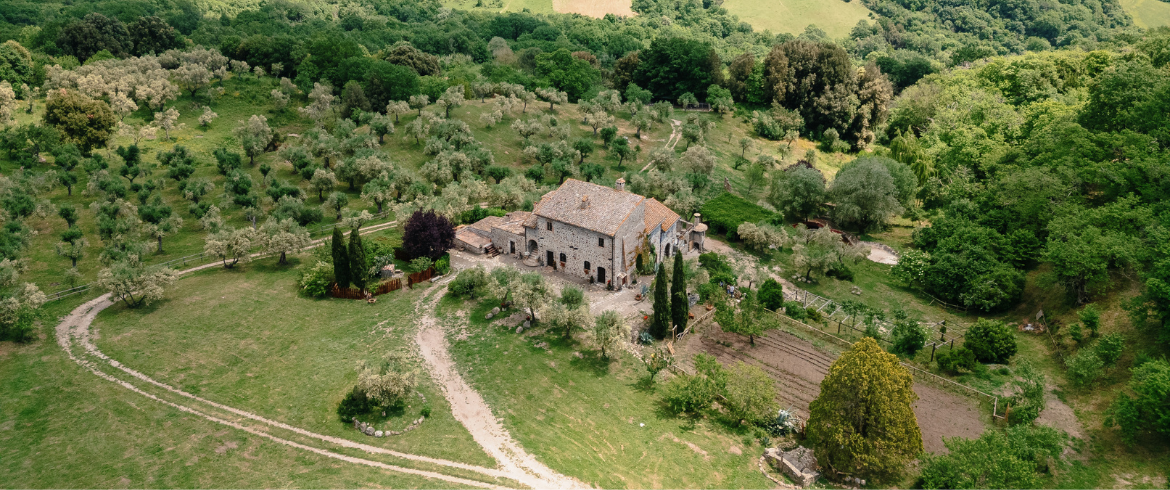
Cover image: Ottava Goccia Country House, Tolfa Mountain, Rome, Italy