
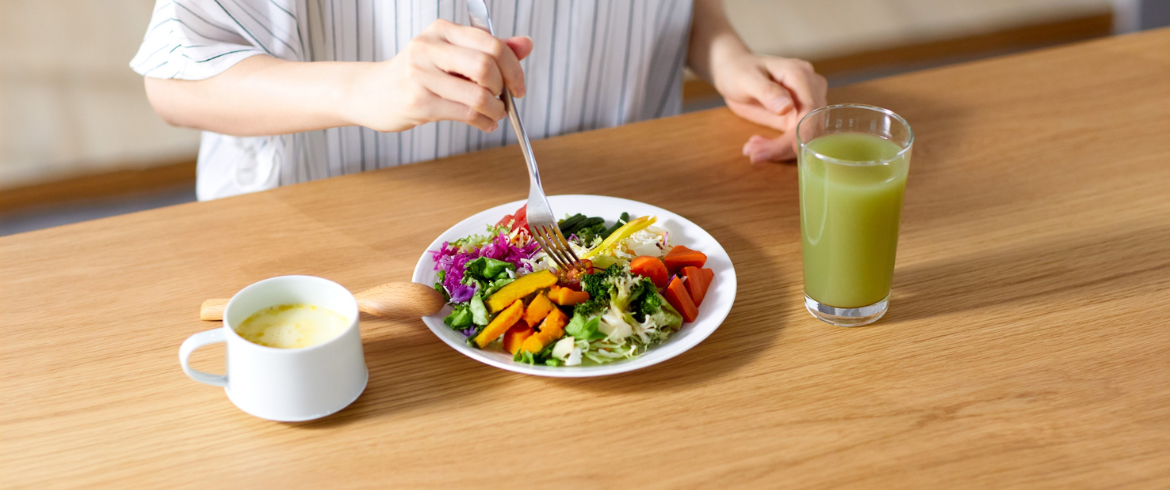
When it comes to losing weight, people often think only about calories and restrictions. In reality, our bodies have sophisticated natural mechanisms that regulate hunger and fullness. Certain foods, especially plant-based ones that are rich in fiber and minimally processed, can support these processes and help us eat in a more balanced way.
The good news? Many of these foods are already part of a sustainable diet, rich in local, seasonal, and plant-based products—a choice that benefits both our health and the Planet!
The Role of GLP-1: The Satiety Hormone

Have you ever noticed that after some meals you feel full for hours, while after others you’re hungry again almost immediately?
One explanation lies in GLP-1 (Glucagon-Like Peptide-1), a hormone naturally produced by the intestine during digestion.
GLP-1 plays several important roles:
- increases the feeling of fullness;
- slows stomach emptying;
- helps keep blood sugar levels more stable after meals;
- communicates with the brain to reduce appetite.
In recent years, this hormone has become widely known because some medications for diabetes and obesity mimic its effects. However, a healthy diet can also naturally encourage its release.
How to Naturally Promote Satiety
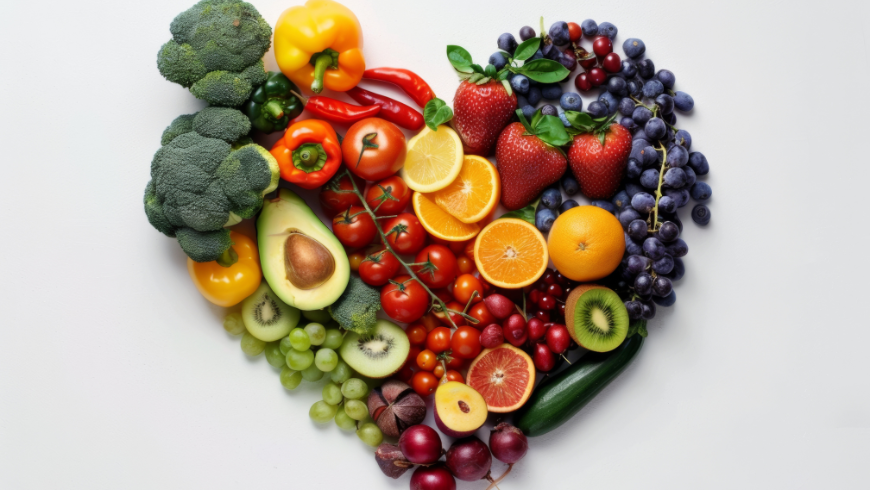
There are no miracle foods, but some foods stimulate the production of GLP-1 more effectively thanks to their content of fiber, plant proteins, and bioactive compounds.
The result is a longer-lasting feeling of fullness, which can help reduce unnecessary snacking and better control hunger throughout the day.
Your mood can benefit too: meals rich in fiber help prevent sudden blood sugar spikes and crashes, which are often associated with tiredness and irritability.
Fiber and Plant Proteins: The Allies of Satiety
Soluble fiber slows digestion and the absorption of nutrients, while proteins increase the feeling of fullness.
For this reason, a diet rich in legumes, vegetables, whole grains, and fruit often helps you stay full longer than one based on refined sugars and ultra-processed foods.
Foods That Naturally Help You Feel Fuller
The stars of this natural process are soluble fiber and high-quality plant proteins.
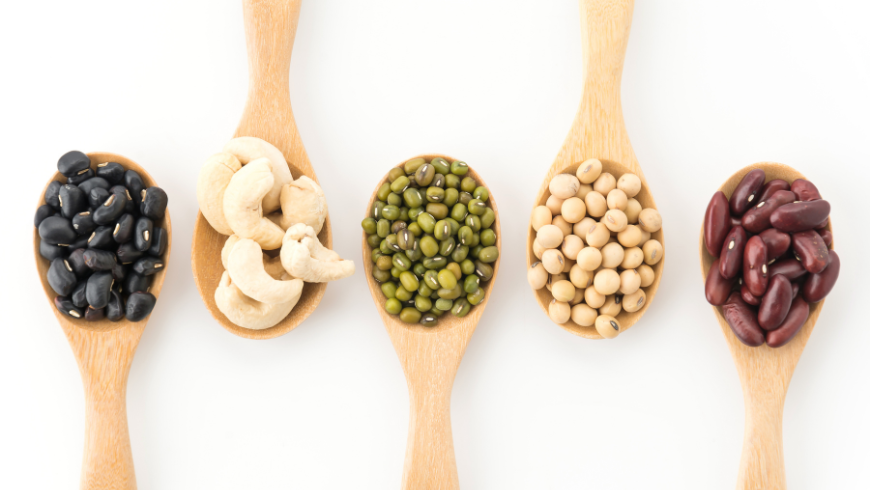
Legumes: Lentils, Chickpeas, and Beans
Lentils, chickpeas, and beans are among the most complete foods in the Mediterranean diet.
Thanks to their high content of fiber, plant protein, and resistant starch, they promote slower digestion and help maintain a lasting feeling of fullness for several hours.
They are also among the protein sources with the lowest environmental impact, making them perfect for a sustainable diet.
Extra Virgin Olive Oil
Extra virgin olive oil is one of the cornerstones of the Mediterranean diet.
Oleic acid, its main monounsaturated fat, promotes the production of molecules involved in appetite regulation. For this reason, adding a drizzle of extra virgin olive oil to vegetables and whole grains not only enhances their flavor but also helps make your meal more balanced and satisfying.
Broccoli, Cauliflower, and Arugula
Cruciferous vegetables are extremely rich in fiber and require thorough chewing.
This naturally slows down eating and digestion, prolonging the feeling of fullness and helping improve appetite control.
They are also excellent sources of vitamins, minerals, and antioxidant compounds.
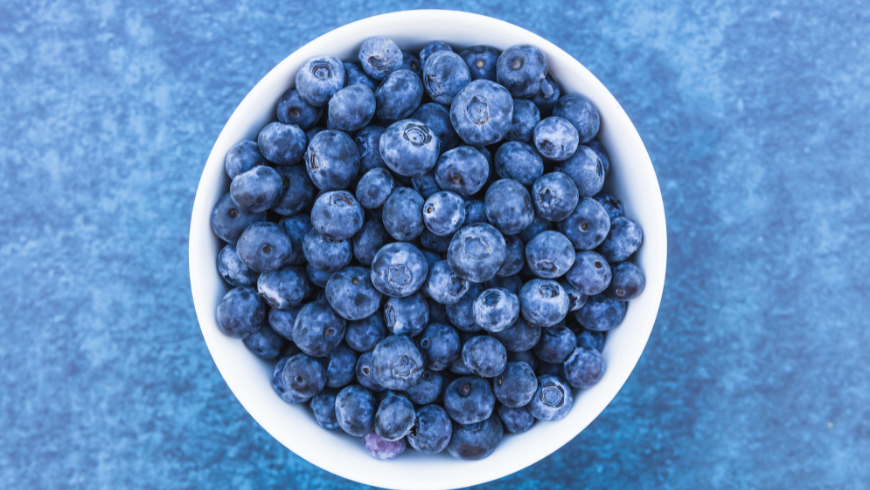
Blueberries and Raspberries
These small berries combine fiber and polyphenols, plant compounds that may positively support metabolism and gut health.
When eaten regularly as part of a balanced diet, they make a nutritious and satisfying snack.
Greek Yogurt and Kefir
Plain Greek yogurt and kefir provide high-quality protein that helps increase feelings of fullness.
Kefir also contains live cultures that can help support a balanced gut microbiome, an area increasingly studied for its role in regulating metabolism and appetite.
Thanks to the combined action of polyphenols and soluble fiber, the production of the GLP-1 hormone receives an extra boost. Not only is more of this satiety hormone released, but it may also remain active for longer, extending the feeling of fullness.
Sustainable Eating: A Choice That Benefits the Planet Too
Eating well also means choosing foods that respect the environment.
Legumes, seasonal vegetables, whole grains, local fruit, and extra virgin olive oil form the foundation of a Mediterranean-style diet, rich in nutrients and with a significantly lower environmental footprint than diets based on ultra-processed foods and large amounts of animal protein.
Choosing organic products, as well as local and seasonal foods, supports biodiversity-friendly agriculture, reduces emissions linked to transportation, and helps promote local producers.
Nature already provides many of the tools we need to take care of our well-being. Learning to listen to our bodies and choosing simple, wholesome, and sustainable foods is one of the most effective ways to feel better every day.
What about you? Have you already included these foods in your daily diet?
Cover photo source: Canva Pro


