
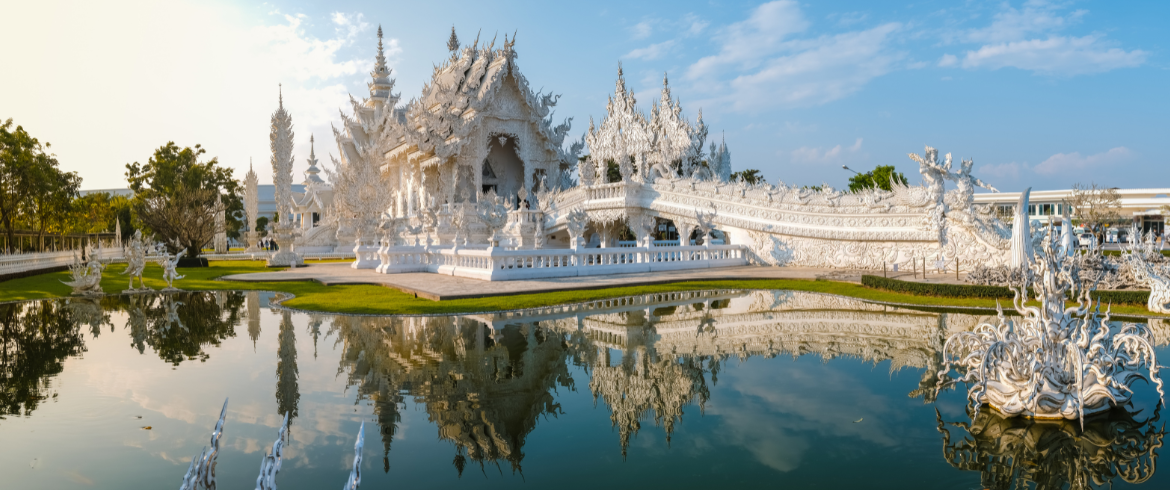
Chiang Mai, in northern Thailand, is one of Southeast Asia’s most inspiring destinations for travelers looking for an eco conscious travel. Surrounded by mountains, ancient temples and fertile valleys, the city invites visitors to slow down and travel with intention. This article will explore eco friendly travel guide to Chiang Mai.
Beyond its famous landmarks, Chiang Mai stands out for its strong community spirit, creative energy and growing commitment to sustainable tourism. There, conscious travel is not a trend. It is part of everyday life.
In this eco friendly travel guide to Chiang Mai, we explore meaningful experiences that connect culture, community and nature.
Places to Visit: Culture, Creativity and Slow Travel
Local Markets and Creative Communities
Chiang Mai’s cultural life thrives beyond the main tourist routes. Places such as One Nimman have become creative hubs where local designers, artists, cafés and small businesses come together. Visiting these spaces supports local entrepreneurship and offers a window into contemporary northern Thai culture.
Artisan villages and creative communities also play an important role in preserving traditional crafts. Places like Baan Kang Wat and Charm Chao showcase handmade ceramics, textiles and artwork, helping sustain cultural heritage and local livelihoods.
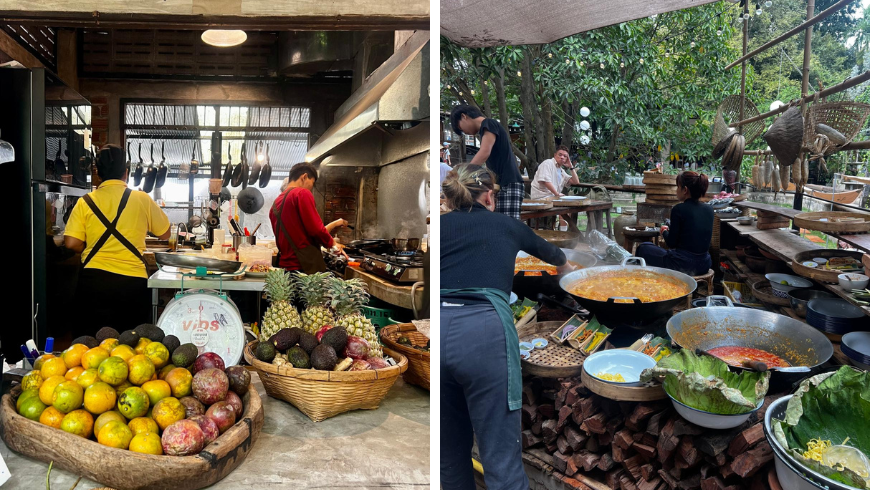
Temples and Spiritual Places Surrounded by Nature
For a quieter and more mindful spiritual experience, temples such as Wat Umong and Wat Pha Lat offer peaceful alternatives to crowded sites. Hidden in forested areas and connected by walking paths, they invite visitors to slow down, reflect and experience spirituality in harmony with nature.
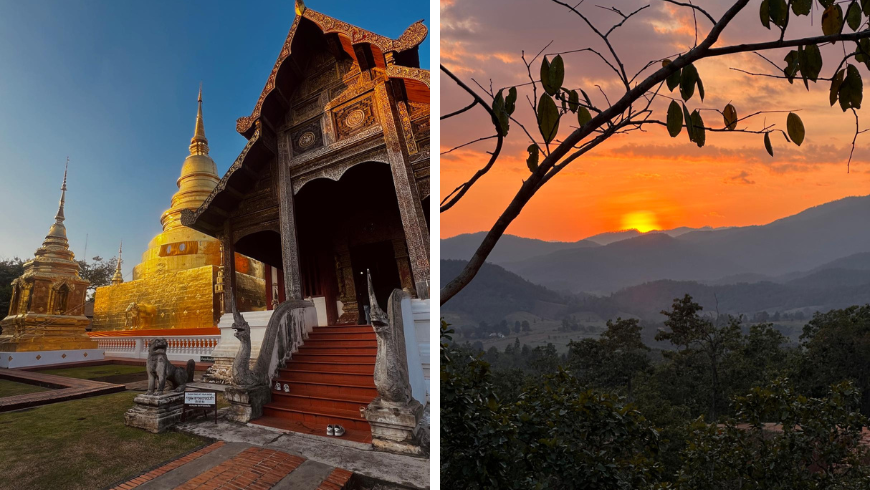
Cities and Landscapes Around Chiang Mai
Slow travel is especially rewarding beyond the city itself. Exploring nearby destinations allows travelers to experience northern Thailand at a gentler pace and connect more deeply with local culture and nature.
Chiang Rai offers a calmer atmosphere, traditional villages and unique temples, making it a meaningful extension of a slow journey in the north. Pai, surrounded by mountains, hot springs and waterfalls, is known for its relaxed rhythm and strong connection to nature. Both destinations encourage longer stays and a more conscious way of traveling.
Walking through small streets, stopping at family run shops and observing daily life in these places helps travelers move beyond landmarks and build a deeper cultural connection.
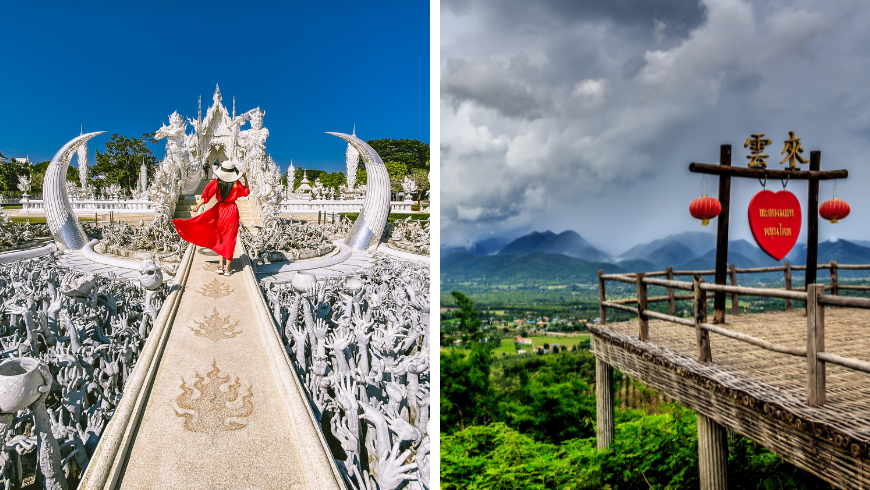
Socially Minded Cafés Supporting Local Communities
Chiang Mai’s café culture goes far beyond excellent coffee. Many cafés actively support social inclusion, education and ethical supply chains, making them meaningful stops for responsible travelers.
Akha Ama Coffee, for example, works directly with ethnic minority farmers, ensuring fair prices and sustainable income for coffee-growing communities in northern Thailand. Free Bird Café reinvests its profits into education and support programs for refugees and migrants from Myanmar, while promoting zero-waste practices.
Other inspiring spaces include Bay’s Café by FolkCharm, connected to a social enterprise empowering rural women through traditional crafts and regenerative agriculture, and Café de Sot, which partners with a local school for the deaf to provide inclusive job opportunities and vocational training.
Choosing socially responsible cafés transforms a simple coffee break into a small act of positive change.
Taste Northern Thailand: Local Dishes to Try in Chiang Mai
Exploring Chiang Mai also means discovering the flavors of northern Thailand, which differ from the cuisine found in Bangkok or the south.
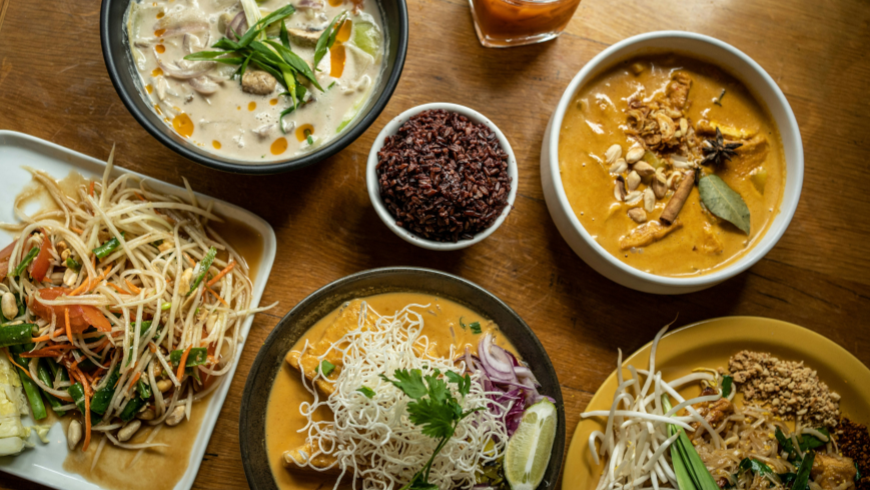
One of the most iconic dishes is Khao Soi, a rich curry noodle soup made with coconut milk, egg noodles and crispy noodles on top, usually served with chicken or tofu. It reflects the region’s cultural influences and is best enjoyed at small, family-run eateries.
Other local specialties include Sai Ua, a fragrant northern Thai sausage seasoned with herbs and spices, and Nam Prik Noom, a roasted green chili dip served with fresh vegetables and sticky rice. Eating locally helps preserve culinary traditions and supports small businesses.
Nature and Parks Around Chiang Mai
Nature is never far from the city, and Chiang Mai offers easy access to green spaces amazing for hikes and that encourage respectful exploration. Doi Suthep–Pui National Park features forest trails, viewpoints and culturally important sites, reminding visitors of the close connection between nature and spirituality.
The Queen Sirikit Botanic Garden is a leading center for biodiversity conservation and environmental education. Its walking paths and glasshouses highlight Thailand’s rich plant life and the importance of protecting ecosystems.
Just outside the city, the Bua Tong Sticky Waterfalls offer a unique outdoor experience. Visiting early in the morning or during off-peak hours helps reduce pressure on the site and protects its fragile environment.
Mountain areas such as Chiang Dao are ideal for eco-tourism, with cooler climates, hiking opportunities and a slower rhythm of life. Further north, Pai is a popular stop for slow travelers, offering scenic landscapes, hot springs and a relaxed atmosphere deeply connected to nature.
Choosing Eco-Friendly Accommodation in Chiang Mai
Where you stay plays a key role in responsible travel. Chiang Mai offers a growing number of eco-friendly accommodations focused on renewable energy, waste reduction and sustainable design.
Many also support local communities through fair employment, partnerships with nearby farms and collaboration with local guides and artisans. Staying slightly outside the city center often allows closer contact with nature while remaining accessible. Platforms like Ecobnb help travelers find stays aligned with conscious travel values.
When to Visit Chiang Mai for a More Conscious Experience
Choosing the right time to visit Chiang Mai helps reduce pressure on the city and improves the travel experience. The cool and dry season from November to February offers pleasant temperatures and clear skies, but it is also the busiest time of the year. November is especially popular because of the Yi Peng Lantern Festival, when thousands of lanterns light up the sky.
Travelers looking for a quieter and more responsible experience may prefer the shoulder months of October and March, when the weather is still comfortable and crowds are smaller.
It is also important to avoid and be aware of the burning season, which usually takes place between February and April. During this period, agricultural burning in northern Thailand can cause poor air quality, affecting both local communities and visitors. Avoiding these months helps protect your health and reduces the impact of tourism during a challenging time for the region.
The green season, from May to September, brings lush landscapes, fewer tourists and a slower pace of life. Occasional rain is balanced by fresh air, vibrant nature and a more relaxed atmosphere, making it a great option for eco conscious travelers.

Conclusion
This eco friendly travel guide to Chiang Mai shows how small choices can create meaningful impact for local communities and nature.
Chiang Mai is a place where culture, nature and community meet naturally. By embracing slow travel, supporting socially responsible businesses and choosing eco-friendly accommodation, travelers can experience the city while contributing to a more sustainable future.
Traveling with purpose in Chiang Mai means making thoughtful choices — and leaving a positive impact on the people and places that make the city so special.