
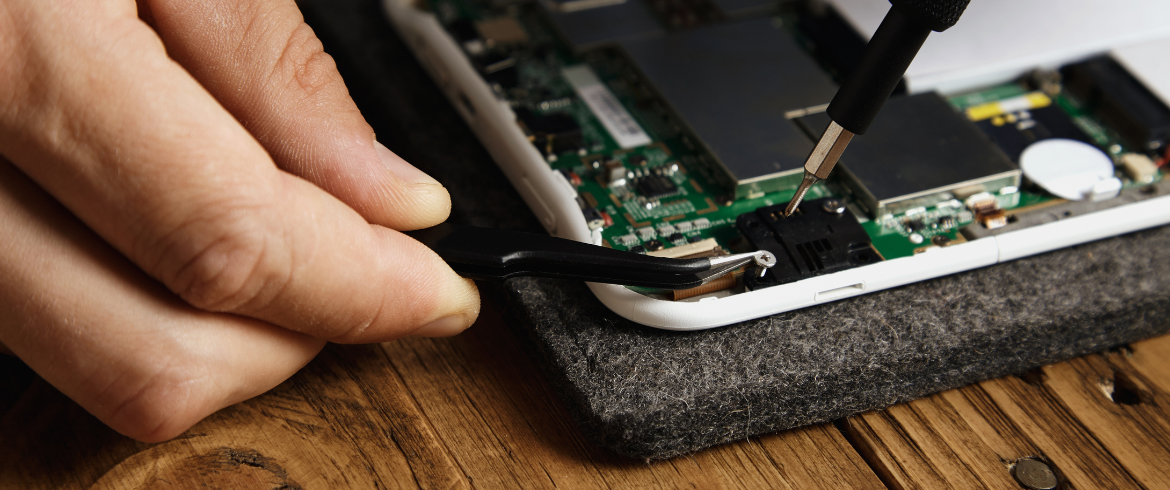
How often have we given up on repairing a household appliance or an electronic device because the repair was too expensive, spare parts were unavailable, or we couldn’t find a technician?
The European Union wants to change this. Under the new Right to Repair rules, repairing products is set to become easier and more affordable, helping extend their lifespan and reduce waste.
Italy has also transposed the new rules into national law through Legislative Decree No. 176 of 25 September 2026, which entered into force on 22 October 2026. Let’s take a look at what this means for consumers, what manufacturers are required to do, and why repairing rather than replacing products is an important choice for the environment.
Beyond Throwaway Culture: What the EU’s New Right to Repair Rules Mean
31 July 2026 was the deadline for EU Member States to transpose Directive (EU) 2024/1799, known as the Right to Repair Directive, into national law. Italy has completed this process with Legislative Decree No. 176 of 2026, introducing new provisions into its Consumer Code.
Why the EU Wants to Make Repairing Easier
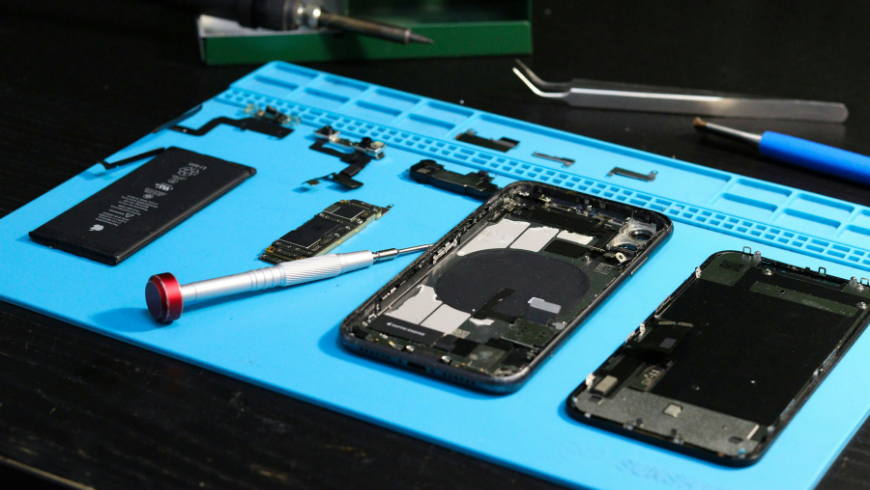
The aim of EU Directive 2024/1799 is to make repairing products easier and more affordable than replacing them. The legislation seeks to reduce waste, extend the useful life of products and encourage a more circular approach to consumption.
One of the issues it addresses is planned obsolescence: the practice of designing or marketing products with an intentionally limited lifespan, or making them particularly difficult or expensive to repair. As a result, consumers may feel compelled to buy new products even when the ones they already own could still be used.
Why Repairing Is Better for the Environment
Frequently replacing household appliances, smartphones, and other electronic devices leads to greater consumption of raw materials, energy, and natural resources. It also generates growing amounts of waste, including electronic waste, which requires specific collection and treatment processes.
Repairing an item and continuing to use it helps extend its lifespan, reducing the need to manufacture new products and cutting down on waste. This is one of the fundamental principles of the circular economy: making better use of what we already own, recovering resources and reducing the amount of materials that end up as waste.
Right to Repair: What Changes for Consumers and Businesses?

One of the main changes is the obligation for manufacturers to repair certain products at the consumer’s request, including when a fault occurs after the seller’s legal liability period has expired.
Repairs must be carried out free of charge or at a reasonable price and within a reasonable time. Manufacturers can also outsource repair work to independent service providers rather than handling every repair themselves.
Manufacturers must also provide easily accessible information about their repair services and ensure the availability of spare parts and technical information for the periods established by the relevant EU regulations.
While a product is being repaired, the manufacturer may also offer the consumer a replacement, which can be a refurbished product, to be returned once the repair is complete.
What Happens When a Product Cannot Be Repaired?
Not every product can be repaired. The legislation recognises this and does not require manufacturers to carry out repairs when they are technically impossible.
In such cases, the manufacturer may offer the consumer a refurbished product as an alternative. Manufacturers can also outsource repairs to third parties when the work is possible but is not carried out directly by their own technicians.
Which Products Are Covered by the Right to Repair?

The Right to Repair applies to specific categories of products for which EU legislation already establishes repairability requirements. It does not introduce a general obligation to repair every consumer product.
Products covered include, for example:
- smartphones and tablets;
- washing machines and washer-dryers;
- dishwashers;
- refrigerators and other refrigeration appliances;
- vacuum cleaners;
- electronic displays and televisions.
For these product categories, manufacturers must comply with the repair obligations and technical requirements set out in the relevant EU regulations. Spare parts must be made available under the conditions and for the periods established by the applicable rules.
The directive also prevents manufacturers from introducing unjustified barriers to repair. For example, they cannot use technological or contractual restrictions to prevent the use of compatible or second-hand spare parts, or parts made using 3D printing, provided that applicable safety requirements and regulations are respected.
Who Can Carry Out Repairs?
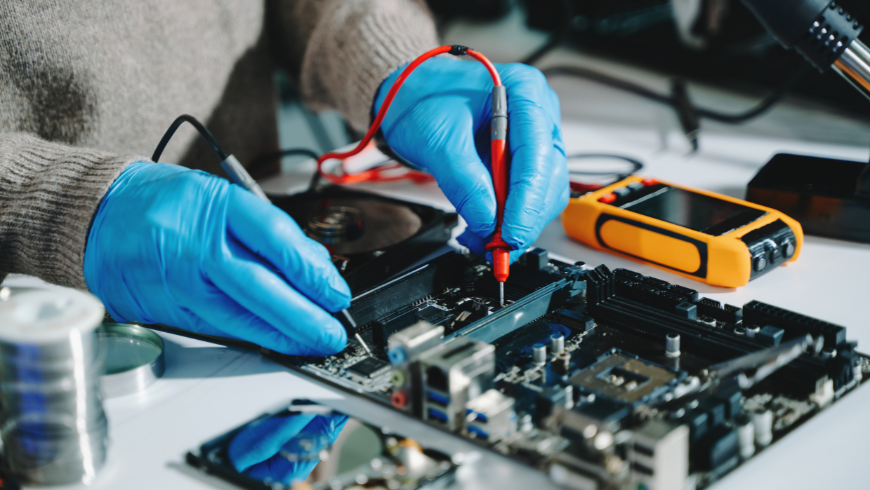
One of the most interesting changes concerns the role of independent repairers. The new rules aim to make it easier for consumers to turn to external technicians and repair workshops, preventing manufacturers from unjustifiably obstructing repair work.
In particular, manufacturers cannot refuse a repair simply because a product has previously been repaired by an independent technician. Nor can they use technological tools or contractual clauses to unjustifiably prevent the use of compatible spare parts or alternative repair solutions.
Of course, restrictions remain possible when they are justified by genuine safety concerns or objective technical incompatibilities. The aim is to make products easier to repair without compromising their safety or proper functioning.
What’s Next? A European Platform to Help Consumers Find Repairers
Another important development will be the creation of a European online repair platform. Its purpose is to help consumers find repair professionals, sellers of refurbished products, buyers of defective goods intended for refurbishment, and community-based repair initiatives more easily.
The European Commission must develop the common online interface by 31 July 2027. By the same date, national platforms must also be operational, or existing platforms must be connected to the European interface, provided they meet the requirements set out in the directive.
The legislation also introduces a European Repair Information Form, which repairers can provide to consumers free of charge. This document clearly sets out the terms of the repair, its price or how it will be calculated, the expected timeframe, whether a replacement product is available and any additional services offered.
In Italy, a National Observatory on Repair has also been established. Its role is to promote a culture of repair, monitor the implementation of the new rules and encourage greater awareness of repair-related issues.
Stronger Consumer Protection: What Changes with the Legal Guarantee?
The new provisions also strengthen some of the protections already provided for under consumer law. It is important to distinguish between the Right to Repair and the legal guarantee: they are two different mechanisms that apply in different circumstances.
When a product has a lack of conformity covered by the legal guarantee, consumers can choose, subject to the conditions established by law, between repair and replacement. In this case, the seller is responsible for bringing the product back into conformity.
One particularly interesting change introduced by Italy’s implementation of the directive is that when consumers choose repair as a remedy during the legal guarantee period, the seller’s liability period is extended once by 12 months.
Once the seller’s liability period has expired, the new Right to Repair comes into play, allowing consumers to request repairs directly from manufacturers for the products covered by the European rules.
How Can We Help Reduce Waste?
The new European rules are an important step forward, but the transition towards a more circular economy also depends on our everyday habits.
We can all contribute by choosing durable, repairable products, checking whether spare parts are available, turning to local repair professionals and choosing refurbished products whenever possible.
These choices also make a difference in the tourism and hospitality sector. Restoring and repairing furniture, equipment and household appliances instead of replacing them helps reduce waste and make better use of resources.
Above all, we can rethink the way we shop. Before buying something new, let’s ask ourselves whether we really need it. Because reducing waste isn’t just about recycling more effectively: it’s also about learning to make better use of what we already own.
Find out more by consulting the official texts and information on the new legislation:
- The Right to Repair
- Directive (EU) 2024/1799 on the Right to Repair – EUR-Lex.
- Italian Legislative Decree No. 176 of 25 September 2026 – Normattiva.
Cover image: photo via Canva Pro


