
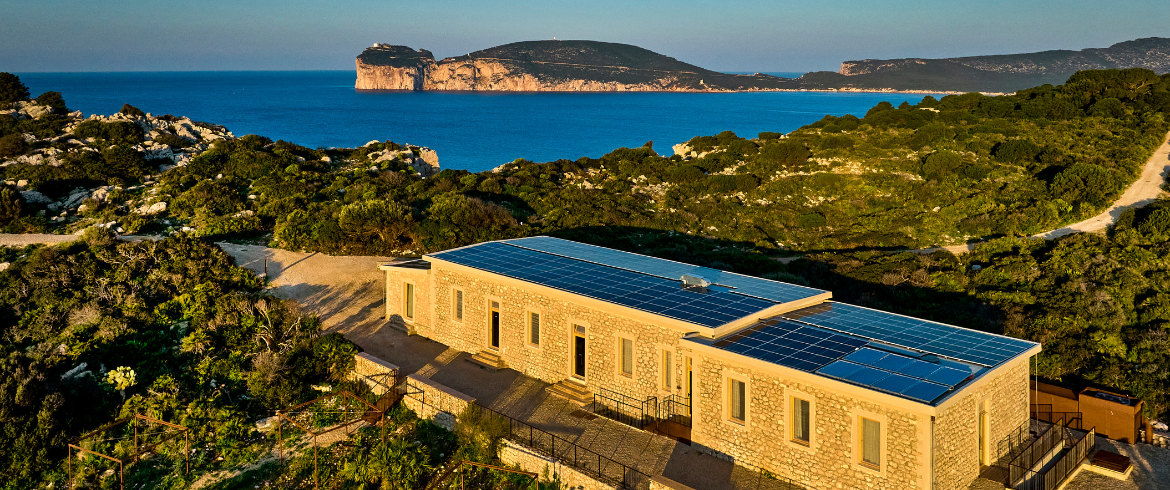
Doris tells the story of Rifugio di Mare and its connection with the local area, through nature, history and the traditions of Porto Conte Park
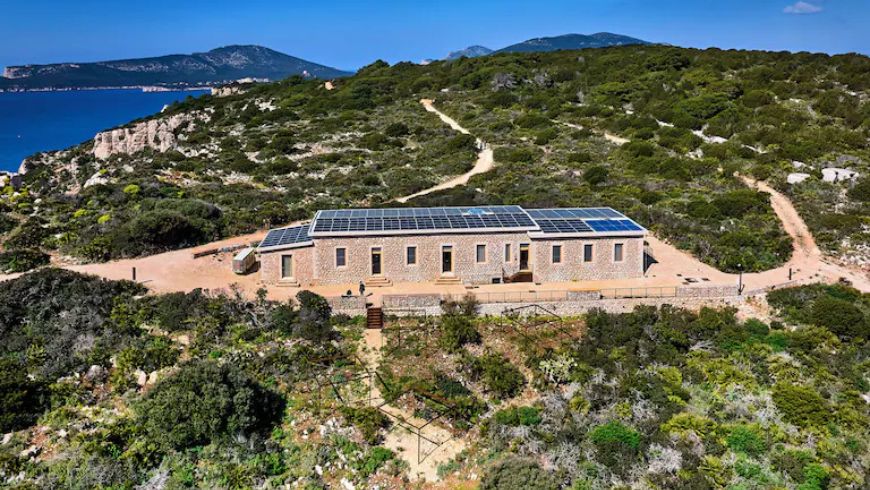
There are places where simply arriving is enough to feel that something changes. The noise of everyday life fades away, the air is filled with the scent of Mediterranean scrub and your gaze opens up to the sea. This is what happens at Rifugio di Mare, near Alghero, in the heart of Porto Conte Regional Natural Park, where a former World War II military battery has been given a new lease of life as a welcoming retreat surrounded by nature.
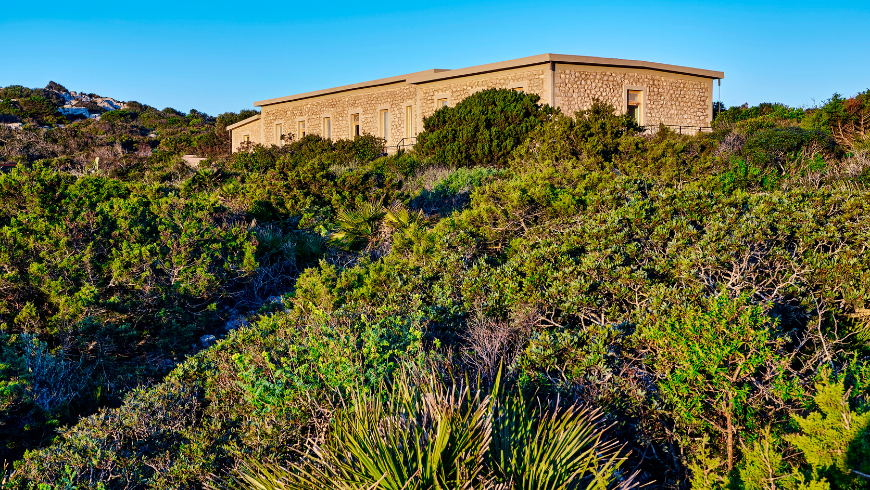
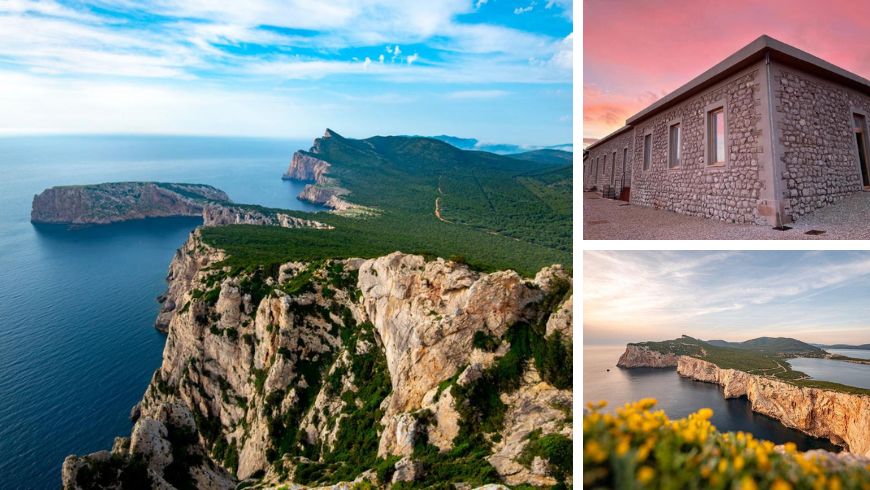
Here, the landscape is an integral part of the experience. Trails wind through Mediterranean vegetation and along the cliffs, the sea accompanies your days, and the sunsets over north-western Sardinia offer a different spectacle every evening.
But Rifugio di Mare is also a story of restoration, of challenges faced to protect a historical and natural heritage, and of an approach to hospitality that puts human connections, local flavours and respect for natural resources at its heart.
We spoke with Doris to discover how the project began, what makes this place special and what experiences await visitors wishing to explore a side of Sardinia that goes far beyond its beaches.
From historic military buildings to a nature retreat
How did the Rifugio di Mare project come about? What inspired you to transform a former military outpost into a place dedicated to hospitality and connecting with nature?
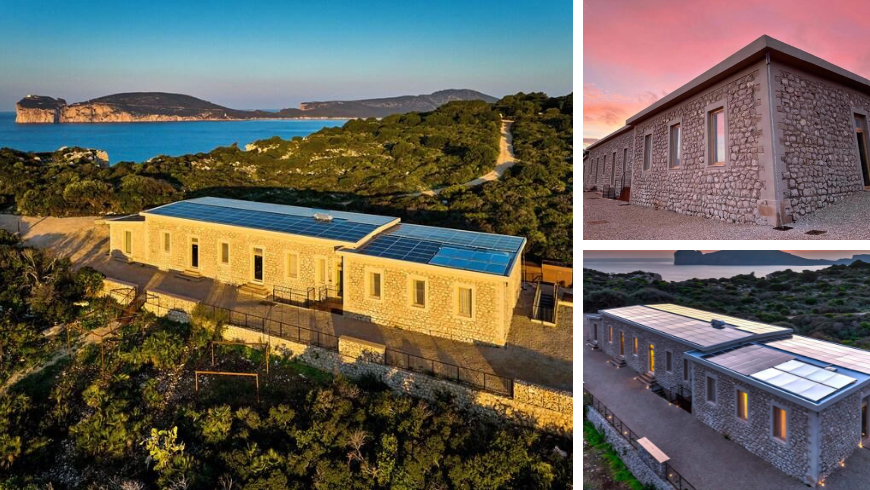
It all started more or less by chance. We were searching online for calls for proposals and opportunities that might allow us to start a business in a place with certain characteristics: surrounded by nature, with opportunities for outdoor sports and activities nearby. That’s when we came across the Cammini e Percorsi (Paths and Routes) tender launched by the Italian State Property Agency. Among the available properties, this former military battery, abandoned for decades, immediately caught our eye. We literally fell in love with it during our first visit. The type of building, the landscape – everything matched exactly the idea we had in mind. So we decided to submit a proposal, which was ultimately selected as the most suitable bid for the award of the property.
What were the main challenges and most important decisions involved in transforming this place while respecting its history and landscape?
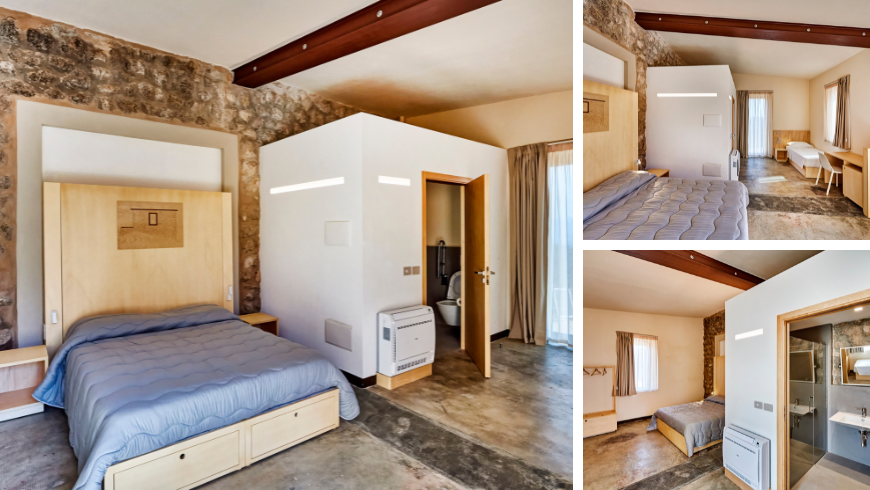
The former military battery that now houses Rifugio di Mare is a historic building protected by the Heritage Authority, and it is also located within a Regional Park. The restrictions were a real challenge, especially at the beginning, when different authorities sometimes gave us conflicting guidance. There were several moments when we felt lost. Fortunately, over time, we managed to find solutions that safeguarded both the environmental and historical-cultural heritage of the site. It was a delicate balance, and we won’t deny that restoring the buildings entrusted to us was a difficult undertaking. But we firmly believe that such restrictions are necessary when dealing with a heritage site of this importance.
A place to rediscover a sense of wonder
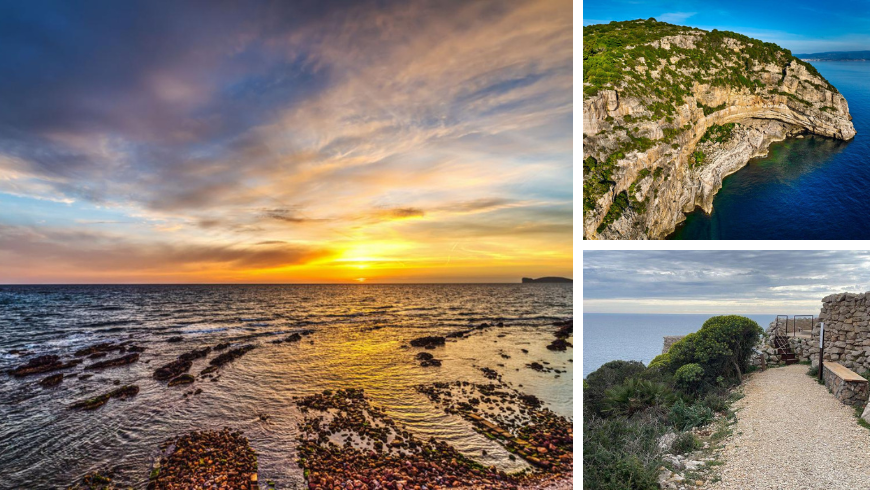
Rifugio di Mare enjoys a unique setting, surrounded by nature and overlooking the sea. What aspects of this environment make the guest experience so special? And what do visitors appreciate most during their stay?
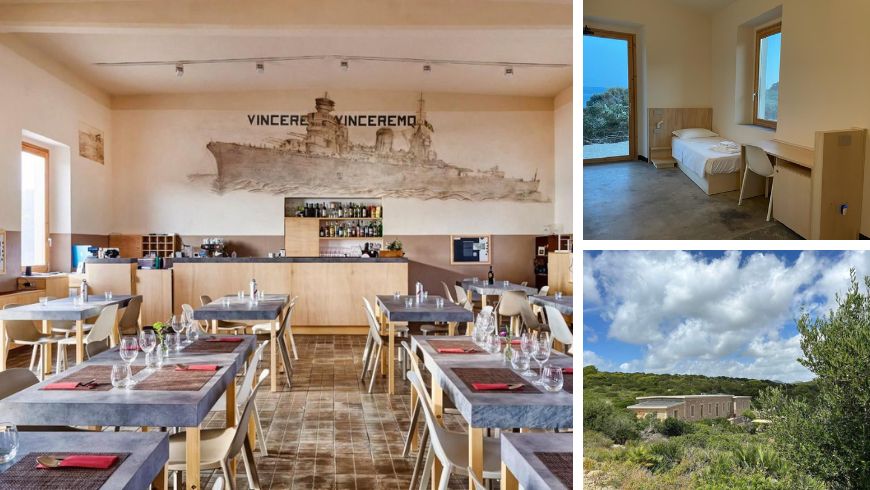
Simply not being able to drive right up to the property makes this place feel like somewhere else entirely. It’s as if, along with their vehicles, guests also leave behind the hurried pace of everyday life, stress and work in the car park. They rediscover a sense of wonder and connection with their surroundings. This even applies to those of us who have been working here for years!
What guests appreciate most varies from person to person, but some of the impressions we hear about most often are sensory ones: the scent of Mediterranean scrubland, the sound of waves breaking against the cliffs, the call of an unfamiliar bird, the night sky and the Milky Way. And then there are the sunsets in the north-west, which paint the sky with new colours and emotions every day.
The flavours of Sardinia: tradition and new perspectives
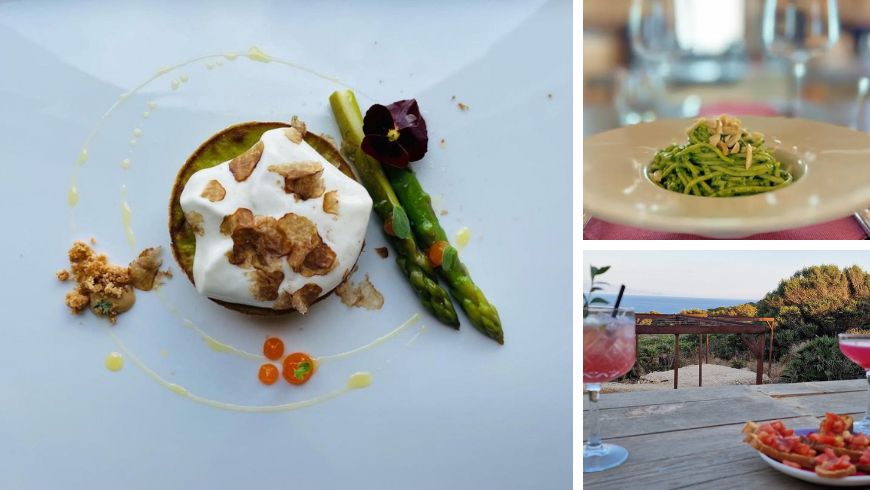
Your kitchen celebrates local produce and offers a breakfast featuring organic and locally sourced ingredients. How important is your connection with local producers and Sardinian culinary traditions? And which dish would you recommend guests try?
It’s extremely important to us, and I’d like to take a step back to explain why. When we first opened, the easiest option would have been to offer a typical tourist menu: set meals, chips, ready-made sandwiches…
We refused. A place like this deserves something much better. We believe that an integral part of the experience – both for overnight guests and visitors stopping by – is the opportunity to enjoy high-quality, locally sourced specialities that are not part of mainstream mass distribution.
Among the highlights are certainly our cured meats and artisan cheeses, Alghero olive oil, jams and homemade desserts.
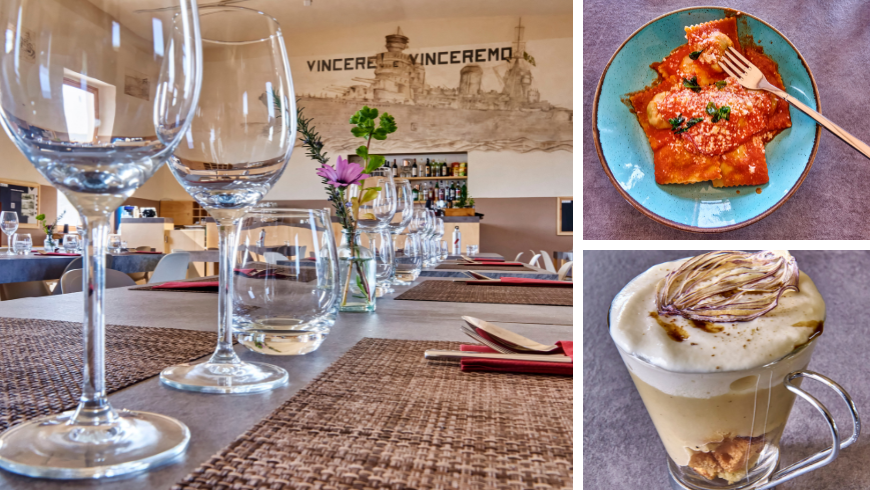
We also offer a vegetarian menu, which is very popular. This is something we strongly believe in: a restaurant cannot simply hide behind tradition; it must also embrace the changes and evolving preferences of its customers.
I would recommend trying the raw seafood dishes. For those who prefer meat, the combination of mushroom culurgiones (traditional Sardinian stuffed pasta) and slow-cooked lamb is truly delicious. And let’s not forget the wines, beers and liqueurs: here too, more than 90% of the products are locally sourced.
Walking among cliffs, trails and historic mining villages
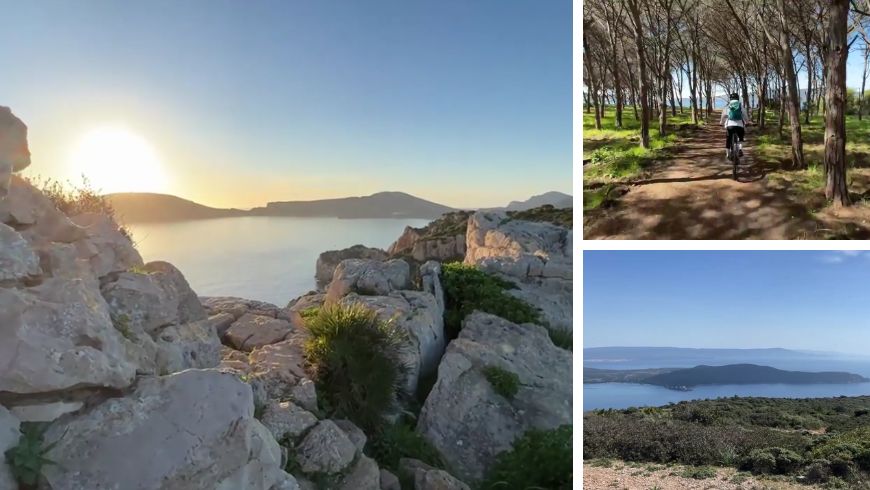
Rifugio di Mare is also an ideal starting point for exploring Porto Conte Park and the Coral Riviera. Which walks, nature trails or experiences would you recommend to visitors who want to discover this part of Sardinia in a more sustainable way?
The Punta Giglio promontory, where we are located, offers several easy trails that have the advantage of providing magnificent views, including along the coastline towards Cala Bramassa.
We also recommend exploring other trails in the Park, such as the routes leading to Cala Barca and the summit of Monte Timidone (both located within the Le Prigionette Wildlife Oasis).
For those looking for a slightly greater challenge, there are some more technical sections: the climb to Torre della Pegna, overlooking the “outer sea” (the stretch beyond Alghero’s sheltered bay and Porto Conte Bay, facing the open sea). Another option is the cliffside trail from Punta Giglio to Port Agre.
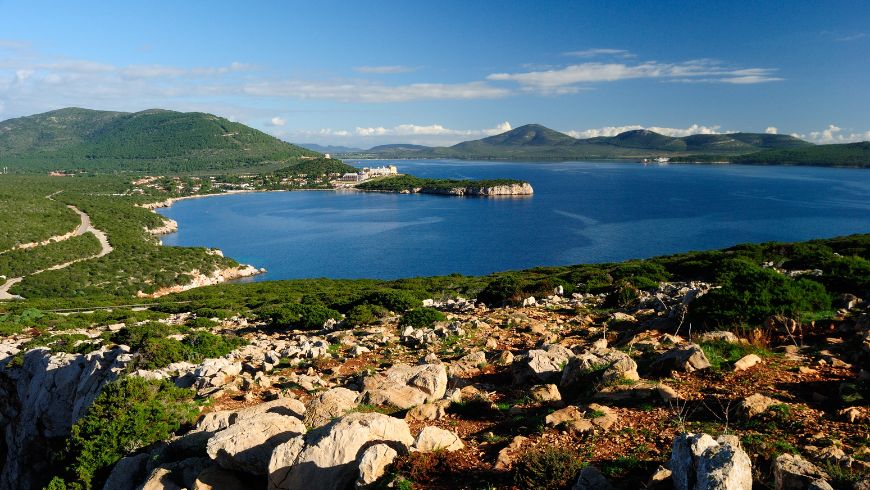
We also recommend travelling just a few kilometres to explore the wild coastline of the Nurra region, perhaps stopping at Argentiera: a fascinating former mining village surrounded by beautiful coastal walking trails.
In summer, the sea takes centre stage, and trekking can become a little too strenuous in the heat. In that case, it’s worth turning to professional operators to discover the wonders of the Marine Protected Area. There are opportunities for boat trips, SUP and guided snorkelling.
You can also go scuba diving. There is a unique specialist diving centre that also involves people with disabilities in its activities.
Hospitality also means caring for people and places
What does offering hospitality in a place like this mean to you? What message or experience do you hope guests will take home with them after their stay?
First and foremost, it means putting people at the heart of everything we do.
We are a small property, and when guests stay for a few days, we have the opportunity to get to know them and build genuine human connections. Of course, we don’t force anyone to socialise with us, but we are certainly not a cold, impersonal hotel where staff and guests exchange nothing more than polite formalities.
Over time, this approach has helped us build a loyal following of guests who return or spread the word about us. Even in the digital age, word of mouth remains the most effective form of marketing.
Then there are our sustainability choices: we try to raise awareness about the importance of the resources we use without making guests feel that their stay is burdened by rules.
Water, for example, is a scarce resource in Sardinia for many months of the year.
The sun provides us with energy, but if a guest sets the air conditioning to 20°C while they are out of the room, our batteries run out.
In short, we also try to promote environmental awareness.
We do this through guided visits and excursions, too, during which people fall in love with the natural environment while also discovering just how fragile it is.
Tourism that discovers and respects the identity of places
What does being part of Ecobnb mean to you, and how does it feel to share with other travellers and accommodation providers the idea of tourism that is more mindful of the environment and local communities?
It means a great deal to us. Guests who find us through Ecobnb are naturally inclined to appreciate the kind of stay we offer. With them, many things don’t even need explaining, and that’s incredibly valuable because we start from a shared vision.
Moreover, this type of traveller is much more open to experiences in the local area: cultural and food itineraries, discovering local attractions and the area’s natural and museum heritage, and respecting the unique character of the region.
We would love to see this area, which is mainly known as a seaside holiday destination, increasingly attract travellers who are also interested in its historical and environmental uniqueness. We are confident that the Ecobnb community can help us achieve this goal.
Rifugio di Mare: experiencing Sardinia with all your senses
Many thanks to Doris for sharing this wonderful story of renewal with us!
Rifugio di Mare is also an ideal starting point for discovering a less-visited side of Sardinia, with coastal trails, history and unique culinary traditions.
Discover Rifugio di Mare on Ecobnb and plan your stay in Porto Conte Regional Natural Park, along the Coral Riviera.


