
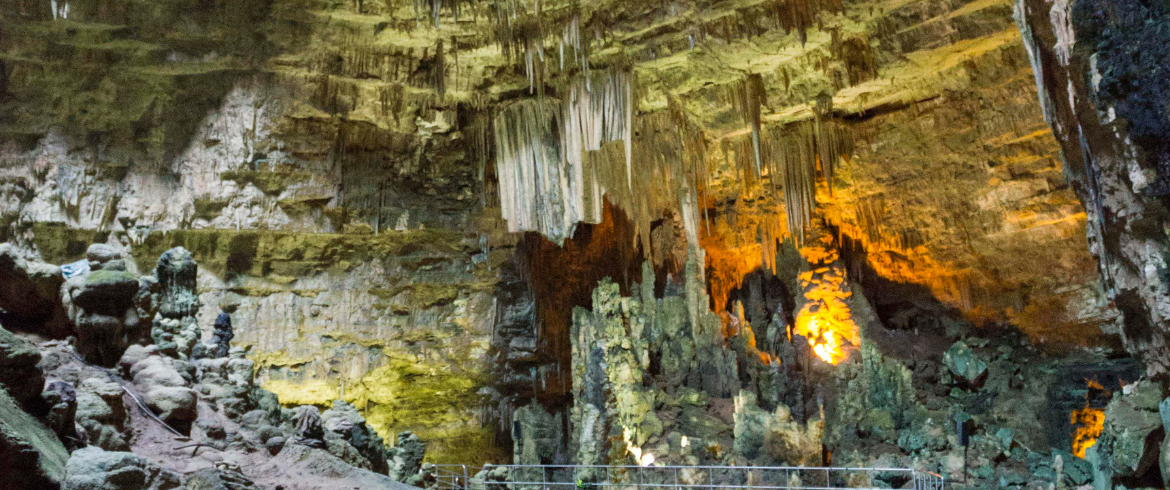
Some places have a way of surprising visitors of all ages. You can venture underground into an unexpected world, then wander through a town’s streets and discover stories passed down through the centuries. Castellana Grotte, in the heart of Apulia, is one such destination. Here, karst landscapes, age-old traditions, local cuisine and outdoor adventures come together to create a memorable trip.
Best known for its extraordinary cave system, this town in the province of Bari is also an ideal starting point for exploring the countryside of the Murge, with its olive groves, dry-stone walls and traditional masserie that reflect the close relationship between local communities and the land. It is a lovely destination for families with children, as well as anyone looking for a different kind of weekend, filled with discoveries, walks and encounters with Apulian culture.
What to See in Castellana Grotte
Castellana Grotte is an Apulian town renowned for its karst cave system, a network of underground caverns open to visitors. Beyond the caves, the area offers a historic centre to explore on foot, local traditions, countryside trails and opportunities to discover the region’s cuisine.
1. Venture Underground into the Castellana Caves
A visit to the Castellana Caves is an experience that is hard to forget. Accompanied by expert guides, visitors from around the world can explore a fascinating underground world of stalactites, stalagmites, columns and rock walls shaped by water over immense stretches of time.
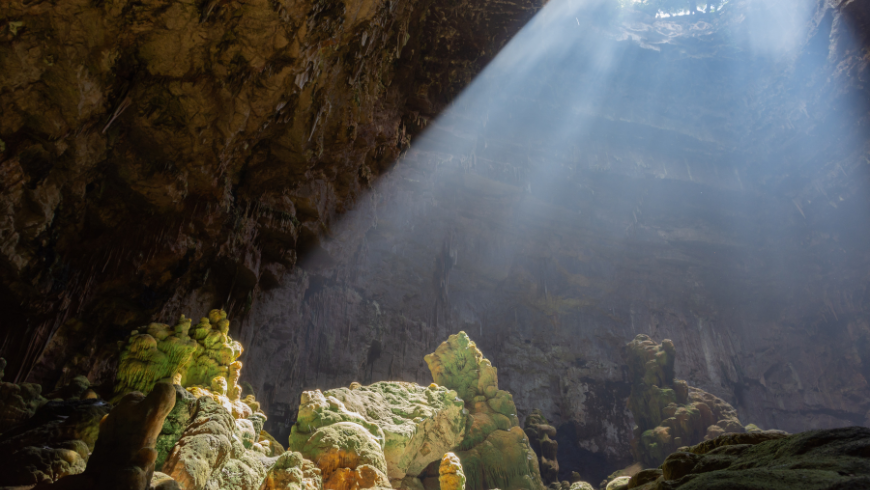
Along the route, the rock formations seem to transform into imaginary figures and landscapes. Some chambers and passages have evocative names, such as the Owl Cave and the Desert Corridor, leading to the famous White Cave, known for its pale formations.
Visitors can choose between a full route of around 3 kilometres, lasting approximately 100 minutes, and a shorter route of about 1 kilometre, which takes around 50 minutes.
For children, the visit can become a little expedition to discover the hidden wonders of the Earth. Among the experiences on offer is SpaleoFamily, designed specifically for families with children aged four and over. This alternative, multisensory route combines learning with discovery.
The temperature inside the caves generally remains between 14 and 18°C, so it is a good idea to bring a sweatshirt, even on warm days. The route is not accessible with a pushchair, but you can ask at the ticket office about the free hire of baby carriers.
Before your visit, check the latest opening times, tickets and routes on the official Castellana Caves website.
2. Wander Through the Historic Centre and Discover Local Traditions
The historic centre of Castellana Grotte grew around the Church of San Leone Magno, with a maze of irregular narrow streets, closely spaced houses and pale façades typical of Apulian towns. The oldest part retains its medieval layout, having developed around the main church over time, while the streets and buildings reveal how the town evolved between the 17th and 19th centuries.
A good place to begin your walk is Largo San Leone Magno, home to the Mother Church dedicated to San Leone Magno. Its origins date back to the Middle Ages, and the façade and bell tower reveal different stages in the town’s history. Inside, the naves contain works of art and decorative details worth stopping to admire. Continue on foot to the Church of San Francesco d’Assisi, associated with the former Franciscan convent, now home to the town hall, and explore other corners of the historic centre, with its small squares, doorways and architectural details.
The best way to get to know Castellana is to take your time and walk without rushing, looking up at the buildings and along their façades. Much of the town’s charm lies in the details: votive shrines, decorative features and traces of popular religious devotion that remain part of everyday life.
Families can turn their walk into a little treasure hunt. Invite children to look for statues on church façades, sacred images and unusual doorways. It is a fun way to explore the town and discover its history together.
3. Experience the Fanòve, the Festival of Fire
Popular traditions still play an important role in community life in Castellana Grotte. Among the most distinctive events are the Fanòve, large bonfires lit on the evening of 11 January in honour of the Madonna della Vetrana, the town’s patron saint.
The festival commemorates a religious event dating back to 1691 and transforms the streets into places of gathering and celebration, with fires, singing, shared food and local specialities. It offers a glimpse into the communal spirit at the heart of Apulian culture.
If you are planning a winter trip, check the latest event programme. Experiencing the Fanòve can be a special way to discover Castellana Grotte outside the busiest tourist periods.
4. Explore the Countryside Among Trulli, Olive Groves and Masserie
The landscape around Castellana Grotte is a mosaic of stone, trees and historic rural buildings. Following the country lanes that cross the area, you will come across stone trulli, fortified masserie and dry-stone walls, alongside stretches of centuries-old olive trees, almond orchards, cherry groves and vineyards. Here and there, woods of downy oaks and other oak species give way to cultivated fields, creating scenery that changes colour with the seasons.
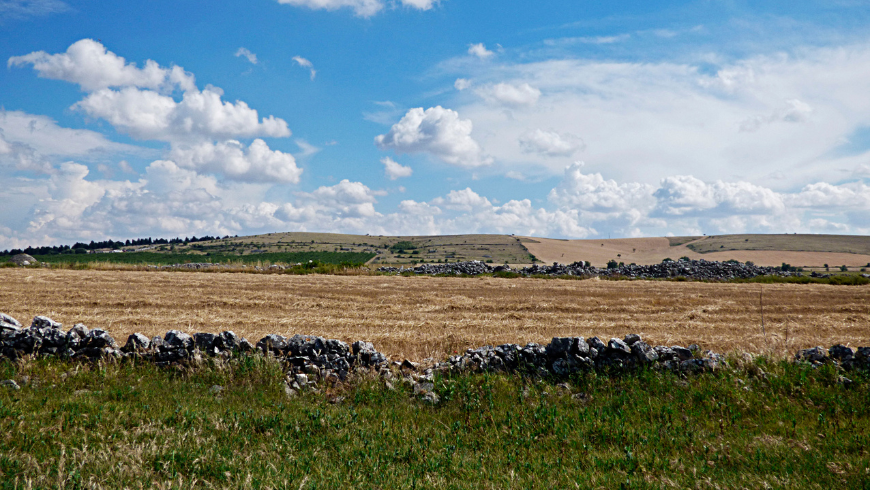
This is a landscape best explored on foot or by bicycle, allowing you to observe traces of the area’s agricultural history up close and discover an aspect of Apulia beyond its beaches and busiest towns. Younger visitors can look for wildflowers along the way, identify plants, watch insects and see how the fields change throughout the year.
5. Taste the Flavours of Local Tradition
A trip to Apulia would not be complete without discovering its food. In Castellana Grotte, local cuisine offers a chance to explore dishes rooted in the land and in the region’s rural traditions.
One speciality to look out for is impanata, a dish made with broad beans and chicory, often served with toasted bread and other traditional ingredients. It reflects the area’s food culture and is a good starting point for discovering flavours that may be less familiar to visitors.
Depending on the season, you may also find local festivals and food events celebrating regional produce and recipes. Before travelling, check the event calendar and dates.
6. Discover the Surroundings of Castellana Grotte
Castellana Grotte is also a convenient base for exploring other places in central Apulia. The surrounding area is dotted with historic towns, rural landscapes and cultural attractions that can add variety to your trip.
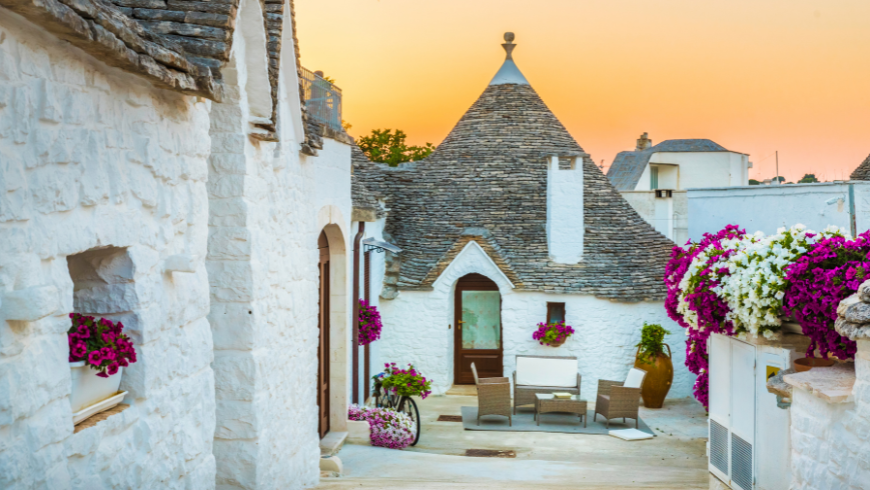
Spend a day in Conversano, known for its historical and cultural heritage, or visit Alberobello, famous for its trulli, and Polignano a Mare, perched above the Adriatic Sea. Monopoli is also well worth a visit, with its historic centre and harbour.
Where to Stay in Castellana Grotte
To explore Castellana Grotte and its surroundings at a more relaxed pace, you could stay in the countryside at a traditional masseria or agriturismo, or choose accommodation closer to the town centre and its main attractions. Ecobnb offers several options to help you plan your Apulian getaway, including a family holiday.
One place to discover is Agriturismo Biologico Serragambetta, a historic country residence where hospitality goes hand in hand with local cuisine and rural life. To learn more about its story and the people behind it, Sheila and Domenico, read our article Experiencing Apulia at a Slower Pace: A Stay at Agriturismo Serragambetta.
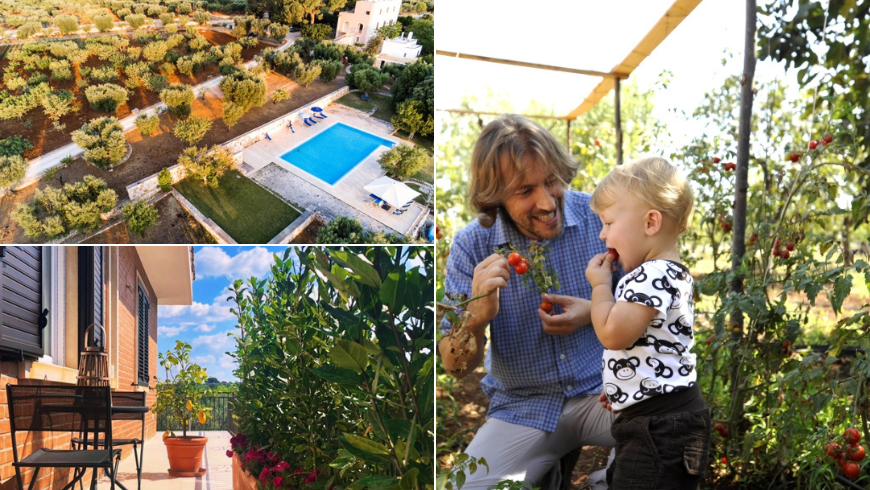
Another option is Dépendance Villanita, an apartment in the Apulian countryside with a fully equipped kitchen, a bright double bedroom, a cot available on request and, above all, a large garden surrounded by olive trees, fruit trees and fragrant flowers.
To compare other options and find the accommodation that best suits your trip, browse places to stay in and around Castellana Grotte on Ecobnb.
Cover image: photo via Canva PRO
 DEPENDANCE VILLANITA – Green Country House in Castellana Grotte, Metropolitan City of Bari, Apulia, IT


