
Outdoor Education is not just a pedagogical trend. It is an educational approach that focuses on direct contact with nature, recognizing its fundamental value for the physical, emotional and cognitive growth of children and young people.
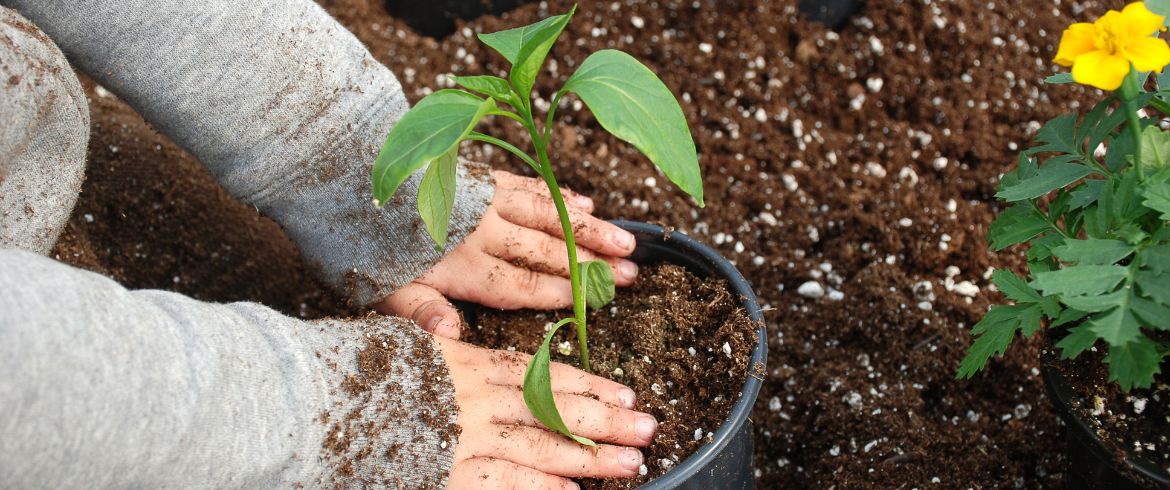
Sinking your hands in the soil of a vegetable garden. Observing animals on a teaching farm. Walking in a forest. Exploring a mountain trail. These aren’t just recreational activities, but experiences that help young people develop autonomy, curiosity, environmental awareness and psychophysical well-being.
In an age where much of the time is spent indoors, in front of a screen or in a car, reconnecting with nature becomes a real educational opportunity.
The growing detachment from nature
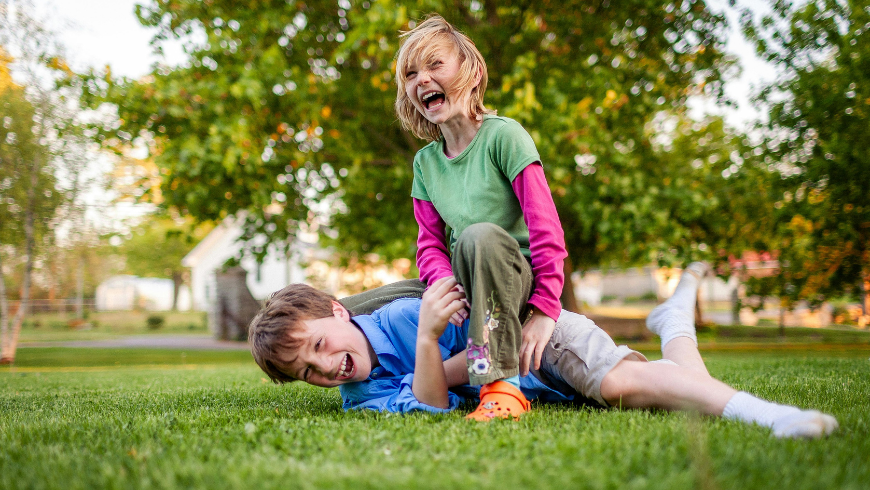
In recent decades, children and adolescents hav progressively reduced the time spent outdoors. Journalist and writer Richard Louv has called this phenomenon “nature deficit disorder“, a phrase that describes the effects of the growing distance between new generations and the natural environment.
Although not a medical diagnosis, the concept draws attention to increasingly widespread issues such as sedentary lifestyle, difficulty concentrating, increased stress and reduced connection to the living world.
In fact, nature offers stimuli that no artificial environment can completely replicate: scents, colors, sounds, different surfaces and continuous changes that involve all the senses.
Environmental education comes rom experience
To teach respect for the environment, it is not enough to talk about sustainability or explain how to differentiate waste correctly. Ecological sensitivity is built above all through direct experience.
A child who grows a vegetable garden understands the value of time, seasons and natural resources. Those who observe pollinating insects up close or follow the growth of a plant develop a concrete relationship with ecosystems.
When the connection with nature arises from experience, respect for the environment becomes spontaneous and lasting. Sustainability stops being an abstract concept and turns into a daily choice.
Learning autonomy and resilience among trees
The natural environment represents an extraordinary training ground for life.
A forest trail has obstacles, evaluation changes, uneven surfaces and unexpected situations that require attention and adaptability. Therefore, children and young people learn to assess risks, make decisions and develop confidence in their abilities through these small challenges.
Falling, getting up, getting muddy, finding a solution to a problem encountered while hiking. These are valuable experiences for growth. It’s not about avoiding every risk, but about learning to manage it consciously.
For this reason, educational approaches such as Forest Schools and Nature Kindergartens, especially widespread in Northern European countries, place great importance on outdoor learning and children’s autonomy.
Holidays in nature: an educational opportunity for the whole family
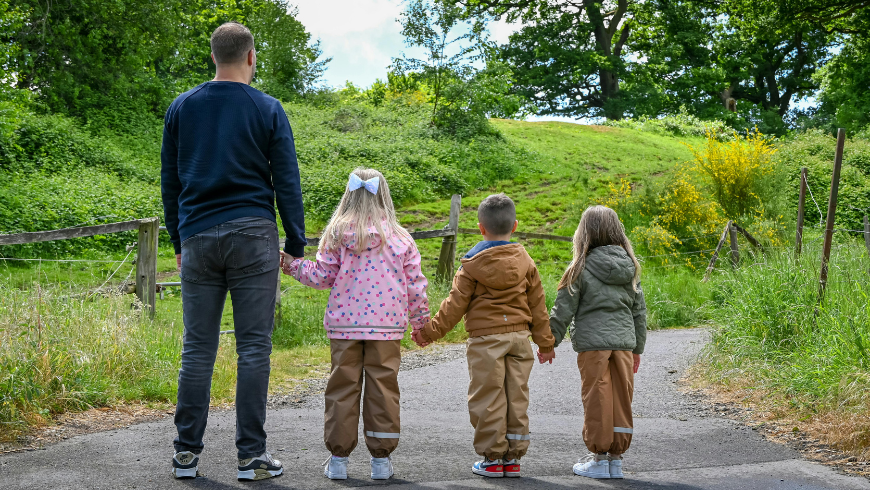
The way we choose to travel can also contribute to the environmental education of little ones.
A holiday in an organic farmhouse, educational farm or sustainable accommodation offers valuable opportunities to get in touch with nature and get to know the area up close.
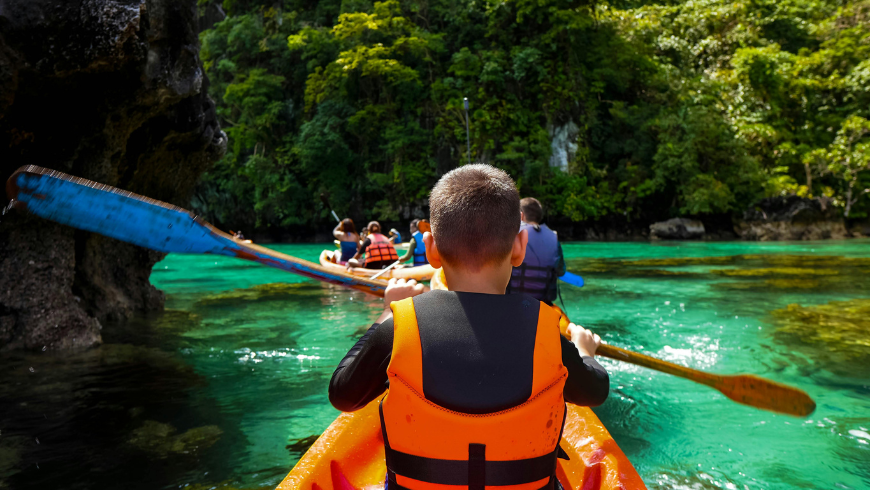
Participating in harvesting garden products, observing animals, walking nature trails or discovering local traditions allow children to learn through experience. Furthermore, they create memories that often linger throughout their lives.
In this sense, sustainable tourism becomes an educational tool capable of combining fun, discovery and environmental awareness.
5 simple ideas for practicing Outdoor Education with your family
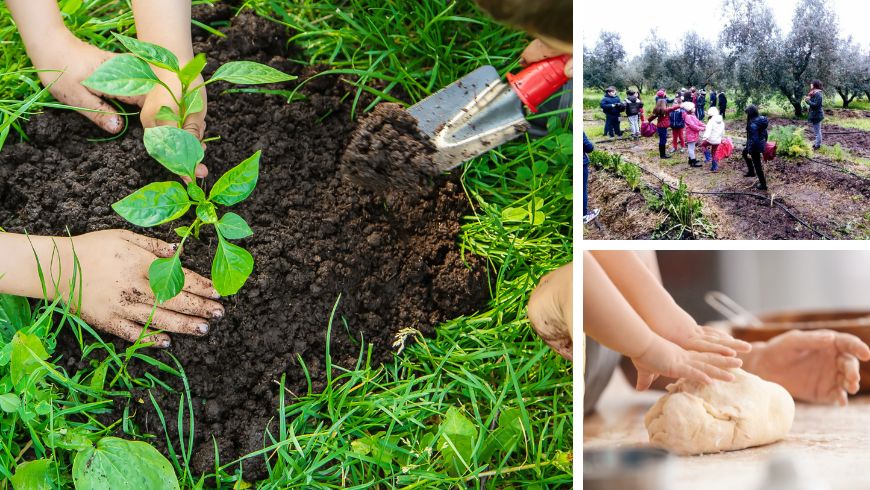
You don’t have to live in the countryside to bring children closer to nature. Even small gestures can make a difference:
- grow aromatic herbs or a small vegetable garden on the balcony;
- visit an educational farm in the are;
- organize walks in the woods and natural parks;
- observe insects, flowers and trees during hikes;
- choose sustainable holidays that foster direct contact with the environment.
The important thing is to create regular opportunities to experience nature authentically and without haste.
Investing in the future through nature
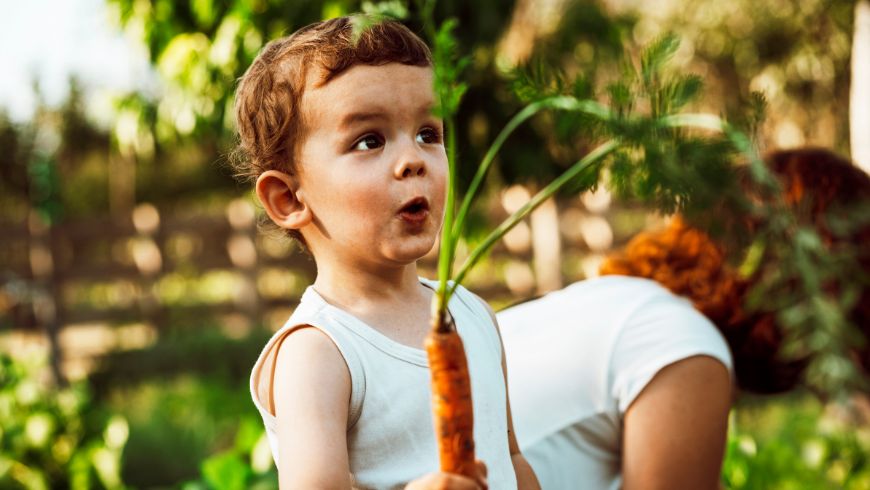
Promoting Outdoor Education doesn’t mean giving up technology, but rather finding a healthier balance between digital and outdoor living.
Contact with natural environments promotes movement, curiosity, observation skills and general well-being. Some studies also suggests that exposure to environmental biodiversity may contribute to the development of the immune system. Furthermore, natural light helps regulate the sleep-wake rhythm.
Offering children more opportunities to explore the natural world means investing in their present well-being and the future of the planet. Because those who learn to love nature from an early age will be more inclined, as adults, to protect and respect it.
Cover Photo via Canva PRO


