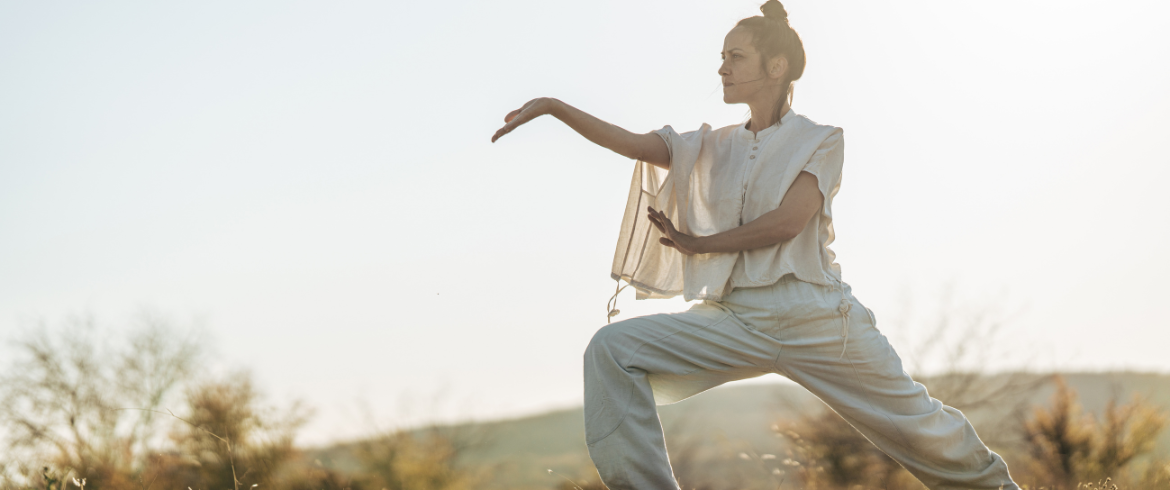
Tai Chi Chuan is an ancient Chinese martial art born around the 13th century that, over time, has transformed into a discipline of psycho-physical wellbeing. Today it is best known for its slow, fluid and harmonious movements, often compared to a form of moving meditation.
It is suitable for all ages and does not require physical strength or athletic performance. On the contrary, it invites you to slow down, breathe, and regain balance between body and mind.
What is Tai Chi Chuan
The term Tai Chi Chuan literally means “supreme art of combat“, but its modern practice focuses mostly on inner harmony and balance of life energy.
Tha Chi works on body perception and movement awareness, more than on muscles. Breathing and mental concentration play a central role, making the discipline a form of active meditation.
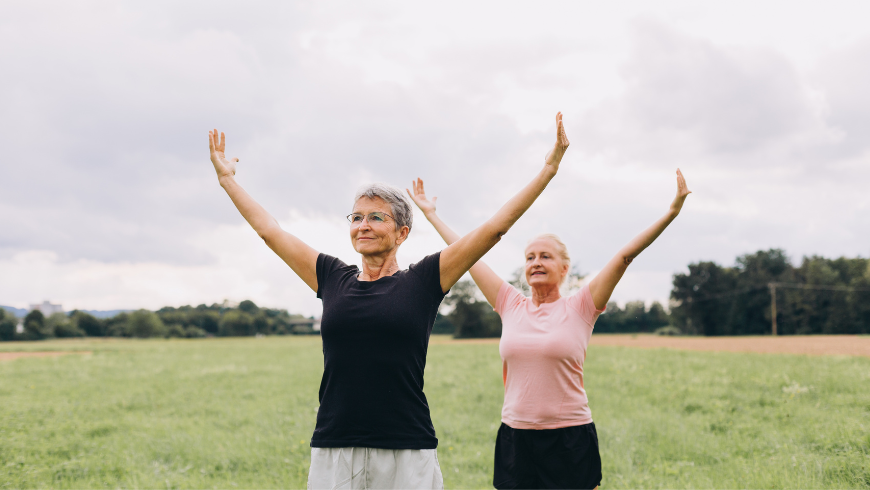
The basic principles
At the basis of Tai Chi Chuan there are some simple but profound principles:
- relaxation of body and mind, especially head, shoulders, and chest;
- attention to posture and stability, with grounding on feet and legs;
- slow, circular, and continuous movements;
- coordination between breathing and movement;
- harmonious flow of vital energy (Qi).
These elements allow you to develop greater body awareness and a general feeling of calm and centering.
The benefits of Tai Chi Chuan
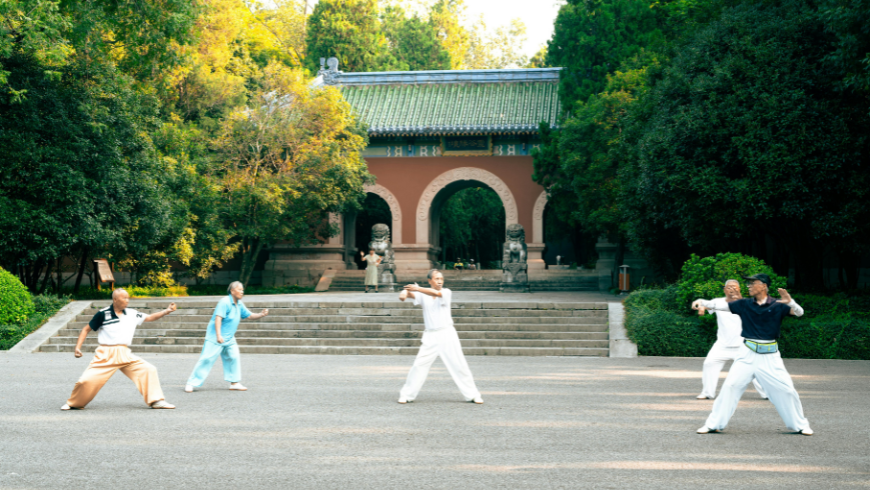
Tai Chi is a discipline suitable for everyone, from children to the elderly, and can be practiced at any stage of life.
Benefits for the body
Constant practice contributes to:
- improve balance, posture, and coordination;
- increase joint flexibility and agility;
- strengthen muscles, tendons, and joints with gentle movements;
- promote deeper and more efficient breathing;
- support the well-being of the cardiovascular and immune systems.
Some scientific studies have observed that Tai Chi can also have positive effects on conditions such as osteoarthritis, helping to relieve pain and stiffness. It also may be useful as a support in wellness programs for people with neurodegenerative diseases such as Parkinson’s.
Benefits for the mind
Tai Chi is also often defined as “active meditation” as it helps in:
- reducing stress and anxiety;
- improve quality of sleep;
- improve concentration and mental clarity;
- develop a better emotional stability.
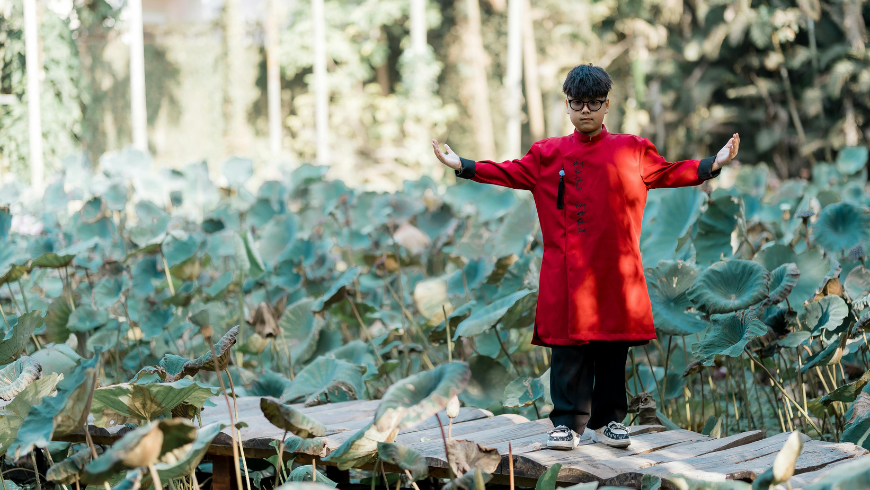
Some research, as the one published in Adolescent Research Review, suggests furthermore that the practice of this discipline can help teenagers reduce anxiety and improve emotional balance.
How to practice Tai Chi
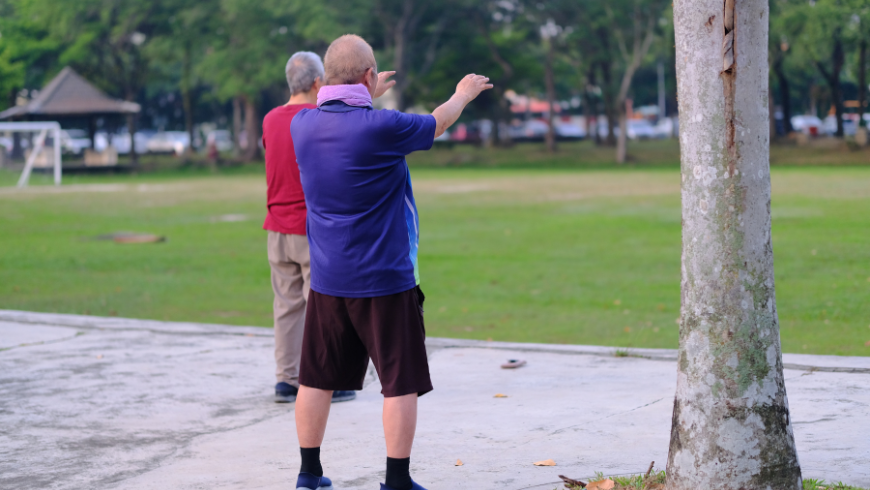
Tai Chi needs to be practiced slowly, with continuous and circular movements, paying attention to breathing and posture.
To obtain real benefits, it’s advisable to:
- practice regularly, at least twice a week;
- follow a qualified teacher, especially in the beginning;
- begin with short sessions and gradually increase the duration;
- practice, when possible, outdoors, among natural spaces and parks.
Precisely because of its slow and non-competitive nature, Tai Chi is often practiced in natural settings. Here, contact with the environment amplifies the feeling of balance and wellbeing.
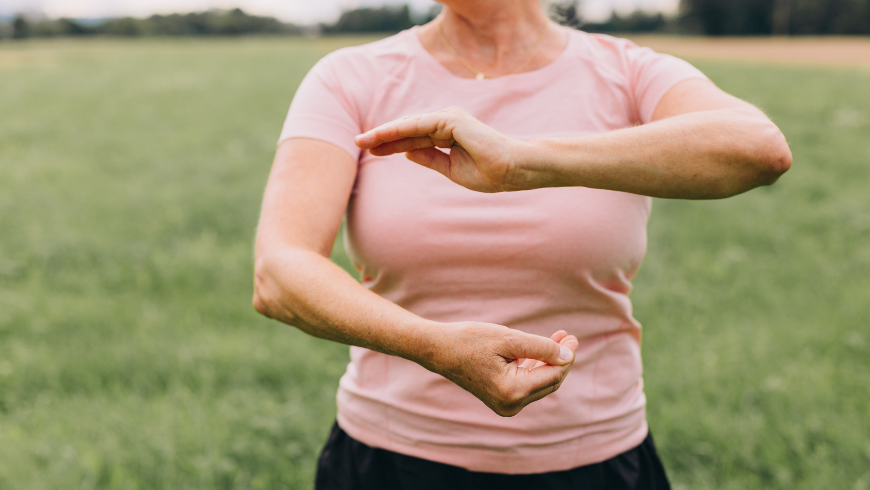
An art to slow down
In an ever faster world, Tai Chi Chuan represents an invitation to slow down, breath and reconnect with ourselves. It is a simple but deeply transformative practice that connects movement, awareness and harmony.
Cover photo via CanvaPRO