

If you care about traveling more responsibly, Vietnam can be an incredibly rewarding destination.
You’ll find vibrant street food culture, beautiful coastlines, mountain villages, beautiful pagodas, and welcoming local communities. But on the other hand, as in most countries in Asia, you’ll also notice how common single-use plastic still is, unfortunately, from takeaway containers to bottled water and plastic bags.
The good news is that plastic-free travel in Vietnam can be done! Small daily choices can help you reduce waste, support local businesses, and experience the country in a more meaningful way.
If you enjoy authentic travel experiences and want your trip to leave a lighter footprint, these simple habits can make a real difference.
Why Plastic-Free Travel Matters in Vietnam
As tourism grows across Vietnam, waste management has become a major challenge in many cities, islands, and coastal areas.
Places that travelers love, such as beaches, rivers, markets, and natural landscapes, are often the same places affected by plastic pollution.
As a traveler, your choices matter more than you may think. By reducing single-use plastics during your trip, you help protect local ecosystems while supporting a slower and more conscious style of travel.
You also often end up having a more authentic experience by eating locally, staying longer, and connecting more closely with communities.
Pratical Tips to Reduce Plastic Generation
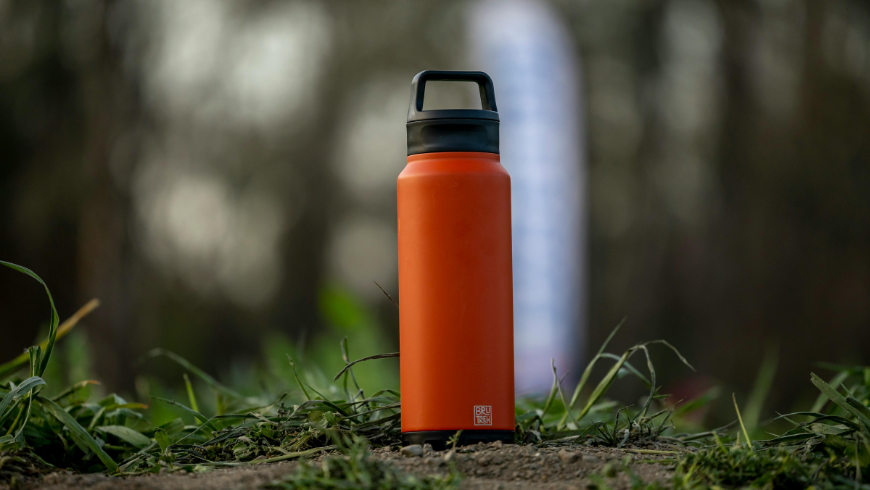
Carry a Reusable Water Bottle Everywhere During Your Plastic Free Travel in Vietnam
One of the easiest ways you can reduce waste in Vietnam is by avoiding single-use water bottles.
Because of the hot and humid climate, you’ll probably drink much more water than usual, especially in destinations like Da Nang or Ho Chi Minh City.
Many cafés, eco stays, hostels, and coworking spaces now offer refill stations or filtered drinking water. Carrying a reusable bottle can save dozens of plastic bottles during your trip.
It also makes traveling easier, you won’t need to constantly stop at convenience stores throughout the day.
Enjoy Street Food Without Creating Extra Waste
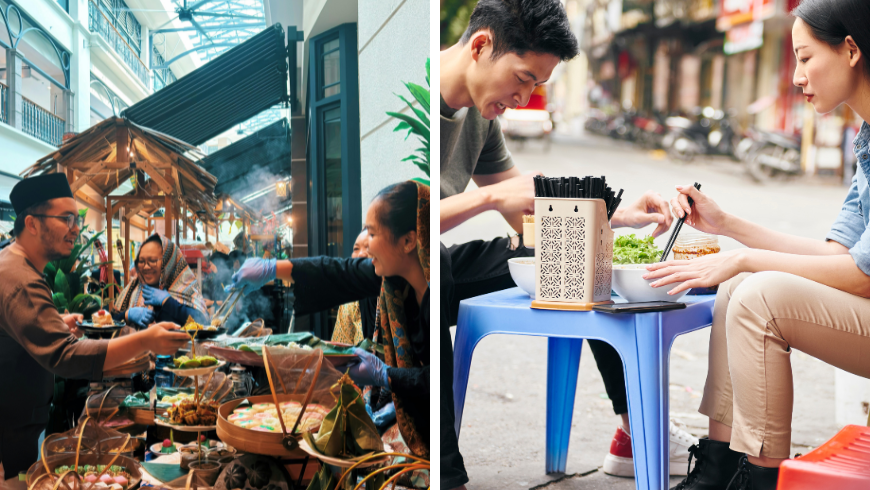
Trying local food is one of the best parts of traveling in Vietnam.
You can try a fresh pho in Hanoi, or small family-run restaurants in Hoi An, the true is food is deeply connected to local culture and everyday life.
But takeaway packaging can generate a surprising amount of waste.
A few simple habits can help:
- Bring reusable cutlery or chopsticks
- Refuse plastic straws
- Eat at local food stalls instead of ordering delivery
- Carry a small reusable container for snacks or leftovers
- Use a tote bag at local markets
These small choices reduce waste while helping you experience local food culture more directly.
Say No to Single Use Plastic in Hotels and Cafés
One of the easiest ways to practice plastic free travel in Vietnam is by paying attention to the small everyday items that often create unnecessary waste.
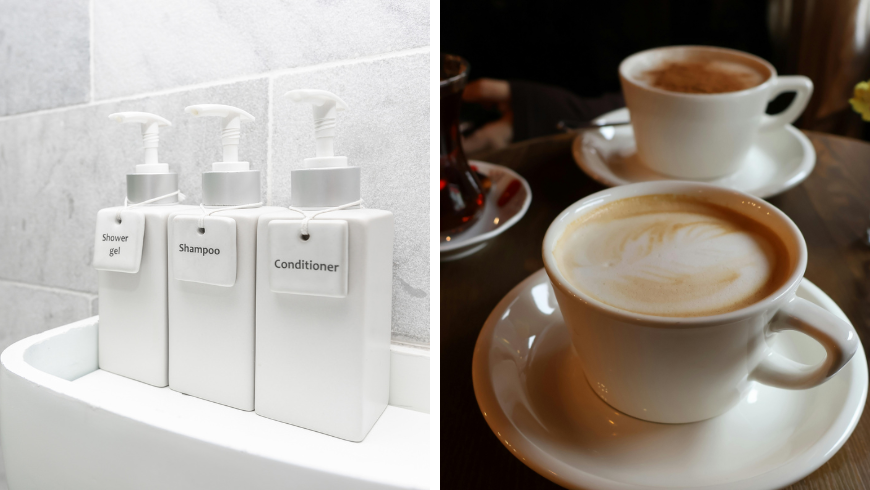
Many hotels still provide mini plastic bottles of shampoo, conditioner, and shower gel that are used only once and quickly thrown away. When possible, choose eco stays and guesthouses that offer refillable toiletries instead of disposable amenities. This small choice helps reduce a surprising amount of plastic waste during your trip.
The same applies when ordering food and drinks. Instead of getting takeaway coffees, smoothies, or meals in disposable packaging, try enjoying your food directly at local cafés and restaurants whenever possible. Sitting down for a Vietnamese coffee or a bowl of pho not only reduces waste, but also allows you to slow down and experience local life more authentically.
If takeaway is necessary, carrying a reusable container or cup can make a big difference over time.
Choose Locally Owned Eco Stays for Plastic Free Travel in Vietnam
Where you stay can have a big impact on your environmental footprint.
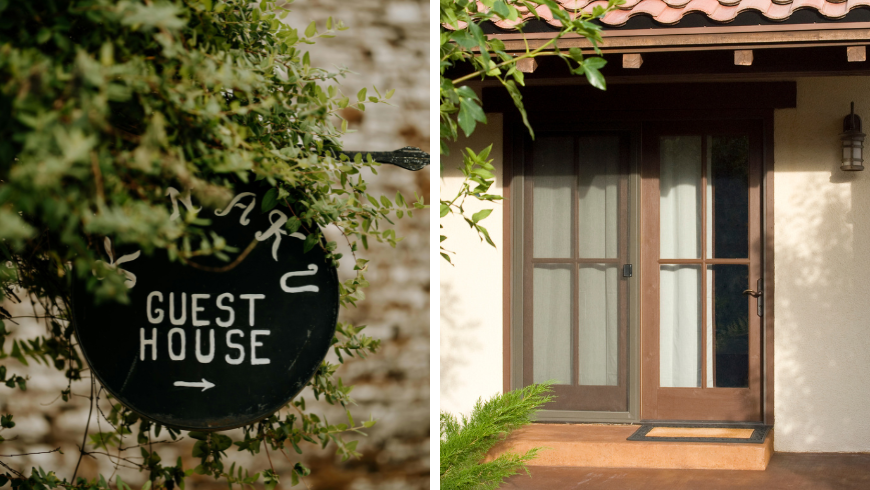
If you’re looking for a more meaningful and lower-impact trip, try choosing locally owned guesthouses, homestays, or eco lodges instead of large international hotels, because they will usually have less plastic generation.
Many eco-friendly accommodations in Vietnam now offer:
- Refillable toiletries
- Filtered water stations
- Less plastic packaging
- Locally sourced food
- Recycling or compost systems
You’ll often find that these places also create a more personal experience. Staying with local hosts can help you better understand daily life, traditions, and regional culture.
In destinations like Sapa or the Mekong Delta, community-based stays can make your journey feel much more connected and memorable.
Travel More Slowly Between Destinations
Moving more slowly through Vietnam naturally helps reduce waste and environmental impact. When you choose slower forms of travel, this often means consuming less and avoiding the constant cycle of takeaway meals, bottled drinks, and disposable packaging that usually comes with rushed itineraries.
Instead of rushing between many destinations, consider spending more time in fewer places. Slow travel allows you to support local businesses more consistently and experience destinations beyond the typical tourist route.
When possible, buses and trains are also a more responsible option compared to private car transfers. Traveling overland also helps you become more connected to local life and landscapes along the way.
Traveling this way often feels less stressful too. You have more time to discover local cafés, markets, small businesses, and hidden places that many tourists miss. Staying longer in one place also makes it easier to refill your water bottle, avoid unnecessary takeaway packaging, and build more sustainable daily habits during your trip.
Support Local Crafts Instead of Mass Souvenirs
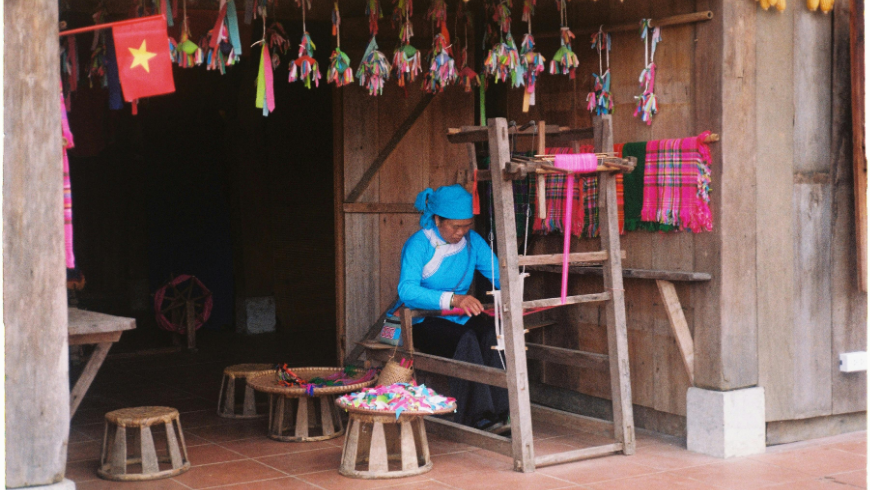
If you enjoy bringing something home from your travels, try choosing handmade products created by local artisans.
Traditional textiles, ceramics, woven baskets, natural skincare products, and handmade goods usually have a smaller environmental impact than mass-produced souvenirs wrapped in plastic.
Markets and artisan shops in Hue and Hoi An are great places to support local craftsmanship and preserve traditional skills.
Bringing your own reusable shopping bag also helps reduce plastic waste while exploring local markets.
Small Choices Create Better Travel Experiences
Plastic-free travel in Vietnam is not about being perfect.
It’s about becoming more aware of how your choices affect the places you visit. Carrying a reusable bottle, supporting local businesses, avoiding unnecessary packaging, and traveling more slowly can all help protect Vietnam’s landscapes and communities.
And often, these choices also create the kind of travel experience you’re probably looking for, one that you will feel more authentic, personal, and connected.
Cover image: photo via Canva PRO


