
As governments and businesses seek solutions to the climate crisis, impact investing is emerging as a way to channel private capital into renewable energy, energy efficiency, and sustainable development projects.
What if the money we save could help create solar energy, improve energy efficiency, and support local communities around the world?
Addressing climate change requires more than individual lifestyle changes. While choosing eco-friendly accommodations, travelling responsibly, reducing waste, and supporting local communities all contribute to a more sustainable future, the transition to a low-carbon economy also depends on investments that make environmental solutions possible.
The International Energy Agency (IEA) estimates that around $4 trillion in clean-energy investment will be needed each year by 2030 to keep global climate goals within reach. Renewable energy, energy efficiency, and sustainable technologies will all play a role. Public funding alone is unlikely to cover these costs, prompting growing interest in investment models that combine financial returns with positive environmental and social outcomes.
This is where impact investing comes in.
Unlike traditional investing, impact investing aims to generate both financial returns and positive outcomes for people and the planet. One platform working in this field is bettervest. It finances renewable-energy and energy-efficiency projects designed to reduce CO₂ emissions, save resources, and support sustainable development.
We spoke with the bettervest team to understand how impact investing works and how projects are selected. We also asked about the role individuals can play in supporting climate action.
What inspired you to create bettervest?
Bettervest was founded with the idea of making impact investing accessible to everyone. We saw that many people want to contribute to climate solutions, but lack transparent and tangible ways to do so. At the same time, there are countless impactful projects, especially in energy efficiency, that struggle to access financing.
Our goal was to bridge that gap: enabling individuals to directly invest in projects that reduce emissions, save resources, and create measurable positive impact.
With climate change ongoing, what do you think is the most important aspect to focus on when addressing it through investments?
One of the most important aspects is measurable impact. Investments should not only be “green” in intention, but clearly demonstrate how much CO₂ they reduce, to which UN-Sustainable-Development-Goals they contribute and what additional ecological, social and economic benefits they create.
We also believe that energy efficiency is still underestimated. It is often the fastest and most cost-effective way to reduce emissions, especially in buildings and infrastructure.
How do you select the projects to feature on your platform, and what sustainability criteria do you use?
Sustainability is at the core of everything we do and guides both our operational and strategic decisions. For this reason, we apply a combination of negative and positive screening strategies when selecting the partners and projects we work with.
First and foremost, projects must have a clearly positive impact on the environment and the climate. They must not have adverse effects on biodiversity or natural ecosystems, nor contribute to pollution or exacerbate climate change.
Secondly, projects must align with the active pursuit of the United Nations Sustainable Development Goals (UN SDGs), which were adopted by member states at the COP21 climate conference in Paris in 2015. At bettervest, we particularly focus on SDG 7, which aims to “ensure access to affordable, reliable, sustainable and modern energy for all.”
When applying exclusion criteria, we follow the quality standards of the Forum Nachhaltige Geldanlage (FNG label) and have further strengthened them with additional, stricter factors. Only if a project meets all our requirements in terms of impact, technical feasibility, economic viability, and risk mitigation do we include it in our portfolio.
How do you involve local communities or the beneficiaries of the projects you support?
Many of our projects directly benefit local communities, for example, through lower energy costs, improved infrastructure, or job creation.
We work closely with local partners and project developers to ensure that the solutions are tailored to local needs and create long-term value, rather than short-term interventions.

How do you measure and verify the real impact of the projects you finance on biodiversity, climate, and the local economy?
Impact measurement is at the core of what we do.
For each project, we calculate expected CO₂ savings before it goes live. Furthermore, depending on the project, we also measure additional indicators such as jobs created or households gaining access to electricity.
In addition to climate impact, we also assess qualitative indicators such as local economic benefits and, where applicable, contributions to biodiversity.
What tangible results have you already observed from the projects you’ve financed?
Across our portfolio, we have financed over 150 projects that collectively saved over 4 million tons of CO₂.
Beyond emissions reductions, we see tangible results such as:
- Over 28,000 new jobs created
- Over 598,000 households provided with access to electricity
- Contributions across all 17 UN Sustainable Development Goals
- Reduced energy costs for businesses and communities
- Increased awareness for sustainable solutions
What do you think is the most effective strategy to maximize project impact: clean technologies, energy efficiency, renewables, or other solutions?
We don’t see these as competing approaches, but as complementary.
However, if we had to highlight one, energy efficiency often delivers the highest immediate impact per euro invested. It reduces energy demand at the source and makes renewable solutions even more effective.
The most impactful strategy is therefore a combination of efficiency and clean energy.
How could a green project from one of our sustainable properties or from Ecobnb be financed through bettervest?
That’s a great fit in principle.
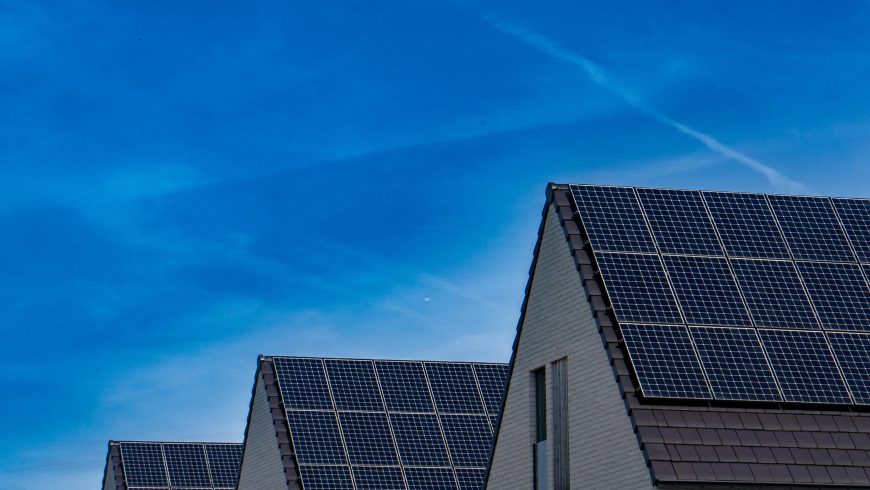
If a property listed on Ecobnb plans to implement measures such as energy-efficient renovations, solar installations, or water-saving systems, these could potentially be financed through our platform.
We would evaluate the project based on its impact, scalability, and financial structure, and, if suitable, offer it to our crowd of investors.
What is your long-term vision for bettervest and future projects?
Our vision is to scale impact investing so that it becomes a mainstream way of financing climate solutions.
We want to enable thousands of projects worldwide, especially in areas where capital is most needed, and empower individuals to actively participate in the transition to a more sustainable economy.
What gives you the most satisfaction from your work and the results achieved so far?
What motivates us most is seeing real, measurable change.
It’s incredibly rewarding to witness the impact on the ground, through videos shared by project owners, annual reports that document progress (which are also shared with the investors), and direct conversations where they tell us how the projects are making a difference locally.
What makes it even more meaningful is knowing that this impact is driven by a community of individuals, the bettervest crowd, who consciously choose to invest with purpose and contribute to positive change.
Financing the Climate Transition: Emerging Models and Challenges
Financing the transition to a low-carbon economy remains one of the biggest challenges in addressing climate change. Renewable energy projects, energy-efficiency upgrades, sustainable infrastructure, and climate adaptation measures all require significant investment. Public policies and technological innovation also play a crucial role.
In recent years, impact investing has emerged as one way to direct private capital towards projects with measurable environmental and social benefits. Platforms such as bettervest are part of this growing trend. They connect individual investors with projects focused on renewable energy, energy efficiency, and sustainable development.
As demand for climate solutions continues to grow, the question of how these projects are financed is becoming increasingly important. Understanding the opportunities and limitations of different financing models helps reveal an often overlooked aspect of the sustainability transition.
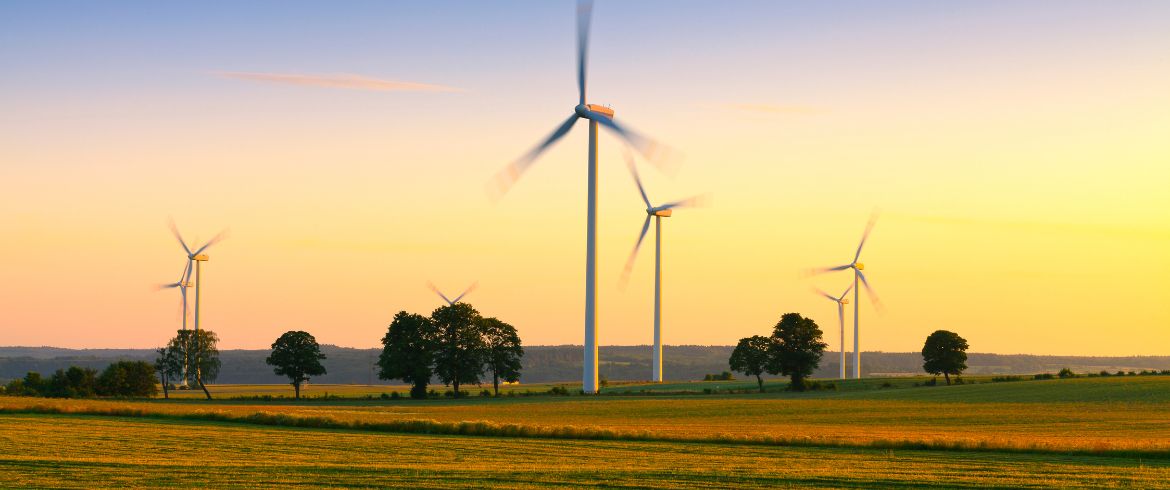
Cover image: wind farm, photo via Canva PRO
Notice pursuant to Section 12 (2) of the German Investment Act (Vermögensanlagengesetz): The acquisition of an investment entails considerable risks and may result in the complete loss of the assets invested.


