A journey into a remote island where travel, nature and community exist in balance
There are places that invite you to slow down from the very first moment you arrive.
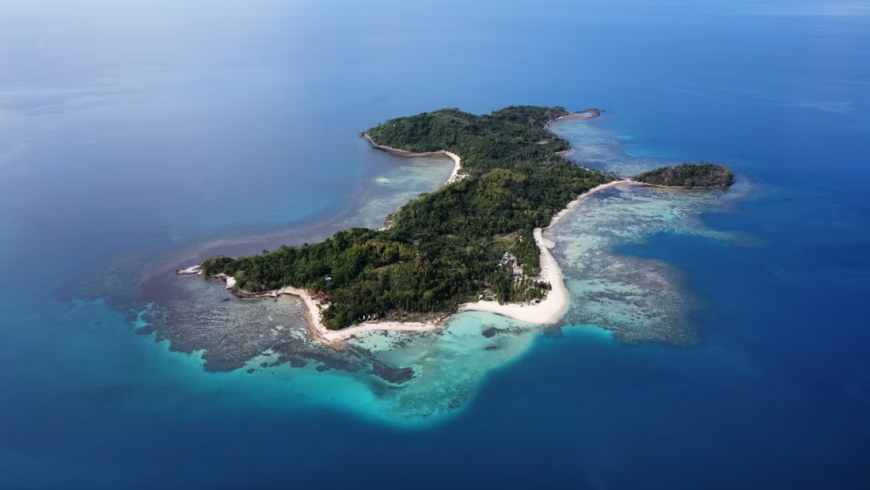
Darocotan Island, in Northern Palawan, is one of them.
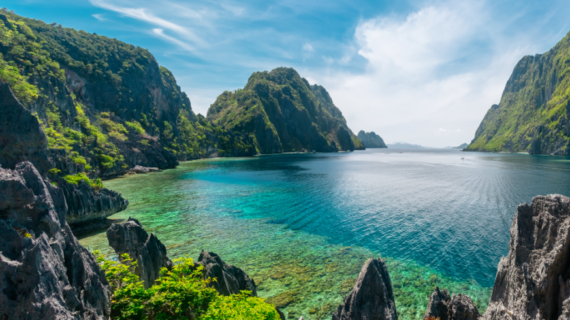
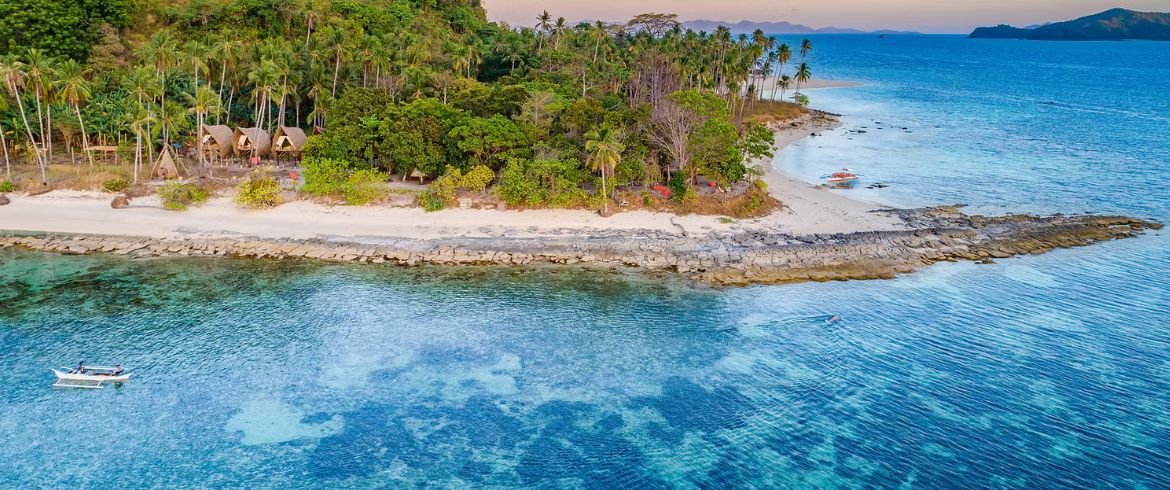
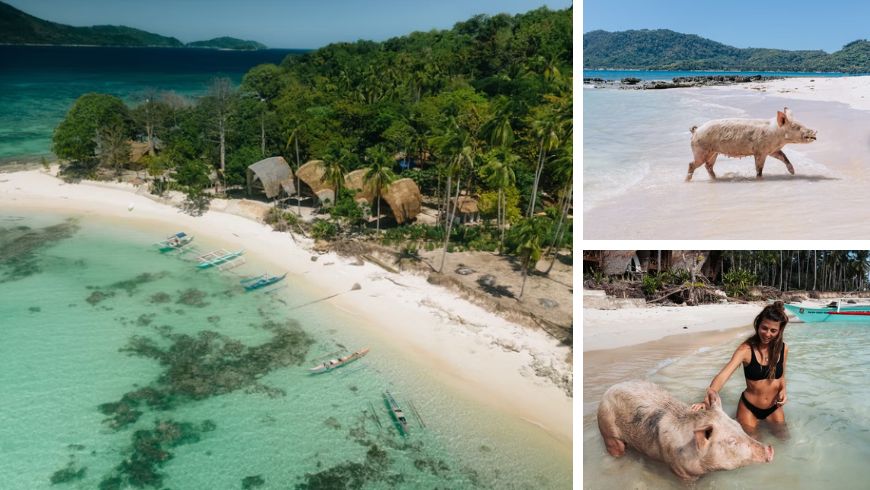
An hour north of El Nido, beyond the busiest tourist routes, the island feels wonderfully untouched: no traffic, no concrete resorts, no crowds competing for the sunset. Just white sand, fishing boats drifting across turquoise water, the sound of palms moving in the sea breeze, and a small local community that has called this island home for generations.
Here, life moves at the rhythm of the ocean.
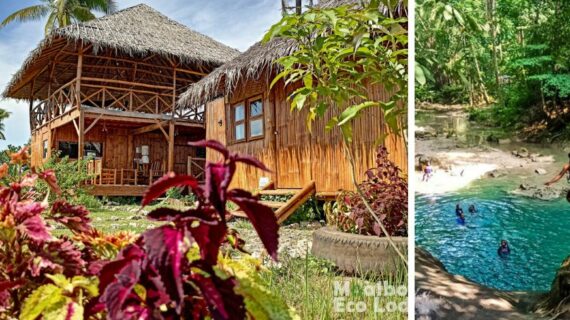
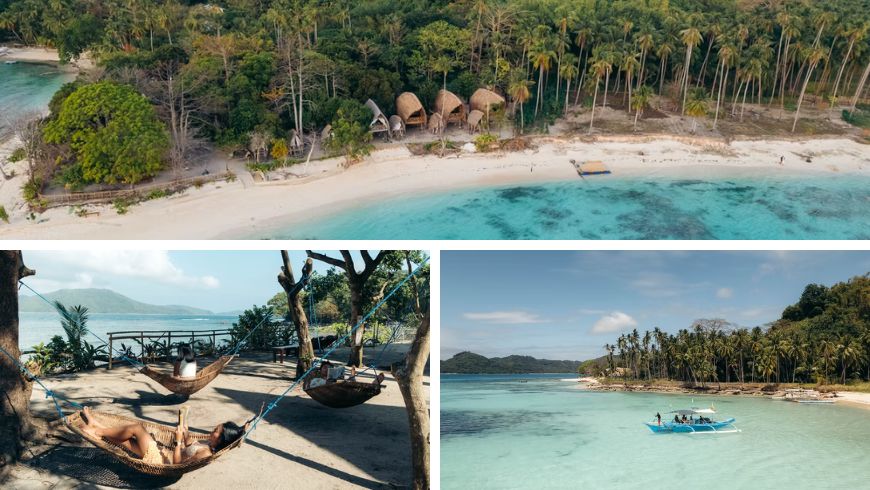
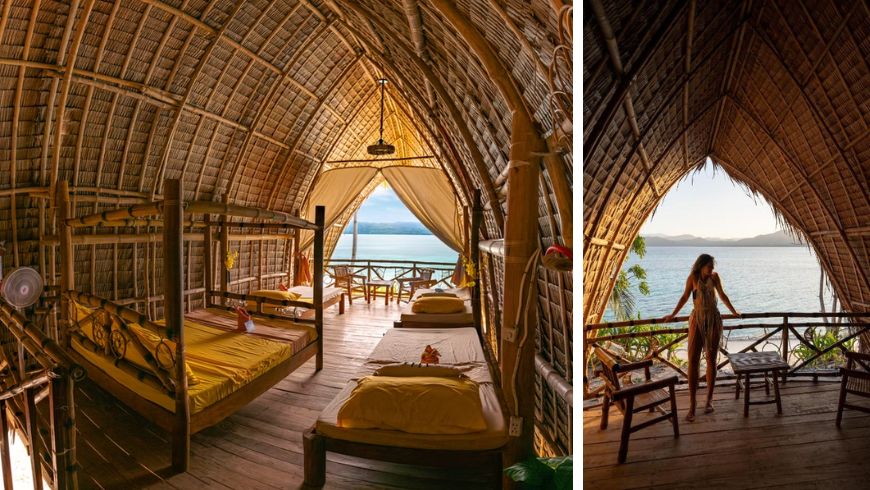
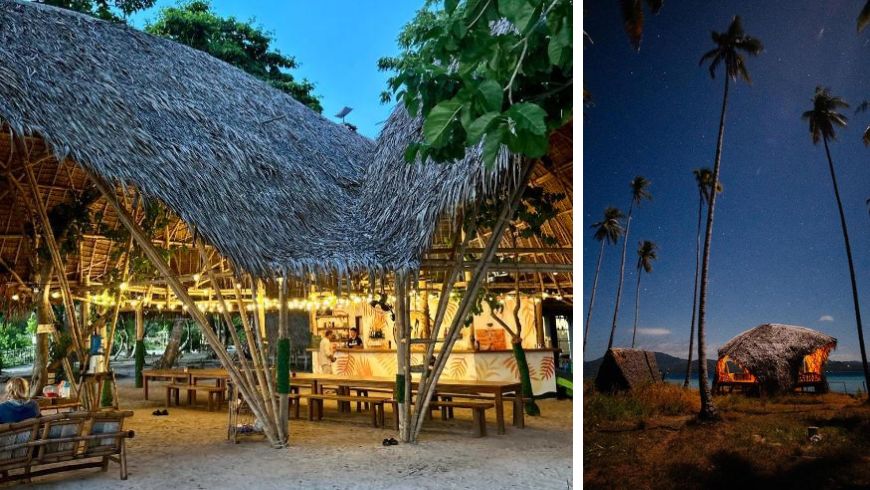
At Isla Experience, guests sleep in beachfront huts and glamping tents beneath star-filled skies, wake to the sound of the sea, and spend their days between coral reefs, hammock afternoons, shared meals, and meaningful encounters with the local community. Off-grid living here is not a trend or a marketing concept — it is simply part of everyday life.
To better understand how this vision came to life, we spoke with Adam, one of the people behind Isla Experience, about the philosophy, challenges, and values shaping this unique island project in Palawan.
How did Isla Experience come about?
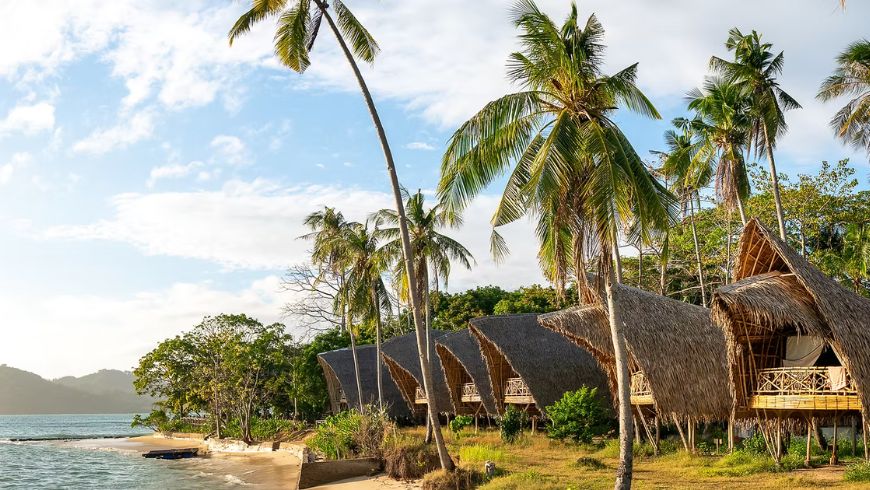
Darocotan Island sits about an hour north of El Nido, far enough from the tourist trail to feel like a genuinely different world. The idea behind Isla was simple: create a place where guests could experience the raw beauty of Northern Palawan without the crowds, the noise, or the polished artificiality of a typical resort.
Not a theme-park version of island life. The real thing.
The island already had a small local community, extraordinary marine biodiversity, and scenery that speaks for itself. The goal was to build something that enhanced all of that rather than exploiting it: beachfront huts and glamping tents instead of concrete towers, shared meals instead of room service, genuine cultural exchange instead of staged experiences.
Isla opened with a small team and a strong belief that off-grid living could still offer comfort, quality, and meaningful hospitality. That belief has never changed.
Sustainability at Isla: What We’re Actually Doing
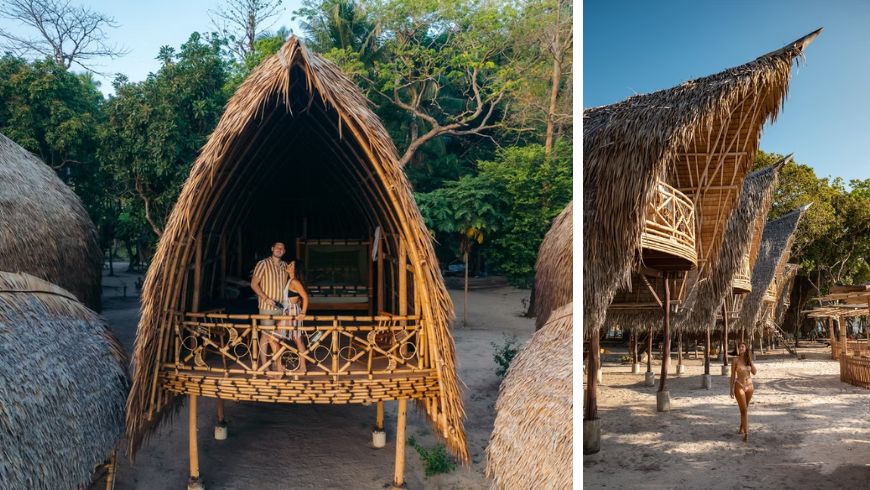
Energy
We run primarily on solar power. On clear days — which is most of the year in Northern Palawan — the island operates on 100% renewable energy. A generator exists only as a backup during extended periods of bad weather, but solar remains our default and our standard.
No air conditioning, minimal artificial lighting, and a genuine effort to keep our footprint small.
Eco Garden
We are currently developing our first on-site vegetable and fruit garden. The goal is to grow a meaningful portion of our produce locally, reducing reliance on mainland supply runs while serving food that is as fresh and local as possible, often picked the very same day.
Marine Conservation: Reefs, Tracking, and Crown of Thorns
The reefs around Darocotan Island still carry the scars of destructive fishing practices, including dynamite fishing, which shattered coral structures that took centuries to form. Restoring those reefs is one of our most important long-term commitments.
One of the less visible but very real threats to coral recovery in this region is the Crown of Thorns starfish (Acanthaster planci). These large, venomous starfish feed directly on coral tissue and, when populations go unchecked, can devastate entire reef systems in a short period of time. A single adult can consume up to six square metres of living coral each year.
We are currently developing a structured monitoring programme to track Crown of Thorns populations in the waters surrounding Darocotan Island. This includes regular reef surveys to record sightings, population density, and coral health. Where outbreaks are identified, removal efforts will be coordinated alongside local community members and, where possible, trained dive volunteers.
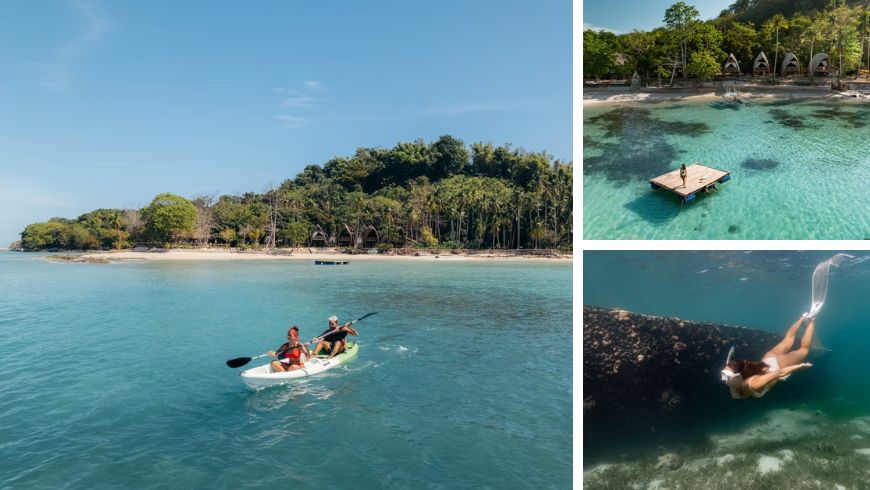
The broader conservation effort also begins with education. Snorkellers and divers are briefed on how to interact responsibly with coral reefs, recognise damaged ecosystems, and minimise their impact in the water. Guests who understand what they are seeing tend to care more deeply about protecting it — and that ripple effect matters.
Reef restoration takes time. But monitoring ecosystems, reducing active threats, and building awareness within both the local community and visiting travellers are the foundations that long-term recovery depends on.
Community: The Heart of the Experience
The community on Darocotan Island is made up of around 30 to 35 families, many of whom have lived here for generations. Fishing and coconut production remain the island’s primary livelihoods, and Isla aims to complement that local economy rather than compete with it.
We employ locally wherever possible, and many of the experiences we offer — including rattan and bayong weaving workshops, village tours, and cooking classes — are co-hosted with community members. Guests do not simply observe; they sit alongside artisans, learn traditional techniques, and leave with something they created themselves.
Isla also serves as a platform for local entrepreneurs, giving community members the opportunity to sell handmade crafts and locally sourced products directly to guests. It creates a more meaningful economic connection between travellers and the people who call the island home.
Student Internship Programme
One of the initiatives we are most proud of is our internship programme, run in partnership with Palawan State University and offered twice a year.
The programme provides hands-on training in hospitality and tourism, covering front-of-house operations, food and beverage service, and guest relations. The aim is to equip students with practical, employable skills that can open real opportunities for their future.
More than a short-term project, it is an ongoing investment in the next generation of the community that shares this island with us.
What to See and Do: Green Itineraries Around Palawan
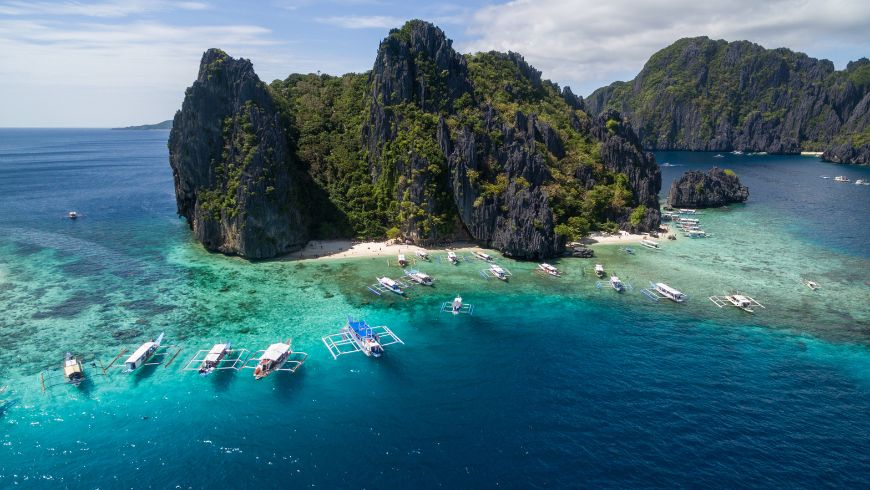
For guests who want to explore beyond the island, Northern Palawan offers extraordinary natural beauty.
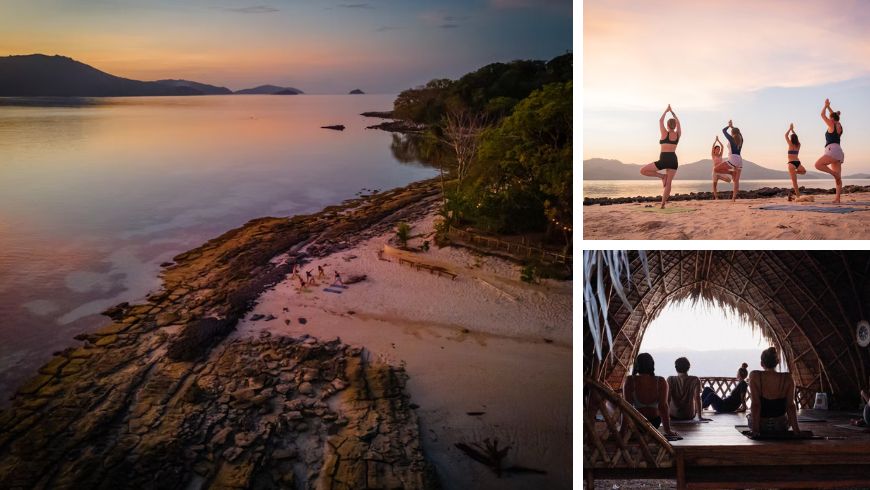
The Darocotan Island tour takes guests to a turtle sanctuary, through mangrove channels, and out to a pristine sandbar where yoga sessions unfold surrounded by nothing but sea and sky. Private boat, no crowds.
El Nido Tour A includes the iconic Big Lagoon, Secret Lagoon, and Shimizu Island — breathtaking for very good reason. Whenever possible, departures are timed to avoid the busiest hours.
The shipwreck snorkel just off the island offers a quieter and more intimate marine experience. Some believe the wreck dates back to the Japanese occupation during WWII. Whether or not that is true, the marine life that now surrounds it is remarkable.
The village tour remains one of the most meaningful experiences for many guests: unscripted, unhurried, and a genuine window into everyday island life.
And for those who prefer stillness, hammocks, the yoga hut, and a beach bar overlooking the bay are perfectly valid ways to spend the day.
What Guests Love Most
What guests talk about most is often not what you might expect: the people.
Almost every member of the Isla team comes from the surrounding barangays, and that connection to place runs deep. Guests regularly mention the warmth of the staff, the stories shared over dinner, and the feeling that the people welcoming them genuinely belong here.
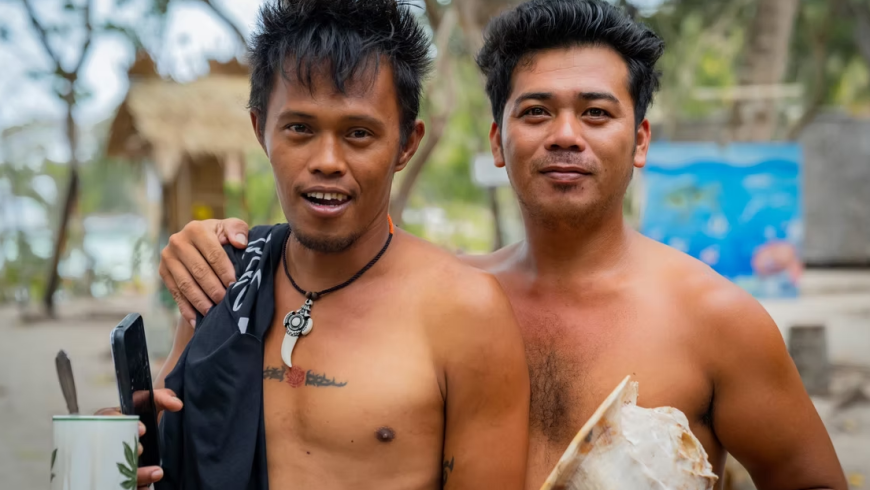
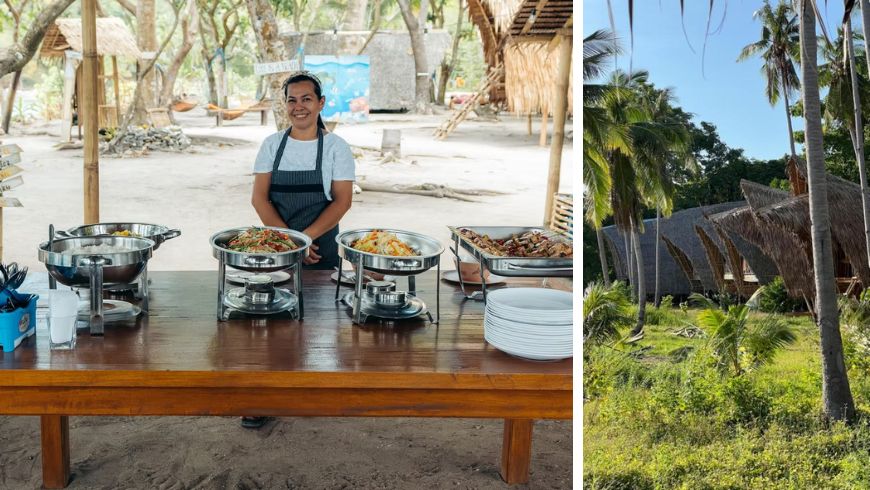
The cooking class is another guest favourite. Visitors cook with local ingredients, learn techniques rooted in Filipino tradition, and share the meal together afterwards. Relaxed, social, and memorable long after the trip ends.
Many guests are also surprised by how quickly they adapt to the simplicity of off-grid living. No televisions, no air conditioning, no hot water — and within a day or two, most realise they do not miss any of it. The Starlink WiFi is there if needed, but many barely touch their phones.
And then there are the sunsets. Every single evening.
Why Ecobnb Feels Like the Right Fit
Isla is not trying to become the biggest resort in Palawan. The goal has always been something simpler: to create an honest, low-impact way to experience island life.
Being part of the Ecobnb community means connecting with travellers who already understand the value of slower, more conscious travel — people who choose meaningful experiences over unnecessary luxury and who want their journeys to leave something positive behind.
In a place like Palawan, sustainable tourism is not optional. The health of the environment and the wellbeing of the local community are deeply connected to the future of tourism itself.
That is why Ecobnb feels like such a natural fit for Isla — and exactly the kind of traveller we hope to welcome to the island.
Conclusion
Isla Experience shows that travel can still feel slow, grounded, and meaningful.
Here, sustainability is not a checklist but a way of life — visible in solar-powered evenings, in coral reef protection, in local craftsmanship, and in the relationships built between guests and the island community.
Darocotan Island reminds us that true luxury is not about excess, but about space: space to breathe, to connect, and to experience a place without overwhelming it.
If you are looking to experience Palawan more deeply, this is where you can truly find yourself sleeping under the stars — where nature, community, and simplicity shape every moment.
 Isla - The Island Experience – Green Glamping in El Nido, Palawan, Mimaropa, PH