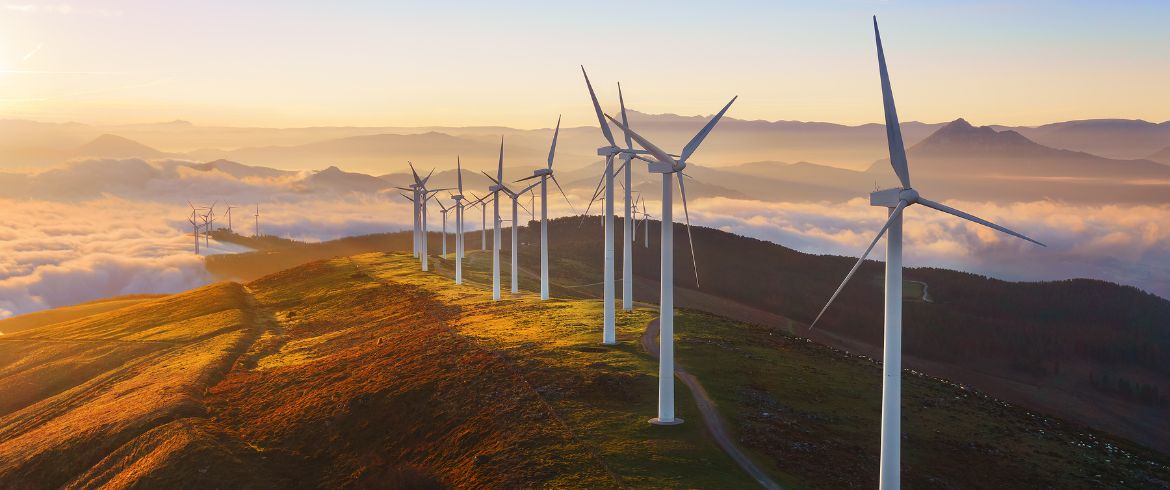
From Middle East Crises to Extreme Heat Waves, the Link Between Fossil Fuels, Climate Change, and Conflicts Is Becoming Increasingly Clear. The Transition to Renewable Energy Could Be the Key to a More Stable, Sustainable, and Peaceful Future.
In a world increasingly marked by conflicts and climate crises, one often overlooked truth emerges: energy, the environment, and peace are deeply interconnected. Recent events – from tensions in the Middle East to extreme heat waves in the United States – are not isolated incidents but signals of a fragile global system built on fossil foundations.
A recent article by writer and activist Rebecca Solnit highlights the deep link between the climate crisis, geopolitical conflicts, and the energy model, urging us to envision a different future. A future where clean energy is not just an ecological choice but a practical strategy for building stability, autonomy, and peace.
But why are new energies and peace so closely connected?
Fossil Fuels and Conflicts: Why Oil Fuels Wars
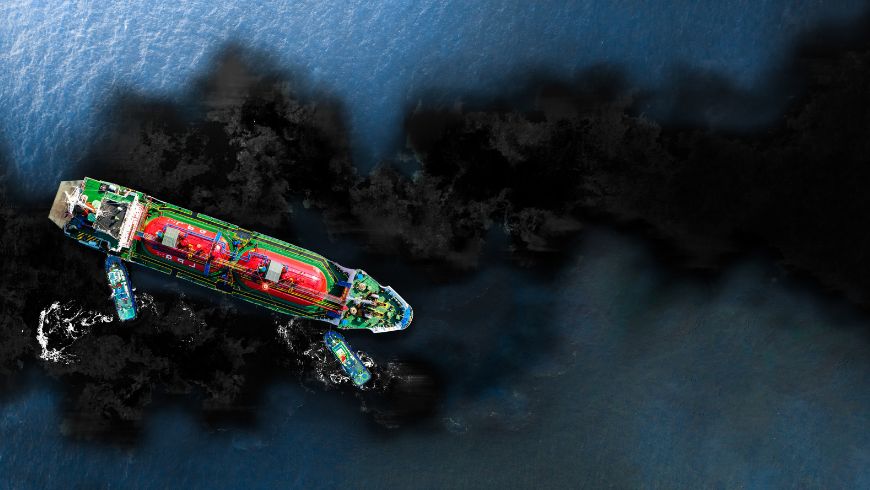
The global dependence on oil and gas is not just an environmental issue: it is also a political one. Tensions along energy routes – such as those crossing the Strait of Hormuz – show how vulnerable the system is. When these flows are interrupted, consequences spread rapidly: price increases, economic instability, and difficulties for agriculture and industry.
It is not new: fossil fuels have historically been linked to conflicts and geopolitical imbalances. Control over energy resources has often fueled wars, international tensions, and asymmetric power dynamics. Today, this reality is increasingly evident.
Climate Crisis and Violence: The Hidden Effects of Fossil Fuels
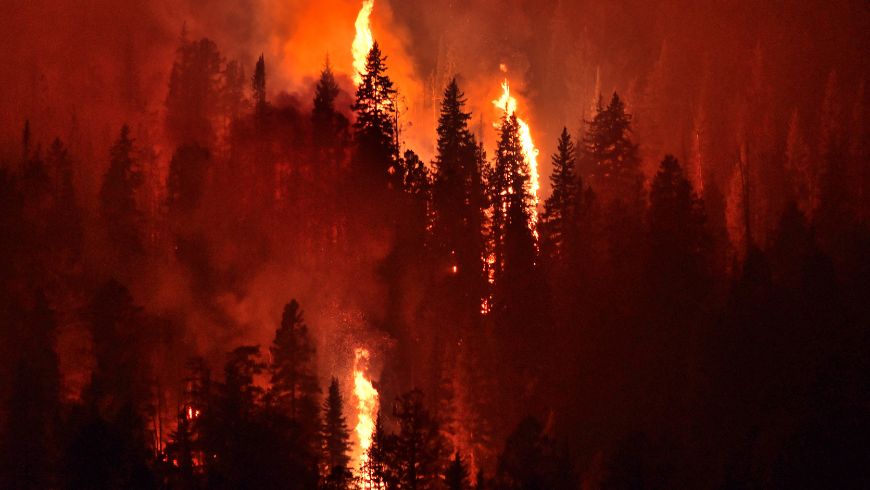
At the same time, the climate crisis is showing its harshest side. Out-of-season heat waves, devastating wildfires, droughts, and floods are becoming increasingly frequent. These phenomena not only destroy ecosystems but also endanger human lives, local economies, and agricultural systems.
Violence is not only that of armed conflicts: it is also the quieter but equally devastating violence of an energy model that alters the climate and compromises the future.
Renewable Energy: The Energy Revolution Has Already Begun
Yet, there is good news: the transition has already begun.
According to the International Renewable Energy Agency, 91% of new energy plants installed worldwide in 2024 are cheaper than fossil alternatives. This means that choosing renewables today is not only ethical but also economically advantageous.
Solar, wind, geothermal, and hydropower are reshaping the global energy landscape. In many countries, production is increasingly decentralized: energy is generated close to where it is consumed, reducing dependence on imports and vulnerable infrastructure.
In some regions of the world, such as Australia, solar energy is so abundant that electricity becomes free during peak hours. In California, massive storage systems allow energy produced during the day to be used at night.
Local Renewable Energy: More Autonomy and Resilient Communities
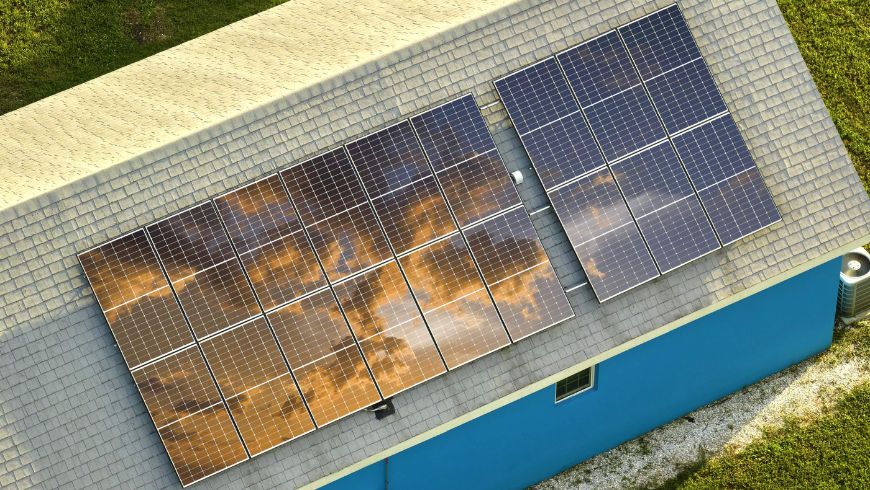
One of the most revolutionary aspects of renewable energy is its distributed nature. Unlike fossil fuels, which require large infrastructure and centralized power, the sun and wind are everywhere.
This paves the way for a more democratic energy model, where communities, territories, and even individual accommodations can become energy producers.
For organizations like Ecobnb, this means a lot: choosing renewable energy is not only a matter of environmental sustainability but also of autonomy, resilience, and alignment with a vision of more responsible tourism.
Toward an Electric World: The Benefits of Clean and Distributed Energy
The energy transition is not just about how we produce energy, but also how we use it. More and more sectors are moving toward electrification: transportation, construction, and industry.
A world powered by renewable electricity is a world that is:
- quieter (think electric cars)
- cleaner (with no direct emissions)
- fairer (with broad access to resources)
- more stable (less dependent on geopolitical crises)
Renewable Energy and Peace: How the Transition Reduces Conflicts
Talking about renewable energy today also means talking about peace. Reducing dependence on fossil fuels means removing the ground from under conflict, instability, and inequality. In other words, the energy transition is also a form of conflict prevention.
Some countries have already understood this: investing in renewables also strengthens energy independence and the ability to face global crises.
What We Can Do Every Day: The Role of Sustainable Choices

The ecological transition is not only played out on major international stages but also in everyday choices:
- how we use energy,
- how we travel,
- where we stay,
- what we consume,
- how we eat.
Choosing sustainable accommodations, reducing waste, and prioritizing renewable sources are concrete actions that help build a different system.
A Future Without Fossil Fuels Is Possible (and Already Started)
Overcoming the fossil fuel era is one of the greatest challenges of our time. It means limiting the climate crisis, creating more resilient communities, and reducing the causes of conflicts.
The transition to renewable energy is not only about how we produce energy but about the kind of world we want to live in. A world where energy is clean, accessible, and shared. A world where communities are less dependent on unstable resources and more capable of self-determination.
Ultimately, imagining a future powered by sun, wind, and water means imagining a future with less tension, fewer inequalities, and greater balance with nature.
Peace ultimately also passes through our energy choices. And today, more than ever, it is a choice we can make!
Photo via Canva PRO