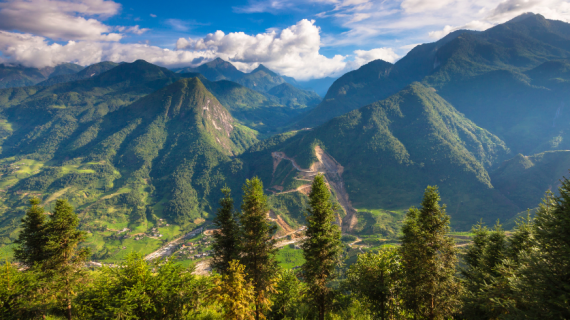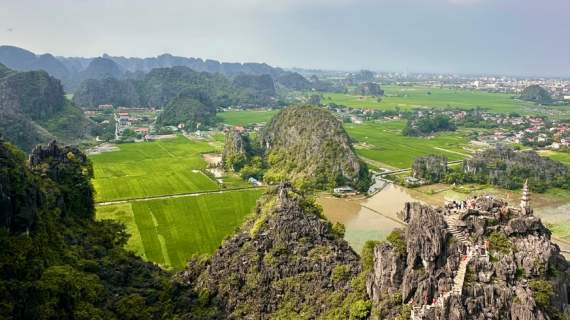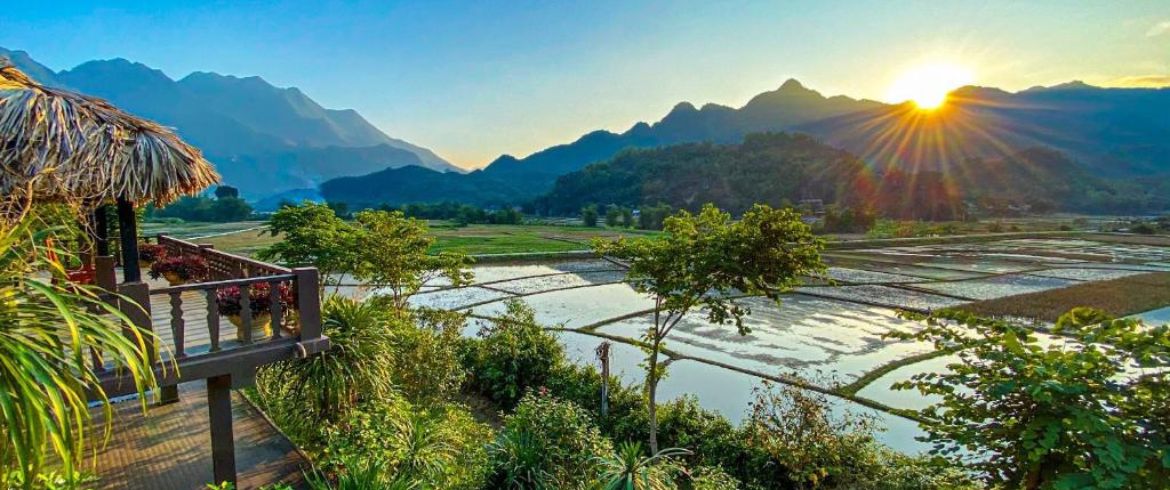
Planning a sustainable trip to Vietnam? Choosing eco homestays in Vietnam can turn a simple holiday into a real cultural experience. Instead of just booking a room, you connect with local families, traditions, and landscapes.
In fact, staying in eco homestays in Vietnam allows travelers to slow down and connect more deeply with each destination. More than just a place to sleep, these stays support local livelihoods, protect nature, and encourage travel that respects both people and the environment.
Why choose eco homestays in Vietnam?
Besides helping the planet, you experience Vietnam in a deeper and more real way.
- Cultural immersion: You stay with local families or in community-run properties. As a result, you participate in traditions, food, and everyday life.
- Environmental protection: Many properties focus on eco-friendly design, water management, and waste reduction. In addition, they often use local and organic produce.
- Community support: Your stay directly benefits local workers, farmers, and small businesses.
- Unique experiences: From mountains to river deltas, eco homestays in Vietnam offer slower and more real travel.
Explore eco-friendly stays in Vietnam on Ecobnb.
Types of Sustainable Accommodations
When traveling responsibly, the type of accommodation you choose shapes your entire experience. For example, some stays focus on cultural exchange, while others highlight nature, wellness or rural life. Therefore, understanding the differences helps you select the right option.
Before staying in a local home stay, check tips on how to connect with local community here.
Eco-Homestay
Eco-homestays are family-run accommodations where visitors stay in local homes or community spaces. Typically, these stays emphasize cultural immersion, shared meals and simple living. Because facilities are low-impact, guests experience daily life in an sustainable and natural way.
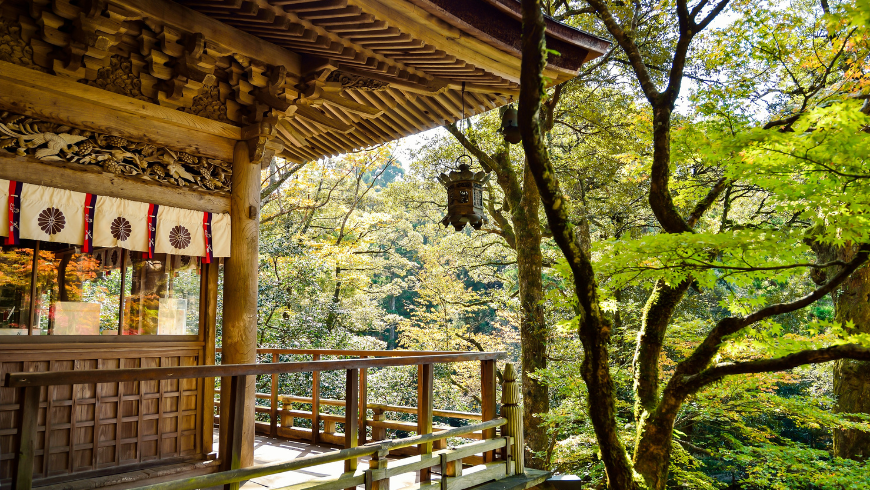
Ecolodge
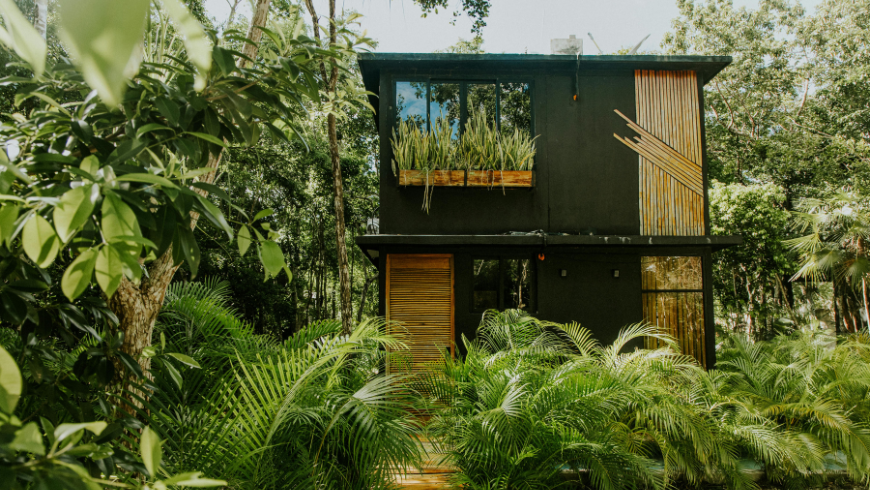
Ecolodges are designed to blend with nature. Usually located in forests, mountains or near rivers, these properties use eco-friendly materials and low-efficient systems. Moreover, water-saving practices and waste reduction strategies help reduce their impact on nature.
Farmstay
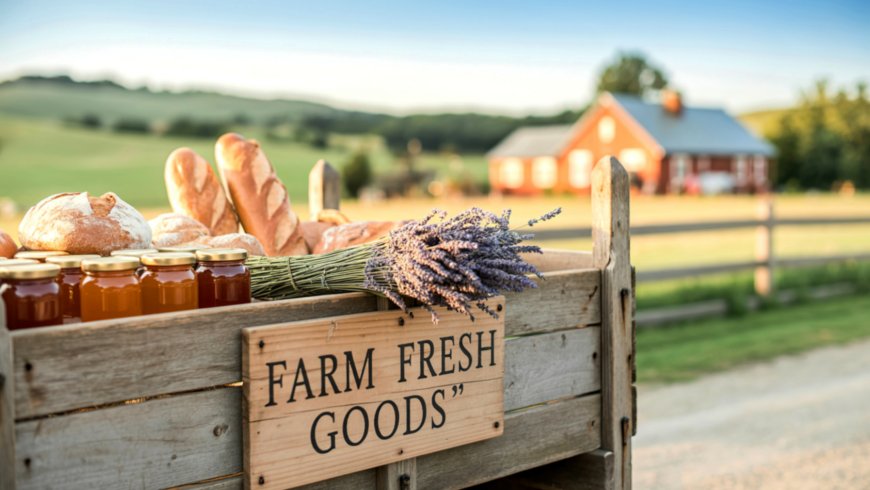
Additionaly, farmstays offer a hands-on rural experience. During your visit, you may join seasonal activities and learn traditional farming practices. Also, you enjoy fresh farm-to-table meals, creating a stronger connection to the land.
Glamping / Eco Camps
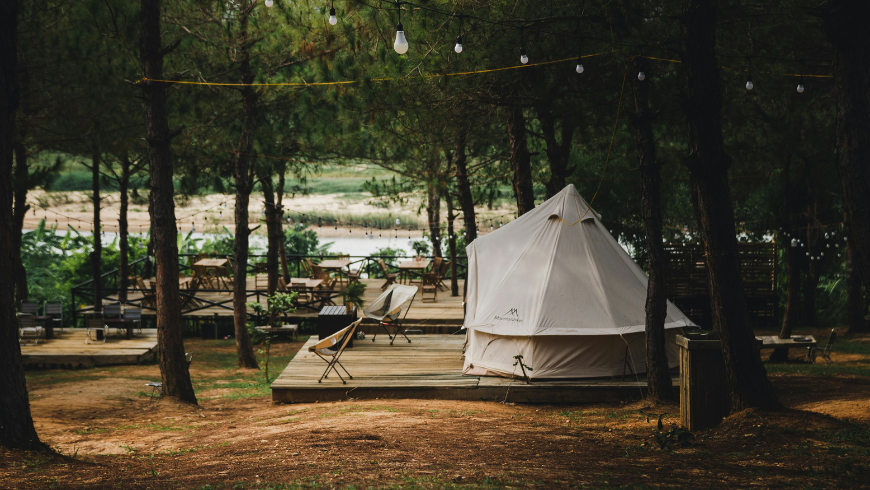
Glamping is a mix of outdoor adventure and comfort. Instead of traditional hotel rooms, guests stay in eco-friendly tents or cabins set within natural landscapes. While comfort is maintained, the design remains low-impact and responsible.
Retreats
Sustainable retreats focus on well-being and balance. Often located in peaceful settings, they offer yoga, meditation, and nature walks. At the same time, they follow eco-principles and mindful living.

Luxury Eco Stays
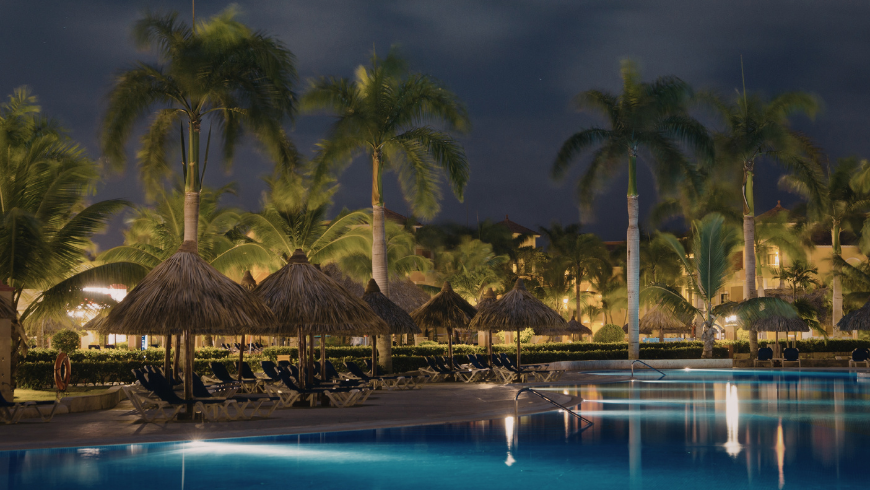
Luxury eco stays provide high-end comfort with eco-friendly practices. Besides that, these properties combine refined service, locally sourced cuisine, and eco-friendly design. Therefore, travelers can enjoy premium experiences while still supporting responsible tourism.
Eco Homestays in Vietnam
Vietnam is a long country, with diverse regions to explore from North to South. You can travel by bus, train, and flight. Check how you can travel Vietnam by train here.
Northern Vietnam – Eco Homestays in Mountains, Valleys & Traditions
For example, if you are visiting Northern Vietnam, you cannot miss the Ha Giang Loop, Ninh Binh, Hoang Lien National Park, and the Sapa Region.
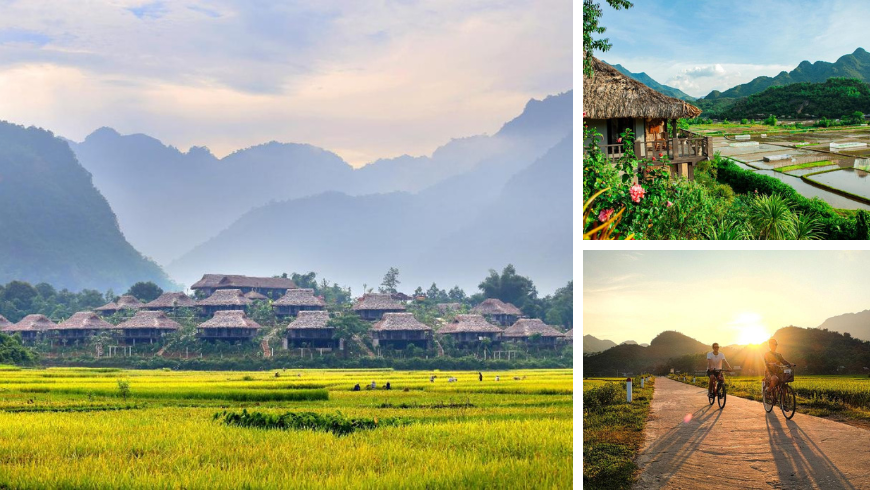
1. Mai Chau Ecolodge
Located in Mai Chau Valley in Hoa Binh Province, about 140 km southwest of Hanoi, this ecolodge sits among rice fields and limestone mountains. The area is known for its Thai ethnic villages, cycling routes, and peaceful countryside landscapes.
Guests can enjoy scenic walks, cultural encounters with local communities, and authentic regional meals. The tranquil surroundings make it a relaxing and culturally rich eco homestay experience in northern Vietnam.
Check it out: Mai Chau Ecolodge in Ecobnb
2. Pu Luong Retreat
Located in Mai Chau Valley in Hoa Binh Province, about 140 km southwest of Hanoi, this ecolodge sits among rice fields and limestone mountains. The area is known for its Thai ethnic villages, cycling routes, and peaceful countryside landscapes.
Guests can enjoy scenic walks, cultural encounters with local communities, and authentic regional meals. The tranquil surroundings make it a relaxing and culturally rich eco homestay experience in northern Vietnam.
Check it out: Pu Luong Retreat
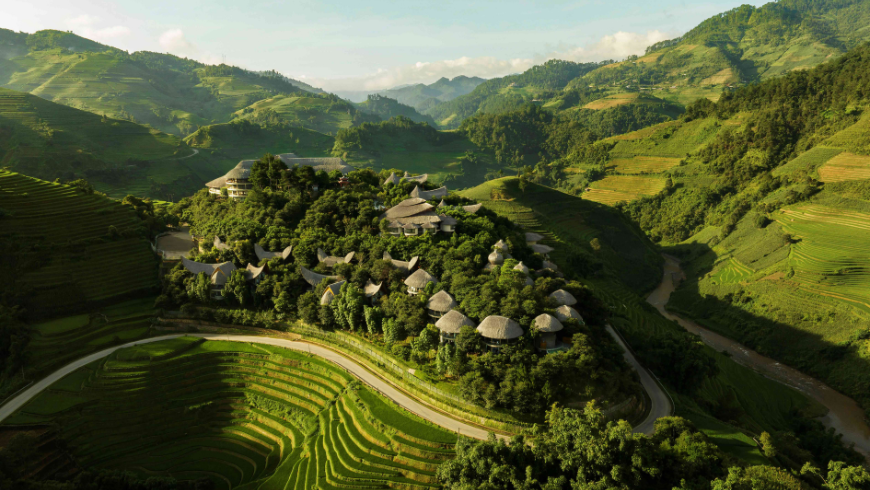
3. Garrya Mù Cang Chải
Located in the spectacular mountains of Lao Cai Province in Northern Vietnam in Northern Vietnam, Garrya Mù Cang Chải sits among the region’s famous terraced rice fields, widely considered some of the most breathtaking landscapes in Southeast Asia.
This eco-luxury retreat combines modern comfort with traditional architecture and natural materials, creating a peaceful setting surrounded by mountains and rural villages while promoting responsible tourism that supports local culture and nature conservation.
Guests can explore nearby rice terraces, visit ethnic minority villages, and experience the slower rhythm of life in Vietnam’s northern highlands.
Learn more: Garrya Mù Cang Chải
Check it out their Sustainability & Impact Report
Central Vietnam – Eco Homestays in Beach, Farms, Forests & Rural Living
4. Chay Lap Farmstay
Chay Lap Farmstay is located in Phong Nha–Ke Bang National Park in Quang Binh Province, near the town of Phong Nha, one of Vietnam’s top adventure destinations. The area is famous for its limestone caves, jungle landscapes, and river valleys.
Surrounded by forests and rivers, guests can cycle through rural villages, kayak on the river, or explore nearby caves. Meals feature fresh local ingredients, offering visitors a true taste of slow rural life.
Explore: Chay Lap Farmstay
5. LAK Tented Camp
LAK Tented Camp sits on the shores of Lak Lake in Dak Lak Province, in Vietnam’s Central Highlands, about 50 km from Buon Ma Thuot city. This region is known for its volcanic landscapes, forests, and the traditional culture of the M’Nông people.
The eco-glamping camp blends comfort with nature, with tents and wooden cabins integrated into the lakeside forest. Visitors can enjoy trekking, kayaking, and cultural experiences with local communities.
Learn more: LAK Tented Camp
6. Hue Ecolodge
Hue Ecolodge is located in Thuy Bieu Village on the outskirts of Hue, a historic city in Central Vietnam known for the Imperial Citadel, royal tombs, and the Perfume River. The ecolodge is surrounded by lush gardens, pomelo orchards, and peaceful rural landscapes just a short distance from the city center.
Designed using traditional materials like bamboo and wood, the lodge promotes eco-friendly architecture and local culture. Guests can explore nearby villages by bike, visit historical sites in Hue, and experience the slower rhythm of countryside life.
Discover more: Hue Ecolodge
Southern Vietnam & Mekong Delta – Eco Homestays Vietnam on Waterways, Culture & Rivers
7. Mamadelta Retreat
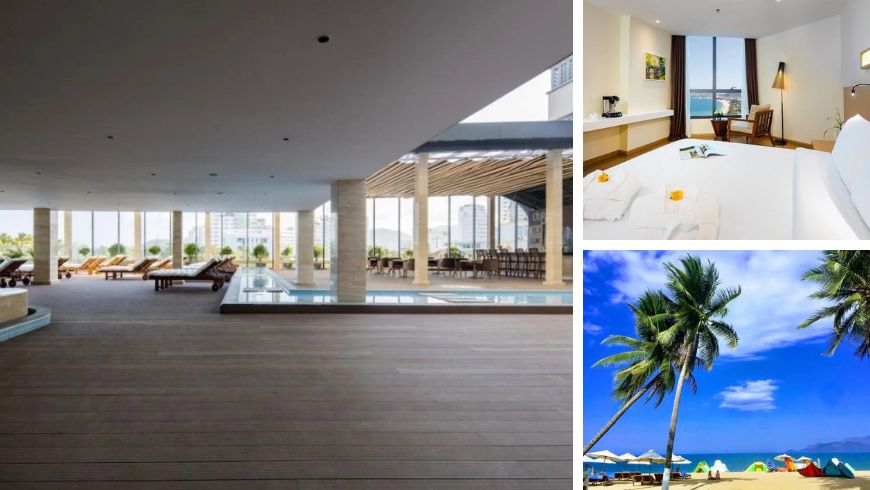
Mamadelta Retreat is located in Khanh Hoa Province on Vietnam’s south-central coast, not far from the popular beach city of Nha Trang. The area combines coastal landscapes, fishing villages, and tropical nature.
The retreat focuses on community-based tourism and sustainable hospitality, offering travelers a peaceful place to connect with nature while supporting local jobs and culture.
Check it out: Mamadelta Retreat in Ecobnb
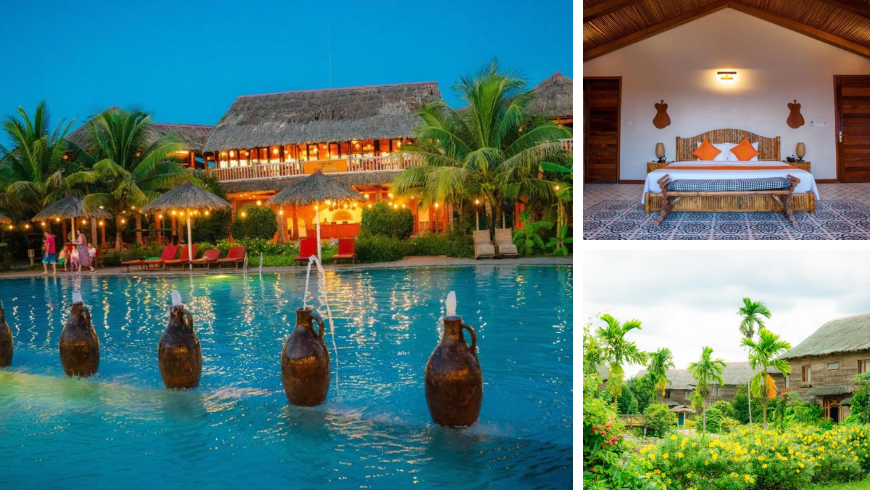
8. Can Tho Ecolodge
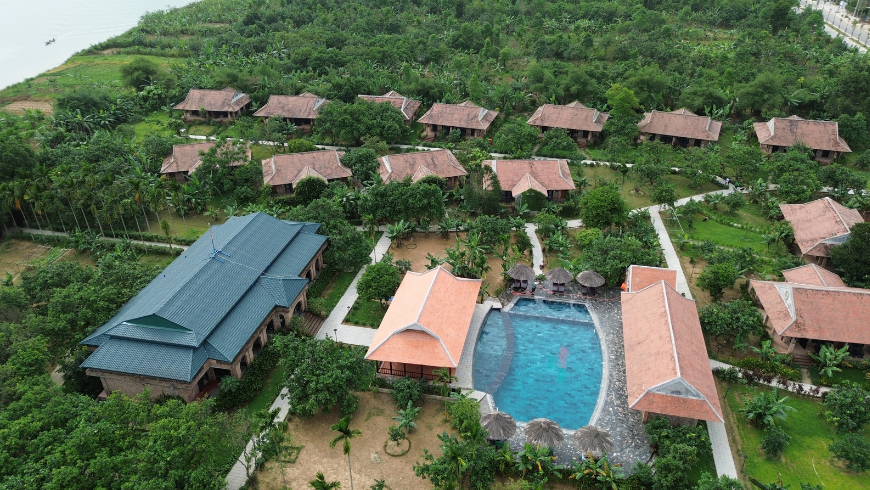
Can Tho Ecolodge is located in Cai Rang District near Can Tho City, the largest city in the Mekong Delta. The lodge sits along peaceful canals and is close to the famous Cai Rang Floating Market, one of Vietnam’s most iconic river markets.
Built with natural materials, the ecolodge blends traditional architecture with comfort. Visitors can explore river life, floating markets, fruit orchards, and local villages.
Visit the official website: Can Tho Ecolodge in Ecobnb
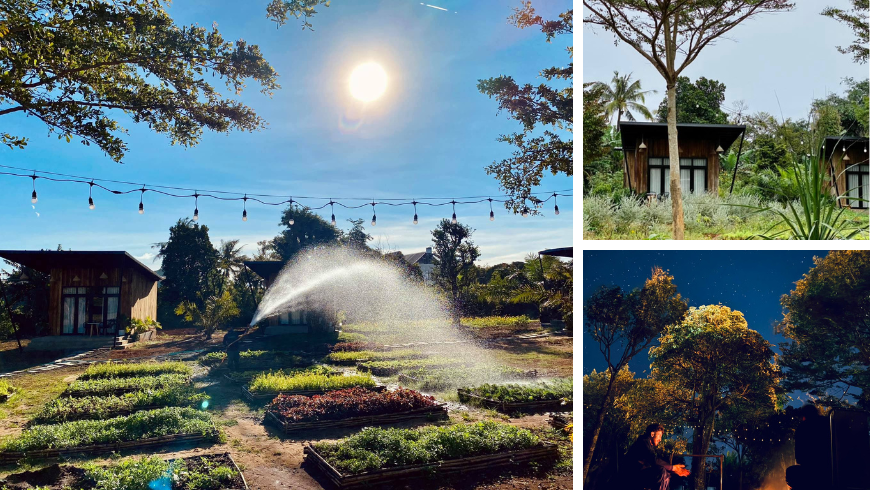
9. Paksong Farmstay
In the highlands of Gia Lai, this rustic farmstay offers bungalows and camping spaces. Travelers experience peaceful rural culture and traditional farming life in a quiet natural setting.
More information of Paksong Farmstay in Ecobnb
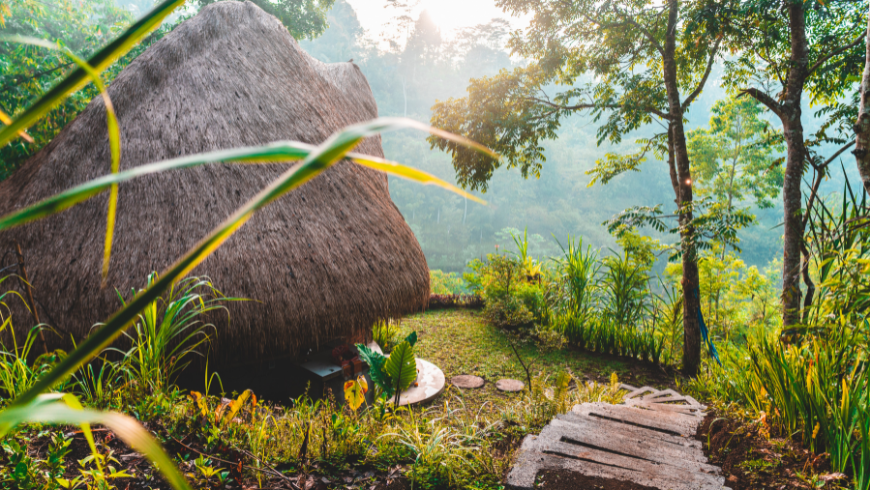
10. Ecoco Homestay
In the heart of the Mekong Delta, Ecoco Homestay offers an amazing river community experience. During their stay, guests can join boat excursions, orchard visits and fishing trips. At the same time, the host family prepares farmhouse-style meals using fresh local ingredients. Thanks to this close connection to daily life, the homestay is ideal for travelers seeking authentic eco homestays Vietnam in Southern Vietnam.
Official website Ecoco Homestay
How to Choose Your Eco Homestays Vietnam
Cultural Immersion: Rural family stays allow deeper connections with traditions and everyday life.
Nature & Tranquility: Choose ecolodges and farmstays surrounded by fields, forests and water for truly restorative experiences.
Water & Delta Life: Riverfront and delta stays are perfect for boat rides, floating markets and exploring river life.
Sustainability Tips for Travelers
Overall, responsible travel starts with conscious choices. When staying in eco homestays Vietnam, you can reduce your impact while supporting local communities.
Also, you can check more information about tips for your sustainable trip to vietnam here!
First, support stays that employ local people and use locally sourced products, as this directly strengthens the regional economy. In addition, choose properties that invest in solar energy, water treatment systems and responsible waste management to minimize environmental impact. Finally, seek out experiences that encourage cultural exchange and mutual respect rather than simple sightseeing.
Cover image: Mai Chau Ecolodge
 Can Tho Ecolodge – Green Accommodation in Can Tho, Cai Rang, Cần Thơ, VN
  Paksong Farmstay – Green Farm house in Pleiku, Gia Lai, VN
  Mai Chau Ecolodge – Green Ecovillage in Hoa Binh, Mai Chau, VN
  Mamadelta Retreat – Green Apartment in Nha Trang, Khanh Hoa, Khanh Hoa Province, VN