
Many travelers want to recycle and reduce waste during their stay, but without a smart waste system in accommodation, confusion quickly takes over.
In many accommodations, waste management systems are unclear, poorly labeled, or placed outside, far from where waste is actually produced. Guests guess. Mistakes happen. Recycling becomes contaminated, and in the end, everything goes into general waste, even when guests had the best intentions.
A smart waste system in accommodation helps guests recycle correctly without confusion or stress. It makes the sustainable choice the easy choice, for both guests and hosts.
Simple Steps That Reduce Costs and Help the Planet
The good news is that creating a smart waste system for accommodations does not require big investments or complex technology. Most improvements come from better bin placement, clear visual signs, and small daily habits.
By organizing waste streams properly, using simple visual guides (colors and labels) instead of long rules, and making separation easy in kitchens, bedrooms, and common areas, hosts can reduce sorting mistakes, lower waste collection costs, and save cleaning time. At the same time, guests feel supported and not judged. Sustainability becomes part of the experience, not an extra effort.

Why a Smart Waste System Matters in Accommodation
A smart waste system in accommodation improves efficiency, reduces errors, and supports both guests and staff. A clear waste system in accommodation does much more than help the planet. It helps accommodations to:
- Reduce waste management costs
- Lower contamination fees
- Save cleaning time
- Help guests feel part of a positive impact
Small operational changes can lead to meaningful environmental results when systems are easy to understand and well communicated. Clear waste systems also build transparency and trust. Guests notice when sustainability is practical, not just a message on a website.
The Problem: Guests Want to Recycle, but Systems Are Unclear
Guests come from different countries, each with different recycling rules. Many worry about doing the wrong thing. When instructions are missing or confusing, they stop trying.
This is a common challenge that can be addressed and communicared with guests. Clear visuals and simple language make all the difference.
The Basics: Build a Clear and Simple Waste System
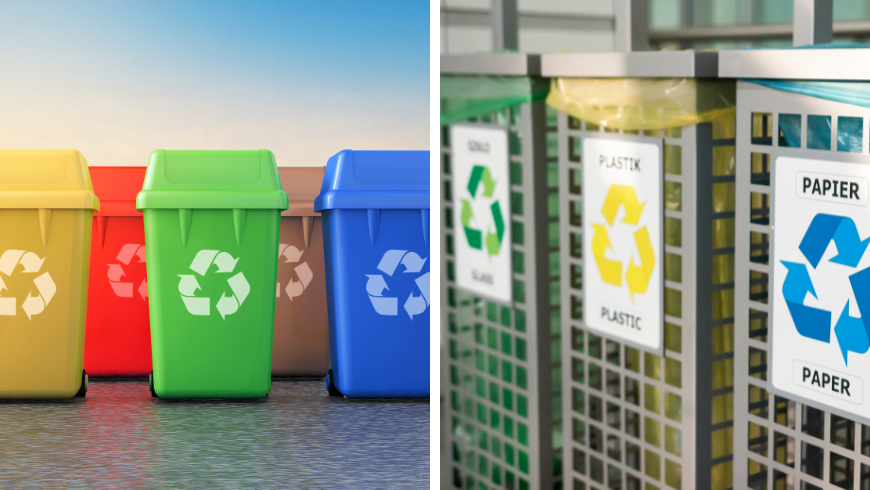
Provide Clearly Labeled Sorting Bins
Clear labels prevent contamination and help guests feel confident. At a minimum, offer separate bins for:
- General waste
- Mixed recycling
- Organics / food waste (FOGO)
- Glass-only, if required locally
If possible, composting can also be part of the system.
Place Sorting Bins Where Waste Is Created
Waste sorting should happen where waste happens. If bins are far away or unclear, guests will not use them correctly.
- In the kitchen: provide a full sorting station with general waste, recycling, and food waste (FOGO)
- In the bedrooms: provide at least two bins — general waste and recycling
- Avoid placing all bins outside or in hidden service areas
- Add small bins in shared dining or common spaces when needed
When waste separation is easy and convenient in every space, guests make better choices without thinking about it.
Use Color-Coded Bags
Color coding is a powerful visual tool. This simple system reduces errors instantly and works even when guests do not read instructions.
- Green for organics
- Blue or yellow for recycling
- Black or red for general waste
- Purple for glass
Always check local rules, as colors can change by country or region.
Use a Simple Visual Cheat Sheet
Instead of long rules, use visuals. A one-page guide with icons or photos, “Yes / No” examples, and simple language can help a lot.
You can place it on the fridge, near the bins, or inside a cupboard. Visual guidance is one of the most effective ways to reduce mistakes and is widely recommended for hospitality developments where clarity is essential for success. This will create a well-designed waste system for hospitality developments.
Organics and Food Waste: Simple Systems That Really Work
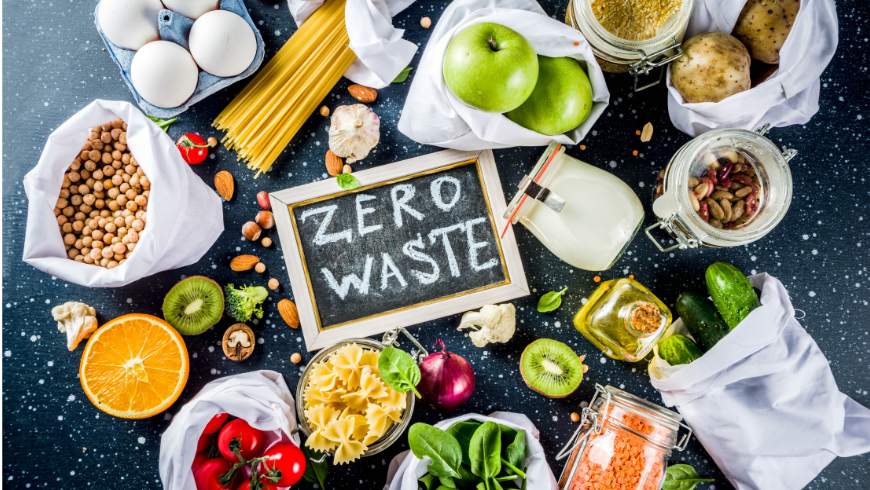
Food waste is one of the biggest challenges in hospitality, especially in kitchens, where most organic waste is created. Without a clear system, food scraps often end up in general waste, even when guests want to do the right thing.
A simple solution is to make food waste separation easy from the start. A small benchtop caddy in the kitchen helps guests and staff separate scraps while cooking or preparing meals. It keeps the space cleaner, reduces smells, and encourages small daily habits that quickly become routine.
This food waste caddy should connect directly to a clearly labeled organics or FOGO bin, with simple guidance on what goes inside. Clear bins, visual labels, and daily emptying routines make organic waste management much more effective and reduce overall waste.
When separated correctly, organic waste becomes a resource. Composting food scraps on-site or using a local collection service helps close the loop between food, waste, and nature.
Pro Tips: Go One Step Further
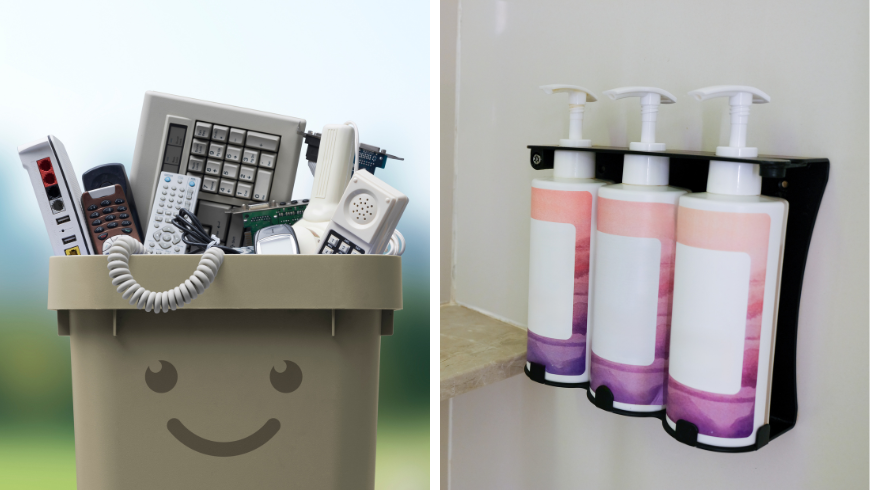
- Add an E-waste box for batteries, chargers, and cables
- Reduce unnecessary packaging and choose suppliers with minimal wrapping
- Use refilables bottles instead of one-use ones
- Explain the system briefly in your guest welcome message
- Review bins regularly to improve clarity
These small details make a big difference over time.
Beyond these practical steps, highlighting your sustainability efforts can make a real difference for guests. When eco-friendly practices are visible, easy to engage with, and integrated into daily routines, guests feel encouraged to participate and appreciate the thoughtfulness behind them. Sharing your commitment helps turn everyday actions into a meaningful story, showing that eco-conscious choices are not just policies but a tangible part of life in your accommodation.
A Simple System with a Big Impact
Guests want to do the right thing. They just need clear systems that make it easy.
A smart waste system in accommodation reduces costs, saves time, and protects local ecosystems. Most importantly, it turns sustainability into a shared experience, one that guests remember and appreciate.