

For many young travelers, choosing where to stay is one of the most exciting but also one of the hardest parts of planning a trip. Even seasoned backpackers and digital nomads sometimes feel unsure about whether a place will match their expectations. With so many options today – budget rooms, luxury hotels, and large commercial chains – it can be difficult to figure out which accommodations actually add to the travel experience. Meanwhile, interest in sustainability is growing, and more young travelers want their choices to reflect their values. This makes the decision feel even more important, as people look for stays that are affordable, authentic, and environmentally responsible.
The good news is that choosing responsibly doesn’t have to be complicated. Confidence comes from understanding the habits and systems that make travel more intentional and enjoyable. As young people combine travel with personal goals – creative work, wellness, remote jobs, or online studies – they’re realizing that the type of space they stay in can influence their mindset and experience. Many already use digital tools to stay organized or outsource academic tasks while traveling, freeing up time to fully enjoy their trips. Eco-friendly accommodation supports this same mindset by offering comfort, purpose, and a sense of connection that makes travel more meaningful and restorative.
Why It’s Harder Than Ever to Choose the Right Place to Stay
Environmental pressure: Popular destinations face pollution, water shortages, and waste from high-impact tourism. Lack of authenticity: Many large hotels feel generic and disconnected from local culture.
Overcrowding: Traditional accommodations are often located in dense tourist zones, which can feel stressful.
Rising costs: Standard hotels may charge for amenities travelers don’t even use. Ethical concerns: Income from big resorts doesn’t always support local workers or communities.
Recognizing these challenges makes it easier for young travelers to understand why sustainable accommodations are becoming the smarter, more appealing choice.
Accommodation Choices That Elevate Travel and Encourage Better Exploration
Young travelers today want more than just a place to sleep. They want trips that feel personal, cultural, and connected. Eco-friendly accommodations naturally support this shift by creating spaces that add value to the experience rather than distract from it. Whether through community involvement, local design, or respect for nature, these places help turn travel into something deeper and more educational.
Understanding how eco-friendly lodging enriches every part of a journey helps travelers make decisions that feel aligned with their values – not just their budget.
Eco-Friendly Stays for Capturing Genuine Travel Experiences

Benefits at a glance:
- experience local culture more closely
- stay in natural, quiet environments
- enjoy buildings made with regional or natural materials
- find spaces that inspire creativity and reflection
- meet hosts who share meaningful local insight
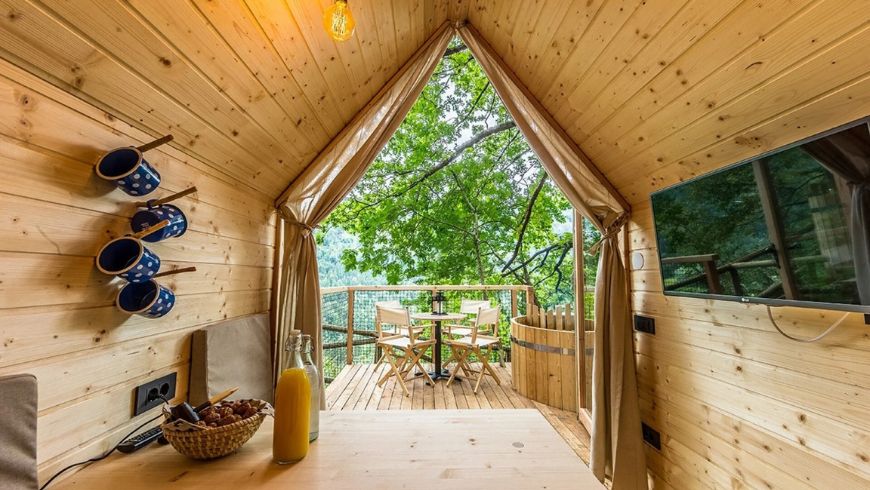
Young travelers often remember their best moments from places that feel grounded in the destination. Eco-friendly stays – like forest lodges, homestays, or cabins made from natural materials – immerse them in local surroundings. Instead of waking up in a standard hotel room, they start the day surrounded by fresh air, birdsong, and cultural authenticity. These experiences help travelers build emotional connections that stay with them long after their trip ends.
Eco-Friendly Accommodation That Brings Clarity and Intention to Travel
Choosing where to stay shapes how young travelers experience an entire destination. Eco-friendly accommodations naturally encourage a slower, more intentional style of exploration by creating environments that invite reflection, creativity, and cultural connection. Whether it’s a solar-powered hostel with communal gardens, an off-grid cottage tucked into the mountains, or a small lodge built with local materials, these places inspire travelers to engage more deeply with where they are rather than rushing from one attraction to the next.
This mindful approach resonates strongly with today’s young adults, many of whom travel while juggling school or remote work. Between managing assignments, meeting deadlines, and planning new adventures, they often rely on practical tools, and occasionally supportive remunerate paper writing service to keep everything running smoothly while they’re on the move. Such services help travelers stay on top of academic responsibilities without sacrificing their travel experience. Eco-friendly stays are well suited to this lifestyle, offering quiet, centered environments that make it easy to stay productive without losing the joy and spontaneity of travel.
By choosing accommodations that support clarity and intention, young travelers develop a deeper appreciation for the places they visit, build richer memories, and cultivate a travel style that feels both meaningful and personally fulfilling.

Accommodation Features That Reduce Stress and Save Time
Logistics can easily overwhelm young travelers – finding food, transport, Wi-Fi, and trustworthy local information all take time and energy. These tasks often cut into moments meant for exploring or relaxing.
Eco-friendly accommodations simplify this by offering helpful built-in features: fresh local meals, nature paths, free bicycles, community kitchens, or coworking areas. Some even organize cultural activities or guided walks that help travelers understand the area better.

When essentials are integrated into the stay, travel becomes smoother and less exhausting. It allows young explorers to focus more on enjoying their surroundings rather than planning every detail of the day.
Collaboration-Friendly Stays That Make Travel More Social
For young travelers, meeting people is one of the most rewarding parts of the journey. Eco-friendly stays make this easy by emphasizing community and connection. They often feature shared spaces such as gardens, firepits, outdoor dining areas, co-op kitchens, or small group tours led by locals. These areas naturally invite conversation and shared experiences.
What makes these connections meaningful is that sustainable accommodations tend to attract travelers with similar values – curiosity, respect for culture, and a love of nature. Conversations feel genuine, not forced. Travelers swap stories, local tips, and personal reflections in spaces that feel safe and welcoming.
These interactions often become highlights of the trip: a spontaneous sunrise hike, a homemade dinner shared with new friends, or a music night that wasn’t on the itinerary. Moments like these turn a simple stay into a memorable experience filled with community and warmth.
Finishing Touches That Make a Stay Feel Worthwhile
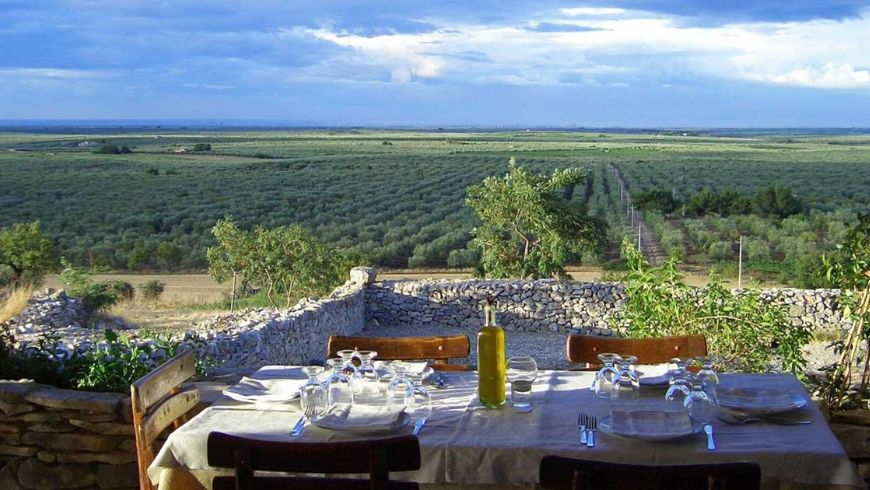
Even the most adventurous travelers appreciate comfort. Eco-friendly accommodations excel at creating calm, intentional spaces that feel close to nature. Instead of mass-produced décor, guests find natural materials like wood and stone, soft earthy colors, handmade soaps, and large windows that bring in fresh air and natural light.
Locally sourced meals add to the sense of place – fresh fruit, homemade bread, herbs from garden patches, or teas blended from local plants. Small, thoughtful details such as refillable water stations or organic textiles also make the stay feel more personal.
These touches create peaceful moments that help travelers slow down and reset: reading in a quiet corner overlooking trees, sipping tea on a breezy terrace, or ending the day in a room that feels like a retreat. They turn travel from simply “going somewhere” into feeling restored and connected.

The Benefits: More Meaningful Travel, Better Memories, and Less Stress
More authenticity: Experiences feel real and rooted in the destination. More connection: It’s easier to meet like-minded travelers and form lasting bonds. Better affordability: Eco-stays often offer essential comfort without unnecessary extras. Greater impact: Choosing sustainably helps protect the environment and support local communities. Deeper fulfillment: Travel becomes purposeful, helping travelers grow personally.
These benefits add depth and value to a trip, turning it into more than a list of places visited. Eco-friendly stays help travelers connect more deeply – with themselves, others, and the world around them.
How Young Travelers Can Build a Purpose-Driven Travel Style
A meaningful travel style doesn’t require drastic changes – just small, intentional choices. Young travelers can start by selecting eco-conscious stays, supporting local businesses, reducing waste, and traveling at a slower, more thoughtful pace.
Those balancing school, work, or creative projects while traveling can use supportive tools to stay focused without losing the joy of exploration. Over time, this approach creates a healthy, sustainable rhythm that makes travel more enjoyable and purposeful.
Final Thoughts
Eco-friendly accommodations offer young travelers a thoughtful way to explore the world with curiosity and respect. These stays provide authenticity, comfort, community, and cultural richness – all without sacrificing affordability or adventure. When travel is guided by intention, it becomes a meaningful journey that shapes perspectives and creates lasting memories.
With mindful choices, young travelers can leave a positive impact on the places they visit – while collecting stories and moments that stay with them for a lifetime.