
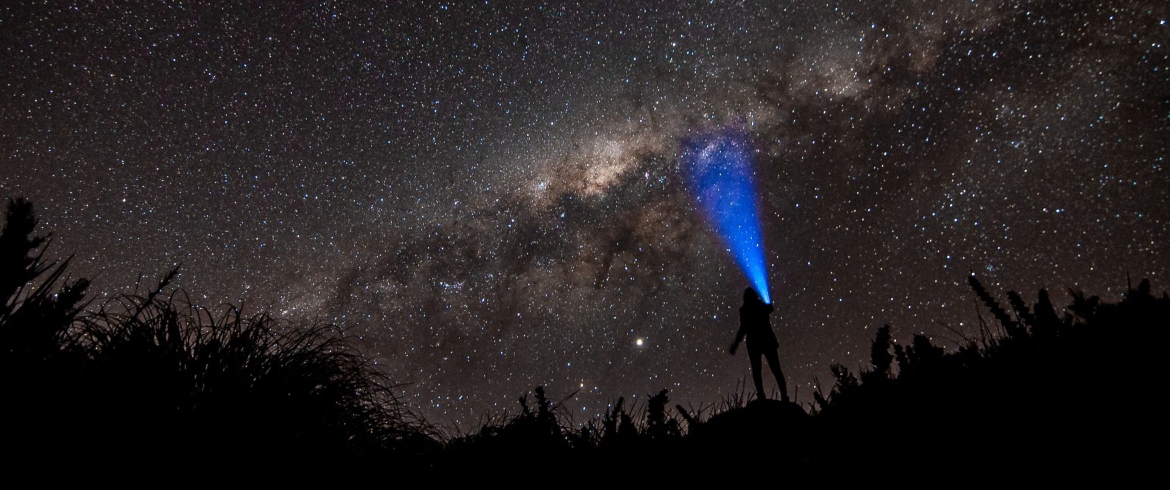
Streetlights that point downward can reveal the Milky Way while using less energy and disturbing fewer animals. This simple change shows why dark-sky communities offer more than better stargazing. By reducing unnecessary artificial light, these destinations protect nocturnal ecosystems, improve residents’ well-being, and create quieter forms of tourism. Visitors gain memorable night-sky experiences without placing the same pressure on local resources as large attractions.
How Does Thoughtful Lighting Protect Nature?
Thoughtful lighting protects wildlife by preserving the natural cycle of darkness. Many animals depend on darkness to feed, migrate, reproduce, and avoid predators. Bright outdoor lights can disrupt these behaviors, particularly for insects, birds, bats, and sea turtles.
Many of the most memorable stargazing spots, including these astrotourism destinations in Italy, owe their clear skies to the same lighting choices that protect surrounding habitats. Shielded fixtures direct light toward paths and entrances instead of scattering it into the sky. Warm-colored bulbs can further limit ecological disruption while keeping public spaces visible.
Why Is Darkness Part of Sustainable Tourism?
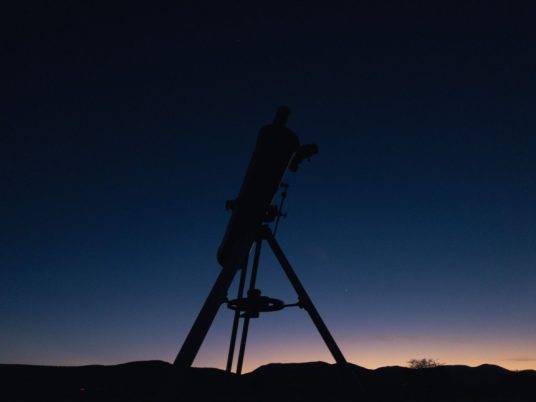
Natural darkness is a local resource that can support low-impact tourism throughout the year. Stargazing does not require large buildings, artificial snow, or energy-intensive entertainment. A small community can welcome visitors through guided walks, astronomy evenings, local food, and modest accommodation.
Some travelers dream of incredible places to sleep under the stars, but responsible planning matters. Campsites and eco-lodges should protect sensitive habitats, limit outdoor lighting, and manage waste carefully. A beautiful night view should not come at the cost of damaged vegetation or disturbed wildlife.
How Do Dark-Sky Communities Offer More Than Better Stargazing?
The term has a formal meaning. DarkSky International, the nonprofit behind the global dark-sky movement, certifies more than 200 Dark Sky Places worldwide, and its International Dark Sky Community designation goes to towns that adopt shielded outdoor lighting and educate residents about light pollution.
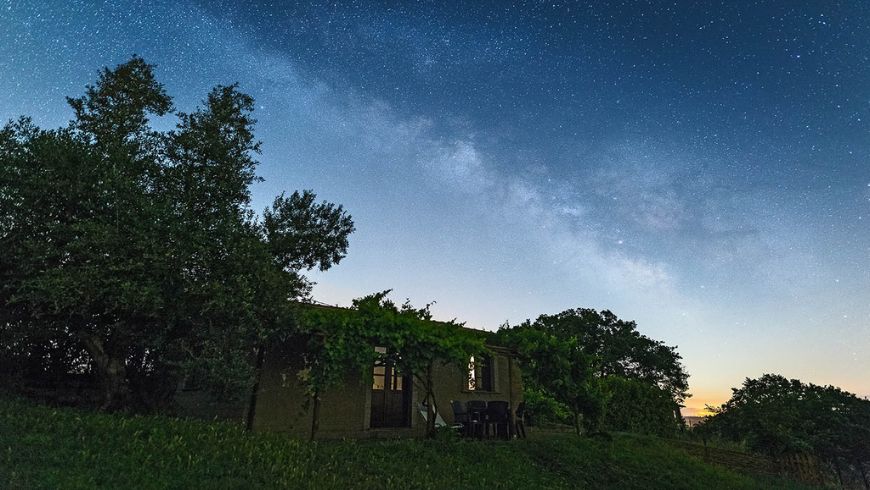
Dark-sky communities offer more than better stargazing because lighting improvements can reduce energy use, support public health, and strengthen the local economy. Less glare may also make roads and footpaths easier to see. Excessive brightness often creates harsh contrast, while carefully directed light provides clearer visibility.
Common community benefits include:
- Lower electricity use from efficient outdoor lighting
- Better conditions for nocturnal wildlife and migrating birds
- More comfortable nights for residents and overnight guests
- New income for local guides, cafés, farms, and eco-lodges
- Stronger protection for rural landscapes and local character
Dark-sky tourism can also spread visits beyond the busiest daytime hours and seasons. A village that attracts hikers in summer may welcome astronomy groups in autumn or winter. Local businesses gain another source of income without building a major attraction.
What Can Travelers Do to Reduce Light Pollution?
Travelers can protect dark skies by using only the light they need. A red-light torch is less disruptive than a bright white beam. Visitors should close curtains, switch off exterior lights, and avoid illuminating trees or open landscapes for photographs.
Choosing locally owned accommodation can make the trip more beneficial to the host community. Travelers can also book local guides, eat at independent restaurants, and use public transport where available. Choosing a slower way of traveling, with longer stays and fewer moves, reduces transport emissions while allowing more time to understand the destination.
Can Better Lighting Improve Daily Life?
Better lighting can make communities more pleasant after sunset without leaving streets completely dark. Well-designed fixtures reduce glare, prevent light from entering bedroom windows, and focus illumination where people walk or drive.
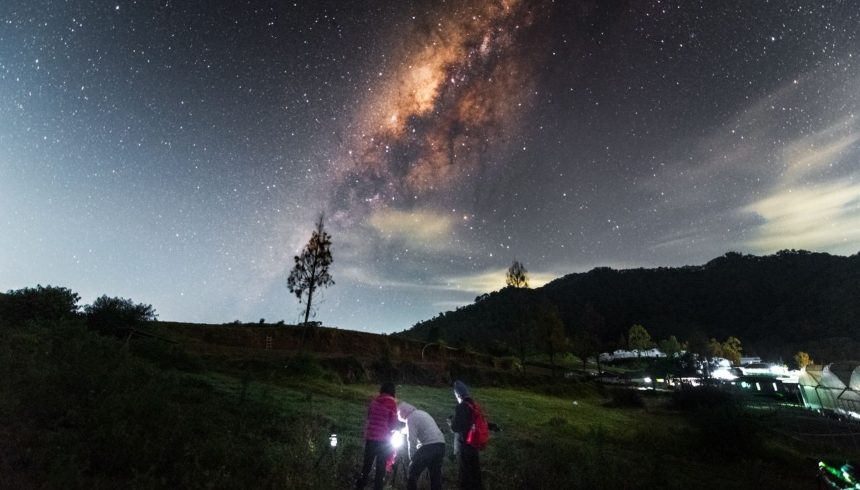
Darkness also has cultural value. Stories, seasonal traditions, and knowledge of the night sky can connect visitors with local history. Community-led astronomy events give residents control over how tourism develops and how local landscapes are presented.
Why Should Travelers Seek Out Dark-Sky Destinations?
Dark-sky destinations combine environmental protection with slower, more meaningful travel. Visitors can support conservation, local businesses, and responsible energy use while enjoying an increasingly rare view of the night sky. Ultimately, dark-sky communities offer more than better stargazing: they show how thoughtful tourism can protect both natural rhythms and community life.
Cover image: photo via Pxhere

Author’s bio: Lena Marsh is a content writer at Neostart, a moving company based in the San Francisco Bay Area. Writing about relocation has shown her how a new place can change the way people see their surroundings and the choices they make every day. She loves traveling, discovering quiet places away from tourist crowds, and writing about nature, local communities, and more responsible ways to experience the world.


