Have you ever stopped along a woodland trail to admire a wildflower, wondered what tree was growing beside a mountain path, or spotted an unfamiliar plant during a walk in the countryside?
Learning to recognise the plants around us can make a trip into nature even more rewarding. A simple walk becomes an opportunity to discover local ecosystems, understand the landscapes we visit, and appreciate the biodiversity that makes each place unique.
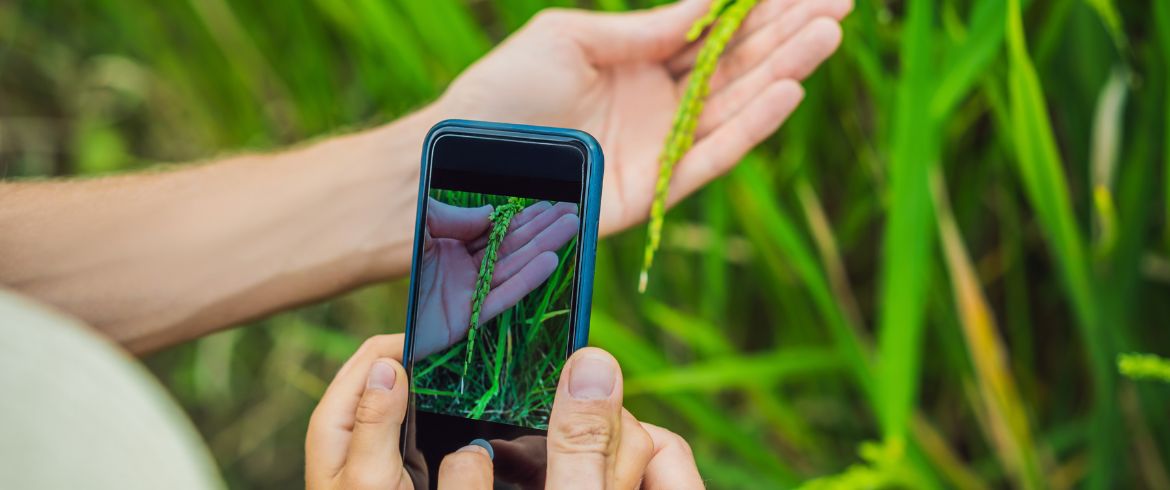
A plant identifying app can help you get started. By taking a photo of a leaf, flower or tree, you can find possible species names and learn more about the natural world around you. Some apps also let you share observations with communities of nature enthusiasts and contribute to citizen science projects.
Not all plant identification apps serve the same purpose. Some focus on botanical identification, others on nature observation and biodiversity, while others offer additional tools for plant care.
Here are five apps to consider if you want to discover the flora around you while travelling, hiking or simply spending more time outdoors.
| App | Main use | Main features | Cost |
|---|---|---|---|
| Botan App | Plant identification and additional features | Plant ID, health analysis, personalised care plans and reminders | 3-day free trial; from $9.99/week |
| Pl@ntNet | Identifying wild plants | Botanical identification, regional flora and citizen science | Free |
| iNaturalist | Observing and documenting biodiversity | AI-powered suggestions, community identification and observation records | Free |
| Seek by iNaturalist | Discovering plants and wildlife outdoors | On-the-spot identification suggestions for plants and other organisms | Free |
| PictureThis | Plant identification and care | Plant ID, health analysis, care advice and reminders | Pro from $3.99/week |
| Google Lens | Quickly identifying unfamiliar plants | Image recognition and visual search | Free |
1. Botan App
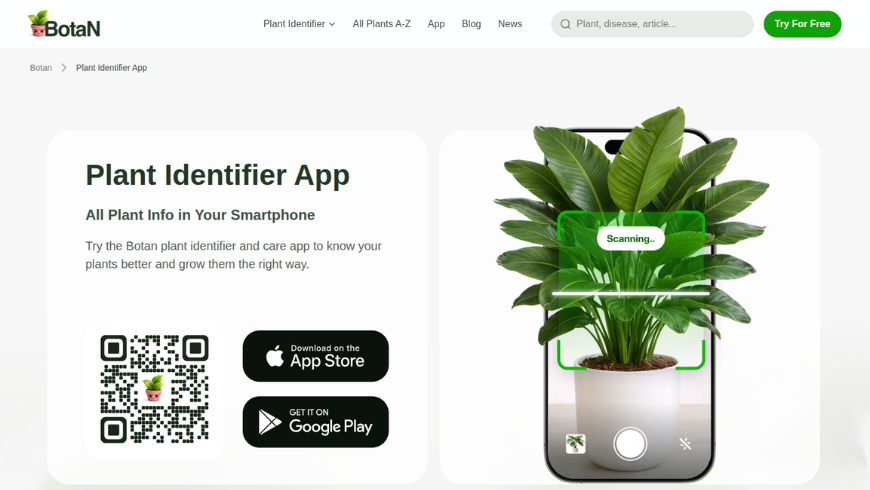
Botan App is a plant identification tool that combines photo-based identification with features designed to help users understand and care for their plants.
Take a picture of a leaf or flower, and the app suggests a possible identification. It also offers plant health analysis, care recommendations, and personalised plans with reminders. Additional features include toxicity information, a light meter, and an AI-powered botanist chat.
The app’s database contains over 30,000 species. Its plant-problem diagnostic feature also provides treatment suggestions and a recovery plan. The Botan plant ID website offers the same plant identification tool directly in a browser. The app contains no ads.
Botan App is useful both for identifying wild plants encountered during trips and for caring for houseplants at home. Its identification tools can help travellers learn more about unfamiliar flora along the way, while its care features support plant health and everyday gardening. As with any automated identification tool, results should be checked against reliable botanical sources, especially when identifying wild or potentially toxic species.
The app is available for iOS and Android.
Key features
- Plant identification from photographs
- Plant health analysis and care recommendations
- Personalised care plans and reminders
- Plant toxicity information
- AI-powered botanist chat
Pricing: A three-day free trial is advertised, followed by paid plans. The original comparison lists subscriptions starting at $9.99 per week, with annual and lifetime options also available. Check the official website or app store for current prices and terms.
Best for: Travellers and nature enthusiasts who also want an all-in-one tool for identifying and caring for plants.
Limitations: Some features require a paid subscription, and automated health assessments should not be treated as definitive diagnoses.
Website: botanapp.com
2. Pl@ntNet
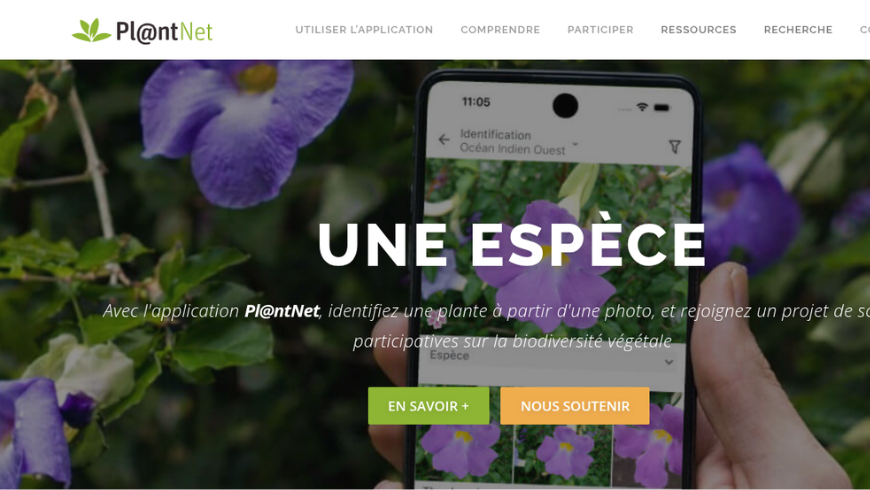
Pl@ntNet is a free plant identification app developed around botanical knowledge and citizen science. It helps users identify plants from photographs and is particularly useful for discovering wild flora during walks, hikes and nature trips.
You can photograph a flower, leaf, fruit, or other plant feature and receive suggestions for possible species. Its regional flora resources can help narrow down the options, although the accuracy of an identification depends on the photograph, the species, and the information available.
Pl@ntNet is more than a plant recognition tool. Users can contribute observations to a collaborative project that supports the collection and sharing of botanical knowledge.
For travellers exploring a national park, a rural landscape or an unfamiliar region, it can be a useful way to learn more about the plants growing along the way.
Key features
- Plant identification from photographs
- Botanical information about identified species
- Regional flora resources
- Community observations and citizen science contributions
Pricing: Free, with donations welcome.
Platforms: iOS, Android, and web.
Best for: Hikers, nature lovers, and travellers who want to identify wild plants and learn more about local flora.
Limitations: Identification results are suggestions rather than guarantees. Some species can be difficult to distinguish from photographs alone.
Website: plantnet.org
3. iNaturalist
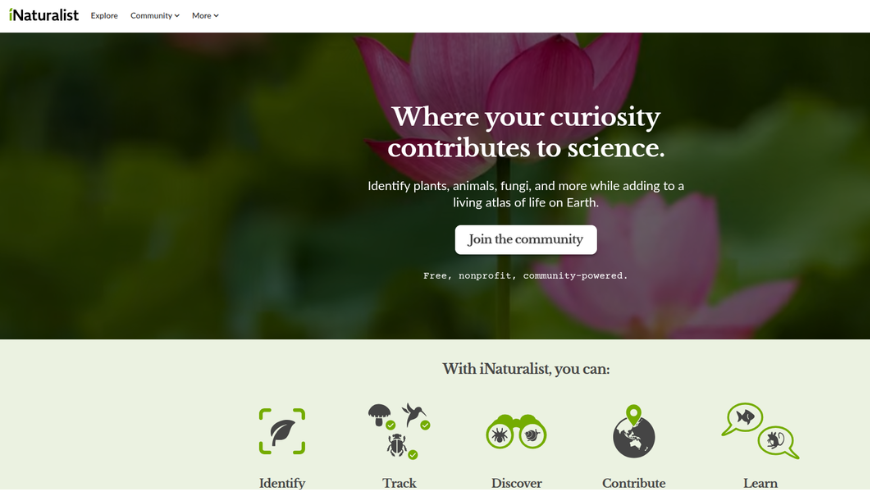
iNaturalist is a nature observation platform that connects people interested in wildlife, plants, and biodiversity. Rather than focusing exclusively on plant identification, it helps users record observations of the natural world and learn from a community of observers and naturalists.
When you upload a photograph, the platform can suggest possible identifications. Other members of the community can then contribute their knowledge and help refine the identification.
Your observations can also become part of biodiversity records used by researchers and conservation projects. This makes iNaturalist particularly interesting for travellers who want to do more than identify a plant: they can contribute to a broader understanding of the living world.
During a nature walk, for example, you might record wildflowers along a trail, document trees in a forest or observe plants growing in a coastal habitat. Over time, your observations can help you appreciate the variety of species found in different places.
Key features
- AI-assisted identification suggestions
- Community-based identification
- Nature observation records
- Contributions to biodiversity research
Pricing: Free.
Platforms: iOS, Android, and web.
Best for: Nature enthusiasts who want to document their observations and contribute to citizen science.
Limitations: Community identification can take time, and some observations may remain uncertain if there is not enough information to distinguish between similar species.
Website: iNaturalist.org
4. Seek by iNaturalist
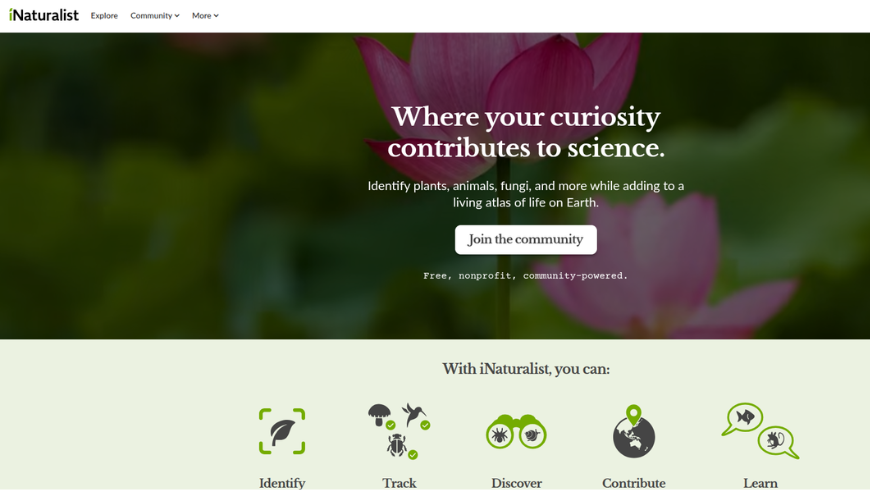
Seek by iNaturalist is designed for people who want to discover nature in a simple, accessible way. Using image recognition, the app helps users explore plants, animals, and other living organisms through their phone’s camera.
It is particularly suited to spontaneous discoveries during a walk or holiday. You can point your camera at a plant, receive identification suggestions, and learn more about the living things around you.
Unlike platforms built around sharing observations with a community, Seek is designed for on-the-spot exploration and does not require you to publish your observations. This can make it a good choice for families, beginners, and anyone who wants to turn a walk in nature into an informal learning experience.
For example, it can help children become more curious about the plants they encounter in a forest or encourage travellers to pay closer attention to the vegetation around a rural accommodation or nature trail.
Key features
- Image-based identification suggestions
- Exploration of plants and other organisms
- An accessible interface for beginners
- Nature discovery without the need to publish observations
Pricing: Free.
Platforms: iOS and Android.
Best for: Beginners, families, and travellers who want to explore nature as they go.
Limitations: Automated identifications are not always correct, and results may be less reliable for rare species or plants that are difficult to distinguish visually.
Website: inaturalist.org/pages/seek_app
5. PictureThis: Plant Identification and Care Features
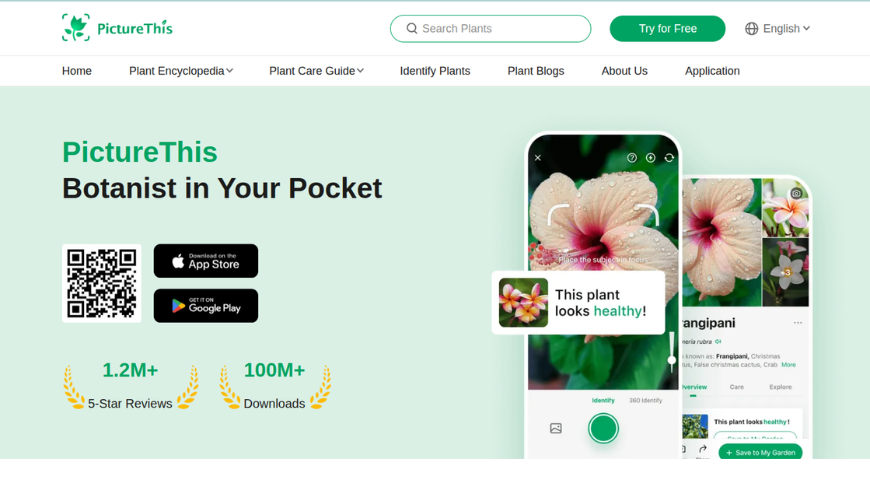
PictureThis is a plant identification app that combines photo recognition with a range of tools for plant care. It can identify many common plants and offers information about their characteristics, potential health problems, and care requirements.
The app also includes features such as watering reminders, plant disease analysis, and warnings about potentially poisonous plants. These functions make it particularly useful for people who want to learn more about the plants they grow at home.
For travellers, PictureThis can be an additional option when encountering unfamiliar vegetation. However, its care-focused features are more relevant to gardeners and houseplant owners than to people primarily interested in wild flora and biodiversity.
Key features
- Plant identification from photographs
- Plant health and disease analysis
- Care advice and watering reminders
- Information about potentially poisonous plants
Pricing: A free version is available, with additional features offered through paid subscriptions. Prices and subscription options may vary by region and platform.
Platforms: iOS and Android.
Best for: People who want to combine plant identification with everyday plant care.
Limitations: Some features require a subscription, and automated diagnoses should be treated as preliminary guidance rather than a substitute for expert advice.
Website: picturethisai.com
5. Google Lens

Google Lens is a visual search tool that helps users discover information about the world around them using images. By taking a photo or uploading an existing one, you can find visually similar images, identify objects and access related information from across the web.
It can be useful when travelling or walking in nature, and you come across an unfamiliar flower, tree or other plant. Rather than relying on a dedicated botanical database, Google Lens searches for visual matches and relevant web content, giving you a starting point for further research.
For example, it can help travellers find information about a flower growing along a hiking trail or learn more about the trees surrounding an eco-friendly accommodation. It is also useful for exploring other details of a destination, from local architecture to works of art.
Unlike specialised plant identification apps, Google Lens is a general-purpose visual search tool. It is therefore best used as a first step in discovering unfamiliar plants, with identifications checked against reliable botanical sources.
Key features
- Visual searches using photos or images
- Identification suggestions for plants and other objects
- Links to related websites and additional information
- Integration with compatible Google apps and devices
Pricing: Free.
Platforms: Android and iOS, through compatible Google apps; availability and features may vary by device.
Best for: Travellers who want to quickly search for information about unfamiliar plants and other things they encounter along the way.
Limitations: Google Lens is not specifically designed for botanical identification, and results may be less accurate than those from dedicated plant identification apps. It may struggle to distinguish between similar species and does not provide specialised plant care advice or a dedicated system for recording biodiversity observations. An internet connection is generally needed to access search results.
Website: lens.google
How to Choose the Best Plant Identification App
Before choosing an app, think about how you intend to use it.
For identifying wild plants, Pl@ntNet is a good starting point. It focuses on botanical identification and offers a free way to learn more about the flora around you.
For recording observations and contributing to biodiversity research, iNaturalist is particularly interesting. It connects individual observations with a wider community and scientific projects.
For exploring nature spontaneously, Seek offers a simple way to investigate the living things you encounter during a walk.
For combining identification with plant care, Botan App and PictureThis offer additional features for people who also grow plants at home.
Whichever app you choose, remember that identification accuracy depends on several factors, including the quality of the photograph, the visibility of distinctive features, and the similarity between species.
A clear photograph of a flower, leaves, and, when possible, the whole plant can help produce more useful results. If the identification matters for safety or conservation, always double-check it using reliable botanical resources or advice from a qualified local expert.
How to Identify Wild Plants Responsibly While Travelling
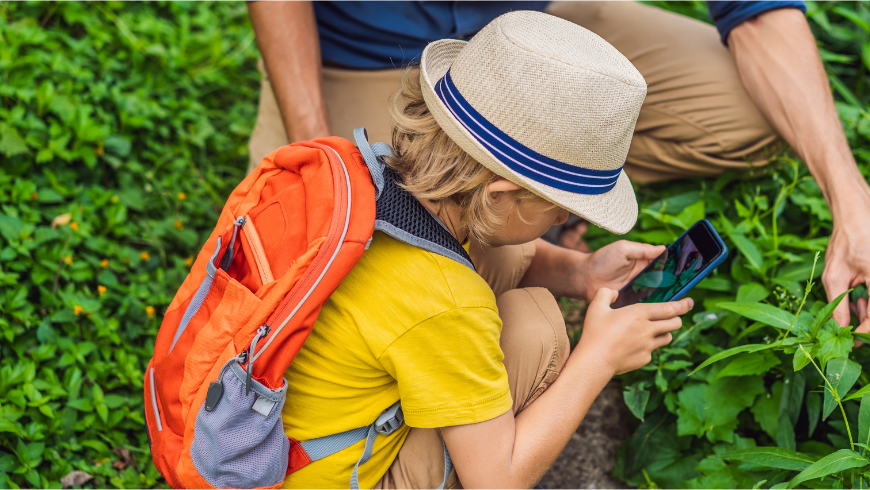
Plant identification apps can make nature walks more engaging, but technology should complement careful observation, not replace it.
When exploring a new landscape, a few simple habits can help you learn about the local flora while respecting the environment.
- Observe without disturbing. Photograph flowers, leaves, and trees without picking them or damaging the surrounding vegetation.
- Stay on marked trails. Avoid trampling plants or entering fragile habitats to get a closer photograph.
- Double-check your results. Apps can make mistakes, particularly when species look alike. Compare suggestions with reliable botanical resources or ask a local expert.
- Respect protected species and natural areas. Follow local rules on access, photography, and the collection of plants or seeds.
- Share observations thoughtfully. Contributing to citizen science can help improve knowledge of biodiversity. Avoid publicly revealing the exact locations of rare or vulnerable species when doing so could put them at risk.
The goal is not simply to collect plant names, but to develop a better understanding of the places we visit and the living ecosystems that make them special.
Whether you are walking through a mountain forest, exploring a coastal trail or discovering the countryside around an eco-friendly accommodation, learning to recognise local plants can help you connect more deeply with your surroundings.
Frequently Asked Questions
Pl@ntNet is a useful free option for identifying wild plants and learning about botanical species. iNaturalist is another good choice if you want to record observations and contribute to a community focused on biodiversity. The best option depends on your needs and the species you want to identify.
Botan App is a comprehensive option for plant care, offering plant health analysis, personalised care plans, and reminders. PictureThis is another good choice, with features for diagnosing plant problems and providing care recommendations. Both apps also allow you to identify plants from photos, making them useful for anyone who wants to understand their plants’ needs and keep them healthy
Accuracy depends on the quality of the photo, the lighting, and how common the plant is. For apps like Botan App and its counterparts, the best results can be achieved with clear, well-lit images of leaves or flowers. If the plant is rare, it is worth double-checking the suggested identification using another source.
No. Plant identification apps can make mistakes, especially when plants have similar-looking leaves or flowers, when photographs are unclear, or when a species is poorly represented in the available data. Treat results as suggestions and verify important identifications with reliable sources.
Some apps and platforms, including Pl@ntNet and iNaturalist, allow users to contribute observations that support botanical knowledge and biodiversity research. Their value depends on the quality of the observations and how the resulting data are used. Identifying plants can also encourage people to become more curious about local ecosystems and the importance of protecting them.
Photograph plants where they grow, avoid picking flowers or leaves, remain on marked paths, and respect the rules of protected areas. You can learn a great deal from careful observation without disturbing the habitat.
It depends on the app and its current features. Some functions may require an internet connection to process photographs, access databases, or share observations. If you plan to hike in a remote area, check the app’s offline capabilities before leaving.
Some apps can suggest what issue a plant might be facing by analyzing a photograph of a damaged leaf. In Botan App, the “Plant Problems ID” feature also provides a treatment and recovery plan. Think of this as a starting point rather than a definitive diagnosis. In serious cases, it is best to consult a local nursery or a plant pathologist.
Discover More of the Natural World

Every landscape has its own botanical character, shaped by climate, soil, altitude and local ecosystems. Learning to recognise the plants around you is a simple way to notice details that might otherwise go unseen.
The next time you travel, take a moment to look more closely at the vegetation along your path. A plant identification app can help you begin, but the real reward is discovering more about the natural world and learning how to care for it.
Choose an app that suits your interests, observe responsibly, and let curiosity guide your next walk in nature.
Cover image: photo via Canva PRO