World Tourism Day is celebrated on September 27. This year, among the initiatives inviting us to reflect on the relationship between tourism, rights and responsibility, there is also the webinar “Ethical Tourism: Travelling Without Financing Genocide & Apartheid”, organized by the No Room for Genocide campaign.
Travel brings people, places and communities into contact. For this reason, talking about tourism does not only mean talking about holidays, hospitality and destinations, but also about culture, the economy, the environment and human rights.
World Tourism Day, celebrated every year on September 27, was created to encourage reflection on the social, cultural, political and economic value of tourism and its contribution to sustainable development. The occasion was established in 1979 by what was then the World Tourism Organization and was celebrated for the first time in 1980.
What Kind of Tourism Do We Want?
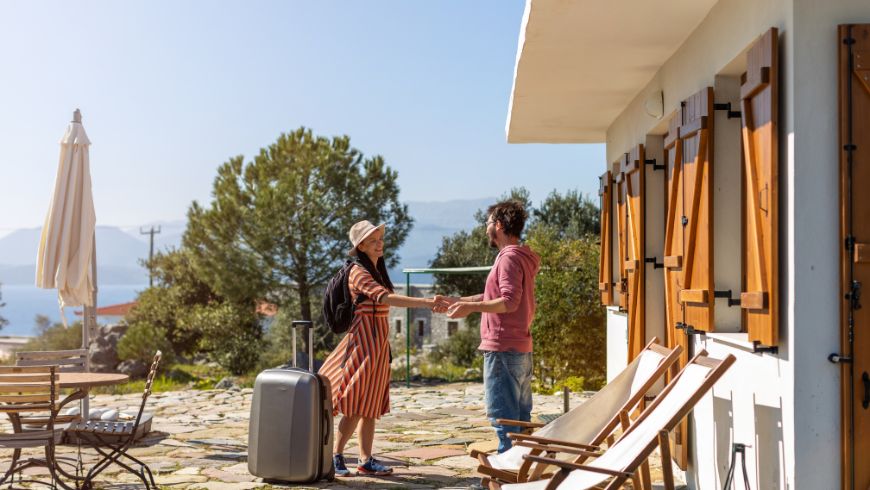
Travelling means entering, even temporarily, places that belong to other people. It means crossing landscapes, encountering cultures, getting to know local communities and contributing to the economies of the places that host us.
From this awareness comes an increasingly important question: what consequences do our travel choices have?
Choosing a small accommodation instead of a large chain, buying local products, taking the train whenever possible, respecting the ecosystems and communities we encounter are some of the ways in which tourism can become more mindful and responsible.
But the discussion around ethical tourism is also expanding to another issue: the relationship between tourism activities, global companies and situations involving conflict or human rights violations.
It is in this context that the day of action promoted for September 27 by the No Room for Genocide campaign, linked to the BDS movement, takes place.
No Room for Genocide: Tourism at the Center of the Discussion
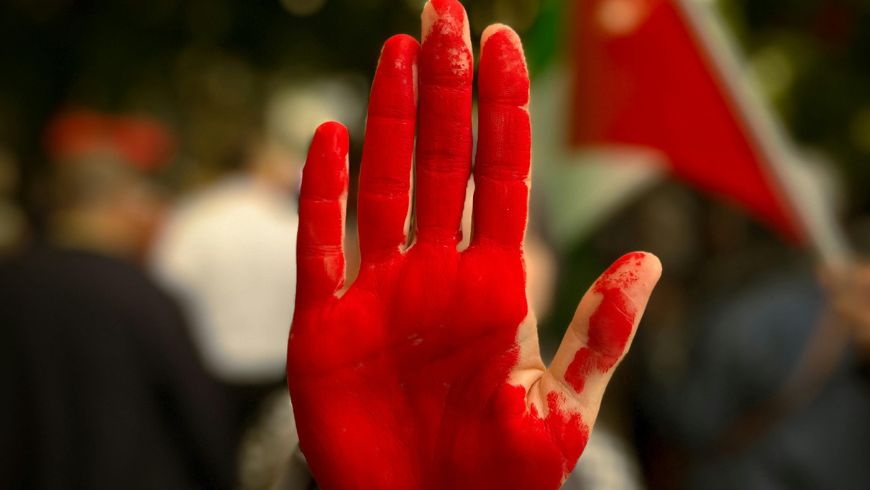
The No Room for Genocide campaign invites people to use World Tourism Day as an opportunity to reflect on the relationship between tourism, human rights and corporate responsibility. The issue is part of a broader discussion about ethical tourism, which concerns not only the choices we make while travelling, but also the way we choose and book a destination.
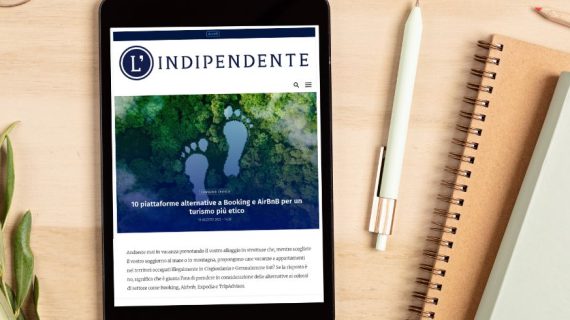
As we also discussed in the article Ethical Tourism Online: How Our Digital Choices Can Support Peace and Justice, digital platforms such as Airbnb and Booking.com play an important role in connecting travellers, accommodation providers and destinations. Searching for accommodation, comparing offers and completing a booking means directing economic flows towards specific businesses and destinations.
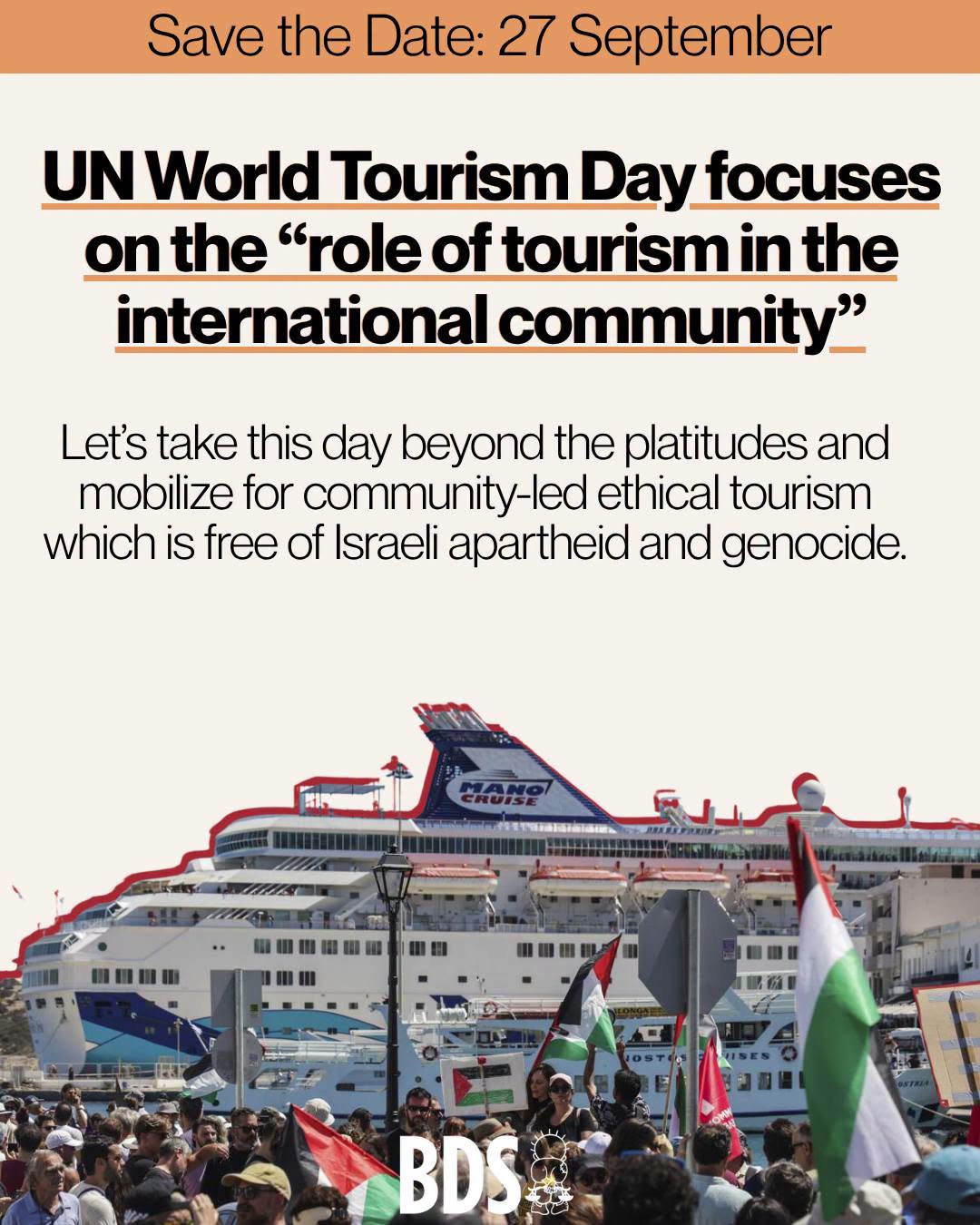
This is precisely the aspect addressed by the No Room for Genocide campaign. According to the Palestinian BDS National Committee, which promotes the initiative, international tourism platforms and companies should consider the activities taking place in territories affected by the Israeli-Palestinian conflict and the possible consequences of their business choices. In particular, the campaign calls for an end to what it considers forms of complicity in violations of Palestinian rights.
The issue also concerns the presence of tourism facilities in Israeli settlements in the occupied Palestinian territories. In 2019, Amnesty International documented the presence on platforms such as Airbnb and Booking.com of accommodation and tourism businesses located in these settlements, highlighting the role that platforms can play in financially supporting tourism and commercial activities connected to the settlements.
The issue is at the heart of the “No Room for Genocide” Global Day of Action, promoted by the BDS movement for September 27, 2026, coinciding with World Tourism Day. The day includes local initiatives in several countries and an international webinar focusing on ethical tourism, corporate responsibility, and the relationship between tourism and human rights.
The issue therefore involves not only travellers, but also hosts, booking platforms, restaurant owners, tourism operators and local communities: all actors who, in different ways, help determine where and how tourism takes place.
The question then becomes broader: what do we support, even indirectly, when we choose where to sleep, where to eat or which platform to book through? It is a reflection that invites us to look at tourism not only as an individual experience, but also as a network of economic and social relationships.
The September 27 Webinar
On the occasion of World Tourism Day, No Room for Genocide is organizing the webinar:
Ethical Tourism: Travelling Without Financing Genocide & Apartheid
September 27, 2026, 2:00 PM
Duration: approximately 1 hour
Language: English
Online via Zoom: https://us02web.zoom.us/j/85132785821
According to the organizers, the event aims to bring activists, researchers and hospitality professionals together to discuss ethical tourism, corporate responsibility and possible ways of participating in the campaign.
Among the announced speakers:
- Nives Monda, BDS Naples and owner of Taverna a Santa Chiara in Naples, identified by the campaign as an Apartheid Free Zone;
- Falastine, activist and researcher working on corporate responsibility and human rights;
- K. Muuq, organizer working on anti-racism, migrant rights and solidarity in Thailand.
The webinar is open to anyone interested in learning more about the initiative and the perspectives put forward by the campaign.
From Tourist Landmarks to Places of Solidarity
The September 27 initiative is not limited to the online event.
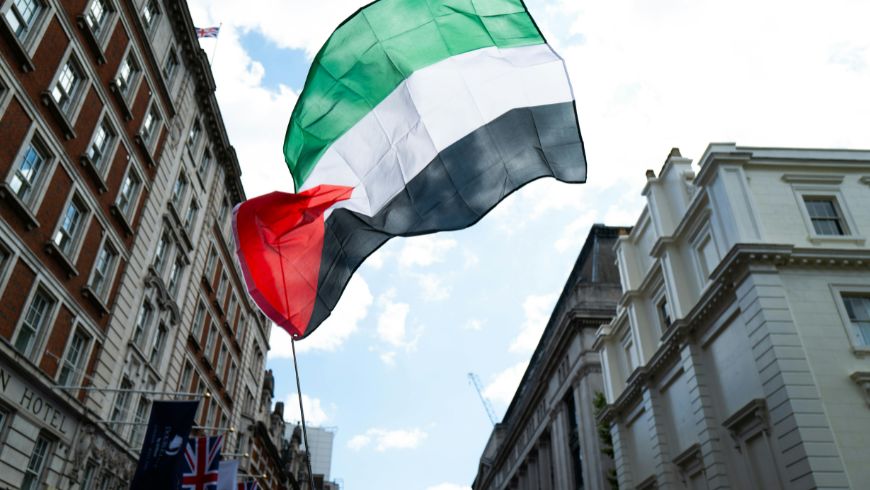
No Room for Genocide is also inviting groups of activists, friends and families to gather peacefully in tourist landmarks, such as beaches, monuments, viewpoints or other public spaces, to take collective photographs using the campaign’s materials.
The organizers call the initiative “Genocide-free Landmarks” and aim to bring reflection on human rights into the very places we normally associate with travel and leisure. The campaign also specifies that initiatives must be peaceful, comply with local regulations and contain no forms of racism, discrimination or abuse.
Tourism, Communities and Responsibility
Tourism can play an important role in the development of local areas. It can support small businesses, create employment opportunities, promote cultural and natural heritage, and foster encounters between people from different backgrounds.
But precisely because tourism moves people, money and relationships, it can also be a space in which to reflect on the consequences of our choices.
Where do we stay? Who do we spend our money with? Which businesses do we choose? Which places and communities do we support through our travels?
These questions are part of the growing reflection on responsible and regenerative tourism and, in contexts of conflict, they can become even more complex.
World Tourism Day can therefore also be an opportunity to pause and ask ourselves what kind of tourism we want to help build.
There is no single answer. But there are many ways to learn, listen to different perspectives and make more informed choices.
The Event
📅 September 27, 2026
🕒 2:00 PM (3:00 PM Palestine time)
💻 Online webinar – in English
🎙️ “Ethical Tourism: Travelling Without Financing Genocide & Apartheid”
The initiative and participation link have been published by the No Room for Genocide campaign.