Sustainable travel in Rio de Janeiro goes far beyond its famous beaches.
The city reveals a rich mix of nature, culture and everyday life shaped by community and landscape.
Forests rise behind neighborhoods, music fills the streets, and everyday life unfolds outdoors. For travelers interested in visiting Rio de Janeiro in a sustainable travel, the city offers meaningful experiences that go far beyond postcards.
Beaches, mountains, rainforests, music, street dancing and local neighborhoods shape a destination full of contrasts and possibilities. For eco-conscious travelers, Rio invites a deeper connection with community, everyday life and the environment, especially for those looking to reduce their travel footprint.
Understanding Rio’s Many Layers
Rio is a city made up of different zones, and each one reveals a unique side of its identity.
Before planning your trip, make sure to check out All you Need to know about Brazil article!
Nature Close to the City: Sustainable Travel in Rio
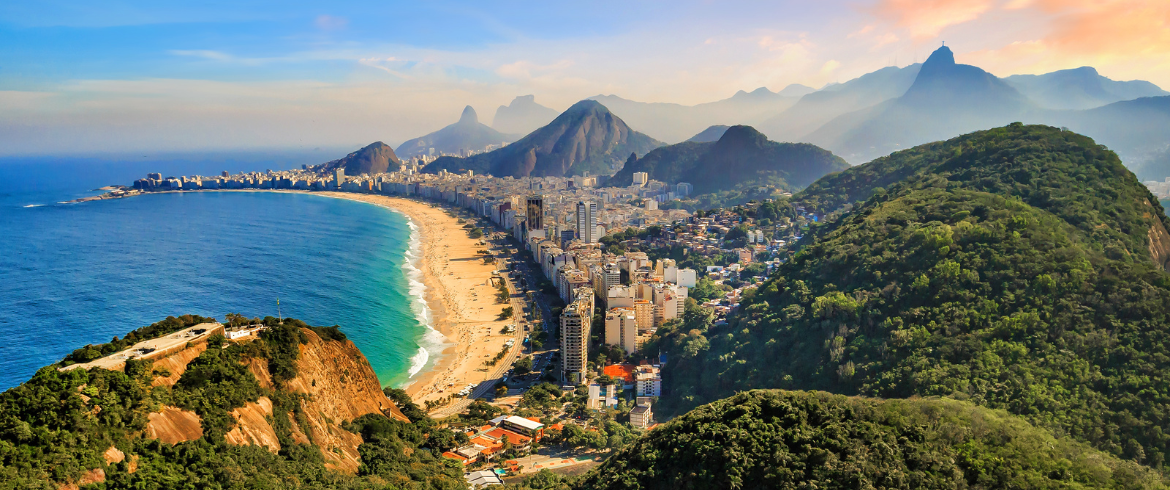
This is the most visited part of Rio, but also one of the best places to see how nature blends with daily local life. Beaches like Copacabana, Ipanema and Leblon are not just tourist attractions. They are everyday gathering places where locals walk, exercise, relax and connect.
Life here happens outdoors. Morning runs by the sea, fresh coconut water on the beach, sea showers after exercise and a vibrant nightlife are all part of the local rhythm. It’s a clear example of how urban living and outdoor culture go hand in hand.
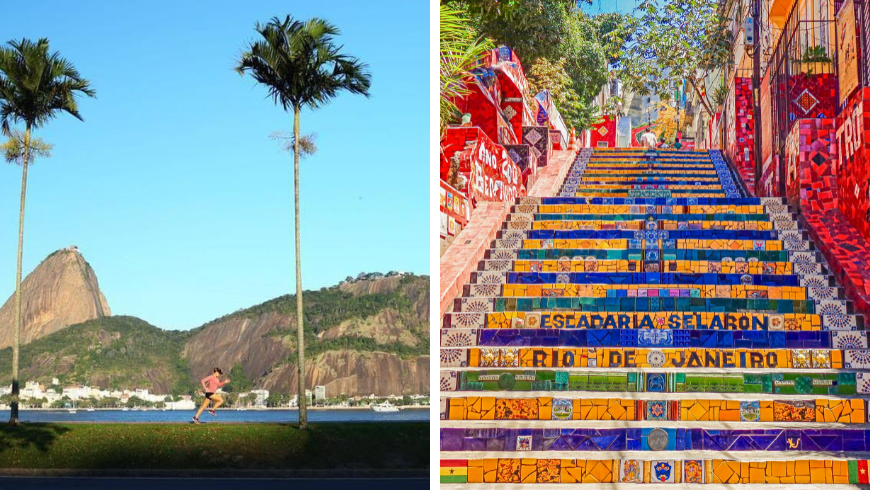
Downtown: Culture and History
Downtown Rio is the city’s historical and cultural heart. One of the first major cities formed after the arrival of the Portuguese in Brazil, Rio played an important role in the country’s early history. Old buildings, museums and busy streets tell stories of colonial times while still shaping the city’s identity today. Exploring this area helps travelers understand how history, culture and modern life intersect in everyday urban life.
North Zone: Local Life and Music
Less visited by tourists, the North Zone is known for strong community life and musical traditions. This is where many cultural expressions, especially music, are deeply connected to everyday life and local identity.
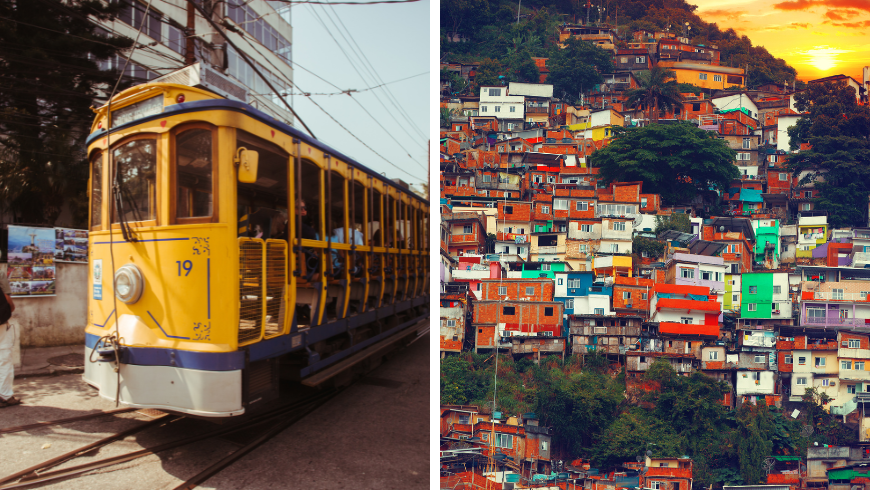
West Zone: Quiet Beaches and Nature
The West Zone is larger and more spread out, with slower rhythms, quieter beaches and more natural spaces. It’s ideal for travelers looking to escape crowds and experience a calmer side of the city.
Exploring different zones helps you understand the many layers that make Rio unique.
Nature Close to the City
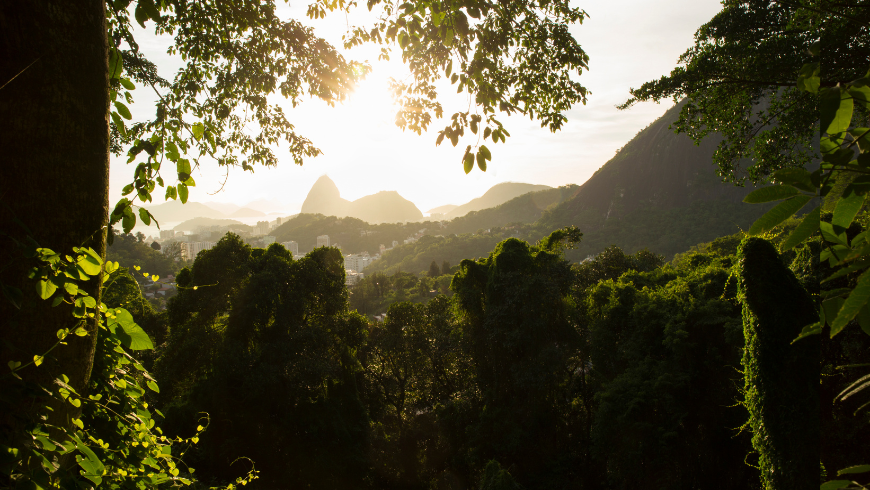
Rio’s green spaces are just as important as its beaches. They show that nature is part of daily life — not separate from the city. Rio’s relationship between mountains, forest and urban life is so unique that parts of the city are recognized as a UNESCO World Heritage cultural landscape.
- Tijuca National Park offers forest trails and viewpoints right inside the urban area.
- Parque Lage invites calm walks surrounded by greenery and culture.
- Jardim Botânico, with shaded paths and tropical plants, is a peaceful place to slow down.
These places reflect Brazil’s deep connection to biodiversity, much like the landscapes of the Amazon Forest, reminding visitors that nature shapes the country far beyond remote areas.
For travelers looking for deeper cultural and environmental connections, experiences inspired by living alongside an indigenous Amazon community can offer powerful lessons about respect, balance and community life.
Santa Teresa: A Slower, Artistic Side
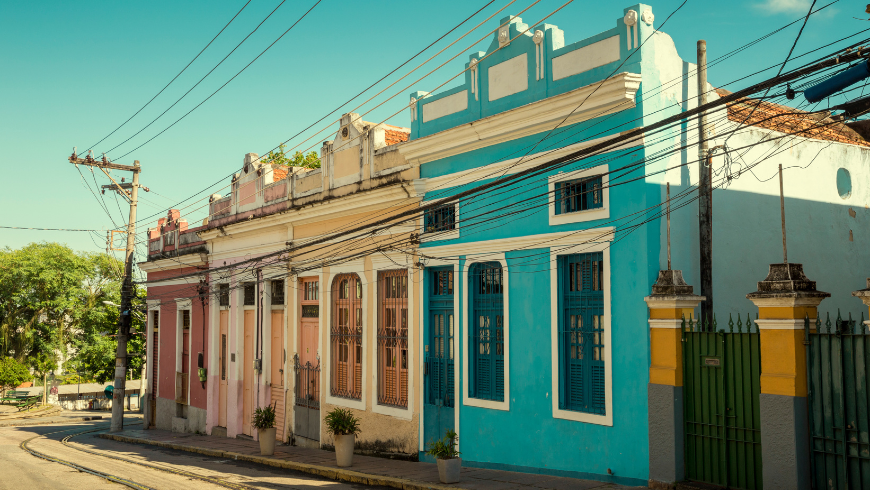
Santa Teresa offers a different rhythm from the beachfront. This hilly neighborhood with quiet streets, artisan studios and local cafés invites slow exploration. Walking here feels like discovery, with viewpoints, cultural spaces and a strong sense of community.
Markets, Street Food and Local Rhythms
Outdoor markets and food fairs are hubs of community life.
- The Sunday fair in Glória mixes local food, samba music and neighborhood energy.
- Small fairs in Laranjeiras let you observe how locals eat, chat and live.
Visiting these markets is a chance to support local producers and connect authentically with residents.
Active Rio: Movement in Public Spaces
Sport is woven into the city’s identity. Running, cycling, surfing, football and beach volleyball are everyday activities, especially along the coast.
On Sundays, car-free streets like Avenida Atlântica and the Aterro do Flamengo become shared public spaces for walking and cycling. This approach to urban life aligns closely with eco-friendly travel choices for a more sustainable holiday.
Nightlife, Lapa and Samba Circles
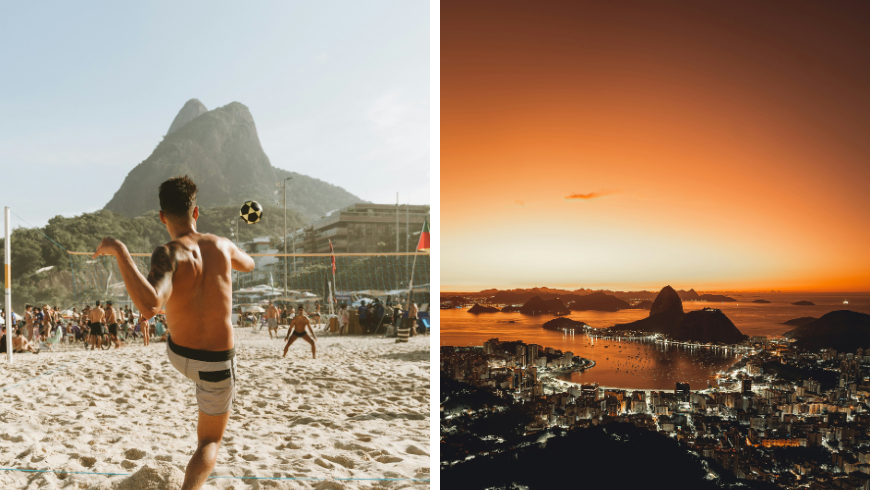
At night, Lapa comes alive with bars, live music and busy streets. Samba circles — informal gatherings around rhythm and song — are one of the most authentic cultural expressions in Rio. Joining one offers a genuine way to connect with local culture.
Sustainable Travel in Rio de Janeiro: Traveling with Lower Impact
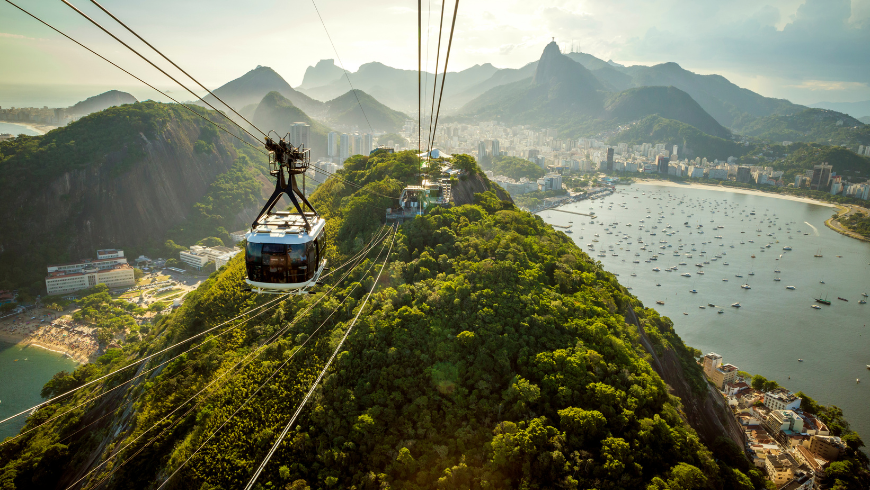
Choosing public transport, cycling or walking helps reduce environmental impact and creates a closer connection with the city.
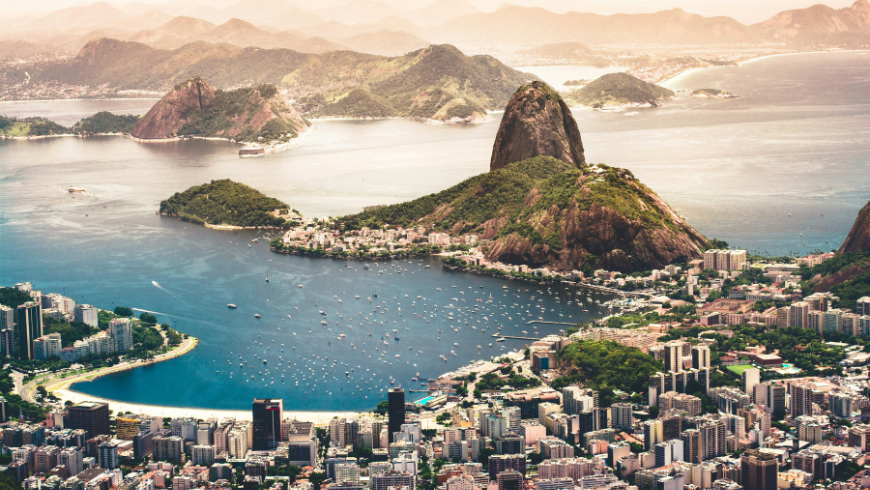
The metro connects the main areas of the city, while the cycle paths along the coast make getting around by bike safe and enjoyable. The cable car at Parque Bondinho Pão de Açúcar also allows visitors to reach the iconic Sugarloaf Mountain without using a car, while enjoying the views from above.
For those who want to explore Rio by bike, the Bike Itaú bike-sharing service has more than 430 stations across the city. Simply download the app, choose a plan and unlock a bike using a QR code; electric bikes are also available.
When planning your trip, taking time to plan a sustainable journey, choosing eco-friendly accommodation, and making thoughtful decisions before you go can help create a more responsible travel experience.
Simple Safety Tips for a Smooth Journey

A few mindful habits can make your trip easier:
- Keep valuable items like cameras and phones secure.
- Stay in well-used, lively areas.
- Ask locals or hosts for advice about neighborhoods.
Traveling consciously includes awareness, respect and care for the places you visit.
While Rio is welcoming and vibrant, like any large city it has areas that require extra attention. Some neighborhoods are best explored only during the day, such as parts of downtown and Santa Teresa, which can become quieter at night. Visiting favelas should always be done with a local guide or organized community tour, never independently. At night, avoid empty streets, isolated beach areas and poorly lit zones. Choosing busy areas, trusted transport and local advice helps travelers experience the city with more confidence, respect and awareness.
Rio With a Conscious Travel Mindset
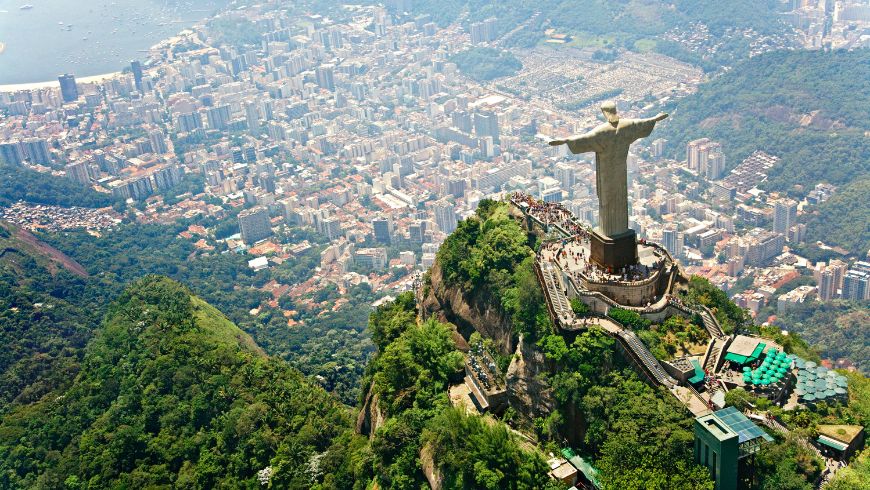
Discovering Rio beyond the beaches reveals a city deeply connected to nature, community life and everyday rhythms. Parks, local markets, outdoor movement and cultural experiences help shape a richer and more meaningful journey.
Experiencing sustainable travel in Rio is about slowing down, connecting deeply, and exploring the city in a way that respects people, culture, and nature.
Cover image: photo via Canva PRO
 Retreat with a pool, Jacuzzi, and a green view – Green Country House in Rio de Janeiro, State of Rio de Janeiro, BR