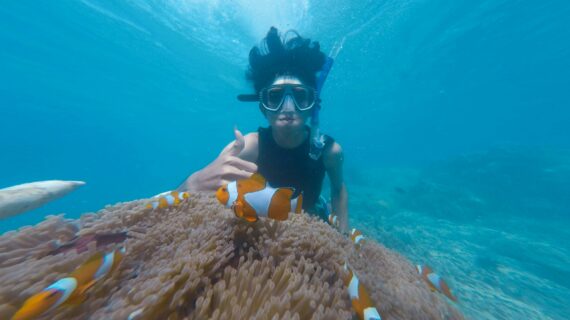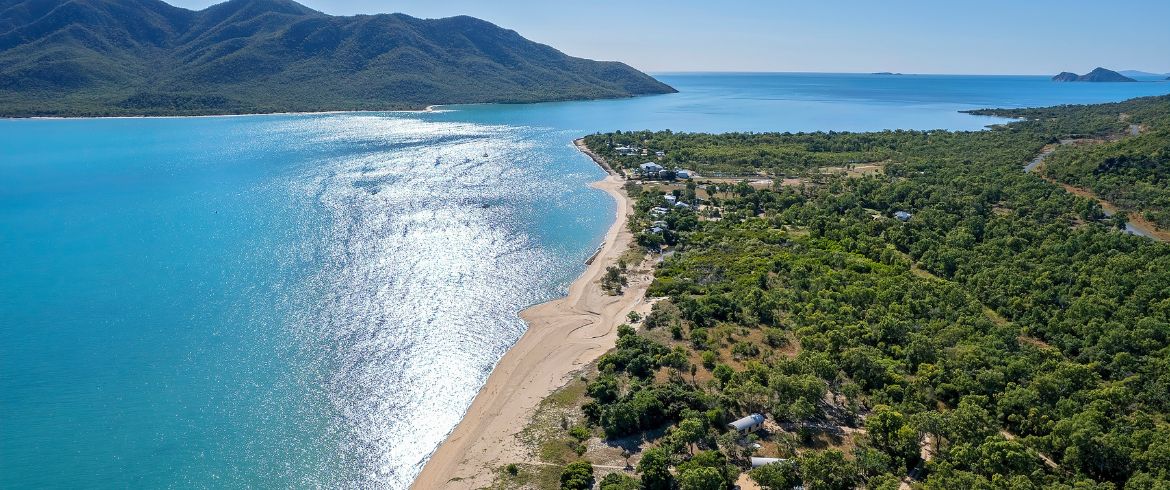
The hospitality industry plays an important role in protecting some of the planet’s most beautiful and fragile coastal ecosystems. Coastal tourism depends on beaches, dunes, coral reefs, seagrass meadows, wetlands and coastal forests, but these environments are increasingly threatened by pollution, habitat loss, overdevelopment and climate change.
For accommodation providers, this creates an important responsibility — and an opportunity. Hotels, resorts, B&Bs, guesthouses and eco-lodges can reduce the environmental pressure associated with tourism while actively contributing to the protection and restoration of the ecosystems that surround them.
The most interesting shift is that sustainability in coastal hospitality is no longer limited to saving water or replacing plastic bottles. Increasingly, the focus is moving towards protecting biodiversity, supporting local communities and helping natural ecosystems recover.
Some hospitality groups are already moving in this direction. Iberostar, for example, has developed its Iberostar Wave of Change initiative around the protection of oceans and coastal ecosystems, with actions focused on reducing plastic waste, promoting responsible seafood consumption, improving coastal health and supporting marine conservation.
Reducing Waste and Plastic Pollution
One of the most immediate ways accommodation providers can reduce their impact is by tackling waste.
Coastal areas are particularly vulnerable to plastic pollution. Waste produced by hotels, restaurants and visitors can easily reach rivers and the sea, where it can harm marine animals and accumulate along beaches.
Moving towards a circular approach means looking beyond individual products and reconsidering how resources are used throughout the property.
Some practical measures include:
- eliminating unnecessary single-use plastics;
- providing refill stations instead of disposable water bottles;
- choosing reusable or refillable bathroom amenities;
- separating and properly recycling waste;
- composting organic waste where possible;
- purchasing products with minimal or recyclable packaging;
- working with local suppliers to reduce transport and packaging;
- monitoring waste production and setting reduction targets.
These measures are relevant not only to large resorts. Small accommodation providers can often make a significant difference precisely because they can change their purchasing habits and daily operations quickly.
Reducing waste also sends an important message to guests: a holiday does not have to mean consuming more resources.
Protecting Coral Reefs, Seagrass and Coastal Biodiversity
The health of a coastal destination depends on much more than its beach.
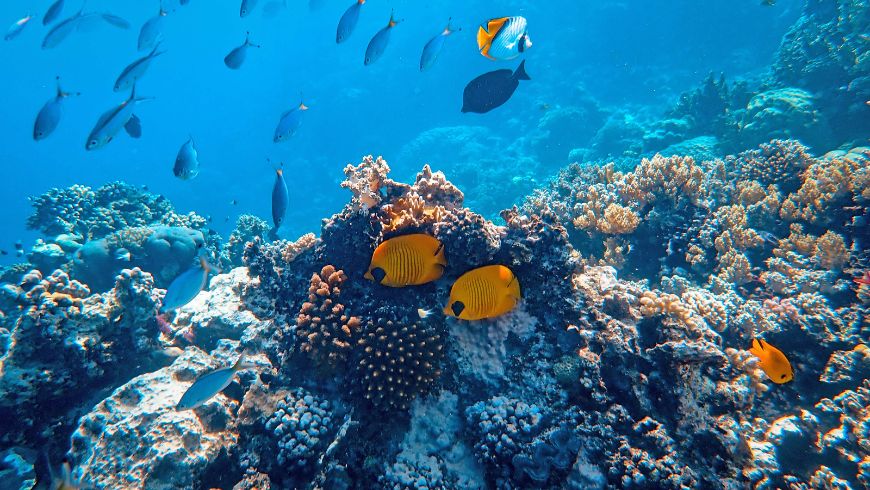
Coral reefs, seagrass meadows, dunes, wetlands and coastal forests provide habitats for countless species while also protecting shorelines from erosion and extreme weather.
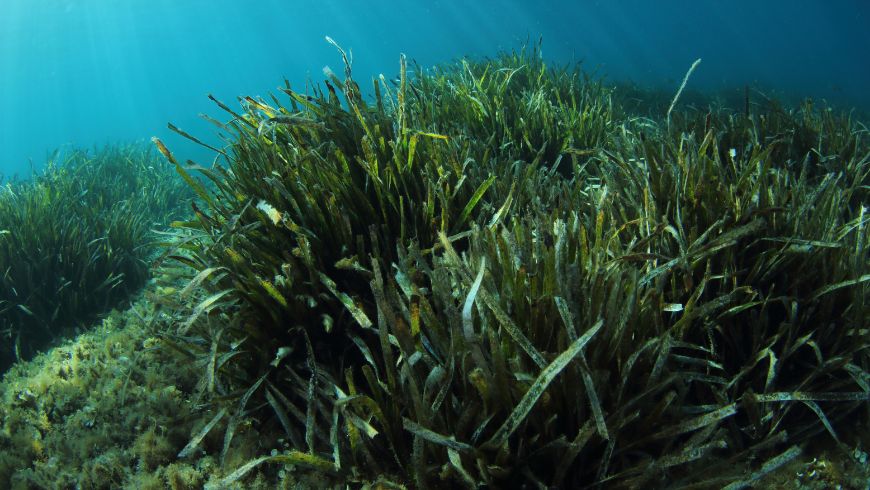
In the Mediterranean, for example, Posidonia oceanica meadows are among the most important marine ecosystems. They provide habitat for marine life, store carbon and help protect coastal areas from erosion. Yet they are vulnerable to anchoring, pollution, coastal development and other human pressures.
In tropical destinations, coral reefs face increasing pressure from warming seas, pollution, physical damage and unsustainable tourism activities.
Accommodation providers can contribute to their protection in many ways. They can educate guests about sensitive habitats, discourage activities that damage marine ecosystems, collaborate with local conservation organisations and support restoration projects.
Even something as simple as providing information about where visitors should not anchor, walk or swim can help reduce pressure on fragile ecosystems.
The most effective initiatives, however, are usually developed together with scientists, conservation organisations and local communities. Conservation should be based on an understanding of the specific ecosystem rather than on generic environmental claims.
From Conservation to Restoration
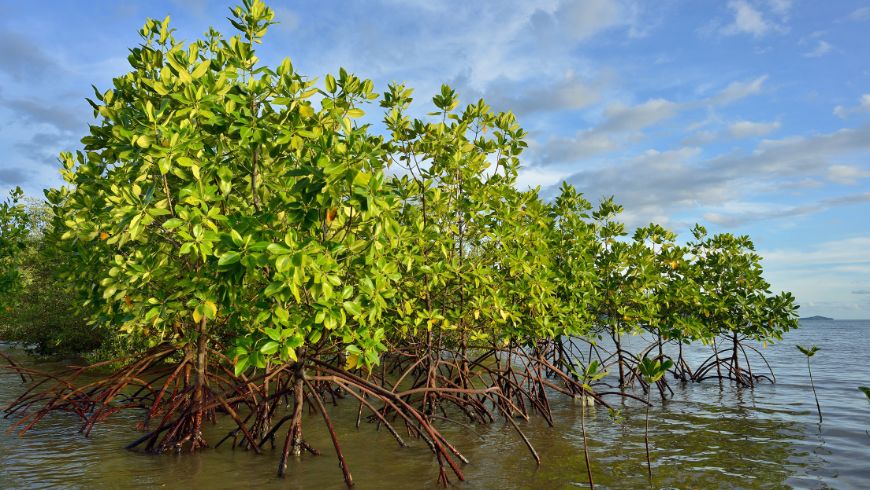
Protecting nature is essential, but in many coastal areas it is no longer enough. Ecosystems that have already been degraded may also need to be restored.
This is where the idea of regenerative tourism becomes particularly interesting.
Instead of asking only how tourism can reduce its negative impact, regenerative approaches ask a different question:
Can tourism actively contribute to restoring the places that welcome visitors?
Around the world, hospitality businesses are beginning to support initiatives such as coral restoration, dune rehabilitation, mangrove planting, wetland conservation and the recovery of native vegetation.
These projects can take many forms. A hotel might finance local restoration work, partner with a conservation organisation or invite guests to participate in carefully managed environmental activities.
The important point is that restoration should not become another tourist attraction designed simply to entertain visitors. It should respond to genuine local environmental needs and be developed with qualified organisations and communities.
Supporting Sustainable Local Fisheries
What happens on a guest’s plate can also influence the health of the ocean.
Hotels and restaurants have considerable purchasing power and can support more sustainable fishing practices by choosing responsibly sourced seafood and working with local small-scale fishers.
Where appropriate, accommodation providers can:
- prioritise locally caught seafood;
- ask suppliers about the origin and traceability of fish;
- avoid threatened species;
- respect seasonal availability;
- reduce food waste;
- communicate sustainable choices to guests.
Supporting responsible local fisheries can create benefits beyond marine conservation. It can also strengthen local economies and preserve traditional knowledge and livelihoods.
For travelers, choosing local and seasonal food is therefore not simply a gastronomic experience. It can become part of a more responsible relationship with the destination.
Using Water and Energy Responsibly
Coastal destinations often experience their greatest pressure during the tourist season, precisely when water and energy consumption increase.
Accommodation providers can reduce this pressure through relatively simple interventions: efficient lighting, renewable energy, water-saving fixtures, rainwater collection where appropriate, efficient heating and cooling systems and better monitoring of consumption.
But sustainability also means considering where resources come from and how infrastructure affects the surrounding environment.
In water-stressed destinations, for example, reducing consumption can be particularly important. Accommodation providers can also communicate responsible water use to guests without turning sustainability into a list of restrictions.
The goal is to make efficient systems part of the normal experience rather than asking guests to compensate for inefficient infrastructure through individual behaviour.
Building Climate Resilience Along the Coast
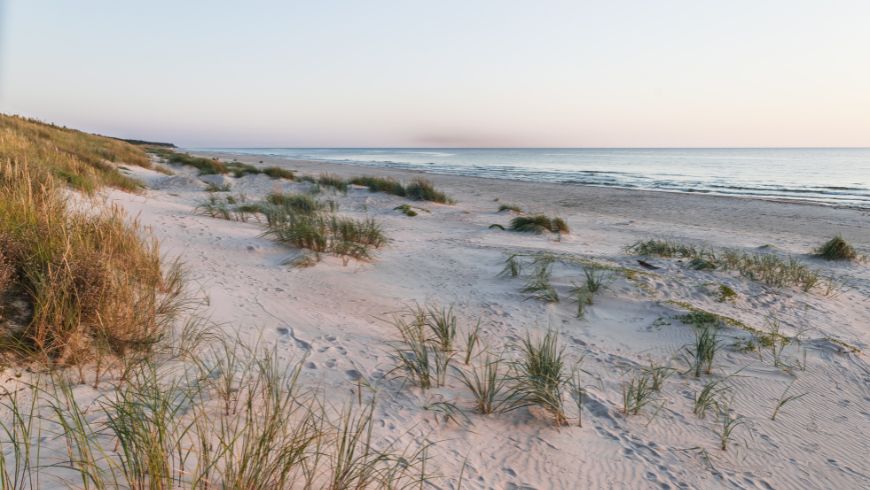
Climate change is already transforming coastal destinations.
Sea-level rise, coastal erosion, marine heatwaves, storms and changing rainfall patterns are increasing risks for both ecosystems and communities.
Nature itself can provide part of the solution.
Dunes, wetlands, mangroves, seagrass meadows and coastal vegetation can help absorb wave energy, reduce erosion and store carbon. Protecting these ecosystems can therefore contribute simultaneously to biodiversity conservation and climate adaptation.
For coastal accommodation providers, this means thinking beyond the boundaries of the property.
Instead of building ever closer to vulnerable shorelines or replacing natural habitats with hard infrastructure, sustainable planning can prioritise natural buffers, permeable surfaces, native vegetation and the restoration of degraded areas.
In some destinations, this may require collaboration between hotels, local authorities, environmental organisations and residents. Climate resilience is rarely something that a single property can achieve alone.
Working With Local Communities
Environmental sustainability cannot be separated from the people who live in a destination.
A coastal ecosystem is also part of a social and economic system involving residents, fishers, farmers, guides, artisans, businesses and local authorities.
Projects designed without local participation can easily fail, even when their environmental intentions are positive.
By contrast, initiatives developed with local communities can create longer-lasting benefits. Accommodation providers can support local employment, purchase from nearby producers, work with local environmental organisations and promote experiences that help visitors understand the destination rather than simply consume it.
This approach also changes the role of tourism.
Instead of treating local communities as service providers for visitors, tourism can become a partnership between travelers, residents and businesses.
How Travelers Can Help Protect Coastal Ecosystems
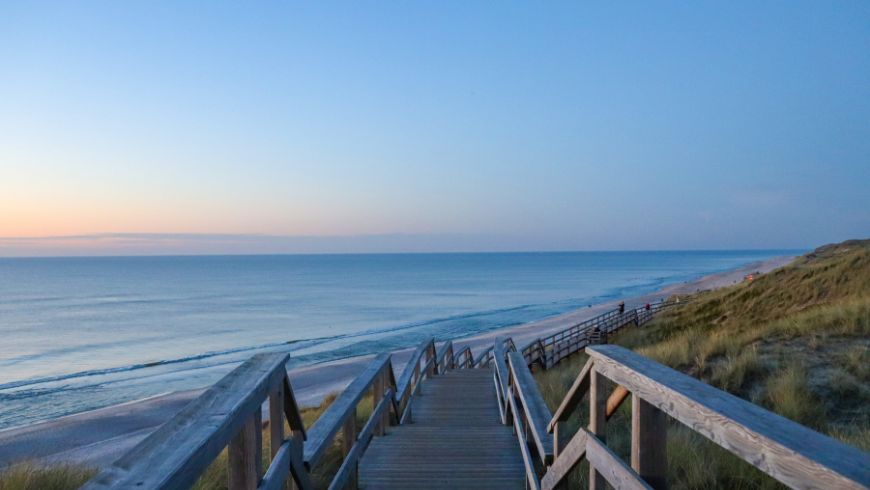
Sustainable coastal tourism is not only the responsibility of accommodation providers. Travelers also have an important role to play.
When visiting a coastal destination, small choices can make a meaningful difference:
- Choose accommodation with credible environmental practices.
- Carry a reusable water bottle and avoid unnecessary single-use plastics.
- Stay on marked paths in dunes and sensitive coastal habitats.
- Never collect shells, plants or marine organisms.
- Avoid touching or standing on corals.
- Do not anchor on seagrass meadows.
- Follow local rules for protected beaches and marine areas.
- Choose local and responsibly sourced food where possible.
- Reduce water and energy consumption.
- Support local businesses and conservation initiatives.
Perhaps most importantly, slow down.
Spending more time in one destination and exploring it by walking, cycling or public transport can reduce the pressure associated with short, intensive visits while creating a deeper connection with the landscape and its communities.
From Coastal Tourism to Regenerative Travel
The transformation of coastal hospitality is still underway.
Some initiatives are led by large international hotel groups, while others come from small family-run accommodations, eco-lodges and local tourism networks. Their approaches may be very different, but they share an important idea: the success of a tourism business ultimately depends on the health of the place where it operates.
Protecting marine ecosystems is therefore not simply an environmental gesture. It is also a way of protecting the beaches, landscapes, food traditions, wildlife and communities that make a destination worth visiting.
The next step is to move beyond the idea of doing “less harm” and start asking what tourism can actively contribute.
Can an accommodation help restore a dune?
Can a restaurant support local fishers?
Can a hotel help guests understand the importance of a seagrass meadow?
Can tourism revenue contribute to protecting a fragile ecosystem?
These questions point towards a different model of coastal travel — one where tourism is not simply an activity that takes place in nature, but a potential partner in protecting and regenerating it.
And perhaps that is the most promising direction for sustainable hospitality: not simply leaving a smaller footprint, but helping the places we visit remain healthy, resilient and alive for the people and wildlife that depend on them.
Cover image: photo via Canva PRO