Queensland is one of Australia’s top destinations for responsible and sustainable travel and is one of those places that makes you stop and think: how is all of this real? Ancient rainforests, the world’s largest coral reef, volcanic hinterlands, and wildlife you won’t find anywhere else on Earth — all in one Australian state.
But Queensland is not just beautiful. It’s also home to some of Australia’s most committed eco tourism destinations and responsible travel experiences. If you care about where your travel money go and the impact your trip leaves behind, you’ll feel right at home here.
Here’s where to go, what to look for, and how to make the most of it.
Why Queensland for Responsible Travel?
Queensland is home to two UNESCO World Heritage Sites that are not just iconic but among the most biodiverse places on the planet: the Wet Tropics Rainforest and the Great Barrier Reef. These are living ecosystems that have existed for millions of years, and how you visit them truly matters.
When you choose certified eco resorts, local guides, and responsible tour operators, you’re not just reducing your impact. You’re actively helping protect these places for future generations.
Before planning your trip, make sure to check all amazing National Parks you can visit in Australia!
The Main Spots You Shouldn’t Miss
🌿 Daintree Rainforest & Cape Tribulation
Imagine walking through a rainforest older than the Amazon. That’s exactly what you get in the Daintree, the oldest tropical rainforest on Earth at over 135 million years old, located in Far North Queensland. Most travellers use Cairns as their base to explore this region — and it’s one of the best cities in Australia for responsible tourism.
The small community of Cape Tribulation is where the rainforest meets the reef, and it’s one of the most magical corners of Australia. You can kayak through mangroves, spot cassowaries on a morning walk, and fall asleep to the sounds of the jungle. This is also one of the most important places to practice responsible travel.
This is also one of the most important places to travel thoughtfully. The Daintree is home to the Kuku Yalanji people, the traditional custodians of this land. Supporting Aboriginal-led tours and experiences here is one of the most meaningful things you can do as a visitor.
Best Eco Resort Here:
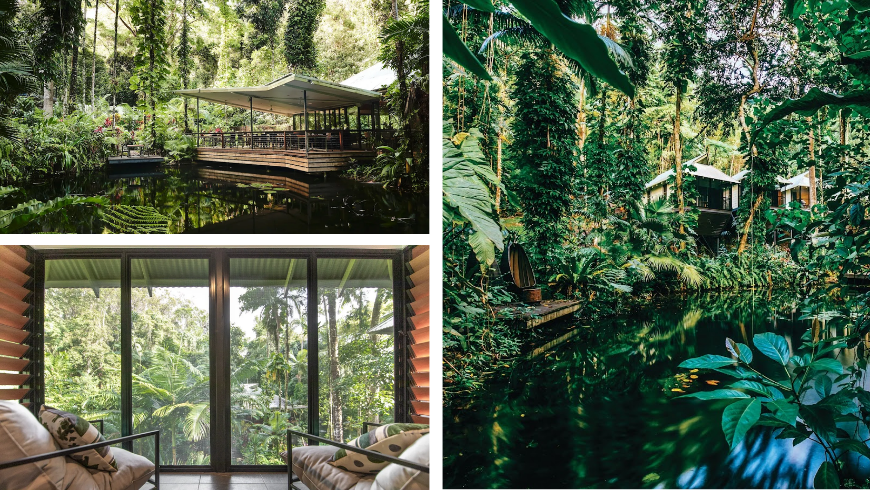
Daintree Ecolodge is one of the most recognised sustainable accommodations in Queensland. It holds Ecotourism Australia certification, supports Kuku Yalanji culture, and sits right in the heart of the rainforest. When you stay here, your visit directly contributes to protecting this extraordinary ecosystem.
🐠 Great Barrier Reef & Cairns
You simply can’t visit Queensland without thinking about the Great Barrier Reef, the largest coral reef system in the world. But visiting it responsibly is just as important as visiting it at all.
Cairns is your best base for exploring the reef sustainably. From here, you can join reef conservation snorkelling tours, visit Aboriginal cultural centres, and explore the lush Atherton Tablelands just inland. We’ve written a complete guide on how to visit the Great Barrier Reef sustainably — make sure you read it before you book anything, as it’s full of practical tips and responsible operators worth knowing.
Best Eco Resort Here:
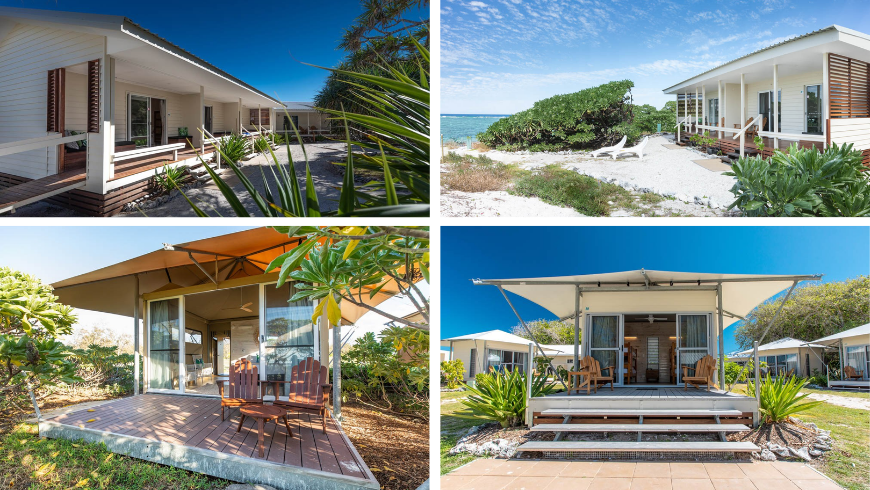
Lady Elliot Island Eco Resort is one of the best examples of genuinely sustainable stays on the Great Barrier Reef. Located on a coral cay at the southern end of the reef, the entire experience is built around conservation and low-impact tourism.
The resort runs largely on renewable energy, has advanced water treatment systems, and is deeply involved in reef protection and marine research. It’s also one of the best spots on the reef for seeing manta rays, turtles, and healthy coral ecosystems up close, often straight from the beach.
What makes it special is how connected you feel to the environment. There’s a strong focus on education, reef awareness, and responsible snorkelling and diving practices, making it ideal if you want more than just a beautiful place but a meaningful one too.
PRO TIP: The Daintree Rainforest and the Great Barrier Reef are the perfect destionations to do Regenerative Tourism! Check more information about this in this article!
🏝️ Lizard Island
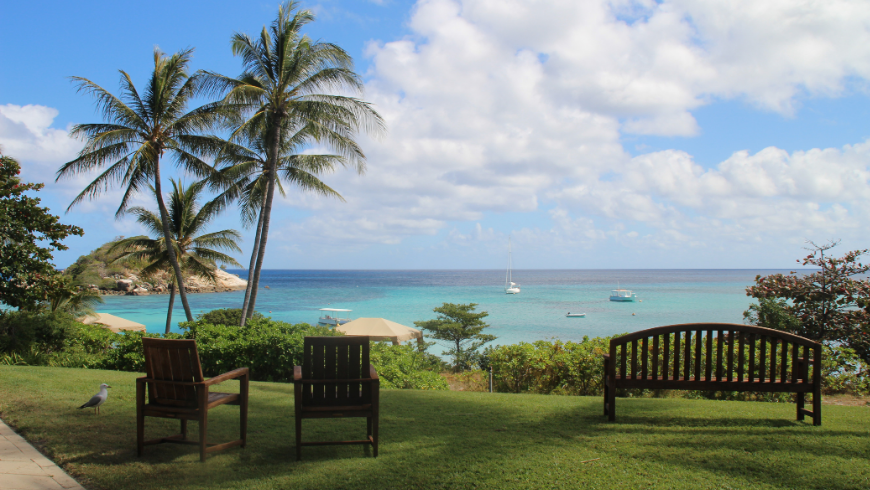
If you’re looking for something more remote and intimate, Lizard Island is a really special option. It’s set inside a protected National Park about 240 km north of Cairns, and gives you access to the Great Barrier Reef in a much quieter, low-impact way.
What makes this place stand out isn’t just how beautiful it is, it’s the strong connection to conservation. The island works closely with a reef research station, and you can actually be part of it through things like citizen science programs and reef monitoring.
Everything here feels intentional. You can join guided walks to learn about the culture of the Dingaal people, snorkel or dive in remote reef spots, and just slow down and really connect with the environment. There’s also a clear effort to reduce impact, from cutting down waste to avoiding single-use plastics and sharing environmental knowledge with guests.
It is a luxury stay, but it doesn’t feel disconnected. It’s more for travelers who want that balance comfort, but also awareness, and who genuinely care about protecting places like this while experiencing them
🌋 Springbrook National Park & the Gold Coast Hinterland
Most visitors head straight for the coast, but if you have time, the hinterland will genuinely surprise you. Just one hour from the Gold Coast, Springbrook National Park is covered in ancient Antarctic beech forests, dramatic waterfalls, and one of Australia’s most surprising natural wonders: the glow worm caves.
This is a quieter, less touristy side of Queensland, and that’s exactly what makes it special. It’s perfect if you want a nature escape without traveling too far north.
Eco tip: Book a night tour with a small local guide to see the glow worms. Avoid the larger, high-volume tours that can disturb the habitat and overwhelm the experience.
Best eco resort here:
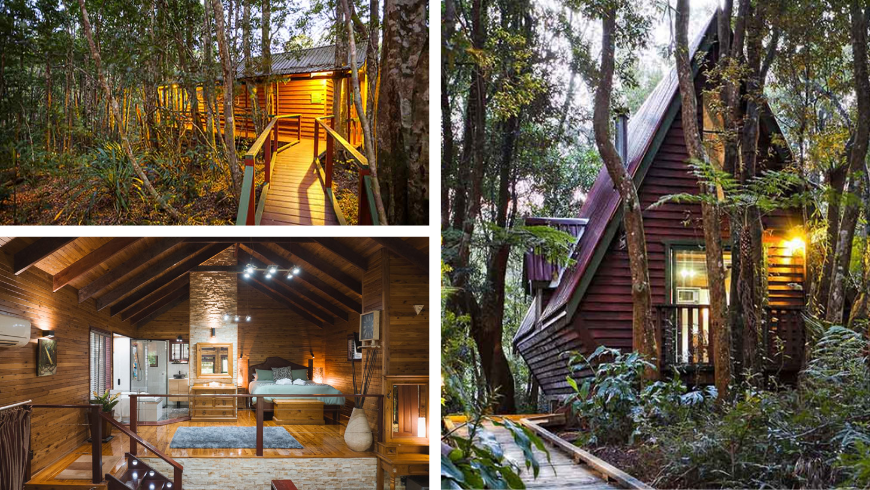
Mouses House Rainforest Retreat sits right on the edge of Springbrook National Park and is a great option for couples or families looking for a peaceful, nature-immersed stay. Small, intimate, and surrounded by World Heritage listed forest.
🏝️ Whitsundays & Airlie Beach
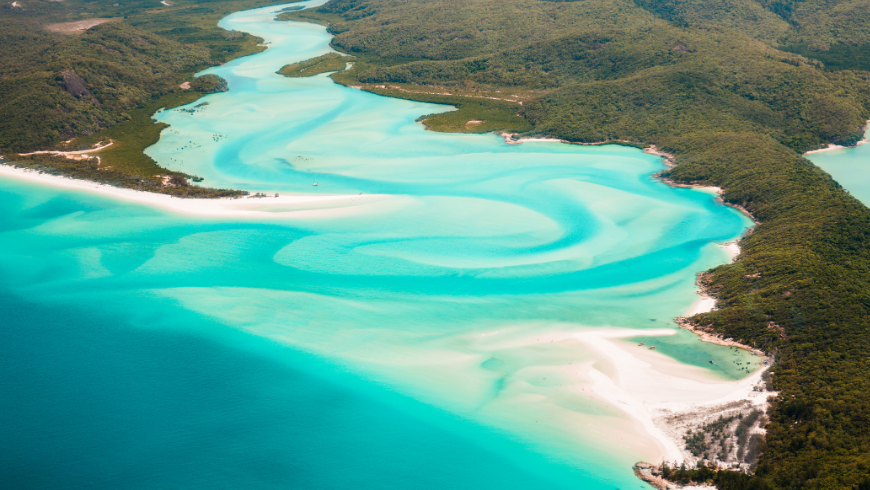
The Whitsundays are 74 islands scattered across the Coral Sea, sitting right inside the Great Barrier Reef Marine Park. Whitehaven Beach, with its pure silica sand and turquoise water, is consistently ranked among the most beautiful beaches in the world.
If you visit, look for sailing tours and operators certified by Ecotourism Australia — there are several based in Airlie Beach that run low-impact trips focused on reef education and conservation.
Best eco resort here:
Elysian Retreat on Long Island is one of Queensland’s most celebrated sustainable resorts. It runs entirely on solar energy, uses rainwater collection, and is committed to zero single-use plastics. It’s a rare place where luxury and genuine sustainability actually go hand in hand.
How to Get There & Get Around Responsibly
Queensland is a big state, so planning your transport thoughtfully matters.
If you’re traveling from another country, flying into Cairns or Brisbane are your main options. Once you’re in Queensland, try to slow down and stay longer in each place rather than rushing between destinations.
For getting around, trains are a fantastic option along the Queensland coast. Australia actually has some impressive sustainable rail connections, and [traveling by train here can be a real experience in itself](https://ecobnb.com/blog/2018/04/zero-emission-train-australia/). The Spirit of Queensland train connects Brisbane to Cairns and is a scenic, low-stress way to move between destinations.
Where possible, use local buses, join small group tours, or rent a bicycle to explore at a slower pace.
A Few Extra Tips for Responsible Travel in Queensland
When you visit Queensland, small choices add up. Here are a few things worth keeping in mind:
Choose certified eco accommodations. Look for the Ecotourism Australia certification or Advanced Eco rating when booking your stay. These certifications mean the property has been independently assessed for its environmental and social practices. Here are some ways you can check if your stay is sustainable!
Support Aboriginal-led experiences. Queensland has a rich and living Indigenous culture. Seek out tours, art, and cultural experiences led by Aboriginal communities — your support makes a direct difference.
Respect the reef and the rainforest. Use reef-safe sunscreen, never touch coral, stay on marked trails, and always follow your guide’s instructions. These ecosystems are irreplaceable.
Travel slowly. The slower you travel, the deeper your connection with a place — and the lower your overall footprint. Queensland rewards those who take their time.
Decrease your carbon footpint. Once you’re in Queensland, try to avoid internal flights and choose trains or buses instead. The Spirit of Queensland train connecting Brisbane to Cairns is a scenic and sustainable way to move between destinations. Pack a reusable water bottle, reusable bags, and solid toiletries to cut down on single-use plastic waste along the way.
Conclusion
If you’re dreaming of a destination where nature is truly extraordinary and responsible tourism is genuinely possible, Queensland is it. From the ancient Daintree to the iconic reef and the hidden hinterland, every corner of this state offers something worth protecting — and worth experiencing with care.
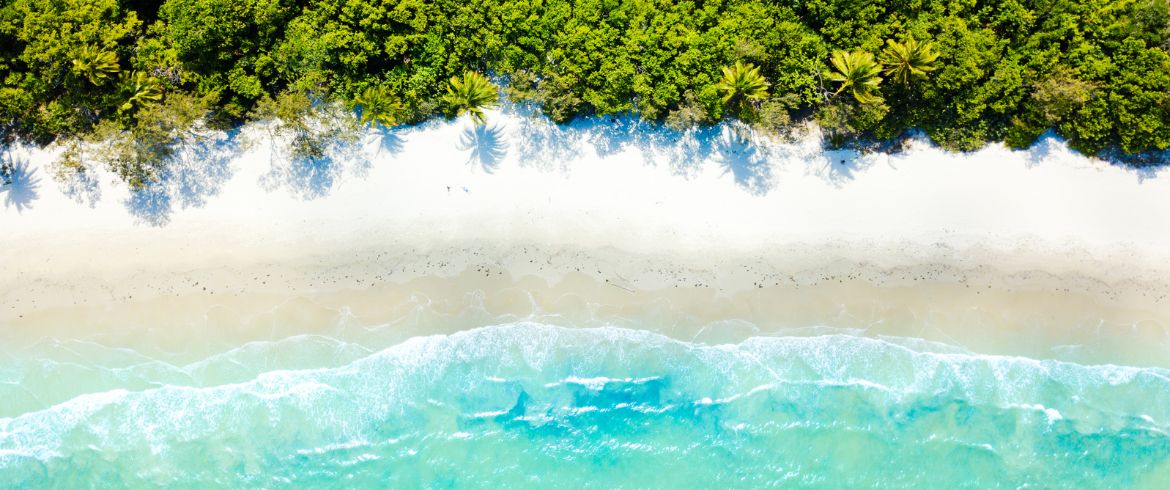
Cover image: An aerial view of Cape Tribulation in Far North Queensland, Australia. Photo via Canva PRO