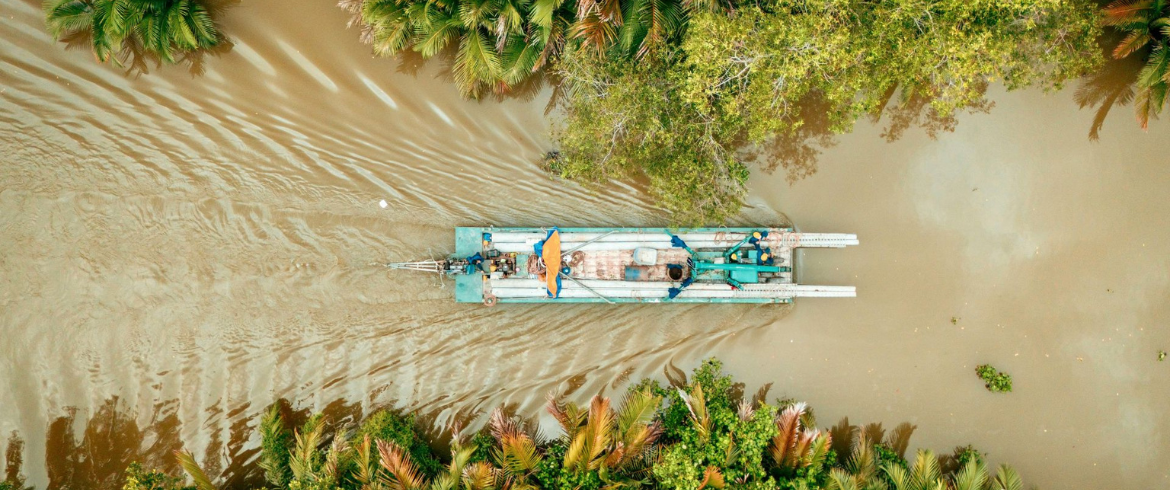
The Mekong Delta in Vietnam is a vast river region in the south of the country, where the Mekong River completes its long journey and flows into the sea. Located south of Ho Chi Minh City (old Saigon), it is a landscape of canals, islands and floating villages, often called the country’s rice bowl because it produces a large share of Vietnam’s rice, fruit and aquaculture.
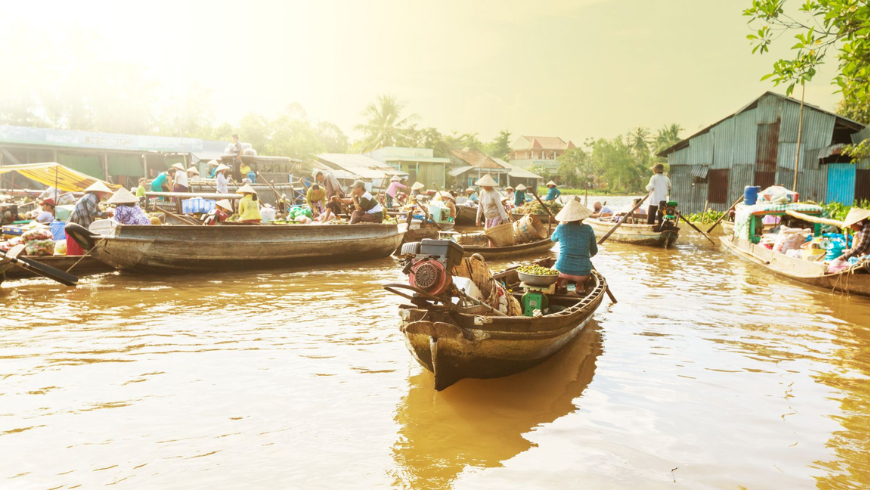
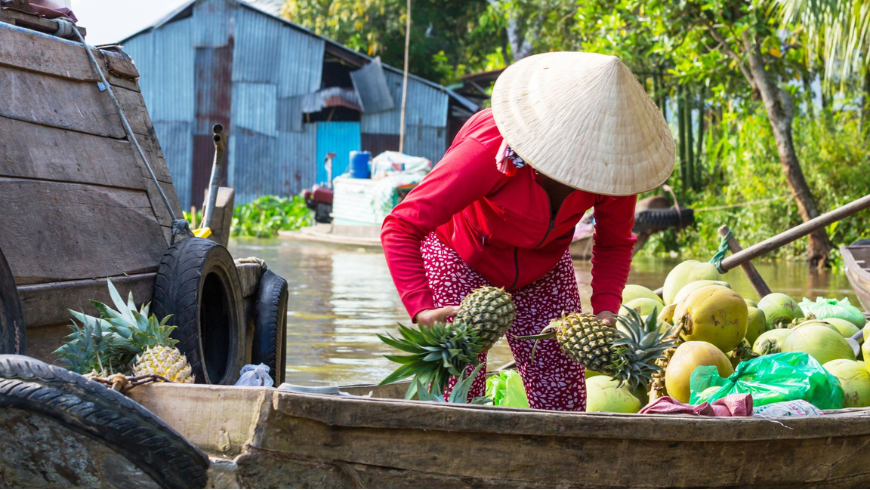
More than an agricultural hub, the Delta region is a cultural place shaped by water. Boats replace roads. Floating markets replace town squares. Daily life follows the rhythm of the tides. For travelers interested in sustainable Mekong Delta travel, this is a place where immersion happens naturally.
If you are curious about slow travel in Vietnam and how to explore the country more responsibly, this region is a perfect example.
A Region Shaped By Water And People
The Mekong Delta in Vietnam feels different from the rest of the country.
Unlike the imperial cities of central Vietnam or the mountainous north, the Delta is defined by river based living. Transport, trade and agriculture depend on boats and waterways. The landscape is flat and intensely green, with rice paddies, coconut groves, fruit orchards and fish farms stretching to the horizon.
The region is also culturally diverse. Alongside Kinh communities, strong Khmer and Chinese influences appear in temples, pagodas and cuisine. The social atmosphere feels open and informal. Conversations happen easily and hospitality feels genuine.
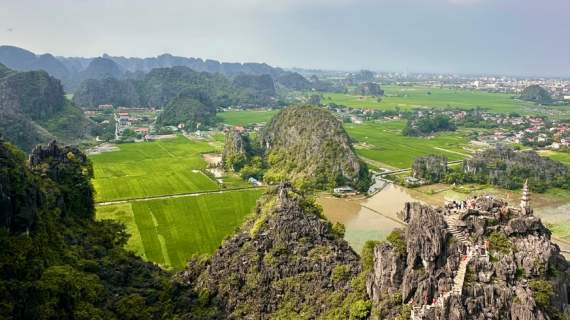
Life unfolds outdoors, on docks, in markets and under stilt houses. Compared to the dramatic limestone scenery of Ninh Binh or the lantern lit streets of Hoi An, the Mekong Delta feels less polished and less curated. What it offers instead is authentic daily life in motion.
How to Experience the Mekong Delta
There are many ways to explore the Mekong Delta in Vietnam, and your choice shapes how deeply you connect with it.
Day Trip from Ho Chi Minh City
Many travelers visit on an organized tour from Ho Chi Minh City.
A typical day trip includes a boat ride through narrow canals, visits to small workshops producing coconut candy or rice paper, a short cycling segment and lunch at a riverside restaurant.
This option works if you are short on time. However, experiences can feel condensed and sometimes staged. Interaction with locals is often brief.
If you choose this route, look for small group operators that collaborate directly with local families and avoid exploitative wildlife activities.
Stay in a Mekong Delta Homestay
For truly sustainable Mekong Delta travel, staying overnight makes a real difference.
Homestays are usually family run houses located beside canals or surrounded by rice fields and orchards. Because they are integrated into village life, guests naturally take part in daily routines.
You might visit the morning market, help prepare meals, fish in the canal or cycle through nearby villages. Food is often the highlight. Guests are welcomed into the kitchen to learn how regional dishes are prepared using fresh herbs, river fish and seasonal produce.
Choosing a homestay helps keep tourism income within the local community and supports community based tourism that protects culture and nature.
Explore by Bicycle
The Delta’s flat terrain makes cycling one of the best ways to explore.
Narrow concrete paths connect villages, farms and pagodas. You can stop for iced coffee at a roadside café, watch rice drying in the sun or observe farmers at work.
Cycling reduces your environmental footprint and encourages low impact travel experiences rooted in connection.
Motorbike Road Trip
Independent travelers may prefer exploring by motorbike. The roads are flat and scenic, winding through coconut groves and crossing small bridges over canals. Traveling slowly allows you to discover local eateries, family run cafés and lesser visited temples.
For inspiration on responsible motorbike adventures in Vietnam, it helps to know that motorbikes are one of the most common and practical ways to travel across the country. From rural deltas to dramatic mountain passes, riding allows travelers to move slowly and connect with local landscapes. In the north, routes like the legendary Ha Giang Loop motorbike journey show how powerful and immersive this kind of travel can be when done responsibly.
Typical Food of the Mekong Delta
Food in the Mekong Delta in Vietnam reflects its river landscape and agricultural abundance.
Some regional specialties include:
- Hủ tiếu, a flavorful noodle soup often served with pork and seafood, especially famous in Mỹ Tho.
- Cá kho tộ, caramelized fish cooked in a clay pot with a rich and slightly sweet flavor.
- Bánh xèo miền Tây, a southern style crispy pancake filled with shrimp, pork and herbs.
- Elephant ear fish, fried whole and served with fresh herbs and rice paper.
- Tropical fruits such as rambutan, longan and pomelo, often picked fresh from orchard gardens.
Meals are generous and designed for sharing. Staying in a homestay is one of the best ways to experience this cuisine authentically and support local food traditions.
How Many Days Are Enough
While it is possible to visit the Mekong Delta on a day trip, two to three days allow for a more meaningful experience.
One night lets you see floating markets at sunrise and enjoy rural life after day visitors leave. Two or three nights give you time to cycle between villages, explore smaller canals and truly embrace the slower rhythm of sustainable Mekong Delta travel.
Choosing a Green Lodge in the Mekong Delta
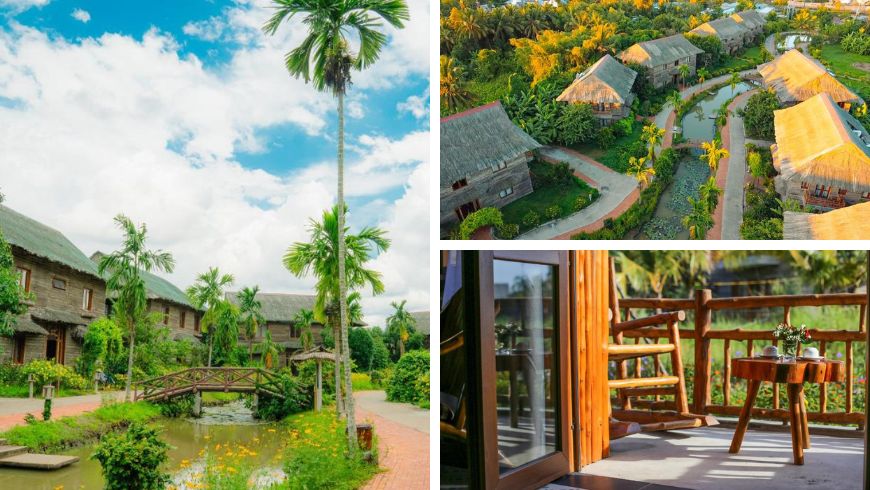
If homestays are not your preference, eco-friendly lodges offer another responsible option.
Look for architecture that blends with the environment, using locally sourced materials and natural ventilation. Many eco accommodations now focus on sustainable building materials that reduce environmental impact and respect local traditions.
Elevated structures adapted to seasonal flooding show respect for the Delta’s ecosystem.
Responsible properties prioritize proper wastewater treatment, reduced plastic use and careful waste management. In such a water-sensitive region, environmental practices are essential.
Community integration also matters. Lodges that hire local staff, source food from nearby farms, and offer low-impact activities such as non-motorized boat tours or guided cycling experiences create positive social and environmental impact for the region.
Where the River Sets the Pace
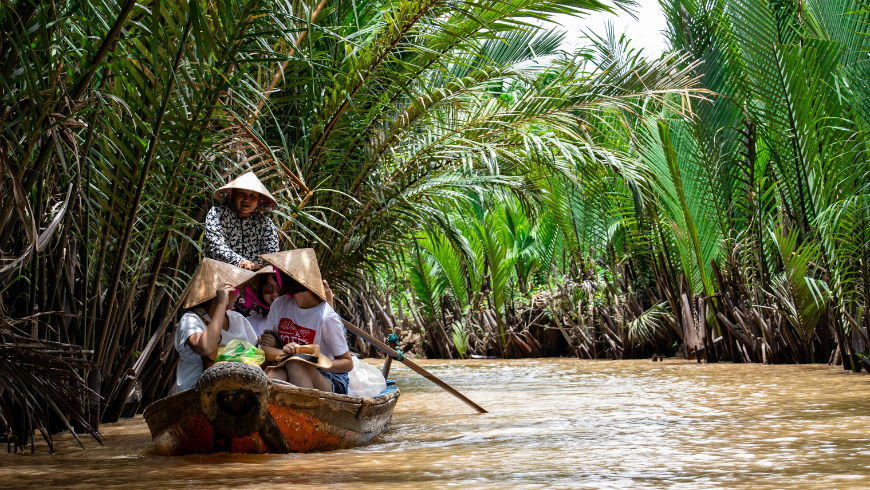
The Mekong Delta in Vietnam is not defined by monuments. It is defined by water, agriculture and human connection.
Choosing sustainable Mekong Delta travel means staying longer, supporting family run accommodations, minimizing environmental impact and engaging respectfully with local communities.
In the Delta, the river shapes everything. If you allow it, it may also shape the way you travel.