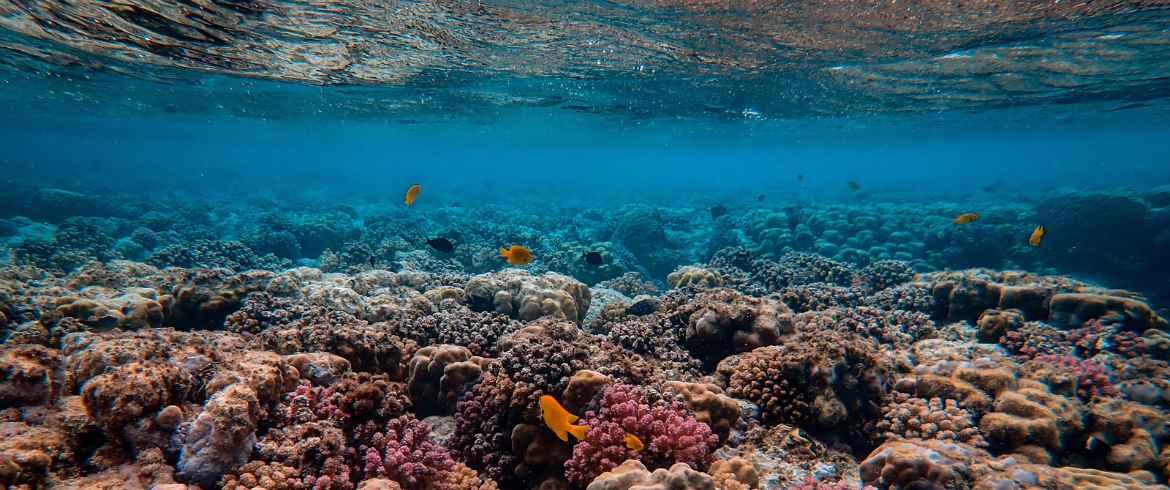
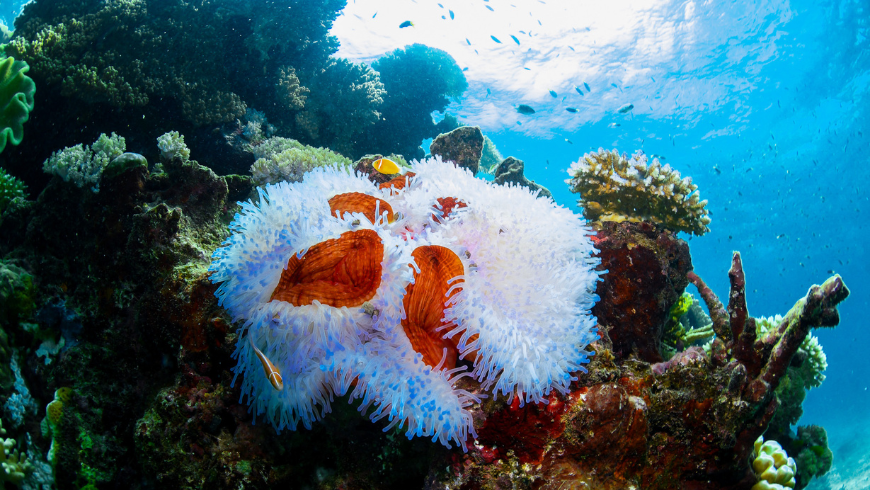
From the tropical shores of Cairns, in Australia, the Great Barrier Reef feels almost unreal. Endless blue waters, vibrant coral gardens, and rich marine life make this place one of the most extraordinary ecosystems on Earth — and a powerful example of why responsible travel in the Great Barrier Reef matters.
But beauty alone is not enough to protect it. Visiting the reef today means embracing responsible travel in the Great Barrier Reef, where tourism is carefully managed to respect nature and ensure long-term protection.
Why Responsible Travel in the Great Barrier Reef Matters
The Great Barrier Reef is the largest coral reef system in the world. And it supports thousands of marine species and plays a vital role in ocean health.
Its importance goes beyond nature. The reef sustains local communities, supports sustainable livelihoods, and holds deep cultural value for Aboriginal and Torres Strait Islander peoples.
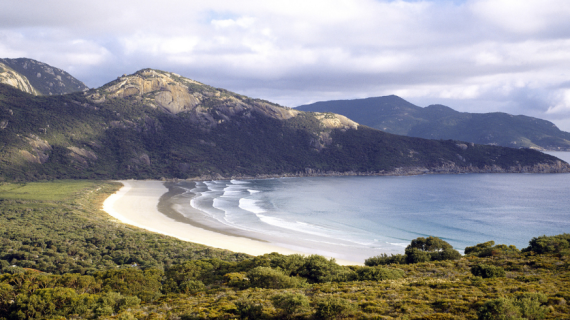
Similar to other protected areas in Australia, conservation here depends on smart visitor management, showing how limiting impact can help preserve fragile landscapes. Curiosity: one example of how australia manages its tourists is related to how Wilsons Promontory in Australia limits Its visitors.
This balance between access and protection reflects broader ideas of regenerative tourism, where travel helps restore ecosystems and strengthen local communities.
The reef is protected by national regulations and managed by the Great Barrier Reef Marine Park Authority, which works to preserve this World Heritage ecosystem.
How the Reef Is Changing Over Time
The Great Barrier Reef is under growing pressure.
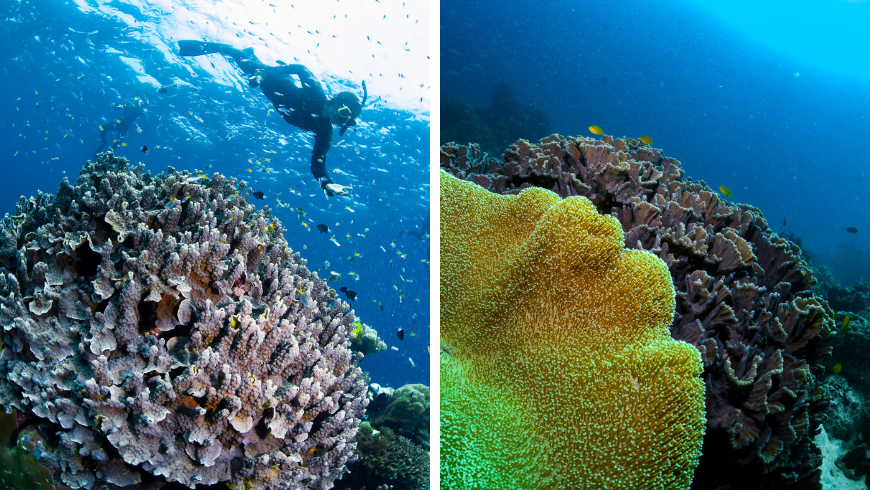
Climate change and global warming are affecting it directly. Rising ocean temperatures cause coral bleaching, while pollution and sediment affect water quality. Some coral areas can recover, but others take decades to grow back.
Corals grow slowly. What takes decades to form can be damaged in seconds. This is why destinations across Australia are rethinking tourism models, from coastal roads to marine parks, proving that sustainability and access can coexist.
Planning Responsible Travel in the Great Barrier Reef
How to Get to the Great Barrier Reef from Cairns
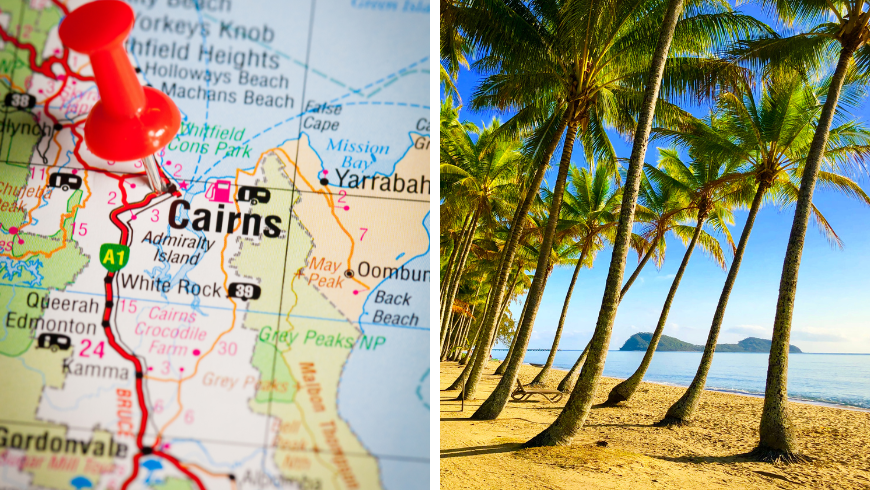
Cairns is one of the main gateways to the reef. It is well connected by domestic and international flights, making it easy to reach from major Australian cities.
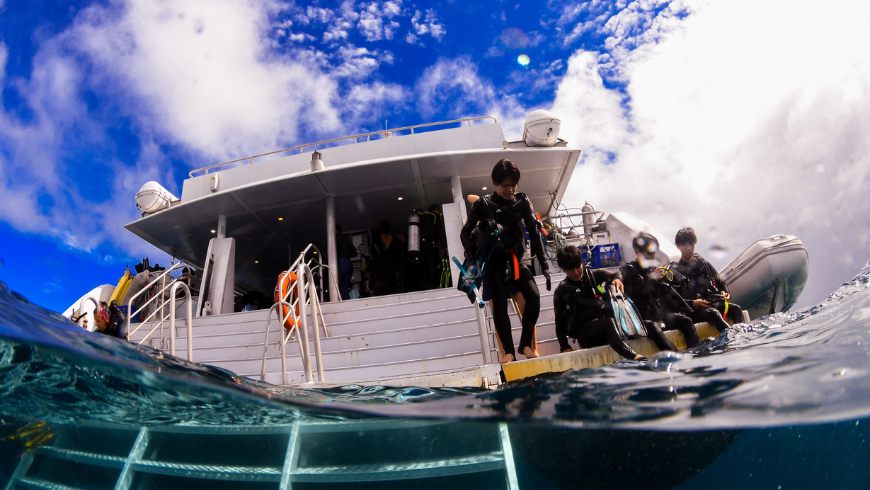
From Cairns, travelers usually access the reef by boat. Many tours visit outer reef areas, where coral health is often stronger. While in Australia, choosing low-impact transport and well-managed tours follows the same sustainability mindset seen across regions like Western Australia, where nature-first travel is becoming the norm.
Also, choosing operators that follow eco-friendly travel experiences like those highlighted in Ecobnb’s sustainable destination stories helps reduce pressure on fragile reef areas.
How Long Should You Stay
Spending 3 to 5 days in Cairns is ideal.
This allows time for reef exploration and nearby rainforest experiences, without rushing.
Slower travel helps reduce environmental pressure and encourages deeper connection with place. Australia offers many destinations where nature is the main attraction, and staying longer supports local communities rather than mass tourism
Besides that, longer stay encourages slower travel and deeper connection. It also allows visitors to support eco-friendly stays that follow clear sustainability principles, such as those aligned with Ecobnb Green Certification requirements.
Choosing Responsible Travel Experiences in the Great Barrier Reef
Not all reef tours are the same. Responsible operators focus on education, conservation, and respect for marine life.
Look for tours that limit group sizes, avoid touching coral, and support reef monitoring. These principles are part of responsible travel in the Great Barrier Reef, where learning and protection come before entertainment.
Simple Ways Travelers Can Help Protect the Reef
Small actions make a big difference. One of the most important choices travelers make happens before entering the water.
Many common sunscreens contain chemicals that harm coral reefs. Choosing safer alternatives helps reduce pollution and protect marine ecosystems.
Snorkeling and diving should always be gentle and respectful. Ethical practices help avoid stress on marine animals and fragile coral structures
Other simple actions include:
- Never touching coral or marine animals
- Reducing plastic use
- Following guide instructions carefully
A Shared Responsibility
The Great Barrier Reef is a global treasure. Its future depends on conscious choices made by travelers, operators, and communities.
Across Australia, from national parks to coastal routes and marine reserves, tourism is evolving toward protection-first models. Choosing responsible travel in the Great Barrier Reef means becoming part of this positive change.
Visiting the Great Barrier Reef is a privilege. Travel slowly, respect nature, and let your journey help protect one of the world’s most remarkable ecosystems. This kind of sustainable reef tourism helps reduce pressure on fragile ecosystems while creating long-term benefits for local communities.