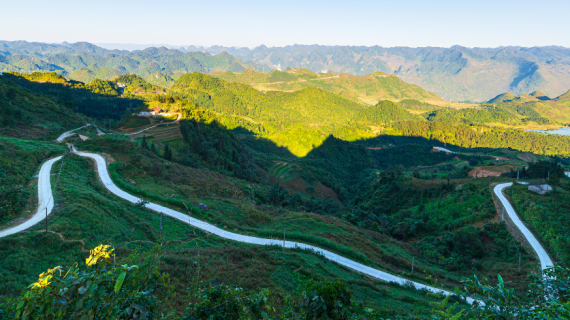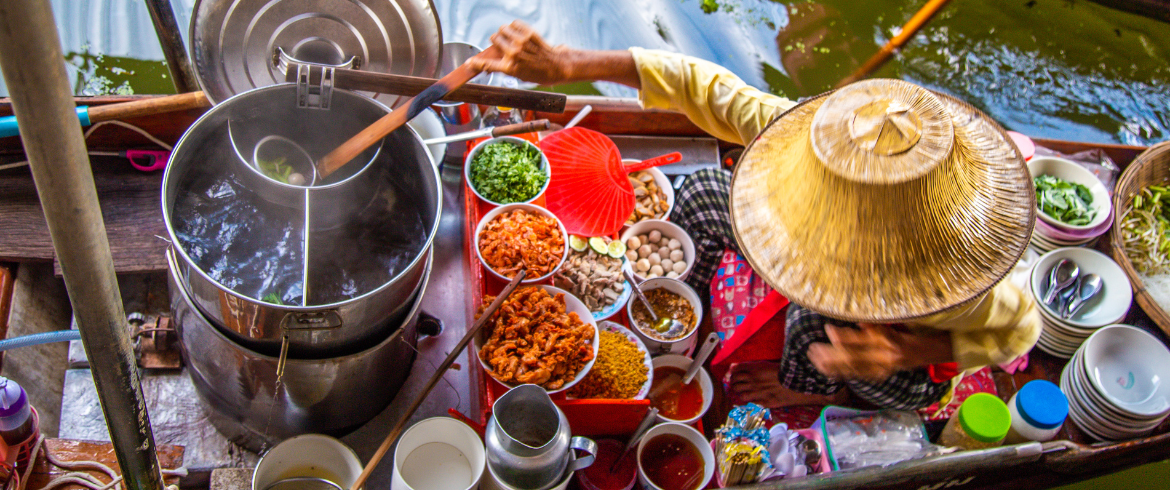
I bet you’ve felt the difference: travel feels different when you connect with the local community when you travel, opening yourself to local people, not just places.
Beyond famous sights and perfect photos, there is daily life: markets, paths, conversations, and shared moments. Connecting with the local community creates deeper memories and does not require big gestures. It grows from small, respectful choices that turn travel into a real cultural exchange.
Change the Mindset: Travel as a Cultural Exchange
Many trips are built around ticking attractions off a list. Tight itineraries. Rushing from place to place. But real connection does not happen in a hurry.
When you see a destination as a living community, not a product, your mindset changes. Every market, path, café, and home becomes part of a shared story. Travel turns into an exchange, where curiosity and respect matter more than photos.
This way of traveling creates memories that last longer, for you and for the people who welcome you. When you connect with the local community when you travel, your journey becomes more meaningful for everyone involved.
Practical Ways to Connect With the Local Community When You Travel
1. Slow Down and Spend More Time in One Place
Connection needs time.
Short stays often keep travel on the surface. When you stay longer in one area, you begin to notice routines, familiar faces, and daily rhythms. You return to the same café. You greet the same neighbors. Trust grows naturally.
Slow travel also reduces pressure on destinations and allows tourism to fit better into local life.
Walking journeys are a powerful example. Routes like Portugal’s Fishermen’s Trail invite travelers to move slowly, on foot, through small villages and natural landscapes. Walking lowers environmental impact and creates space for real human encounters. Other great examples of walking journeys are:
- 3 Walking Itineraries in Liencres: Exploring the Spanish Coast Shaped by the Waves
- 5 walking routes in the Alps
- Enchanted woodlands and cliffs – your walking holiday in Ireland
- Formentera: the most scenic walking and cycling routes
- Street Art in Forlì: 3 Walking Itineraries
2. Choose Locally Owned Places to Eat, Shop, and Stay
One of the most direct ways to support local communities is also the simplest.
Eat at small, local restaurants.
Buy from artisans and family run shops.
Stay in locally managed, eco friendly accommodations.
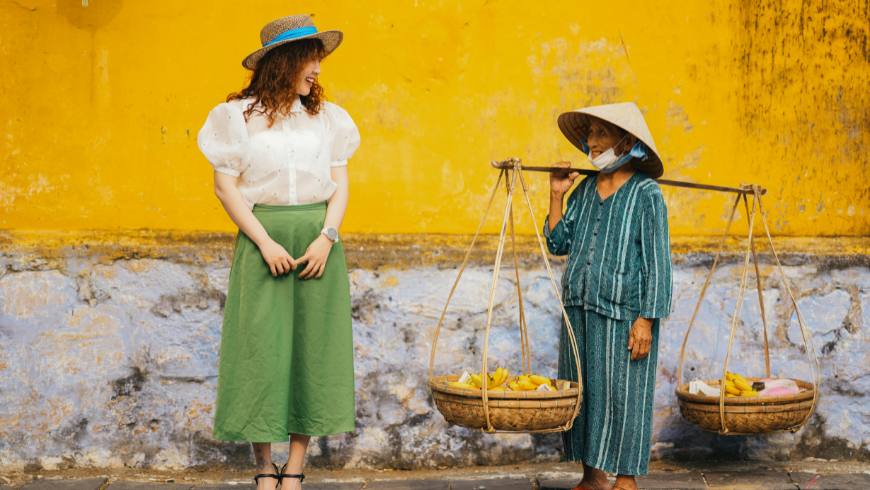
These choices keep money in the community and help protect traditions, jobs, and local knowledge. They also open the door to conversations you would never have in large, tourist focused places.
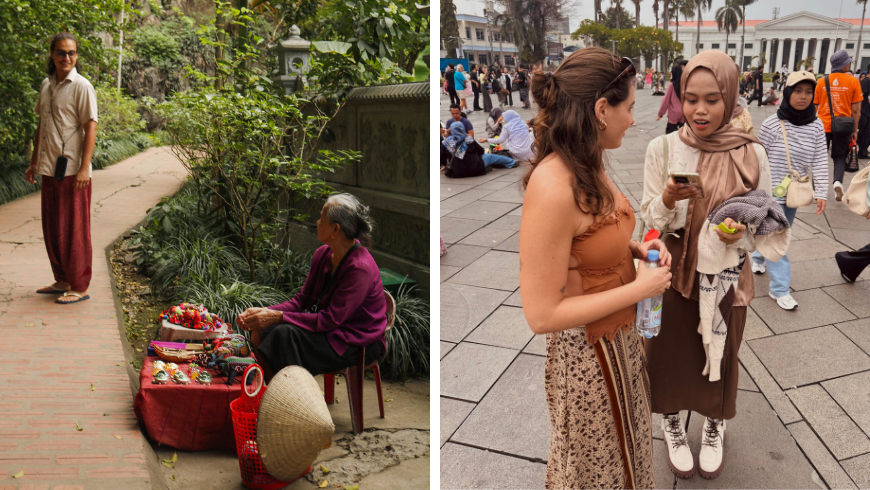
3. Learn, Respect, and Interact With Local People
Respect starts before the journey begins.
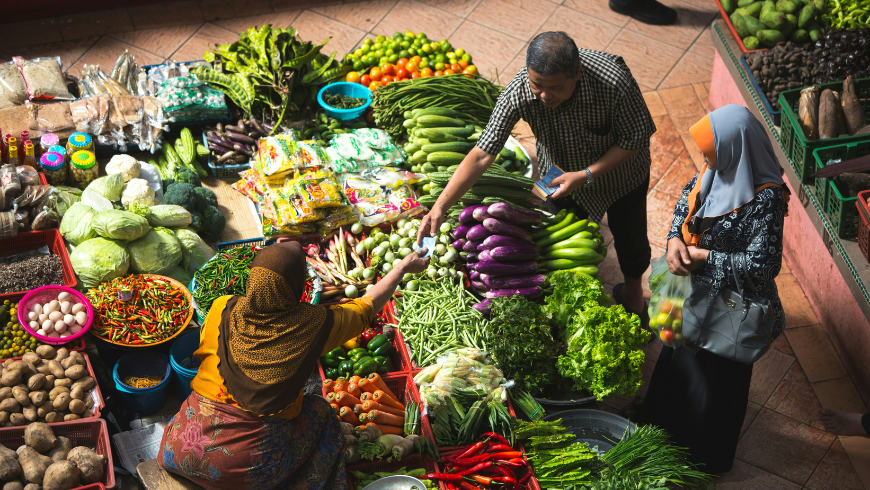
Learning basic customs, such as how people greet each other, dress, or behave in shared spaces, shows care and openness. Even a few words in the local language can help break the ice and create warmer interactions.
Once you arrive, pay attention to how people interact with each other. Listen more than you speak. Be curious, not demanding. Small gestures like greeting people, saying thank you, or asking politely can make a big difference.
Real connection grows when travelers approach local people with humility, respect, and genuine interest, not as observers, but as guests.
4. Join Community Led Experiences
Not all experiences support local communities in the same way.
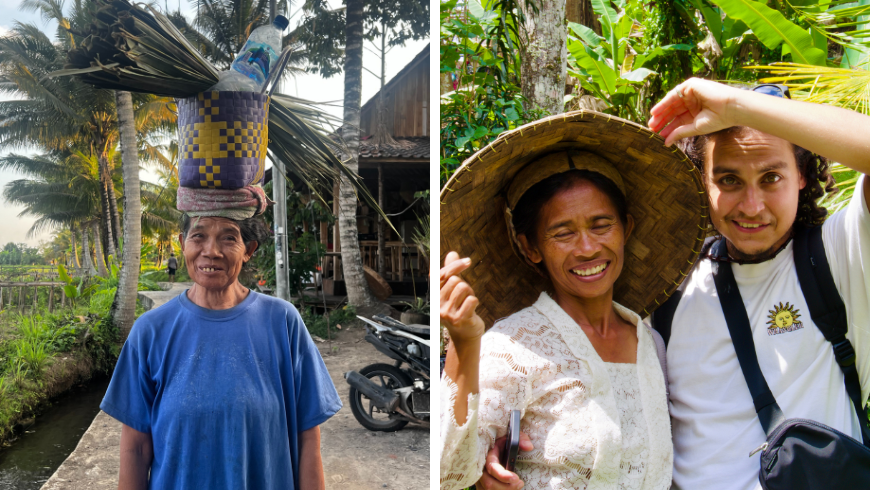
Community led experiences are created and guided by local people. They can include cooking classes, walking tours, craft workshops, or nature activities rooted in local knowledge.
These moments are often simple, but they tell real stories. They create fair income, protect culture, and allow travelers to learn directly from those who live there.
5. Walk, Cycle, or Use Local Transport
How you move matters.
Walking, cycling, and using public transport reduce emissions and help you experience places at a human pace. You notice small details. You pass through neighborhoods without disrupting them.
Walking is one of the most sustainable ways to travel. It is also one of the most human.
On foot, you move at the pace of the place. You notice smells, sounds, and small details. You pass through communities with care, not pressure.
Walking routes such as coastal paths, rural trails, or village to village journeys connect nature and culture in a respectful way. This is also a simple and effective way to reduce your carbon footprint while traveling.
6. Respect Privacy and Avoid Performative Connection
Good intentions are not always enough.
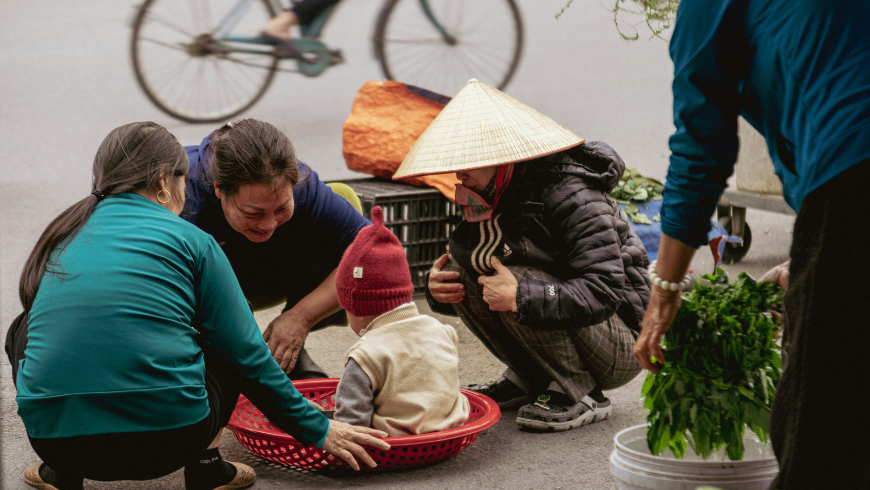
Taking photos without asking, sharing personal stories online, or expecting emotional openness from locals can feel intrusive. People are not attractions.
Real connection is quiet and mutual. It does not need to be shared or proven.
7. Stay in Eco Friendly Places That Work With the Community
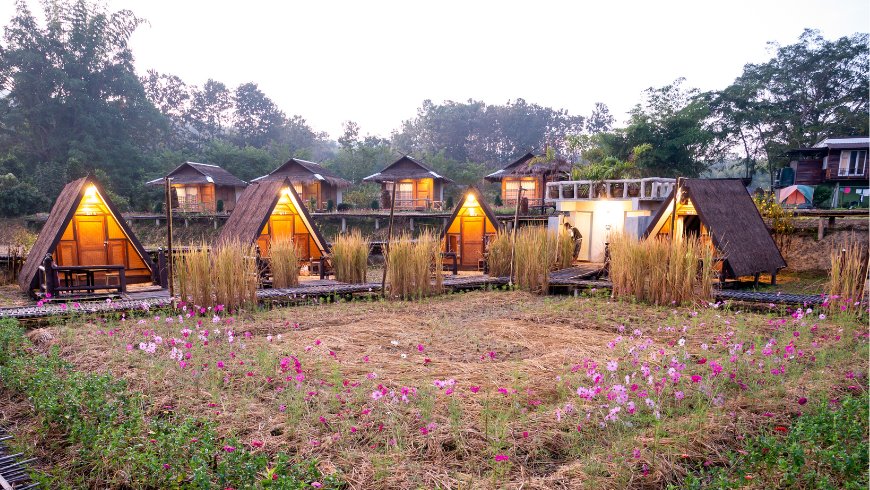
Eco friendly accommodations often go beyond environmental care.
Many work closely with local communities, hire locally, use regional products, and promote responsible activities. They encourage guests to slow down, explore mindfully, and connect with the place, not consume it.
Choosing these stays supports tourism that respects people, nature, and long term balance.
Common Mistakes When Trying to Connect With Locals While Traveling
Good intentions are not always enough.
Some travelers try too hard to “experience local life” and end up turning people into attractions. Taking photos without asking, expecting emotional openness, or sharing stories online without context can feel invasive.
Real connection is quiet and mutual.
It does not need to be shared or proven.
Respect personal boundaries. Let relationships grow naturally. Respecting privacy and avoiding performative behavior is part of responsible tourism principles, which encourage travelers to protect dignity, culture, and local life.
Travel That Gives Back Starts With How You Show Up
Connecting with the local community is not a travel trend. It is a mindset.
Learning how to connect with the local community when you travel is one of the most powerful ways to give something back. When you travel slowly, choose responsibly, and stay open, your journey becomes meaningful for everyone involved.