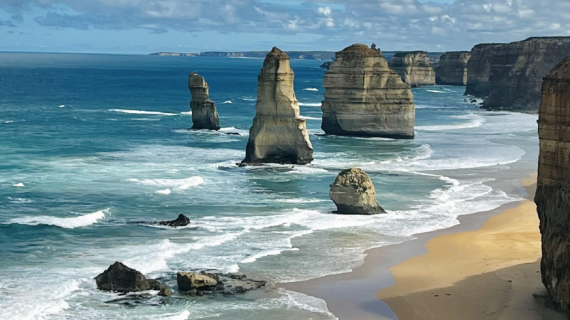
Wilsons Promontory visitor limits is a powerful example of how tourism can be managed without harming nature.
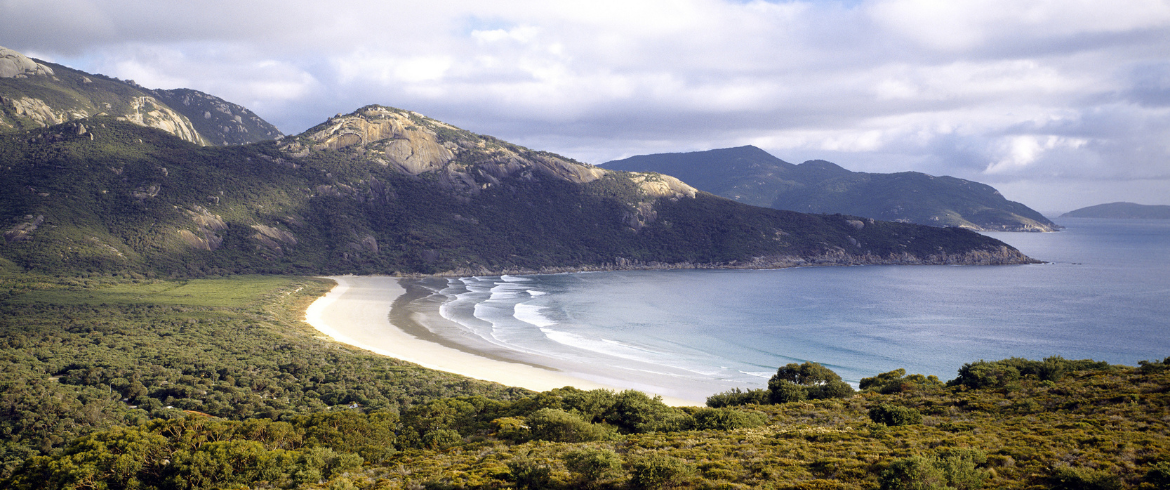
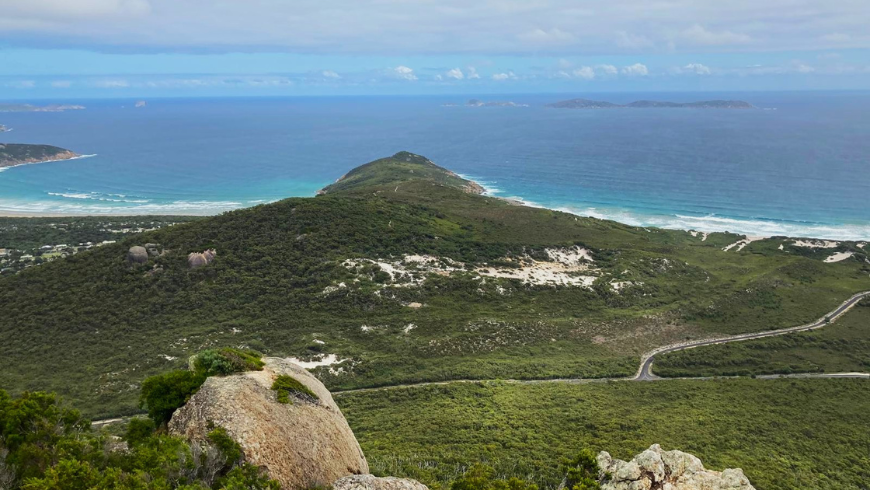
Wilsons Promontory National Park is one of Australia’s most loved natural treasures. Known for its rugged granite mountains, diverse wildlife, and untouched coastlines, the park’s true strength lies in something less visible: a smart visitor-management strategy designed to prevent overcrowding and overtourism while still welcoming travellers.
By limiting how many of us enter, Wilsons Promontory National Park protects fragile ecosystems and ensures that nature remains the main attraction — not crowds.

Why Wilsons Promontory Visitor Limits Matter
Over the years, increasing visitor numbers placed growing pressure on the park. More people meant more cars, crowded campgrounds, trail erosion, noise that disturbed wildlife, and stress on coastal, forest, and heathland ecosystems.
As a result, Wilsons Promontory visitor limits help reduce overcrowding, protect vegetation, and allow wildlife to behave naturally. Instead. limiting access is not about restriction — it is about long-term protection.
For this reason, a controlled number of visitors leads to a healthier and more enjoyable national park — for both nature and people. If you love a nature-based travel check out all best national parks to visit here.
The Benefits of Wilsons Promontory Visitor Limits
Wilsons Promontory visitor limits bring both immediate and long-term benefits for ecosystems, wildlife, and travellers.
- Healthier ecosystems as dunes and forests recover
- Calmer, more immersive experiences for visitors
- Safer roads and trails
- Better conditions for wombats, wallabies, shorebirds, and native plants
- A stronger connection between travellers and nature
With fewer people, visitors hear the ocean more clearly, walk quieter trails, and experience the park as it was meant to be.
In short, limits protect the park’s wild heart and make visiting it more rewarding.
With fewer crowds, something special happens. Suddenly, you hear the ocean more clearly, and trails feel quieter without constant foot traffic. You walk trails without constant foot traffic. You may spot wombats at dusk, listen to birds at dawn, and enjoy beaches that feel untouched rather than busy.
As a result, this is Wilsons Promontory National Park at its best: calm, wild, and full of life. This is an example of eco-tourism.
How Wilsons Promontory Visitor Limits Are Applied
To protect the park, authorities focus on managing human impact rather than expanding infrastructure:
- Overnight stays are capped at around 4,000 visitors in the Tidal River Recreation Zone
- Day access is limited to approximately 800 vehicles per day
- Campsites are restricted and allocated through a strict booking system
- Clear rules regulate camping behaviour, waste, wildlife interaction, and parking
- Planning decisions put first ecosystem health over visitor volume
Overall, this approach shows how Wilsons Promontory visitor limits place nature first.
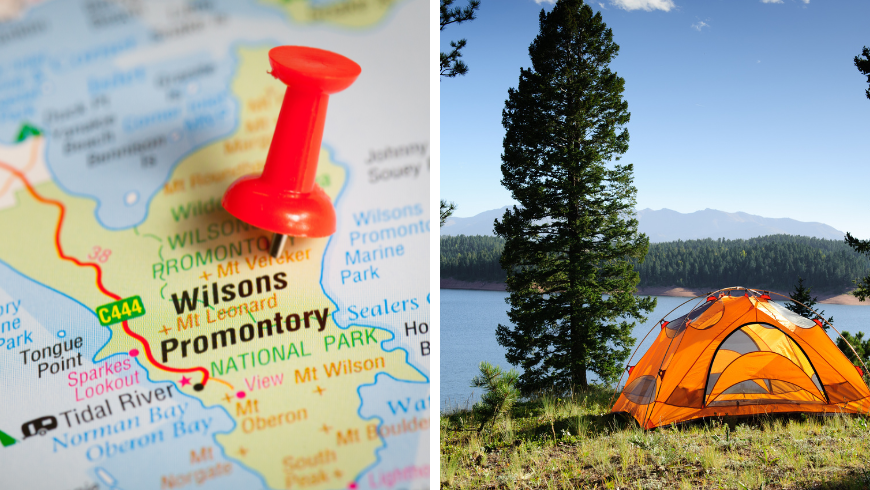
Parks Victoria – Wilsons Promontory, for more information: here.
Wilsons Promontory Visitor Limits as a Model for Sustainable Tourism
Wilsons Promontory visitor limits show how long-term planning can protect ecosystems while still allowing people to experience them. Natural places do not need constant growth to remain attractive. By enforcing visitor limits, the park protects what makes it special.
According to Parks Victoria, managing visitor numbers is very important to protecting biodiversity and making sure long-term public access to protected areas.
A Guide for Travellers: When and How to Visit
Thanks to Wilsons Promontory visitor limits, planning your visit in advance is very important.
When to Go
- Shoulder seasons (March–May and September–November) offer fewer crowds and mild weather
- Summer is extremely popular and requires advance planning
- Winter is quieter and ideal for solitude and dramatic landscapes
Booking Tips
Wilsons Promontory visitor limits mean campsites often sell out months in advance, especially during school holidays and long weekends. Midweek and off-season visits offer better availability.
How to Explore Responsibly
- Stay on marked trails
- Keep distance from wildlife
- Carry out all rubbish
- Use reusable bottles and containers
- Respect quiet hours
- Follow Leave No Trace principles
Visiting responsibly is part of helping the park stay healthy for future generations.
Examples of Other Parks Limiting Tourism
Wilsons Promontory is not alone. Similar approaches are used worldwide:
- Machu Picchu (Peru): daily visitor caps and timed entry
- Cinque Terre (Italy): hiking limits and seasonal trail closures
- Komodo National Park (Indonesia): visitor quotas and zoning
- Yosemite National Park (USA): reservation systems
- Galápagos Islands (Ecuador): strict access controls
These examples show that controlling tourism protects landscapes rather than excluding people. If you are into exploring new ways of becoming a sustainable traver check this article out: here.
A Model for the Future
Wilsons Promontory visitor limits show that sustainable tourism is possible when parks choose thoughtful limits instead of endless growth. With careful planning, nature recovers, wildlife returns, and travellers enjoy a deeper connection to the wild.
Final Thought
These visitor limits ensure that protecting nature always comes before increasing visitor numbers. By choosing limits over growth, the park protects wildlife, landscapes, and the quality of every visit.
When nature is protected, the experience becomes richer — calmer, wilder, and more meaningful.