
Garages, sheds and apartment basements in many countries hold an enormous number of bicycles that still roll perfectly well and simply stopped getting used. Some belonged to a teenager who moved away, others were bought for a fitness plan that faded after one summer, and plenty were parked the day a hill on the commute started to feel too steep. Meanwhile, electric bikes have become one of the most popular ways to replace short car trips, and most people assume that joining in means buying a brand-new machine. For travelers who care about the footprint of their gear, there is a quieter option sitting right next to the lawnmower.
Why the Old Frame Is Worth Keeping
A large share of the environmental cost of any bicycle is paid before it ever reaches a rider. Aluminum frames in particular take a lot of energy to smelt and shape, and a new e-bike adds a motor, a battery, wiring and a controller on top of that. Keeping an existing frame in service means one fewer frame has to be manufactured, shipped and eventually discarded. It also means the rider keeps a bike whose fit and quirks they already know, which counts for more on a long ride than most spec sheets admit.
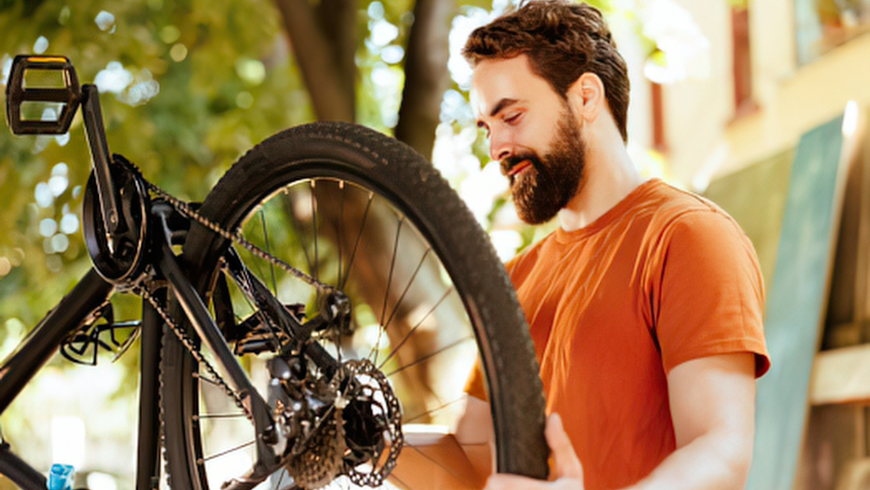
Before fitting an electric bike conversion kit to an old frame, most people start with a careful look at the bicycle itself. Sound wheels and brakes that stop with confidence matter much more once a motor is pushing the bike along at higher average speeds, and so does a frame free of cracks or deep rust. Steel touring frames and sturdy mountain bikes from the past few decades tend to be good candidates, while very light racing frames or bikes with unusual dropout spacing can be harder to work with. A local bike mechanic can usually spot problems in a few minutes, and that inspection costs far less than a new bicycle.
There is a practical bonus as well. A converted bike often looks like an ordinary bicycle with a few extra parts, which makes it a little less appealing to thieves than a shiny, obviously expensive e-bike locked outside a train station or a guesthouse. Older frames also tend to use standard parts that most repair shops can source quickly. On a long trip through small towns, that can decide whether a breakdown costs an afternoon or several days.
Planning a Car-Free Trip Around a Converted Bike
Surprisingly, the motor tends to change where people are willing to go more than how fast they get there. Routes that once looked unrealistic because of a long climb or a stiff headwind suddenly become reasonable day rides. A couple on a rural farm holiday a long way from the nearest town can ride in for groceries and a coffee without debating who has to drive. Coastal villages and lake districts that are poorly served by buses become reachable for riders who would never have attempted them on an ordinary bike.
Trip planning still starts with distance and elevation, though the numbers get read differently. Range depends on battery capacity, rider weight, terrain, temperature and how much the rider pedals, so published estimates should be treated as rough guides. Many touring riders plan days well inside their expected range and keep the highest assist levels for steep sections, which leaves a comfortable buffer for detours or a wrong turn down a gravel lane.
Range, Hills and the Extra Weight of Luggage
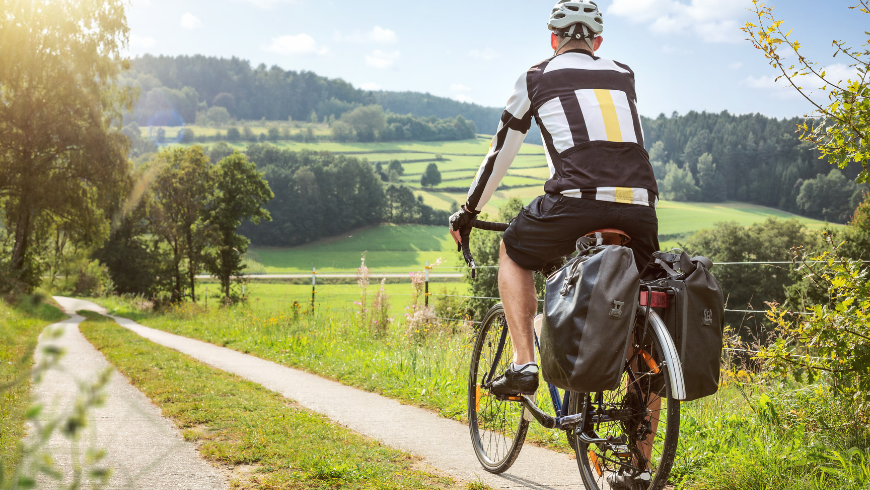
Panniers change the picture more than people expect. A loaded touring bike can carry a surprising amount of weight once camping gear, water and food enter the bags, and the motor works harder to move all of it uphill. Riders hauling full bags through hilly country sometimes size up to a 1200w electric bike conversion kit, which makes the climbs feel easier while drawing more from the battery on every ascent. Extra weight also adds strain to brakes and wheels on long descents, so the whole bike needs to be up to the job.
The most comfortable touring days on a converted bike often come from keeping the assist low. Pedaling steadily in a low or medium setting keeps the battery cool, stretches range and leaves the rider with the pleasant tiredness that makes a good dinner taste even better. The motor becomes a tool for the hard parts of the day, leaving the rest of the riding to the legs.
Living With the Battery on the Road
Batteries are the part of an e-bike that deserve the most respect, both on a trip and at home. Lithium-ion packs last longest when they avoid extreme heat, deep discharge and long periods stored at a full charge. On a summer tour, that means parking in the shade when possible and bringing the battery indoors overnight. In cold weather, keeping the pack warm before a ride helps it deliver its usual range.
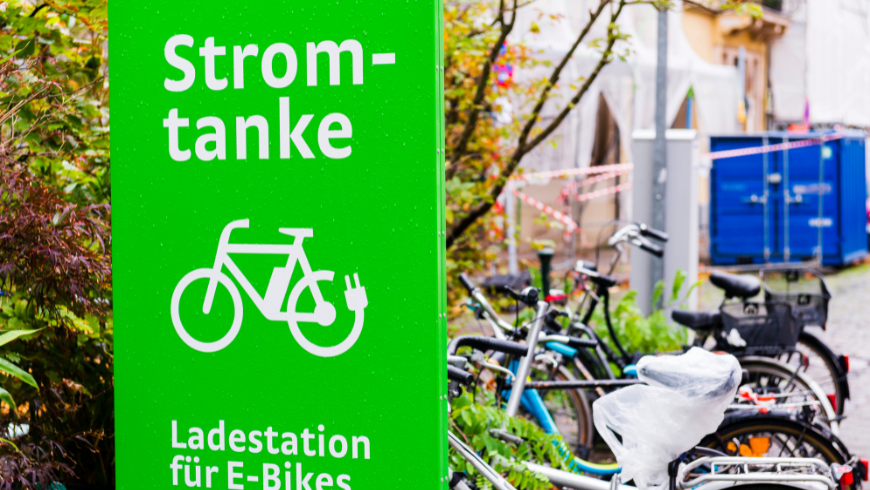
Charging on the road takes a bit of planning. Guesthouses, cafes and campgrounds with power are becoming more used to cyclists asking for an outlet, though it is still polite to ask before plugging in. Some riders carry a second battery for remote stretches, while others plan routes so that each night ends somewhere with reliable electricity. Using only the charger that matches the battery is a simple habit that prevents most charging problems.
Even a well-treated pack slowly loses capacity over the years. When a battery no longer holds enough charge for regular trips, it should never go into household trash, where damaged lithium cells can start fires in collection trucks and sorting facilities. Many bike shops and municipal waste programs accept old e-bike batteries for recycling, and some cell suppliers take back their own packs. Riders who keep the rest of the bike running for many more seasons while replacing only the battery are making a more resource-conscious choice than replacing the entire bicycle, provided the rest of the bike remains safe and in good condition.
Power, Rules and Where the Bike Is Allowed to Go
Motor power deserves a careful look before any trip abroad, and sometimes before crossing a regional border at home. Many places define an electric bicycle by limits on motor output and assisted speed, and machines that exceed those limits may be treated as mopeds or motorcycles. In the European Union, for example, pedal-assist bicycles are exempt from motor vehicle type-approval requirements under Regulation (EU) No 168/2013, provided they have a maximum continuous rated motor power of 250 W, provide assistance only while pedalling, and progressively cut off assistance before reaching 25 km/h. Vehicles that fall outside this exemption may be subject to additional requirements for approval, registration, insurance, licensing or helmet use, depending on their classification and national legislation.
Conversion setups span a wide range of output, from modest commuter kits to large direct-drive units. The sensible first step is matching the motor to the places a rider actually plans to go, whether that means private land, quiet rural roads or a city with strict path rules. Checking the local definition before departure saves a lot of trouble at the trailhead.
Respect on shared paths goes beyond legal definitions. A slower pass near children and dogs, along with a willingness to drop the assist level in busy areas, makes a big difference in how e-bike riders are received. In popular eco destinations, where locals already feel the pressure of visitors, those small courtesies help keep cycling welcome.

There is something satisfying about watching an old bicycle come back to life with a second purpose. The frame that once gathered dust ends up carrying its owner to a lakeside cabin or a train station at the start of a longer journey, with no car left idling in a parking lot. For travelers trying to tread a little more lightly, that small act of reuse can quietly reshape how a whole trip gets planned.
Cover image: photo via Canva PRO


