
Every few years the Camino de Santiago has a Holy Year, and it just so happens that 2027 is the next one. If you’ve been putting the trip off, this may well be the year.
The extra pressure isn’t spread evenly though, as most of it lands on the final stretch into Santiago. This is where your choices as a walker count most.
What a Holy Year means for the Camino
A Holy Year, or Xacobeo, comes round whenever 25 July – the feast of St James, falls on a Sunday. After 2027, there isn’t going to be another until 2032, so many walkers time their arrival for the July celebrations.
Given that in 2025, the Camino passed half a million pilgrims for the first time, we can expect 2027 to be mega. 2025 wasn’t even a Holy Year.
Demand is always climbing. Galiwonders says its 2027 bookings are about 30% ahead of the year before. “I wish everyone who wants to come could experience it – places are limited – but we’re excited to welcome so many new pilgrims from around the world,” says CEO Sabela Gippini Ruiz.
The pressure on the last 100 kilometres
To earn the Compostela (certificate) you have to walk at least the last 100 km (62 miles). This is widely known, and it’s increasingly common to start at points just above that threshold (this is why demand has increased so much, as it’s become accessible to workers using a week (or less) holiday time. It’s also where the crowds bunch up, with around a third of walkers starting from Sarria.
Rooms on the final stages tend to book up early in summer. Then there are the things the walkers don’t think about, like waste collection struggling to cope. It’s overtourism to some degree, but local authorities are preparing. They won’t be caught off guard, and they’re also the ones encouraging the growth of Camino in general.
What a certified sustainable agency does differently
Galician agency galiwonders.com has been Travelife Certified since February 2025. It’s an example of using an organization that audits its suppliers on social and environmental practices. Certified is the top tier of the Travelife programme for tour operators and travel agencies. It’s as good as it gets, with over 200 criteria (climate action, labour rights, etc.)
Local producers and services do come first, so the money tends to stay in Galician communities.
Alternative routes to avoid the crowds
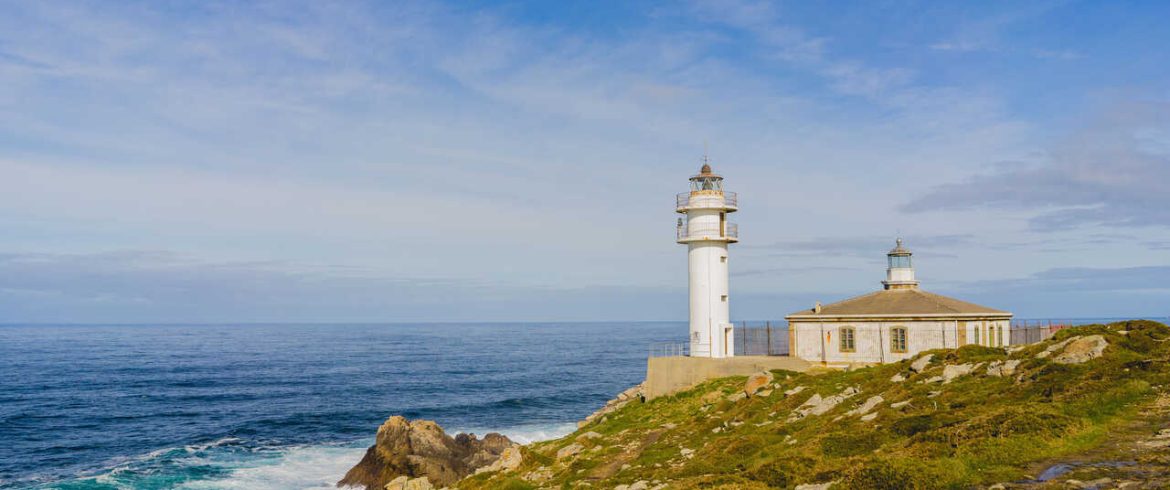
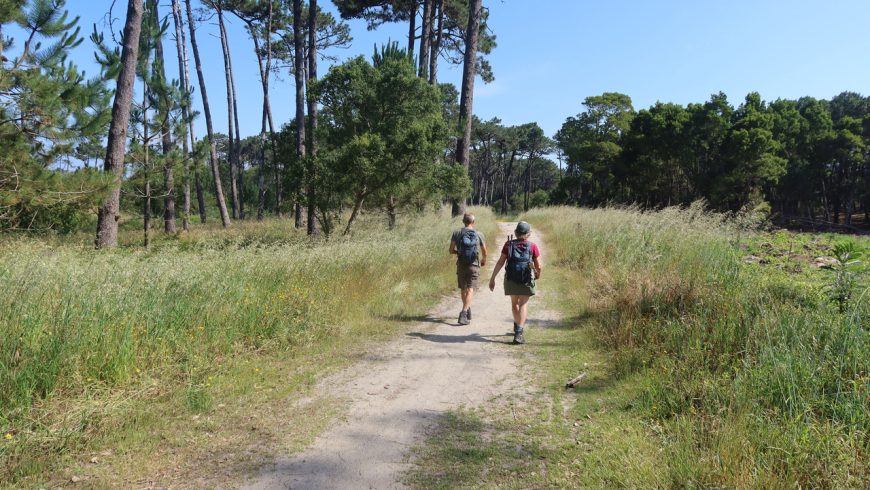
It’s worth considering routes that avoid the busiest path (unless you’re super social and aren’t worried about stressing resources). Galiwonders designs alternative routes like the Camino de A Orixe and the Lighthouse Way (Camiño dos Faros). Starting off in Portugal is always a good bet.
They take you through corners of Galicia that see far fewer walkers. You’ll have a bit more breathing space when stopping off, too.
How to walk more responsibly in 2027
The best way to walk more responsibly is to walk an alternative route and to follow the principles of leave no trace. Though, even then, putting a plastic bottle in recycling bins every day isn’t ideal anyway – you should just use a reusable bottle to properly minimise waste. Shop locally, come prepared but not so prepared that you don’t need anything from local establishments.
A Holy Year doesn’t have to mean a packed last week into Santiago. If you’re set on 2027, the kindest thing you can do for Galicia is pick a quieter route or a quieter month, and book early.