
When you think of Aruba, white sandy beaches, crystal-clear waters and beachfront resorts probably come to mind. But in recent years, Aruba has become much more than a dream beach destination. Today, it is considered one of the Caribbean’s most interesting examples of sustainable tourism.
Although it is one of the region’s best-known islands, Aruba has embarked on a journey to reduce the environmental impact of tourism while protecting its natural heritage without giving up its appeal as an international destination. After experiencing the effects of mass tourism and rapid coastal development during the 1970s, the island chose a different path, investing in a more responsible tourism model that has turned Aruba into a true laboratory for sustainable tourism in the Caribbean.
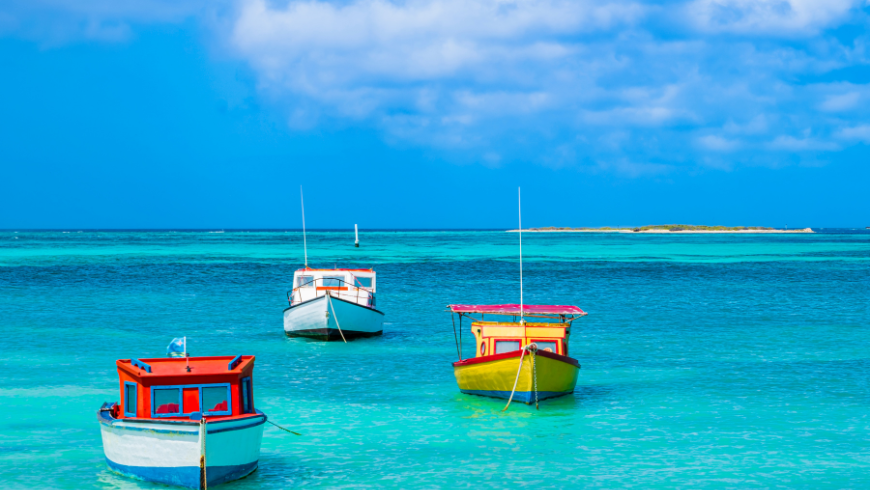
Protecting marine ecosystems, phasing out single-use plastics, investing in renewable energy and promoting local communities are just some of the initiatives that have driven this transformation. Alongside public policies, a growing number of businesses and accommodation providers are embracing the same vision, giving travellers the opportunity to enjoy a stay that respects both nature and local people.
So what makes Aruba such an interesting example? And which initiatives are reshaping the way people experience this Caribbean island?
Why is Aruba considered a sustainable destination?
Aruba has chosen to tackle some of tourism’s biggest environmental challenges through concrete actions. These include protecting coral reefs, banning certain sunscreens that harm marine ecosystems, reducing single-use plastics, investing in renewable energy and safeguarding around 20% of the island through Arikok National Park. These measures are complemented by projects supporting local agriculture and the cultural regeneration of San Nicolas.
Protecting the sea means protecting the future
The sea is Aruba’s greatest treasure. Its waters are home to coral reefs, seagrass meadows, tropical fish, sea turtles and an extraordinary biodiversity that attracts thousands of visitors every year.
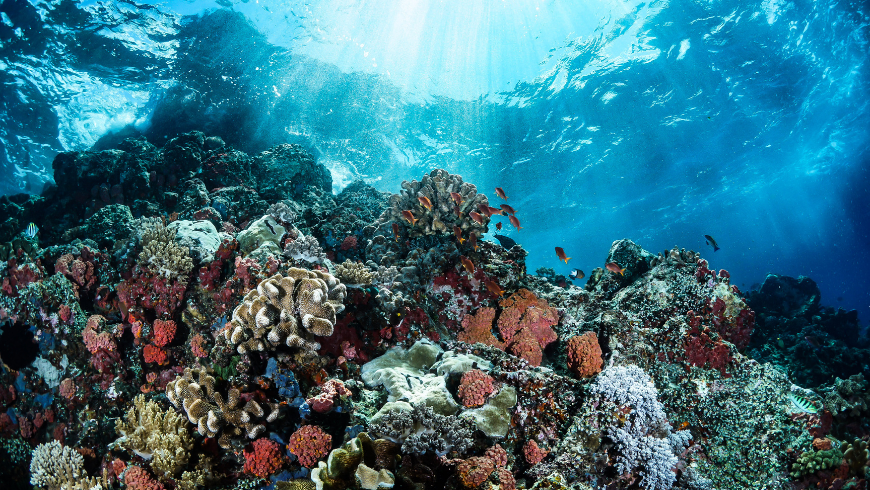
To preserve this natural heritage, the island promotes marine conservation programmes, beach clean-up initiatives and responsible snorkelling and diving activities. The government encourages visitors to play their part by following simple guidelines that help minimise their impact on these fragile ecosystems.
Why can’t you use certain sunscreens in Aruba?
One of Aruba’s most significant environmental measures is the ban on importing, selling and using sunscreens containing oxybenzone, a chemical linked by numerous studies to coral reef degradation. Once released into the sea, it can contribute to coral bleaching and interfere with the growth of young coral colonies.
Visitors must use mineral, reef-safe sunscreens that do not contain ingredients harmful to marine life. It’s a simple choice that can make a real difference in protecting one of the Caribbean’s most valuable ecosystems.
Less and less single-use plastic
Island communities face unique challenges when it comes to waste management. With limited space, plastic waste often ends up in the ocean, threatening fish, sea turtles and seabirds.
For this reason, Aruba has progressively restricted the use of single-use plastics, phasing out plastic bags, cutlery, plates, straws and other disposable items. These regulations are supported by awareness campaigns encouraging both residents and visitors to use reusable bottles and more sustainable alternatives.
Renewable energy: harnessing the power of the sun and wind
Thanks to its favourable climate, Aruba benefits from two abundant natural resources: sunshine and steady trade winds. In recent years, the island has invested heavily in solar and wind energy, gradually reducing its dependence on fossil fuels.
The goal is to build a cleaner and more resilient energy system capable of supporting Aruba’s development while lowering greenhouse gas emissions.
Arikok National Park: Aruba’s wild side
Travellers who want to discover a different side of Aruba should spend at least a day exploring Arikok National Park, which protects around 20% of the island.
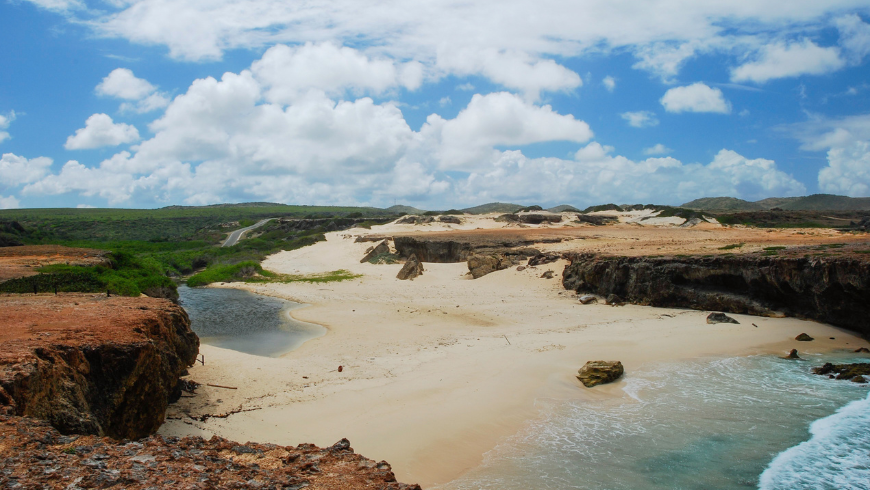
It is one of the clearest symbols of Aruba’s environmental commitment. Established in 2000 and managed by the Aruba National Park Foundation, the park safeguards some of the island’s most representative ecosystems. Its importance goes far beyond its stunning landscapes. Arikok plays a crucial role in conserving Aruba’s biodiversity, protecting endemic plants and animals while preserving natural resources in a country where tourism is the main economic activity. It proves that environmental conservation and tourism development can successfully go hand in hand.
Local agriculture: supporting a more sustainable tourism model
Agriculture is rarely associated with Aruba, yet the island has increasingly invested in supporting local food production to reduce its dependence on imports and strengthen the local economy.
Vegetable gardens, aloe vera plantations, small farms and local producers now supply restaurants and markets with fresh products, shortening supply chains and encouraging more sustainable consumption. Supporting these businesses helps preserve local traditions, create economic opportunities and ensure that tourism benefits residents as well as visitors.
San Nicolas: art as a driver of regeneration
For decades, San Nicolas was primarily known as Aruba’s industrial town, shaped by the island’s oil refinery. Today, it is experiencing a remarkable cultural revival.
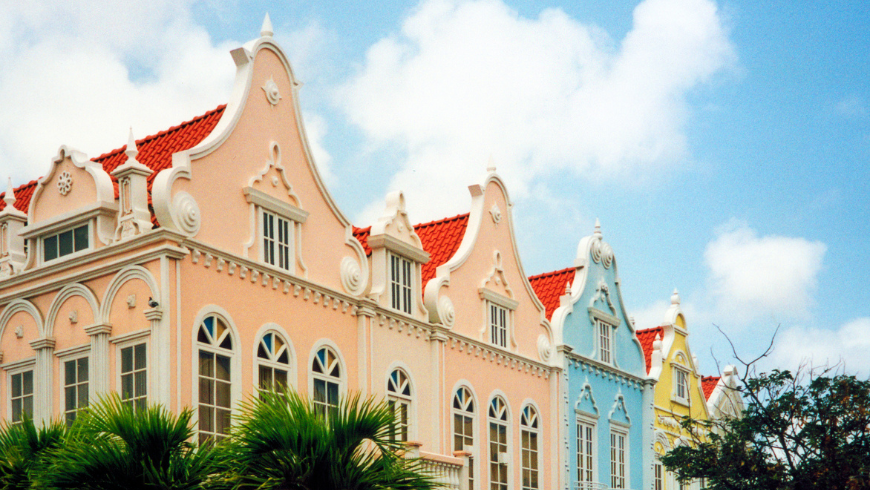
Thanks to the Aruba Art Fair and the many murals created by local and international artists, the town centre has become an open-air gallery. The artworks celebrate Aruba’s history, biodiversity, multicultural identity and close relationship with the sea, breathing new life into a neighbourhood that had gradually lost its central role.
San Nicolas shows that sustainability is not only about protecting nature but also about investing in culture and local communities.
Where to stay sustainably in Aruba
Choosing an environmentally responsible destination is only the first step. The next is selecting accommodation that shares the same values.
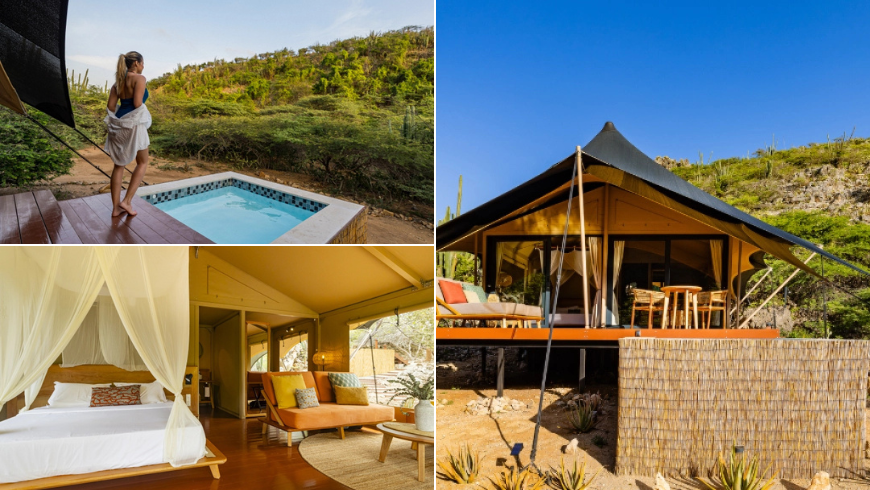
Located in Savaneta, in the southern part of the island, Natu Eco Escape Aruba offers a glamping experience surrounded by nature, designed for travellers seeking a slower pace and a lighter environmental footprint. Its carefully designed tents blend harmoniously into the landscape, offering an alternative to large tourist resorts and providing the perfect base for discovering Aruba from a different perspective.
Aruba proves that even a world-famous beach destination can invest in ecosystem conservation, environmental innovation and the enhancement of local communities. For travellers who want to experience the island with the same mindset, staying in accommodation that embraces these principles is one of the best ways to contribute to a more sustainable form of tourism.