
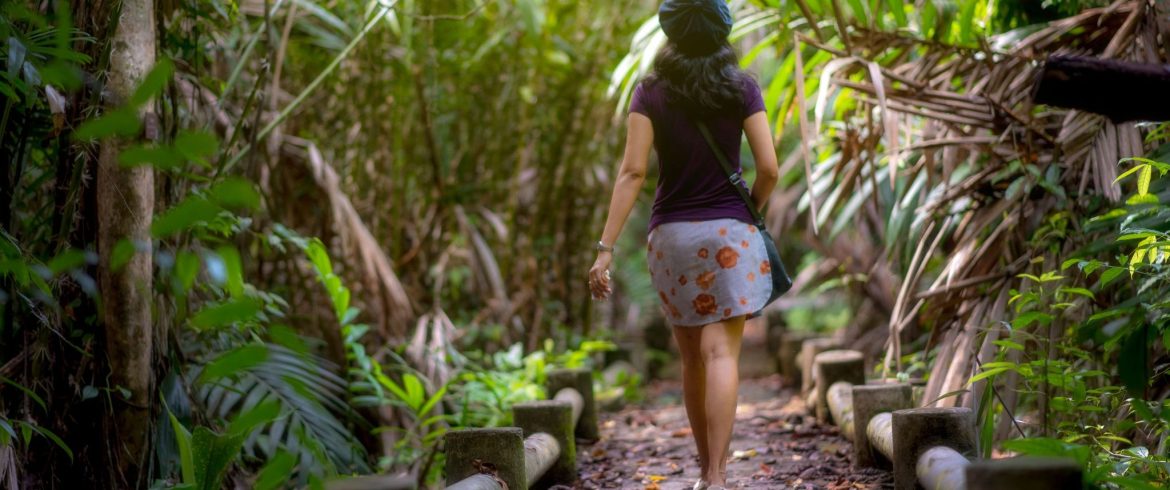
A few years ago, budget travel among students usually meant crowded hostels, cheap flights, and photos taken in front of famous landmarks. Something has shifted. Many students still want adventure, but increasingly, they also want purpose. Visiting a destination is no longer enough. There is growing interest in understanding local cultures, reducing environmental impact, and leaving places in better condition than they were found.
This change has not appeared overnight. Universities, environmental movements, and even social media have played a role. Young people are entering adulthood during a period marked by climate anxiety, biodiversity loss, and discussions about sustainability. It is hardly surprising that ecotourism for students has become more than a niche interest.
Students balancing coursework and travel plans often look for practical support in different areas of academic life. Some turn to Essay Pay when deadlines overlap with study abroad experiences or volunteer programs abroad. Managing both academic responsibilities and meaningful travel can be challenging, especially during intensive semesters.
A Generation Shaped by Environmental Awareness
Members of Generation Z grew up hearing about rising sea levels, plastic pollution, and global warming. Environmental concerns are not abstract concepts discussed only in classrooms. They are part of everyday conversations.
Organizations such as the United Nations Environment Programme (UNEP) and the World Tourism Organization (UNWTO) regularly publish reports highlighting the environmental impact of mass tourism. Many students are responding by choosing alternatives that align with their values.
Instead of booking all-inclusive resorts, students increasingly participate in activities such as:
- Wildlife conservation projects
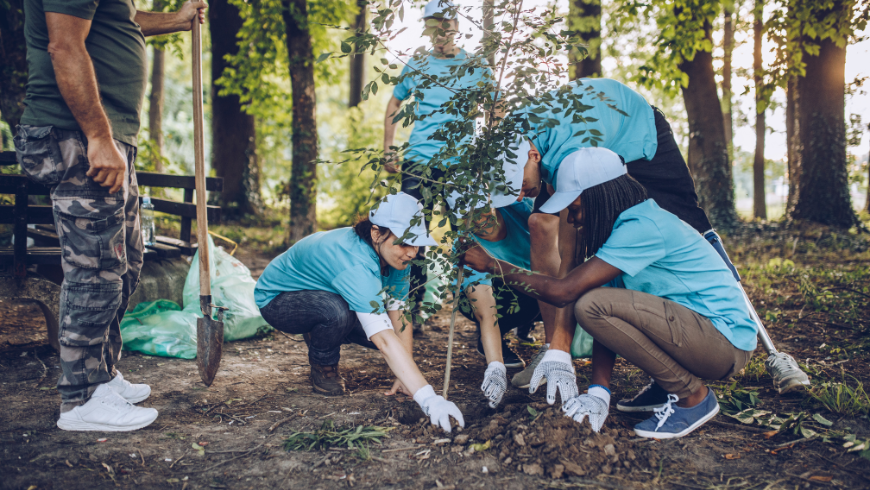
- Reforestation initiatives
- Community-based tourism programs
- Sustainable farming experiences
- Marine ecosystem restoration efforts
These activities allow travelers to contribute rather than simply consume.
Seeking Meaning Beyond Traditional Tourism
Students often describe conventional tourism as superficial. Visiting several attractions in two days may produce attractive photographs, yet many return home feeling detached from the places they visited.
Eco-friendly travel experiences tend to offer something different. Spending a week helping restore hiking trails in Costa Rica or assisting with sea turtle conservation in Greece creates stronger memories than rushing between landmarks.
Travel researchers from institutions such as Cornell University and the University of Surrey have noted that experiential travel contributes significantly to personal growth among young adults. Students frequently report increased independence, improved problem-solving skills, and greater cultural sensitivity after participating in sustainable travel programs.
Perhaps this explains one of the strongest current student travel trends: experiences now matter more than possessions.
Study Abroad Programs Are Evolving
Universities have noticed changing student preferences.
Traditional study abroad programs remain popular, yet many institutions now incorporate sustainability components into international education. Universities such as Stanford University, Arizona State University, and the University of British Columbia offer programs focused on environmental conservation, sustainable development, and global citizenship.
These initiatives combine academic learning with field experience.
Examples include:
| Program Activity | Potential Student Benefit |
| Wildlife monitoring | Research experience |
| Community development projects | Cross-cultural communication skills |
| Sustainable agriculture work | Practical environmental knowledge |
| Conservation internships | Career preparation |
Students often discover that these experiences influence future career choices. Some pursue environmental policy, sustainable business, or international development after graduation.
Affordability Also Matters
There is a common assumption that sustainable travel is expensive. Reality is more complicated.
Many forms of sustainable travel for students are surprisingly affordable. Volunteer exchanges, university partnerships, and nonprofit programs frequently provide accommodation and meals in exchange for participation in community projects.
Platforms such as WWOOF (World Wide Opportunities on Organic Farms) and Workaway have expanded access to international experiences for students with limited budgets.
A month spent volunteering on an organic farm in Portugal may cost significantly less than a traditional vacation in a major European city.
Financial limitations remain important. Students are practical. If meaningful travel can also reduce costs, interest naturally grows.
Social Media Has Changed Travel Expectations
Social media deserves some blame and some credit.
On one hand, platforms such as Instagram and TikTok have contributed to overtourism in destinations including Venice, Bali, and Santorini. Certain locations have struggled under the pressure of constant visitor demand.
On the other hand, social media has exposed students to stories about ethical tourism, indigenous communities, and environmental activism.
A student watching videos from volunteers restoring coral reefs in Indonesia may begin questioning whether conventional tourism aligns with personal values.
Travel content itself is changing. Increasingly, authenticity attracts more attention than luxury.

The Benefits of Ecotourism Extend Beyond Travel
The benefits of ecotourism are often discussed in environmental terms, yet the personal outcomes deserve equal attention.
Students participating in sustainable tourism programs frequently develop:
- Greater adaptability
- Increased resilience
- Improved intercultural competence
- Stronger communication skills
- Broader global awareness
Employers increasingly value these attributes.
According to reports published by the World Economic Forum, adaptability, collaboration, and problem-solving rank among the most important workplace skills of the future. Ecotourism experiences naturally encourage all three.
Unexpected situations occur regularly during community-based travel. Transportation changes. Weather disrupts plans. Language barriers emerge. Students learn to respond rather than panic.
Those lessons rarely appear in textbooks.

Is Ecotourism Perfect?
Not entirely.
Some programs market themselves as sustainable while offering limited benefits to local communities. Others unintentionally create dependency or prioritize volunteer experiences over local needs.
Responsible participation requires research. Students should examine whether organizations:
- Collaborate with local communities
- Provide transparent financial reporting
- Demonstrate measurable environmental impact
- Prioritize long-term sustainability
Critical thinking remains essential. Good intentions alone are not enough.
A Different Kind of Journey
Ecotourism appears to resonate with students because it reflects broader changes in how young people understand travel, education, and responsibility.
Travel is becoming less about escape and more about connection.
Many students no longer ask, “Where should the next trip be?” Instead, a different question emerges: “What contribution can be made while being there?“
That subtle shift may explain why ecotourism continues gaining momentum. It offers adventure, certainly. Yet it also offers something harder to define. A sense that travel, when approached thoughtfully, can transform not only the traveler but also the places encountered along the way.
Cover image: photo via Canva PRO