

The sounds of nature enhance our wellbeing: learning to truly listen to them can transform our days.
I started noticing this after reading this sentence: “All the sounds of the Earth are like music” by Oscar Hammerstein II (American writer).
Have you ever stopped to really listen to what surrounds you?
Let’s discover together why the sounds of nature are so beneficial for our body and mind.
Sounds of Nature and Wellbeing: Why They Make Us Feel Good

Try starting the day differently: as soon as you wake up, stop for a moment and listen. The birds singing, the wind through the leaves, the delicate sounds of the morning.
The natural soundscape is a powerful tool for reducing stress and restoring balance.
In spring these sounds reach their peak intensity, but in every season they can help us slow down and reconnect with ourselves.
Benefits of Nature Sounds: What Science Says
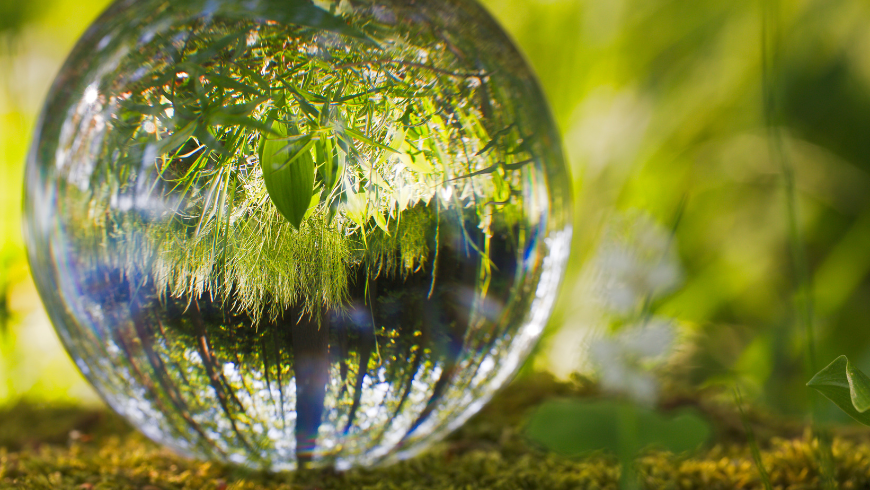
In recent years, numerous studies have shown how contact with natural sounds is essential for psychophysical wellbeing.
The University of Tübingen Study
A study from the University of Tübingen in Germany involved 233 people during a walk in a botanical garden.
The result? Less stress, better mood, and a widespread sense of wellbeing.
It was not only the sight of nature that made the difference, but the multisensory experience, in which sounds play a central role.
What Is a Multisensory Experience?
It is the involvement of all the senses, where natural sounds help create an environment perceived as safe and relaxing.
Birdsong or the sound of footsteps on gravel communicate calm to the brain, helping us let go of tension and thoughts.
Natural Sounds and Music Therapy

The sounds of nature are increasingly used in music therapy to reduce anxiety, stress, and improve sleep.
Unlike traditional music, natural sounds are irregular, variable, and authentic. And it is precisely this spontaneity that encourages a state of deep calm.
Nature and Music: A Deep Connection

Western classical music has often been inspired by nature: composers such as Chopin, Mozart, and Vivaldi are examples.
Their works tell the story of the deep connection between humans and the environment, transforming natural sounds into art.
The Insights of Pierre Schaeffer
The composer Pierre Schaeffer, father of musique concrète, believed that the world speaks to us through sounds.
His studies revolutionized the way we understand music, inviting us to listen to reality more carefully.
Pink Noise: Why It Relaxes the Mind

Sounds such as rain and wind are defined as “pink noise”, a frequency that the brain perceives as balanced and reassuring.
This natural harmony communicates safety to our primal instinct, allowing the nervous system to relax deeply.
Listening to Nature to Reduce Stress: What Happens to the Body
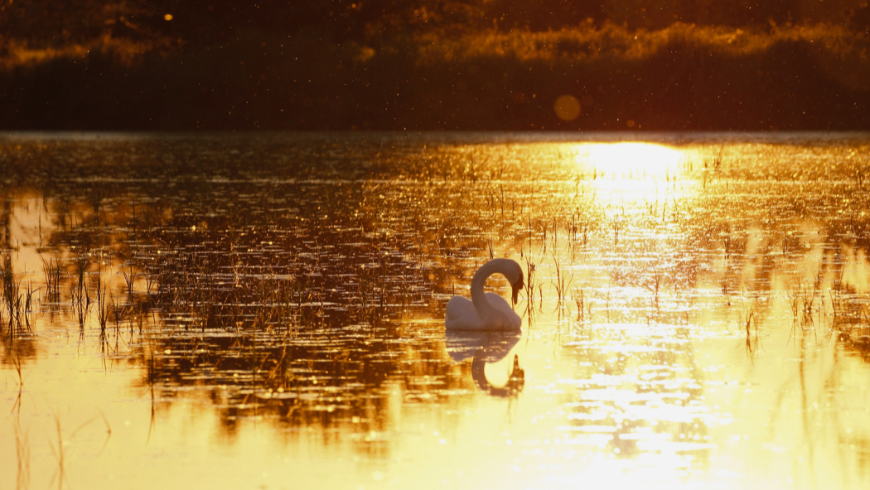
When we listen to the sounds of nature, the parasympathetic nervous system is activated, which is responsible for rest and recovery.
The body slows down: the heart rate decreases, breathing becomes deeper, and the mind calms.
A Small Daily Ritual
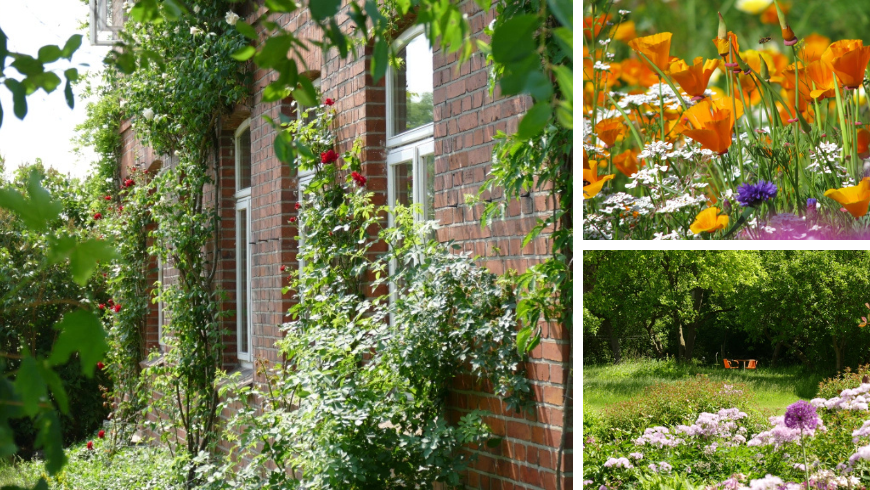
Even just ten minutes a day are enough to rediscover calm and wellbeing through the sounds of nature.
Try this simple exercise: listen to your footsteps, the wind through the leaves, the birds singing.
Little by little, you will learn to turn off the noise of the world and rediscover the silence within yourself.
“In every walk with nature, one receives far more than he seeks.” – John Muir.
And you? What is the sound of nature that truly makes you feel at peace?
Mine is the rain on leaves.


