
Traveling the world is one of life’s greatest joys. It allows you to experience new cultures, taste incredible food, and see landscapes that are completely different from your everyday surroundings. However, as tourism continues to grow, so does its impact on the planet. From increased carbon emissions to environmental pressure on popular destinations, travel can sometimes leave a larger footprint than we realize. The good news is that we can all make a difference, and by making some changes to our routine, we can travel and cut down on the impact we have on the planet at the same time. By opting to make more mindful decisions before and during your trip, it’s possible to explore the world while helping to protect it. Below is our brief guide on how to make your travels more sustainable.
How to make your travels sustainable?

There are many small steps travelers can take to reduce their environmental footprint without sacrificing the enjoyment of their trip. One of the easiest ways to start is by being more mindful about the products and technology you use while traveling.
Smartphones, for example, are an essential travel companion. We use them for maps, translation, travel bookings, photography, and staying connected with friends and family. However, the constant demand for brand-new devices contributes to resource extraction and electronic waste. Choosing a refurbished iPhone can help reduce that impact by extending the lifespan of existing devices.
It’s also worth thinking about how you pack and plan your trip. Bringing reusable items such as water bottles, shopping bags, and refillable toiletries can significantly reduce the amount of single-use plastic you generate while on the road.
How does this impact the natural world?

Tourism can put significant pressure on the natural world if it isn’t managed carefully. Popular destinations often see large numbers of visitors during peak seasons, which can lead to overcrowding, increased waste, and strain on local infrastructure. Beaches, forests, and national parks can suffer from pollution, erosion, and damage to wildlife habitats when visitor numbers grow rapidly.
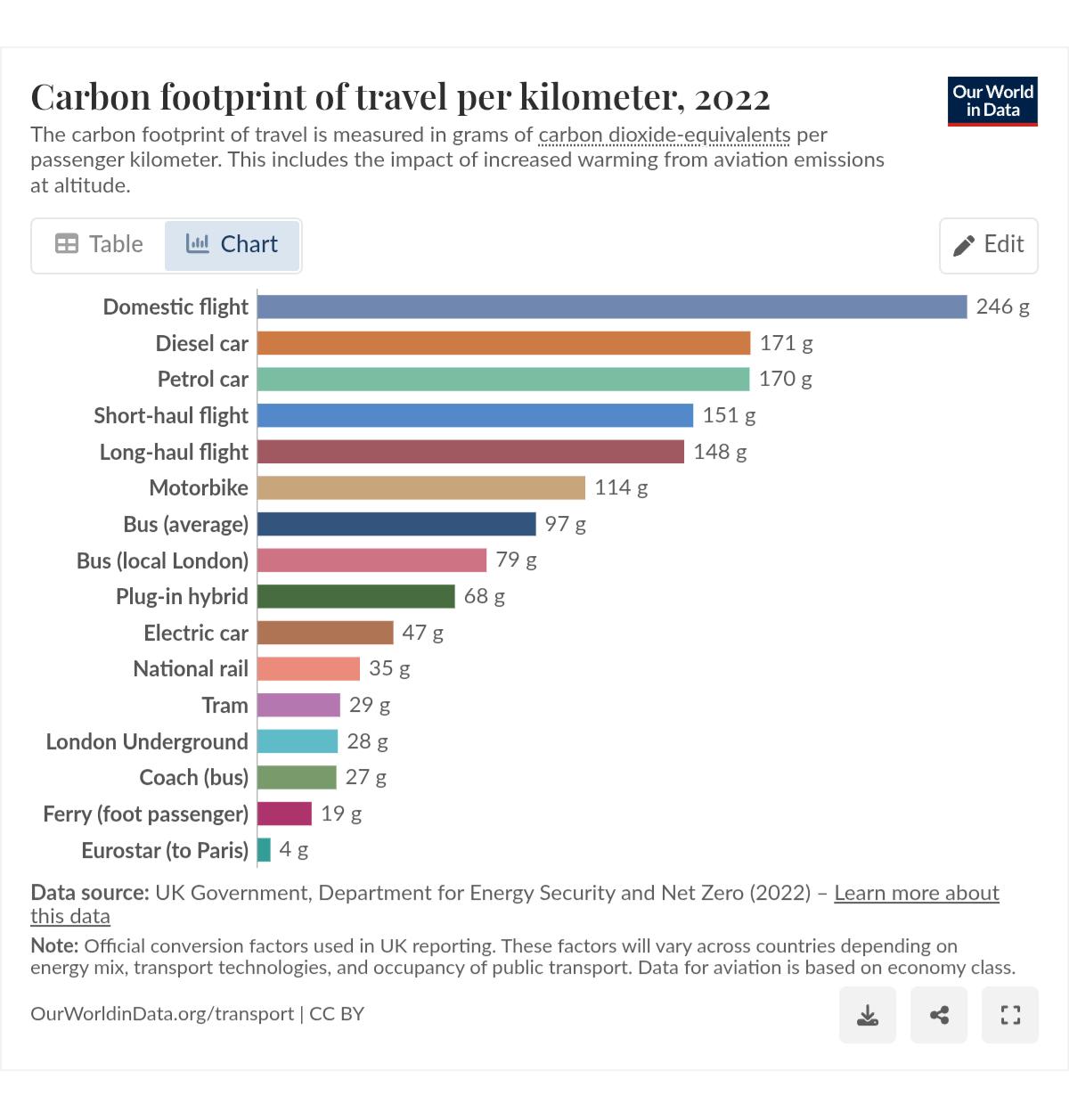
Transportation also plays a major role. Flights, cruise ships, and car travel all contribute to carbon emissions that affect the global climate. As more people travel internationally each year, the cumulative environmental impact becomes greater.
What can you do about it?

Fortunately, sustainable travel doesn’t require giving up the experiences you love. Instead, it’s about making thoughtful choices that reduce your environmental footprint.
One of the most effective steps is reconsidering how you travel. Where possible, choose trains, buses, electric vehicles, or shared transport rather than short-haul flights. These alternatives often produce fewer emissions and can also provide a more scenic way to travel.
Another important step is supporting local communities. Eating at locally owned restaurants, buying from independent shops, and booking tours with local guides ensures that tourism revenue benefits the people who live in the destination you’re visiting.
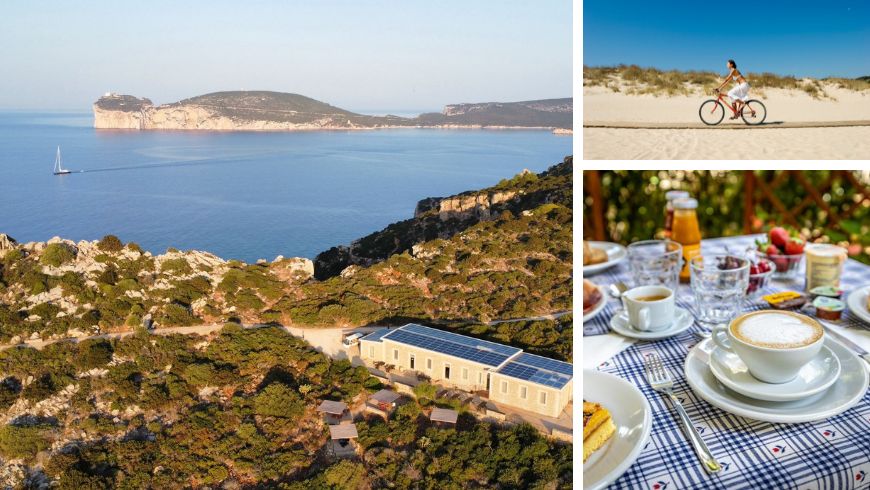
Where you stay matters. Choosing eco-friendly accommodations, such as eco-lodges, agriturismi, or sustainable B&Bs, helps reduce your environmental impact while supporting responsible tourism. Places that use renewable energy, reduce waste, and promote local culture offer a more authentic and enriching travel experience.
Finally, consider the technology you bring with you. Instead of upgrading to the newest device every time you travel, refurbished electronics provide a more sustainable option.
How are you planning on making your travels more sustainable? What do you think makes the biggest difference?
Cover image: photo by Haleyve via Pexels