
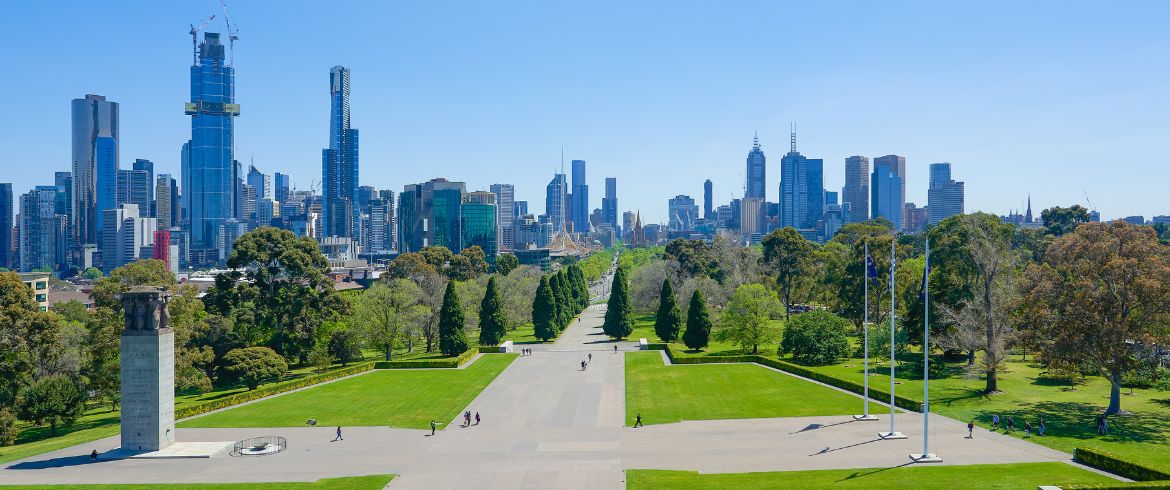
Melbourne is often known for its amazing coffee, events like Australian Open and Formula 1, and rich culture. But there is another side to the city full of surprises: urban parks, community markets, wildlife experiences and easy car-free transport.
If you love nature, local food and slow travel, Melbourne is a beautiful place to explore. You can move around easily without a car, enjoy large parks and find eco experiences just outside the city.
If you are planning a trip to Australia, let’s explore how to experience Melbourne for green travelers in a responsible and inspiring way.
Green Spaces Inside Melbourne
Melbourne is one of Australia’s greenest cities. Parks and gardens are part of daily life. They give space for birds, trees and community life.
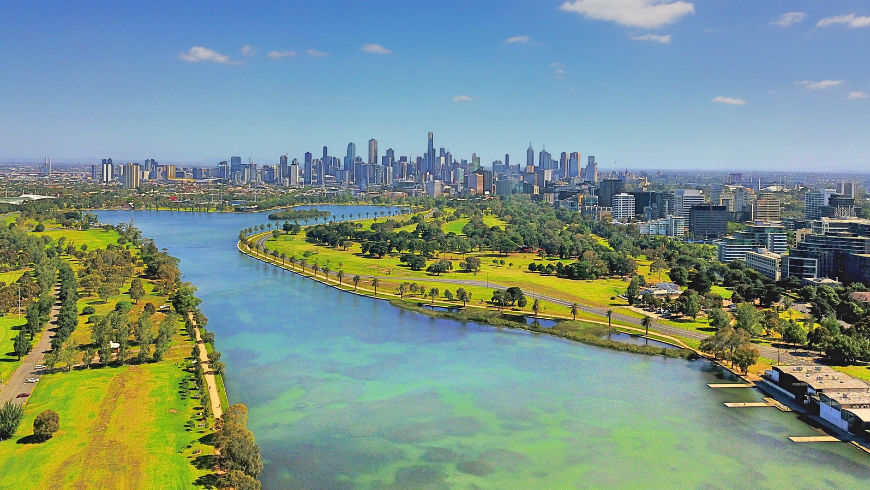
Albert Park
Albert Park is just minutes from the city center. It has a large lake, walking paths, and wide open green areas. Locals come here to jog, picnic or relax by the water. It is a perfect place to slow down and enjoy nature without leaving the city.
Royal Botanic Gardens
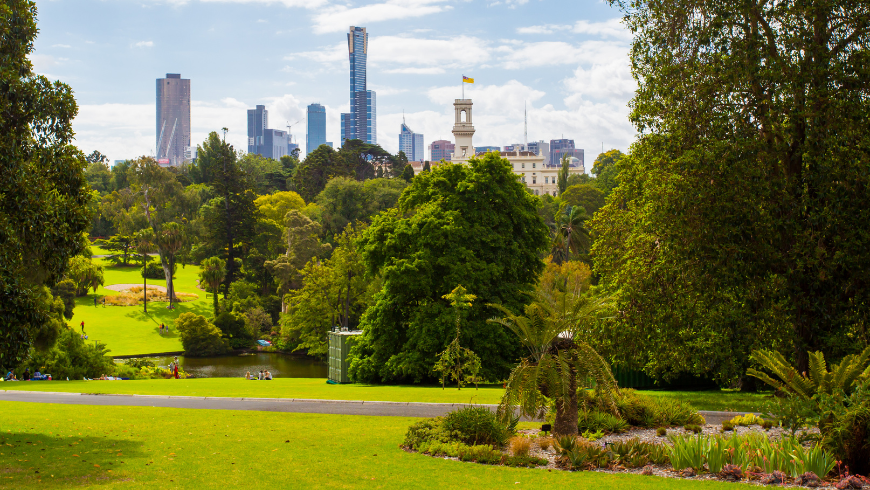
Royal Botanic Gardens Victoria is one of the most beautiful green areas in the city. You can walk among native and exotic plants, learn about biodiversity, and join guided walks about Aboriginal culture and local ecosystems. It shows how cities can protect biodiversity and green spaces.
Yarra Bend Park
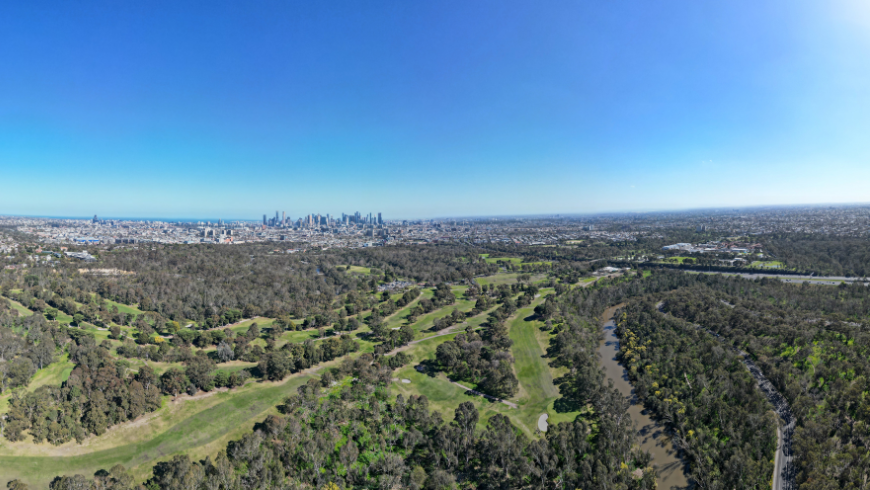
Yarra Bend Park is the largest area of natural bushland close to central Melbourne, stretching along a dramatic bend of the Yarra River through Kew and Fairfield. Despite being only a few kilometres from the CBD, it feels surprisingly wild, with dense native forest, river escarpments, and extensive walking trails.
The park is known for its biodiversity, including native birdlife and one of Melbourne’s significant flying fox colonies. It combines conservation areas, scenic lookouts, picnic spots, and long riverside paths, making it ideal for both relaxed walks and longer hikes.
Studley Park
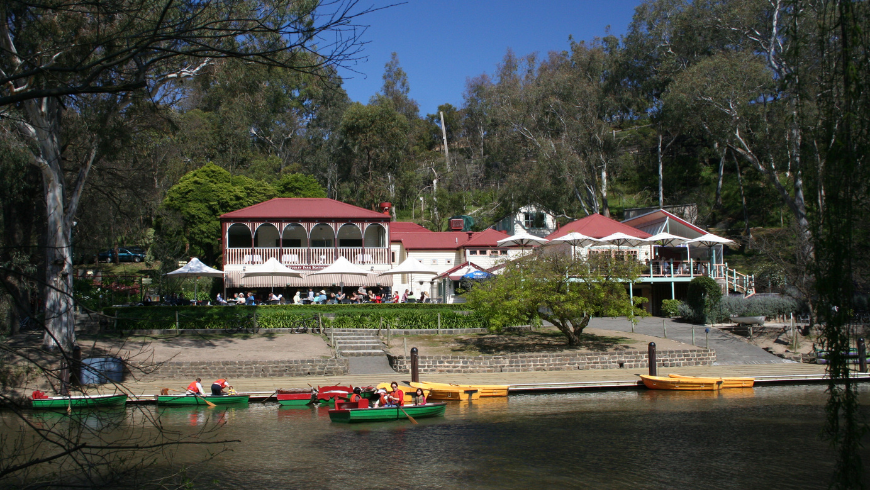
Studley Park is a well-known riverside section within Yarra Bend Park, located in Kew. Compared to the more rugged parts of the reserve, this area is slightly more manicured and easily accessible. It’s popular for gentle riverside walks, picnics, and relaxed afternoons by the water. The area is also home to the historic Studley Park Boathouse, a landmark café and rowing hub that adds to the charm of this peaceful pocket of nature.
Fitzroy Gardens
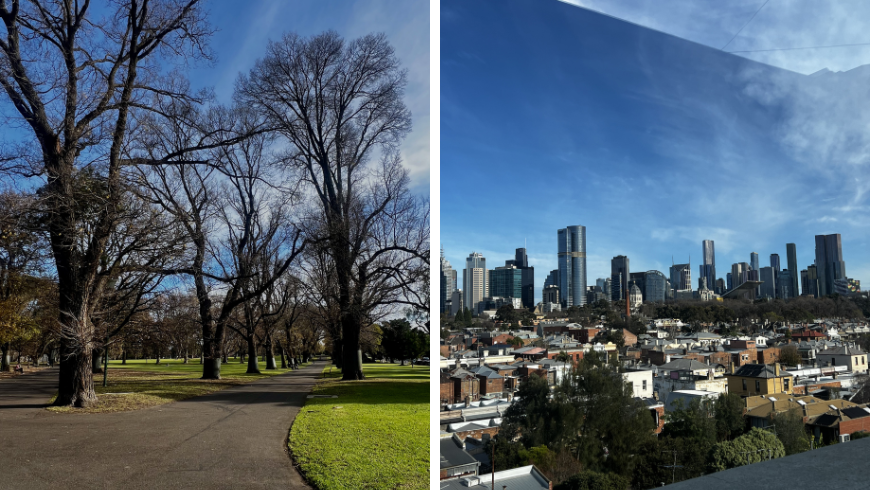
Fitzroy Gardens is close to the city center and perfect for slow walks. The gardens protect historic trees and open green lawns where locals relax and picnic. It shows how urban heritage and nature can coexist in a growing city.
Besides its garden and parks, Fitzroy is a very vibrant and alternative neighborhood in Melbourne. Known for its creative energy, it mixes historic Victorian terrace houses with bold street art, independent boutiques, record stores, and some of the city’s best cafés and bars. Brunswick Street is the cultural spine of the area, giving Fitzroy its distinctive bohemian, artistic atmosphere.
Sustainable Markets & Local Food
Melbourne’s markets are more than shopping places. They are community spaces that support local farmers and small producers.
Prahran Market
Prahran Market focuses on fresh, local food. Many stalls sell organic produce, seasonal vegetables and handmade products. Buying here supports local agriculture and reduces food miles.
Queen Victoria Market
Queen Victoria Market is one of the largest open-air markets in the Southern Hemisphere. Look for local growers, bulk food options and sustainable products. Bring your own bag and choose plastic-free options. Markets like these help keep money in the community and encourage short supply chains.
South Melbourne Market
South Melbourne Market supports local producers and small businesses. Many vendors focus on seasonal ingredients and ethical sourcing. It is smaller than Queen Victoria Market, but more community-oriented.
Car-Free Travel: why Melbourne is great for zero-carbon trips
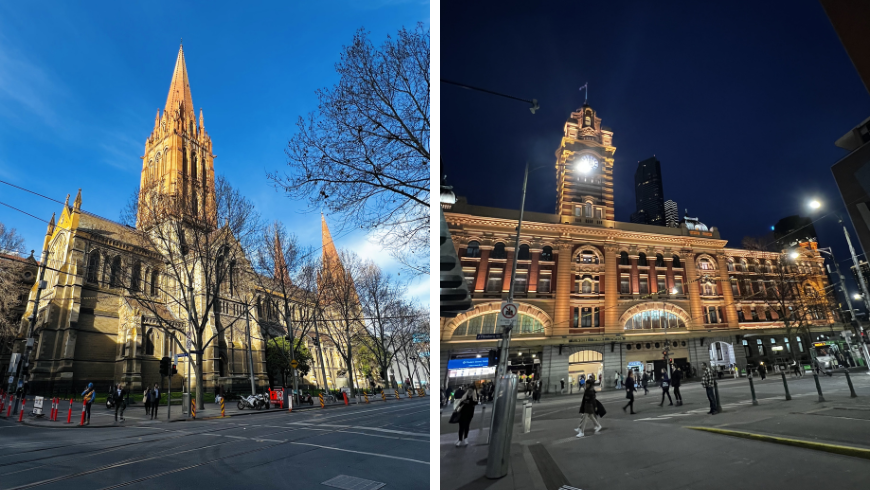
Melbourne makes it easy to visit without a car. The tram network covers central neighborhoods and many trams in the city centre stop within the Free Tram Zone. Trains connect suburbs and regional towns. The city is also building safer bike lanes and better walking routes. These choices make low-carbon travel simple for visitors.
Victoria is also pushing cleaner public transport. The state has committed to buying zero-emission buses for new public bus purchases and is working on a broader transport emissions plan. This shows Melbourne is moving toward lower transport emissions for residents and visitors,
You can:
- Walk between neighborhoods
- Use public trams and trains
- Rent a bicycle
- Try electric scooters where available
Choosing public transport lowers your footprint and helps you see the city like a local.
Melbourne’s tram system, train network and growing electric bus fleet show how cities can move toward low-carbon and zero-emission mobility. Besides that, it is a very walkable city.
Nature Escapes Around Melbourne
Sustainable travel does not stop at the city limits. Around Melbourne, you will find powerful examples of eco-conscious tourism.
Philip Island
Phillip Island is famous for its penguins and coastal landscapes. The island focuses on wildlife protection and sustainable tourism. Visiting responsibly helps fund conservation programs.
Wilsons Promontory
Wilsons Promontory National Park is one of Victoria’s most stunning coastal landscapes. White beaches, granite mountains and rich wildlife make it a dream for nature lovers.
But what makes it especially inspiring for Melbourne for green travelers is how the park manages visitor numbers to protect fragile ecosystems. Limiting access during peak times helps reduce environmental pressure and preserve biodiversity for future generations.
Mornington Peninsula
Mornington Peninsula offers beaches, coastal trails and local vineyards. Many small producers focus on sustainable farming and slow food experiences.
It is a great place for a weekend of nature and local flavors.
Dandenong Ranges & Olinda
Dandenong Ranges and the village of Olinda are perfect for forest walks and cool mountain air. You can explore national parks, stay in eco-friendly cottages, and support small local businesses.
These areas show how regional Victoria protects forests and supports community tourism.
Great Ocean Road
Great Ocean Road is one of Australia’s most famous coastal routes. While many visitors rush through it, green travelers can explore it slowly, stay in eco-accommodations, and support small coastal towns.
Why Melbourne Is a Strong Example of Urban Sustainability
Melbourne invests in:
- Public green spaces
- Sustainable public transport
- Local food networks
- Wildlife conservation
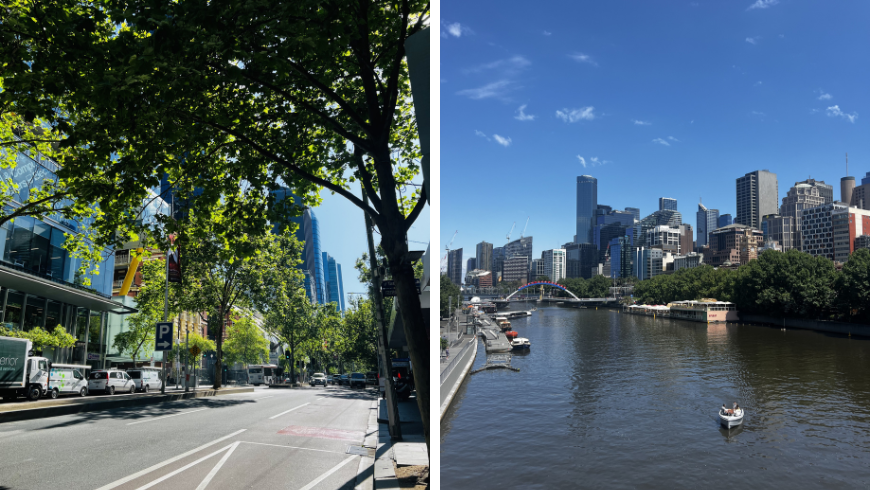
Melbourne invests in public green space, walking and cycling, local food networks, conservation, and activities around the river. For travelers, that means you can make choices that match your values. Melbourne for green travelers is not just a phrase. It is a real, accessible way to visit shaped by community and nature.
Extra tips for sustainable travel in Melbourne
- Pack light. Less luggage = lower emissions.
- Buy local food. Markets and small producers keep travel benefits in the community.
- Bring a reusable bottle and bag. Many cafes and markets will refill or offer bulk.
- Choose eco stays. Small eco lodges and homestays help local economies.
- Offset wisely. If you fly, choose reputable offset programs and consider longer stays to make flights worth the trip.
- Eco-friendly travel — minimize carbon
- Tips for reducing carbon footprint → here
For more practical tips on low-impact travel, add these Ecobnb guides in your post: Slow Travel & Sustainable Itineraries, Minimise Carbon Footprint, and Eco-Friendly Transport Choices.
Conclusion
Travel can protect the places we love. Explore parks, support markets and choose low-impact transport. Discover how Melbourne for green travelers can turn a simple city trip into a meaningful journey.
Australia offers many places to reconnect with nature — here are some of the best destinations to escape into nature: here!