
Vietnam is often approached as a checklist of iconic places. Travelers move quickly between cities, attractions and photogenic spots, trying to experience as much as possible in a limited time. In this rush, destinations become reduced to their highlights while travelers return home exhausted and disconnected from the places they visited. Slow travel in Vietnam offers a different philosophy: depth over speed, connection over consumption, presence over performance.
Instead of rushing from north to south in ten days, slow travel invites you to stay longer, move thoughtfully, and connect with daily life instead of curated highlights. This way of traveling naturally supports responsible travel in Vietnam, strengthens sustainable tourism, and helps you create a truly eco-friendly itinerary.
This guide explores how to travel slowly and consciously, where to focus your time, how to reduce your footprint, and what to expect from a more meaningful journey.
What Is Slow Travel in Vietnam and Why It Matters

Slow travel in Vietnam means choosing depth over speed. Instead of crossing the entire country in one trip, you focus on a few regions and experience them fully.
At its core, slow travel is a sustainability-driven mindset. It reduces transport emissions, supports local economies, and minimizes the extractive patterns of fast tourism.
Every journey leaves an impact. The question is whether your footprint will be light, respectful, and positive for the places you visit. At its heart, slow travel is about:
- staying several nights in each place
- using trains and local transport
- choosing green accommodations
- supporting local businesses
- leaving space for unplanned moments
When you slow down, small details begin to matter. Conversations feel richer. Landscapes feel closer. The journey becomes as important as the destination.
Traveling slowly also helps you minimize your carbon footprint, especially when you choose trains, stay longer, and support local communities.
According to global transport data, trains can produce up to 70–80% fewer emissions than short-haul flights, making rail travel one of the most impactful slow travel choices in Vietnam.
Why Vietnam Is Ideal for Sustainable Travel
Vietnam’s geography, culture and infrastructure naturally support a slower style of exploration. From misty mountains and rice terraces to rivers, temples, and national parks, the country invites you to move at a gentle pace and connect with nature and daily life.
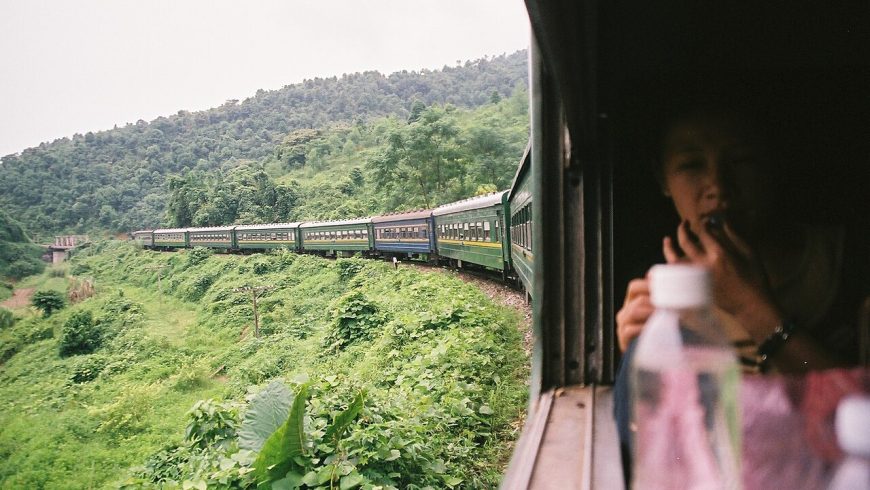
A railway that connects the country
The historic north-to-south railway (often called the Reunification Express) stretches over 1,700 km, linking major regions without requiring domestic flights.
Overnight trains reduce the need for flights and turn travel days into scenic experiences through rice fields, villages, and coastal landscapes.
Compact and walkable regions
Places like Ninh Binh and Hoi An are culturally rich and easy to explore on foot or by bicycle. You can spend days wandering through old streets, quiet temples, riverside paths, and countryside roads without constant relocation.
A deep food culture
Every region has its own specialties shaped by local landscapes and seasons. Staying longer allows you to understand food as part of a living ecosystem rather than a checklist of dishes.
Nature, spirituality, and open spaces
Vietnam is filled with national parks, limestone valleys, rivers, pagodas, and ancient temples. These spaces naturally slow you down, offering moments of silence, reflection, and connection with the natural world.
Growing eco-consciousness stays
From rural homestays to coastal eco-lodges, Vietnam is seeing more community-based stays that respect nature, support local families, and protect cultural heritage.
The Environmental Impact of Fast Travel in Vietnam
Vietnam receives millions of international visitors each year, and tourism represents a significant share of the national economy. However, rapid tourism growth has also increased pressure on fragile ecosystems.
Examples include:
- Plastic waste accumulation in coastal areas
- Overcrowding in UNESCO heritage towns
- Noise and pollution from mass motorbike tourism routes
Slow travel reduces these pressures by minimizing flights, reducing relocation frequency, and distributing tourism income more evenly across regions.
How to Plan a Slow Travel Itinerary in Vietnam
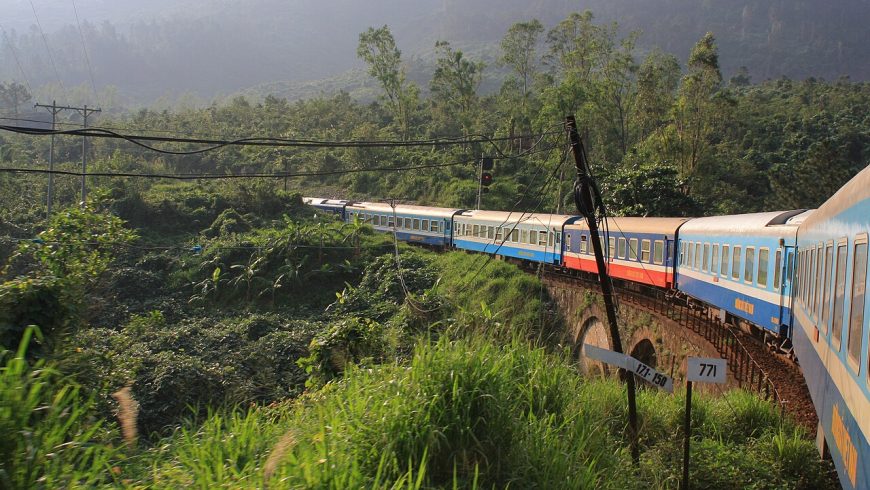
Travel Slowly, Not Constantly
Instead of five destinations in ten days, choose two or three regions over two or three weeks. This reduces emissions and allows a real connection. Longer stays reduce emissions and deepen cultural connection.
Choose Trains Over Flights
The historic Reunification Express connects north to south. Rail travel not only lowers your carbon footprint but also transforms transit into a scenic experience.
Stay With Purpose
Look for places that:
Look for accommodations that:
- reduce plastic use
- hire locally
- source food nearby
- communicate sustainability practices transparently
Move Locally
Walking, cycling and public buses lower your impact and bring you closer to everyday life.
Consider Ethical Volunteering
In rural areas and small villages, some travelers choose to support community projects through responsible volunteering. When done ethically, this can create meaningful cultural exchange and long-term benefits for local people.
Home Exchange
Home exchange is one of the most sustainable ways to stay, reducing resource use while creating real connections with local people.
Slow Travel Destinations in Vietnam
Hanoi – Urban Slow Travel at Street Level

Recommended stay: 4–5 nights
In Hanoi, slow travel begins on foot.
Spend time in different neighborhoods, sit in small cafés, visit early morning markets, and explore museums at your own pace. Staying longer reveals the rhythm of the capital beyond the Old Quarter.
Staying longer reveals the rhythm of the capital beyond its tourist core.
Sa Pa – Mountains and Minority Communities

Recommended stay: 3–4 nights
Here, slow travel is shaped by trekking and village life. Multi-day hikes, homestays in minority communities, and learning about terraced rice farming create meaningful connections while supporting community tourism.
For travelers who want to explore deeper into the mountains and biodiversity around Sa Pa, Hoang Lien National Park is a powerful extension of this experience.
Ninh Binh: Limestone Landscapes and Rural Rhythms
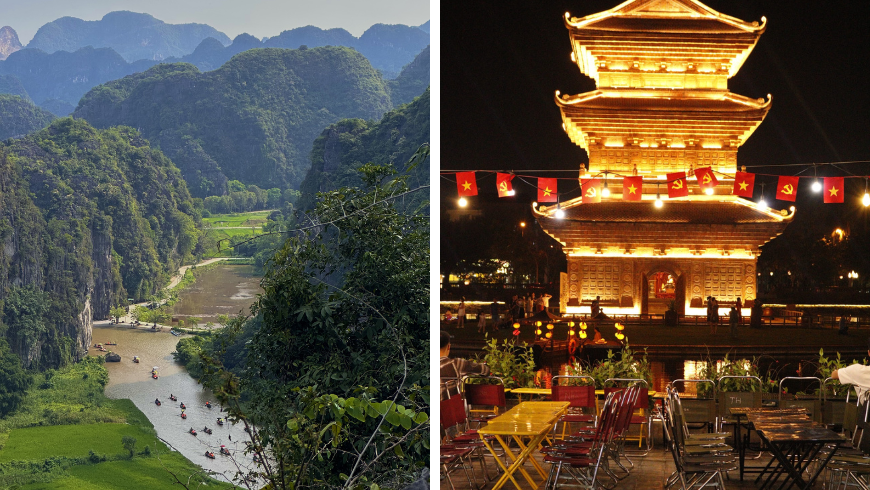
Recommended stay: 3–4 nights
In Ninh Binh, days unfold gently through:
- boat rides in Trang An
- cycling between villages
- conversations with hosts
- temples outside peak hours
Three to four nights allow you to experience life beyond tour schedules. Ninh Binh shows how tourism can protect nature and culture when local communities are involved in every step.
Ha Giang: Remote Landscapes at a Human Pace
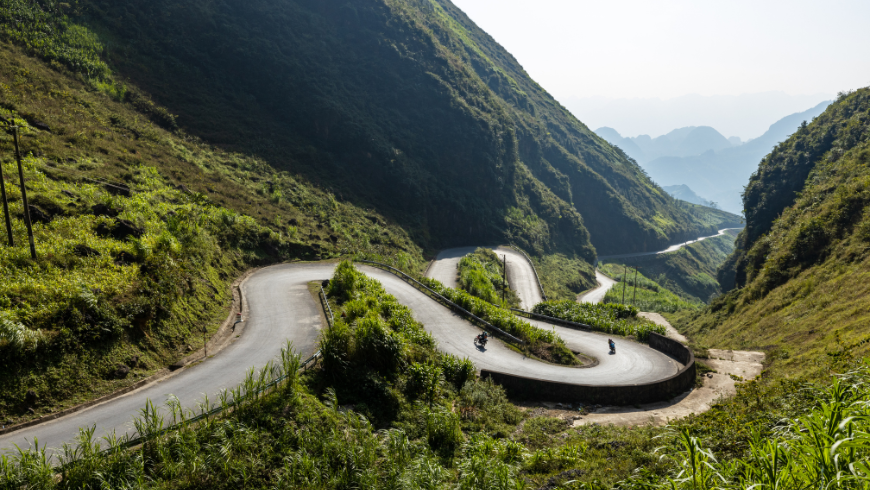
Recommended stay: 3–4 days
The dramatic Ha Giang Loop is growing in popularity. A slow approach means choosing responsible tours, avoiding mass convoys, staying in village guesthouses, and respecting local traditions. Three to four days is ideal.
To explore this route in a responsible way and understand its impact on local communities, you can read our complete guide to the Ha Giang Loop motorbike journey.
Hoi An: Craft, Coast and Countryside

Recommended stay: 4–5 days
In Hoi An, slow moments include markets, farming villages, cooking classes, waterfalls, and relaxed beach mornings. Four to five days balance culture, countryside and coast.
Hoi An is a great example of how a city can move toward cleaner mobility, with bicycles, walking routes and low impact transport systems shaping daily life.
A Three-Week Slow Travel Vietnam Itinerary
- Days 1–4: Hanoi
- Days 5–7: Sa Pa
- Days 8–11: Ha Giang
- Days 12–15: Ninh Binh
- Days 16–21: Da Nang & Hoi An
This route reduces flights and creates space for real connections across landscapes and cultures.
Responsible Tourism in Vietnam: Simple Guidelines

Responsible tourism is about care, for people, culture and nature.
- Dress modestly in temples.
- Ask before photographing people.
- Carry a reusable bottle.
- Support small local businesses.
- Avoid wildlife attractions based on captivity.
Sustainability is environmental, social, and cultural. Slow travel strengthens all three dimensions.
If you want more practical ideas for traveling with care and reducing your footprint, this guide to sustainable travel in Vietnam offers simple, realistic tips.
Local Etiquette to Know
Vietnamese culture values respect and harmony. Greet elders first, avoid public anger, use both hands when giving something, dress conservatively in sacred places, and keep voices low in rural areas. Even a few words in Vietnamese are deeply appreciated.
Building respectful relationships with local people is one of the most meaningful parts of slow travel, and it begins with curiosity, listening, and care.

FAQ – Slow Travel in Vietnam
Yes. Its rail system, regional diversity, affordability, and walkable destinations make it ideal.
A minimum of three weeks allows meaningful regional exploration without rushing.
Yes. Overnight trains are widely used by locals and travelers and are generally safe and reliable.
Traveling with Intention
Slow travel in Vietnam is not about doing less; it is about feeling more.
By choosing longer stays, slower transport, and conscious spending, your journey becomes part of a more sustainable tourism model — one that respects landscapes, traditions, and the people who call them home.