
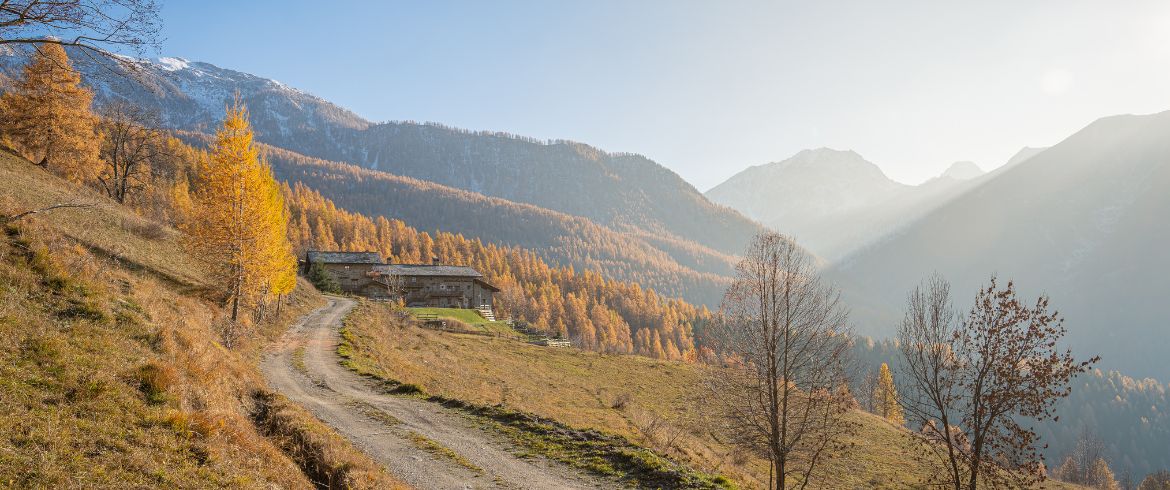
Nestled among the mountains of the Piedmont Alps lies the Maira Valley, a place where humans and nature have coexisted for centuries. The hamlets of the Maira Valley are among the most charming alpine villages in Piedmont—small stone settlements perched on mountain slopes and surrounded by breathtaking landscapes.
Unlike many mountain destinations transformed by mass tourism, this valley has chosen a different path over the years: focusing on sustainable, slow tourism that respects the environment. The small villages scattered along the hillsides still tell this story today. Their stone houses, with traditional lose roofs and locally sourced materials, are a perfect example of alpine architecture harmoniously integrated into the surrounding environment.
Celle di Macra: the historical heart of the valley
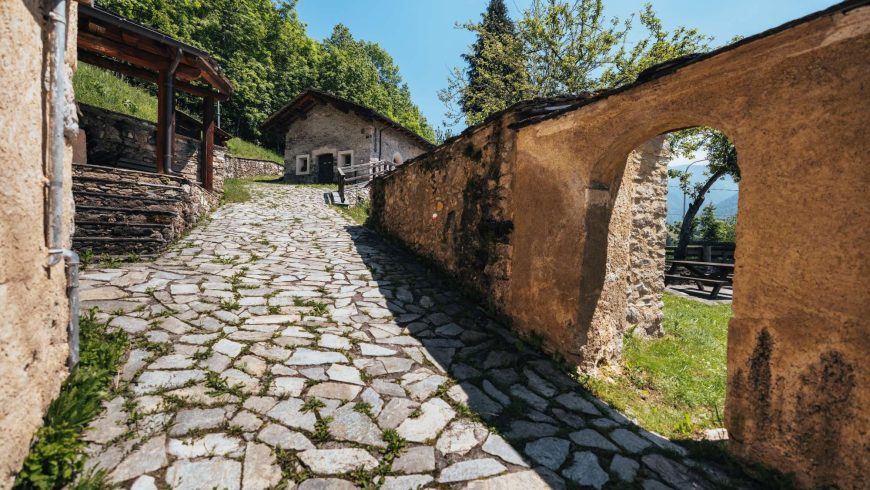
Celle di Macra is one of the most characteristic villages in the valley. Small and intimate, it has invested heavily in recent years in the cultural and environmental enhancement of the area.
The symbol of the village is the Church of San Giovanni Battista, home to a precious polyptych by Flemish painter Hans Clemer, an artist active in the Alpine valleys between the 15th and 16th centuries.
Today, Celle di Macra is also known for the Museum of Itinerant Trades, dedicated to the traditional anchovy sellers and artisans who once traveled across Europe for work.
Castellaro: restoring traditional architecture
The hamlet of Castellaro is an interesting example of sustainable restoration. Many houses have been renovated using original materials and traditional construction techniques, avoiding invasive transformations.
The typical sail-shaped façades, carved stone portals, and lose roofs tell an architectural story that is now recognized as cultural heritage.
These projects show how mountain villages can be restored without losing their identity.
Camoglieres: slow tourism between nature and adventure
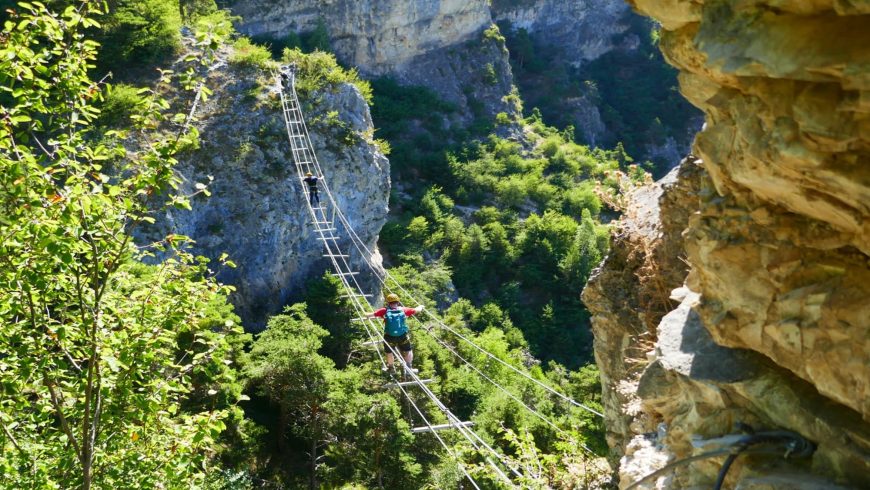
Among the most beloved hamlets for hikers is Camoglieres, surrounded by an unspoiled and wild natural environment. Tourism here is based on low-impact activities such as:
- Hiking
- Rock climbing
- Nature trails
The presence of paths and via ferratas allows visitors to experience the mountains actively, without large intrusive infrastructures.
Garini: the charm of abandoned villages
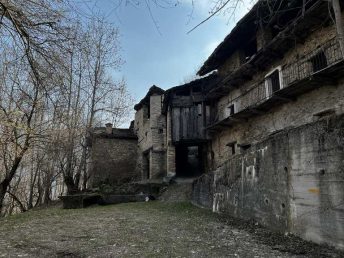
Walking through the streets of Garini offers a tangible sense of the history of mountain depopulation and shows how nature gradually reclaims its space. This balance between humans and the environment makes the village a perfect example of an alpine landscape shaped by memory and nature.
As you wander among the buildings, you can still glimpse old stables, kitchens with smoke-darkened fireplaces, weathered wooden doors, and small objects that tell fragments of rural life.
Garini is not just an abandoned place—it is a space where history, rural architecture, and nature interact, offering visitors a chance to reflect on the social changes in mountain communities and the relationship between people and the land.
Serremorello: rebirth and tradition
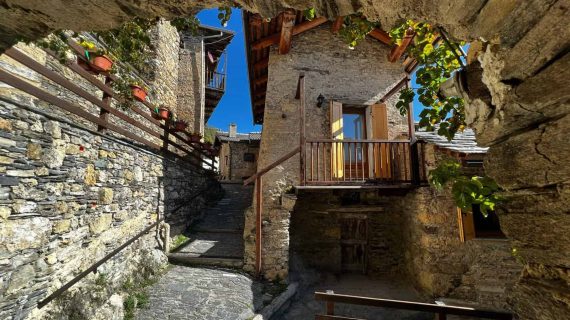
Just a few minutes from Garini, Serremorello is a concrete example of alpine revival. Many houses have already been restored in traditional style, while others are still being recovered.The village hosts an Ecomuseum Unit dedicated to the ancient craft of coopers (barrel makers), allowing visitors to discover traditional techniques and better understand daily life in mountain communities.
The trails connecting the hamlet offer immersive experiences in nature, with scenic views of the valley and a blend of natural and cultural heritage. Serremorello represents a model of sustainable tourism, where tradition, nature, and local communities coexist in harmony.
Chesta: a journey through time
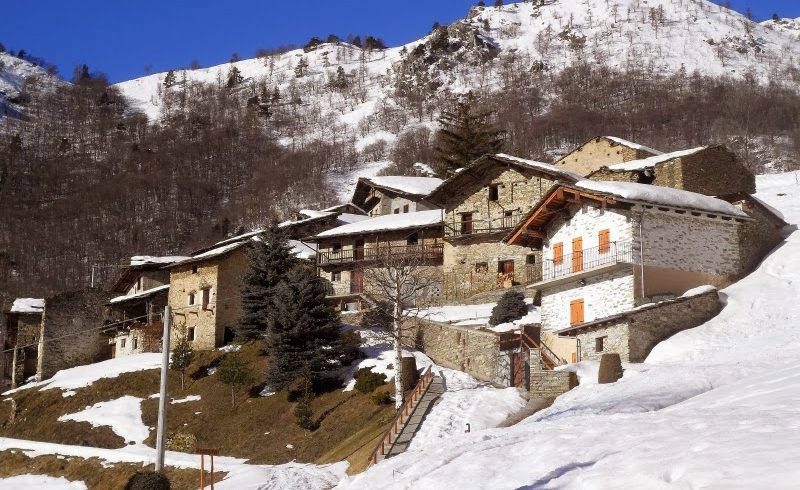
In the little-known Pagliero Valley, above San Damiano Macra, lies the hamlet of Chesta.
This small alpine village tells the story of mountain depopulation: some houses have been restored, while others remain as evocative ruins.
Walking through its paths feels like stepping back in time, surrounded by traditional architecture, silent forests, and trails leading up to the scenic Colle Birrone.
Sagna Rotonda: a model of sustainable tourism in the Alps
The Maira Valley is often cited today as an example of sustainable alpine tourism. Instead of focusing on ski resorts or mass tourism complexes, this Piedmont valley has invested in hiking trails, cultural initiatives linked to Occitan traditions, and the eco-friendly restoration of abandoned villages.
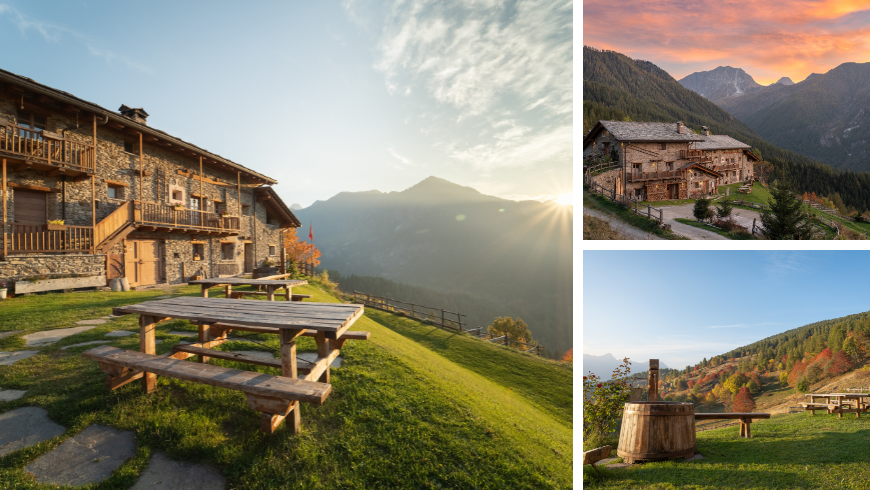
A striking example is the hamlet of Sagna Rotonda, in the municipality of Marmora, at about 1,640 meters above sea level. This ancient settlement, likely dating back to the 18th century, was gradually abandoned during the 20th century, like many other mountain villages.In recent years, it has been restored and transformed into a form of scattered hospitality, preserving its traditional architecture and using natural materials such as stone, larch wood, and lime.
Today, Sagna Rotonda offers self-sufficient accommodations immersed in nature and serves as an ideal starting point for hiking, trekking, and outdoor activities in the Maira Valley. The experience is slow, mindful, and deeply connected to the land, its rhythms, and its traditions.
This approach helps preserve the alpine landscape while bringing life back to small villages that might otherwise disappear, demonstrating how sustainable tourism can be a powerful tool for cultural preservation and regional development.
The mountains as a heritage to protect
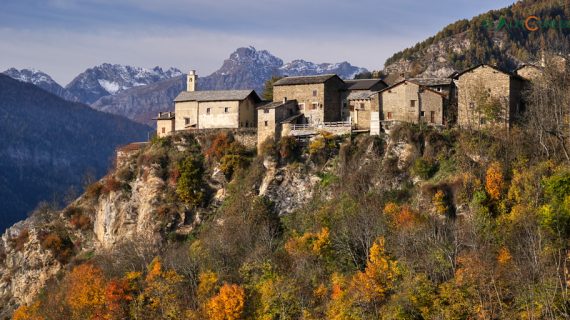
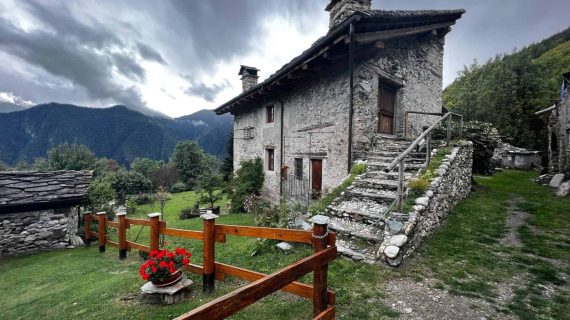
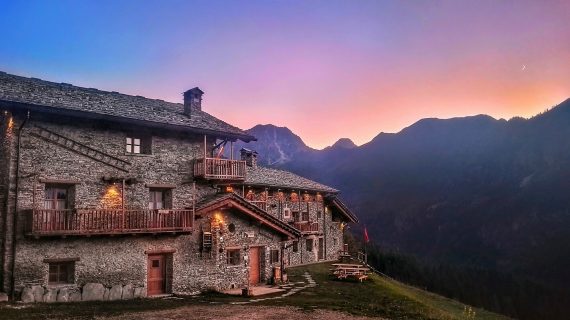
The hamlets of the Maira Valley show that it is possible to imagine a future for the Alps based on sustainability and respect for nature. Some of these magical places have been brought back to life and transformed into beautiful eco-friendly accommodations, such as Sagna Rotonda.
Here, the landscape is not just a backdrop to admire, but a fragile heritage to protect and cherish. Walking among stone houses, forests, and pastures allows visitors to understand how alpine communities have lived in harmony with nature for centuries.
And it is precisely this balance that makes the Maira Valley one of the most authentic and fascinating areas of the Piedmont Alps today.
Cover image: Borgata di Sagna Rotonda
 Borgata Sagna Rotonda – Residence o Appartamento Ecosostenibile a MARMORA, Cuneo, CUNEO, IT


