If you’ve been browsing farm stays lately, you’ve probably seen the same words pop up again and again: regenerative, soil-friendly, biodiversity-first, low-impact. They sound great. The problem is that they can mean very different things depending on who’s using them.
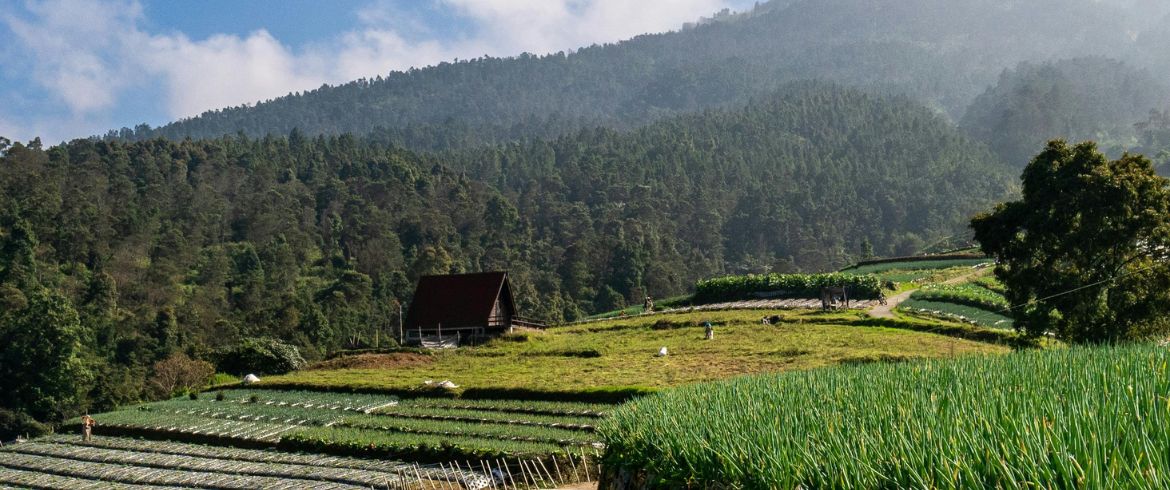
Across Europe, many regenerative farm stays combine hospitality with soil restoration practices such as cover cropping, composting, and rotational grazing.
A “soil-friendly” farm stay can be anything from a place that composts kitchen scraps to a working farm that’s actively rebuilding soil structure, reducing erosion, and growing more resilient crops with fewer inputs. As a traveler, you don’t need a degree in agronomy to tell the difference. You just need a few practical signals to look for—and a short set of questions that cut through vague labels.
Below are the signals that usually show up on farms doing real soil work—and the questions that help you confirm it before you book.
What makes a farm stay “regenerative”
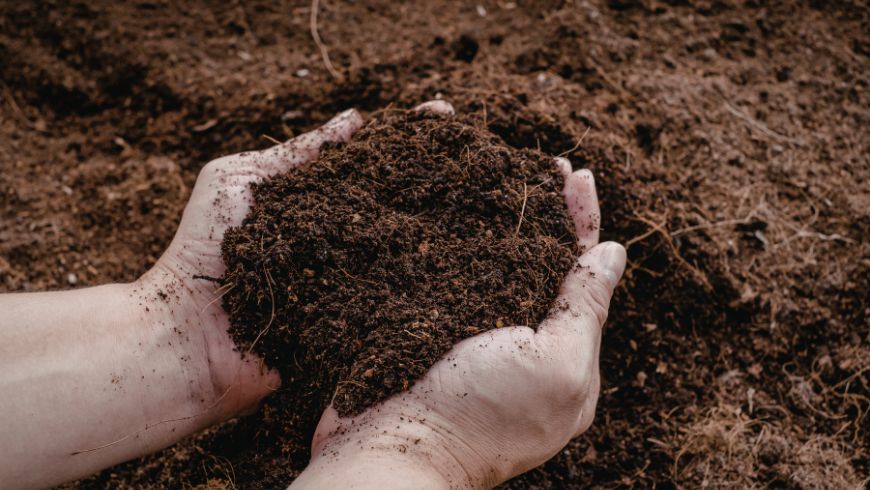
Regenerative agriculture is best understood as an outcome, not a single technique. The goal is to improve the health of the land over time—especially the soil—while still producing food or fiber. That usually means building soil organic matter, improving water infiltration, protecting below-ground life, and reducing the need for constant “fixes” like heavy tillage or routine chemical dependency.
Not every regenerative farm looks the same, because soil, climate, and crops vary wildly. What you can look for is whether the host talks about specific practices and the “why” behind them. “We’re regenerative” is a claim. “We keep the ground covered year-round with cover crops to reduce erosion and keep living roots in the soil” is an explanation you can evaluate.
Also worth saying out loud: “Regenerative” isn’t universally regulated like some certifications. That doesn’t make it meaningless—it just means the burden shifts to transparency. The best hosts don’t hide behind slogans. They’re usually proud to explain what they do.
Soil health basics for travelers
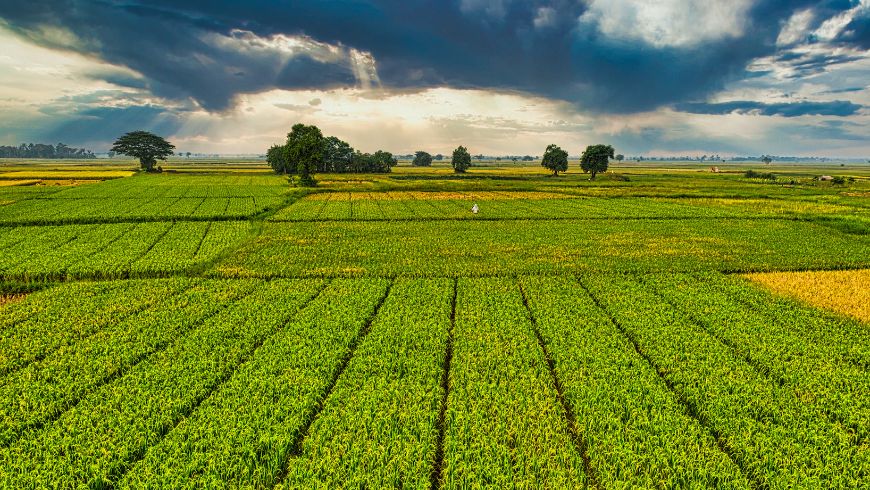
A lot of farm-stay marketing treats soil like background scenery. In reality, soil is the operating system for everything you’re experiencing: the quality of the vegetables, the health of the animals, how the farm handles drought, and whether the landscape holds together during heavy rain.
Soil health is commonly defined in terms of how well soil functions as a living ecosystem—supporting plants, animals, and people. The USDA NRCS frames soil health as soil’s ability to function as a living system that sustains productivity and environmental quality over time.
Here’s what “healthy soil” typically looks like on the ground:
It stays covered most of the year instead of being left bare. It has structure—crumbly aggregates rather than dust or hard clods. Water soaks in instead of pooling and running off. You see diversity at the surface (different plants, hedgerows, tree lines, pollinator strips), not just a single crop on repeat.
And importantly, the farm’s system makes sense. Regenerative isn’t about doing one trendy thing. It’s about stacking choices that work together.
Living soil and soil biodiversity
When farms talk about “keeping soil alive,” they’re not being poetic. Soil is full of organisms that drive nutrient cycling and create stable structure—from microbes you’ll never see to earthworms you definitely will. The FAO defines soil biodiversity as the range of organisms living in soil and links it to essential ecosystem services like nutrient cycling and soil structure.
As a guest, you won’t be measuring microbial diversity. But you can notice whether the farm talks about soil life in practical terms: composting systems, reduced disturbance, year-round roots, and habitat for beneficial insects. Those are usually clues that the host is thinking in systems.
N-P-K basics
Sooner or later, “soil-friendly” conversations run into three letters: N-P-K. It’s not a secret code. It’s shorthand for the three primary macronutrients plants need in larger amounts: nitrogen (N), phosphorus (P), and potassium (K).
When a farm mentions nutrient management, they’re usually talking about how they supply and balance these nutrients without damaging the soil’s long-term function. That might include compost, manure management, rotations with legumes, careful timing, or soil testing so they’re not guessing.
Potassium is the “K” in N-P-K, and in conventional contexts it’s often supplied through minerals like potash fertilizer. In regenerative systems, you’ll also hear potassium discussed in the context of overall soil balance and plant resilience. The key point for travelers isn’t which input is used—it’s whether the farm has a plan that protects soil structure and biology instead of chasing short-term yields at any cost.
If a host can explain their nutrient approach in normal language—what they apply, why they apply it, and how they avoid runoff or over-application—that’s usually a good sign.
How to spot soil-friendly practices
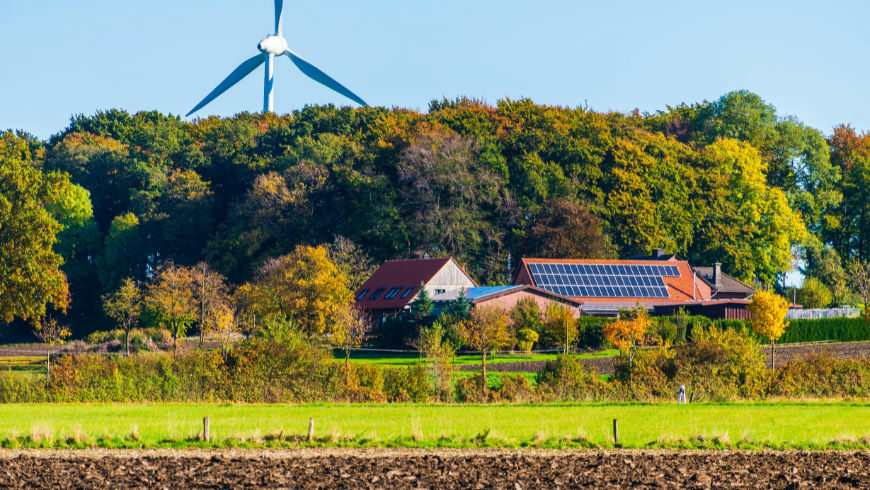
You can learn a lot without stepping into a lab. Soil-friendly farming leaves fingerprints in how a place looks, feels, and operates.
Start with ground cover. Bare soil is vulnerable soil. If you see living plants between rows, mulched pathways, cover crops, or pastures managed to keep protective cover, you’re looking at a farm that’s trying to keep erosion and moisture loss under control.
Next, look for diversity. Regenerative systems often include crop rotation, mixed plantings, hedgerows, windbreaks, agroforestry, or pollinator habitat. Diversity isn’t just about aesthetics—it spreads risk and supports beneficial insects and soil organisms.
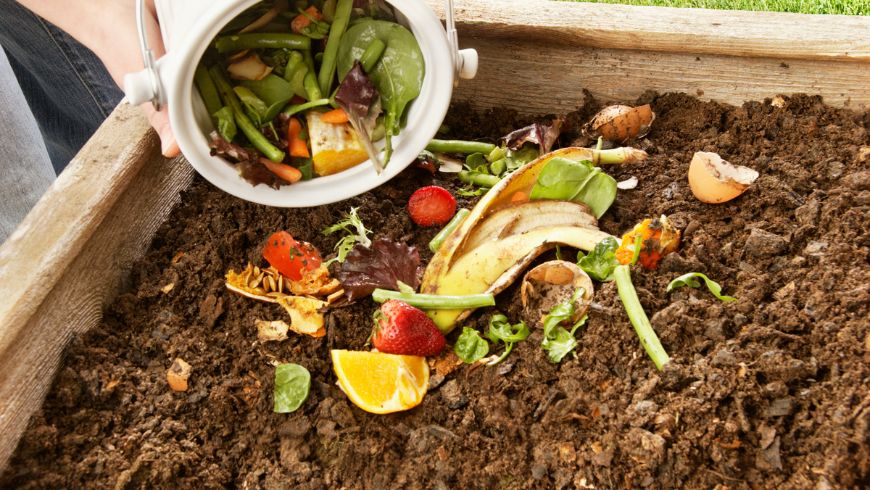
Then notice how the farm handles “waste.” Composting is the obvious one, but also pay attention to how they manage water and nutrients. Are there signs of runoff control—swales, buffer strips, contour planting? Does the farm talk about soil testing or adapting practices to weather patterns?
Finally, watch for the difference between performative green and operational detail. “We love nature” is nice. “We switched to reduced tillage and cover crops to improve infiltration and cut erosion during heavy rains” tells you there’s a real management philosophy underneath.
Questions to ask before you book
Most hosts are happy to answer a few questions before you book—especially if you ask in a respectful, curious way. You’re not auditing them. You’re trying to understand what your stay supports.
A good message can be as simple as: “We’re interested in farms that focus on soil health. What practices do you use to protect or rebuild soil on the property?” Then let them respond.
If you want slightly more structure, ask about one or two of these areas (not all of them at once): whether they use cover crops or keep living roots in the soil for most of the year; how they manage rotations or pasture recovery; whether they compost or use organic amendments; how they limit soil disturbance (for example, reduced tillage); and how they prevent erosion and runoff during storms.
You’re listening for specifics. The best answers sound like someone describing their work, not someone repeating a marketing page. Even a small farm can be doing thoughtful, soil-friendly management—and a large one can be, too. The difference is whether the story has substance.
What it feels like to stay on a soil-friendly farm
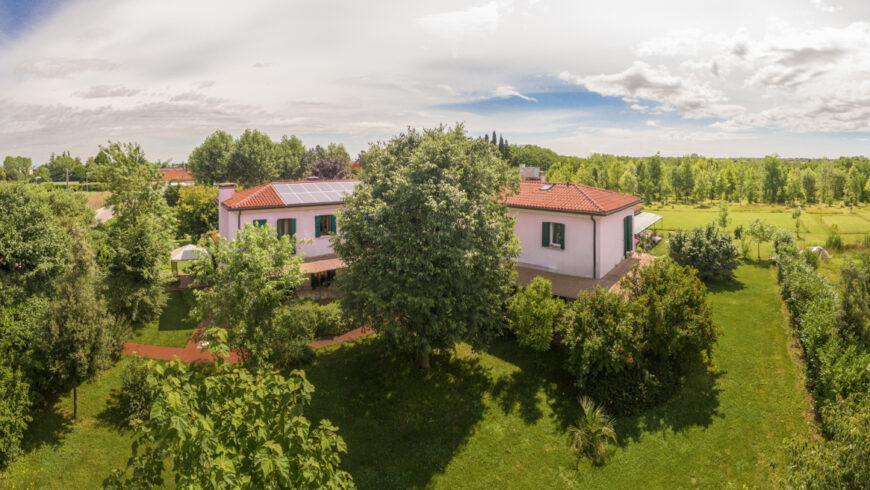
Soil-first practices often show up in the little moments that make a farm stay memorable. You might notice more wildlife at dawn, more birds and beneficial insects, healthier-looking hedgerows, and gardens that feel like they’re part of a larger ecosystem rather than isolated beds.
It also tends to shape what the host offers: seasonal meals that match what’s actually growing, hands-on experiences like composting or harvesting, and an overall rhythm that feels less extractive and more reciprocal. That aligns closely with the kind of travel Ecobnb tends to encourage—travel that’s curious, lower-impact, and grounded in real places.
That rhythm—seasonal meals, compost loops, and a sense of reciprocity—tends to track with responsible tourism and ecotourism. The same trip-level habits show up in sustainable travel good practices and in becoming an eco traveler: small, repeatable choices around water, waste, and local spending.
How to choose between two “green” farm stays

Sometimes you’ll be deciding between two places that both describe themselves as eco-friendly. When that happens, focus on three practical filters: clarity, context, and continuity.
Clarity is the easiest one. Does the listing describe specific land practices, even briefly? Are there photos that show ground cover, diversity, compost systems, or managed pasture? Does the host’s language sound like someone who actually works the land?
Context matters because “soil-friendly” in a dry climate looks different than “soil-friendly” in a wet one. A thoughtful host will mention constraints: water availability, erosion risk, soil type, seasonal extremes. If everything reads like a generic template, that’s a signal too.
Continuity is the long game. Regenerative work isn’t a weekend project. If the host talks about multi-year changes—what they used to do, what they changed, what they’re still learning—you’re probably looking at a real program, not a label.
Conclusion: what “soil-friendly” should mean
“Regenerative” and “soil-friendly” shouldn’t be treated as decoration in a listing. In the best regenerative farm stays, soil-friendly means the host can explain, in plain language, how they protect soil from erosion, keep it covered, support soil life, and manage nutrients with intention. You don’t have to be an expert to spot the difference. Look for specifics, ask a simple question, and choose the stay where the story feels like real work—not just branding.
That’s the quiet power of regenerative farm stays: when you book thoughtfully, your trip doesn’t just avoid damage. It helps support landscapes that are being rebuilt from the ground up.