
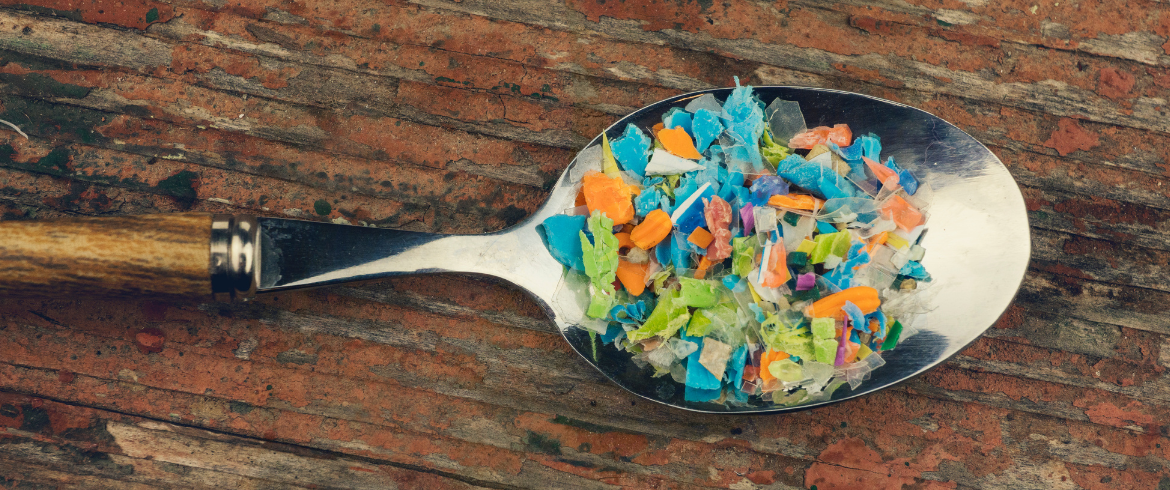
Plastic has crossed every critical threshold: it is no longer just a problem of dirty beaches or polluted oceans, but a true global health crisis. Microplastics and chemicals in food packaging have now contaminated the food chain, reaching the glaciers of Everest and the depths of the Mariana Trench. To tackle this threat, the United Nations is negotiating a binding Global Treaty to reduce plastics, aiming to eliminate pollution by 2040 by acting directly on production and consumption.
Why Recycling Is No Longer Enough
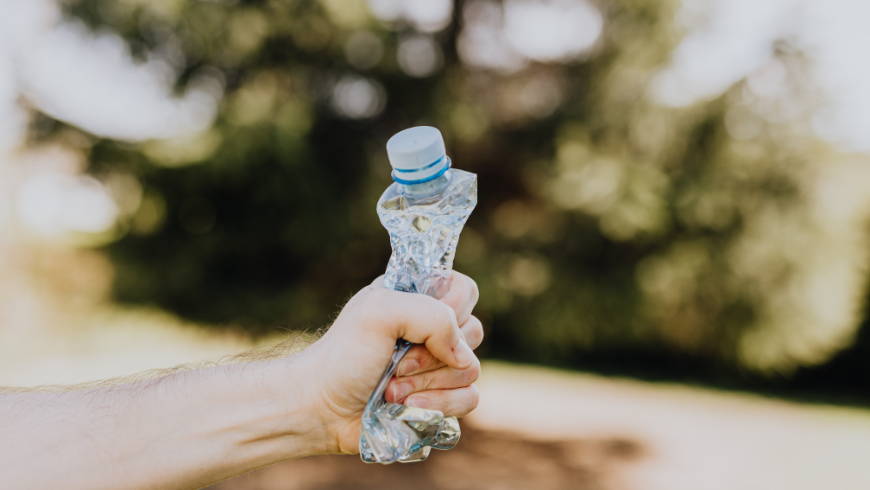
For years, the global strategy was based on recycling. But data from the United Nations Environment Programme (UNEP) is harsh:
Only less than 10% of all plastic produced since 1950 has actually been recycled.
Why? Plastic cannot be recycled infinitely: polymers degrade with each cycle. Many food packaging materials also contain chemical additives that make recycling dangerous or too costly.
In practice, recycling does not solve the problem at its root: the production of virgin plastic must be drastically reduced.
The Treaty to Reduce Plastics: Cutting at the Source
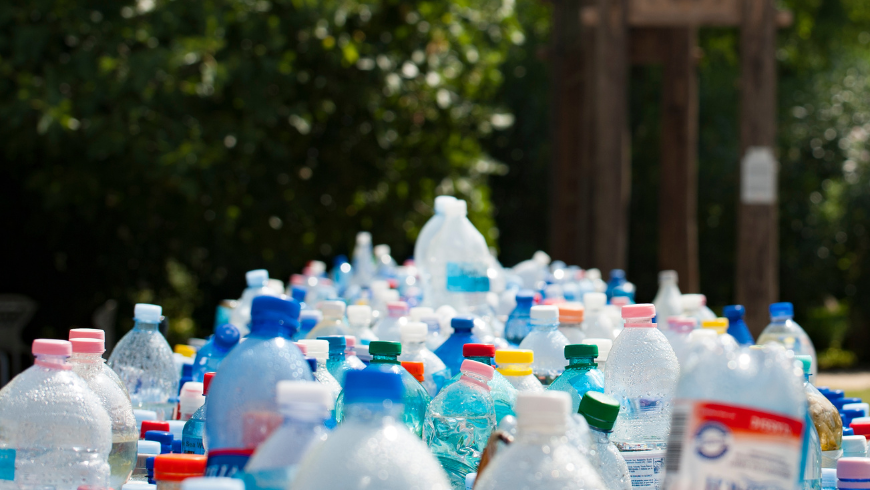
Coordinated by the Intergovernmental Negotiating Committee (INC), the Plastic Reduction Treaty represents a paradigm shift: no longer managing waste, but preventing its production.
Microplastics and Health
When plastic waste ends up in the oceans, it breaks down into microplastics and nanoplastics, which are ingested by marine life. These particles attract persistent organic pollutants and heavy metals, entering the food chain through bioaccumulation.
Recent studies have found microplastics in blood, lungs, and even the human placenta, highlighting the urgency of stricter regulations on the most dangerous chemical additives.
The 4 Pillars of the Global Plastic Treaty
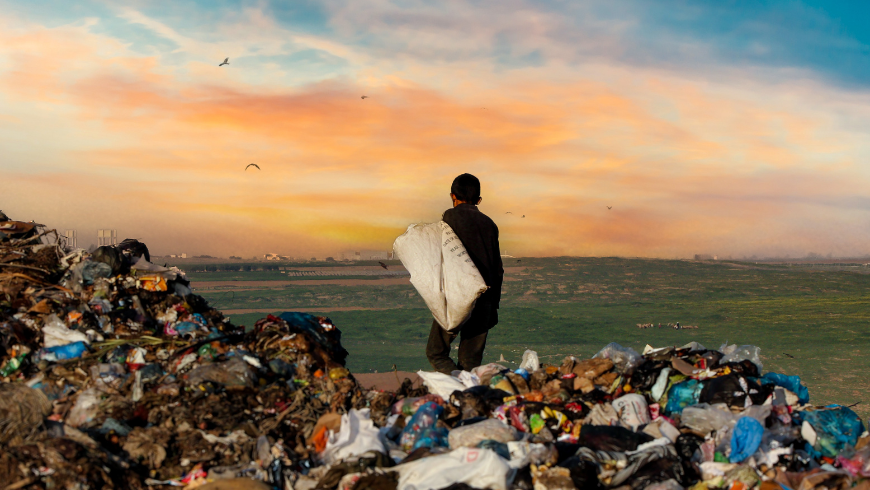
The Treaty aims to transform the global economy from linear to circular. Key strategies include:
1. Cutting primary production: over 60 countries in the “High Ambition Coalition” want binding limits on new plastic production.
2. Ban on problematic single-use plastics: disposable items with short usefulness but long persistence, like cutlery and plates, will be eliminated.
3. Eco-design and reuse: products must be designed for circularity, with refill systems and truly recyclable materials.
4. Extended Producer Responsibility (EPR): companies must bear the environmental costs of their packaging, promoting alternative packaging solutions.
Geopolitical Challenges
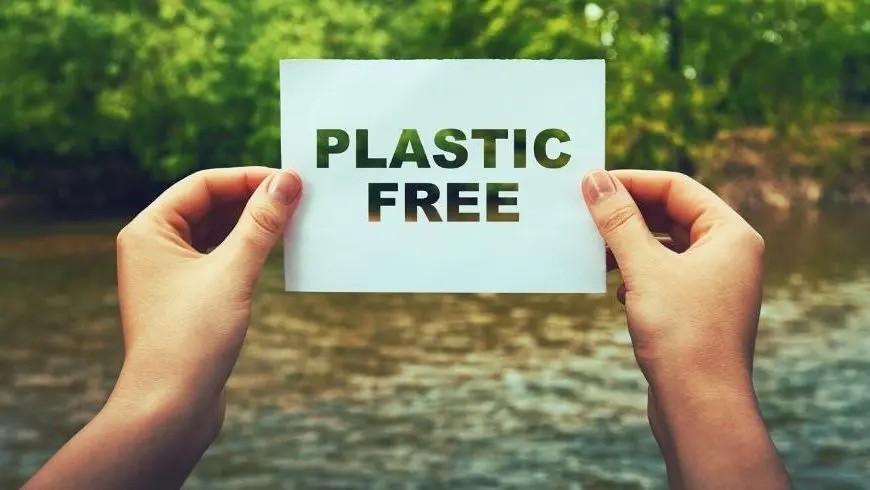
Despite scientific consensus, negotiations are complicated. Plastic-exporting countries and petrochemical lobbies resist: limiting plastics accelerates the energy transition, threatening their economic interests.
Organizations like WWF Italy remind us that the cost of inaction is higher than that of transition: damage to marine ecosystems, rising healthcare costs, and loss of biodiversity.
What Has Been Decided So Far
UN negotiations for the Global Plastic Treaty concluded without a binding agreement due to country divisions. However, Europe has already implemented stricter rules, such as requiring at least 25% recycled material in PET bottles since January 1, 2025.
The Treaty is not yet reality, but the path toward plastic-free food is clear.
What You Can Do Now to Reduce Plastics in Food
Even without a binding treaty, you can protect your health and the environment with small daily actions:
- Avoid plastic in the microwave: always use glass or ceramic containers. Heat promotes the release of chemicals from plastic into food.ù
- Avoid PET bottles: use stainless steel bottles and fill them with tap water. Never leave plastic bottles in the sun.
- Shop without plastic: choose bulk products and always carry reusable bags and cloth bags.
- Avoid plastic wrap: replace it with beeswax sheets, glass, or aluminum containers to store food. The Global Treaty is not yet reality, but every action counts: choosing plastic-free products, reducing packaging, and favoring recyclable materials is a concrete step to protect our health and the planet.
Cover photo source: Canva Pro


