
Permaculture and sustainable travel often meet in places where gardens are not designed to impress, but to work with nature, feed communities, and restore the land. Exploring such places during your next trip can transform your holiday into a truly eco-conscious experience.
This is the heart of permaculture. Often described as a gardening method, permaculture is actually a design philosophy; it is a way of shaping landscapes, homes, and lifestyles that are resilient, balanced, and deeply connected to nature.
For eco-conscious travelers, adding permaculture gardens into your itinerary will make you visit places that feel alive, intentional, and rooted in local culture. Permaculture reflects the same values found in many forms of sustainable tourism, where travel supports nature rather than exploiting it.
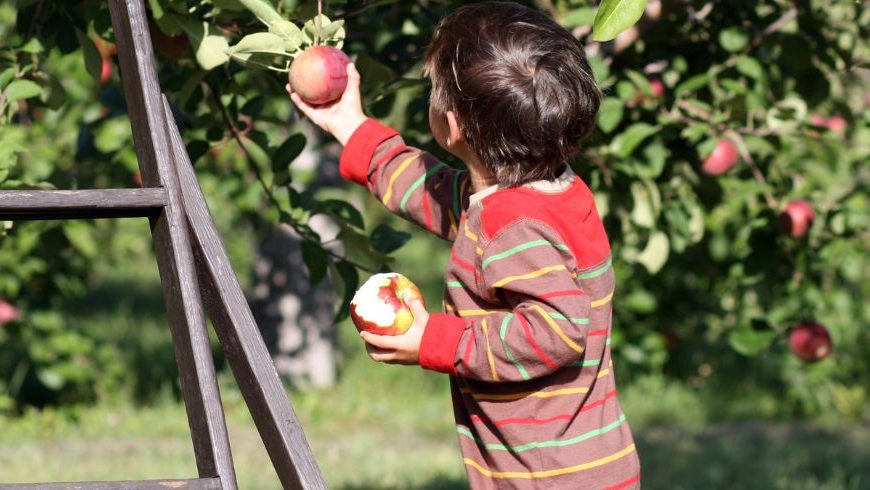
More Than Gardening: It Is A Way of Living
Three simple ideas guide permaculture:
- Care for the Earth;
- Care for the people; and
- Share resources fairly.
Instead of only using nature for human needs, permaculture encourages us to observe how natural ecosystems work and learn from them, respecting their time and rhythms.
For example, in a permaculture garden, plants grow in layers, like in a forest. Fruit trees, herbs, vegetables, and flowers support each other. Water follows natural paths. Soil becomes richer every year. Everything has a role, and nothing is wasted.
This way of thinking goes far beyond food. It shapes how people collect water, manage waste, build with local materials, and design daily life. Permaculture is not about perfection, it is about working with what already exists.
This approach connects closely with regenerative practices that restore soil, ecosystems, and local food systems.
Permaculture, Eco-Lodges, and Sustainable Travel
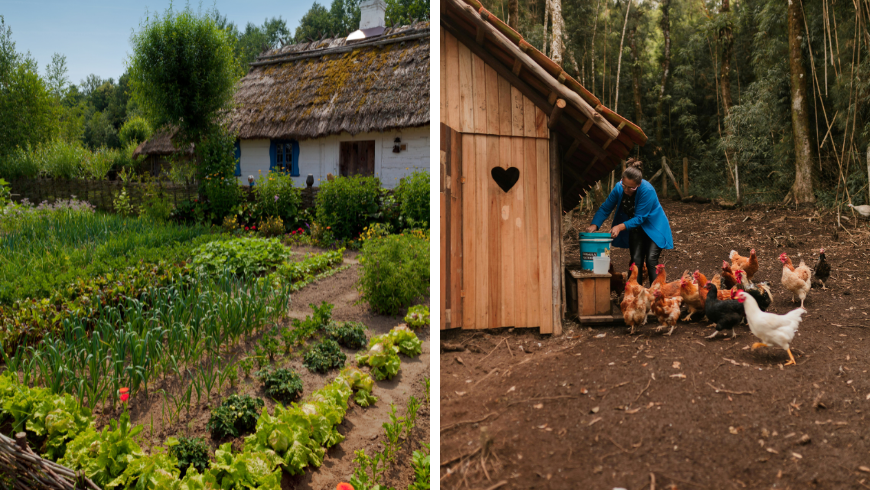
In practice, many eco-lodges and community stays around the world show how permaculture and sustainable travel can be part of everyday life, not just a concept to display.
Travelers often notice it in small, meaningful details, such as:
- Gardens that provide fresh food for daily meals
- Water follows a natural paths where is only guided, not forced
- Buildings are made with local or natural materials
- Shared spaces are designed to encourage social gathering, connection, and time with nature
For this reason, these places feel calm and intentional. As a result, people do not explain sustainability with signs; instead, they live it every day. Staying in eco-lodges listed on Ecobnb is one of the simplest ways to experience eco-friendly accommodation in a truly authentic way.
One great example is the Permaculture and Green Building on Etna. You can learn more about similar experiences by browsing eco-lodges on Ecobnb that follow permaculture principles.
For travelers dreaming of a greener getaway, articles like Dream Holidays: 8 ideas for a luxury and sustainable holiday in nature shows how nature, comfort, and sustainability can come together in unforgettable places.
Community, Culture, and Living Landscapes
In many regions, permaculture connects closely with community-based tourism. In many regions, it helps protect land, keep traditional knowledge alive, and create fair opportunities for local families.
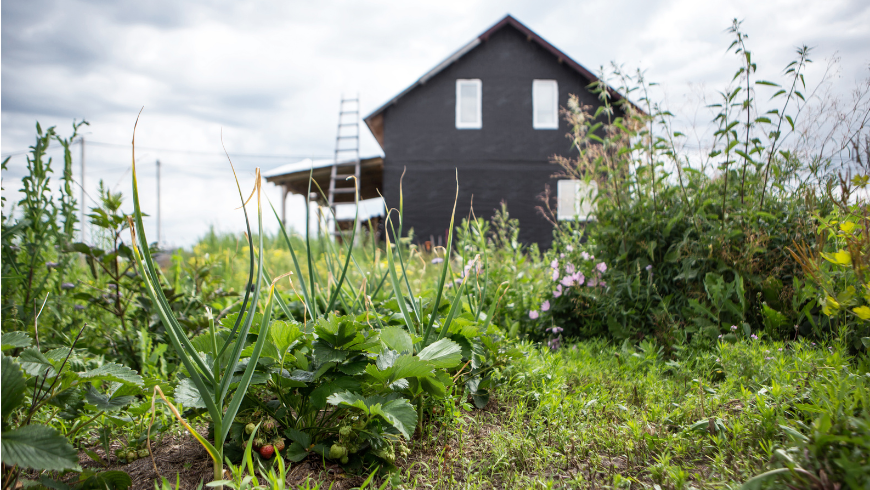
At the same time, guests may be invited to walk through food forests, listen to local stories, or learn how soil is regenerated over time. These moments create deeper connections with nature and the people who care for it every day. In this way, permaculture supports biodiversity while strengthening local culture.
Across rural regions, many sustainable accommodations are also working landscapes, where farming, hospitality, and community life come together, like in From Rustic Retreats to Eco-Farms in Andalusia.
A Different Kind of Beauty
What makes permaculture so inspiring is its quiet optimism. It shows that sustainability does not need to be strict or technical. Designers can also create tourist places with nature at the center, using systems that become beautiful, abundant, and resilient over time.
Because of this, for travelers seeking meaning, permaculture offers a gentle reminder: caring for the Earth can be joyful, shared, and deeply human.
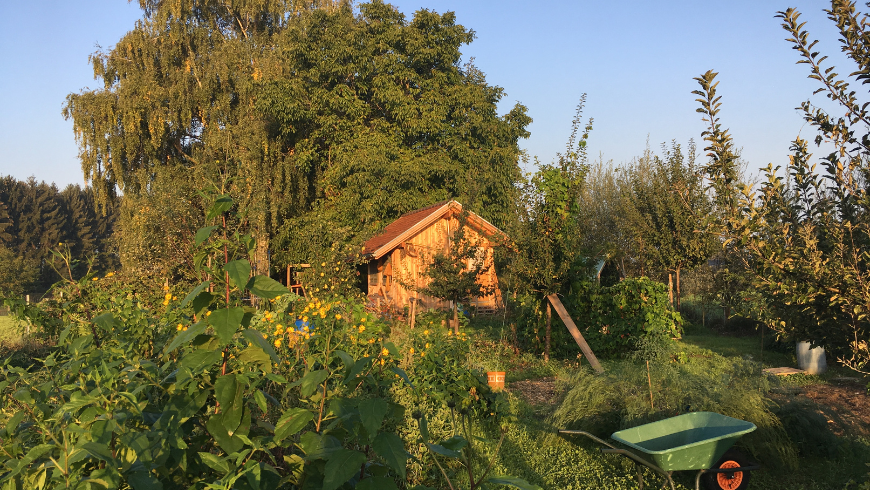
Many eco-stays around the world show how living close to nature can also be comfortable and inspiring, as seen in projects like 10 Dream Houses Among Trees in Italy.
Travel Slowly, Learn Deeply
Choosing places shaped by permaculture is one of the most meaningful expressions of permaculture and sustainable travel, inviting us to travel with more awareness.
In the end, sometimes, the most sustainable journeys are not about seeing more, but about learning how to live better while supporting eco-friendly accommodations.
For a deeper understanding of permaculture principles and ethics, explore the work of Permaculture Global. And when planning your next holiday, search for eco-lodges on Ecobnb that incorporate permaculture principles—your stay can make a positive impact on the environment and local communities.
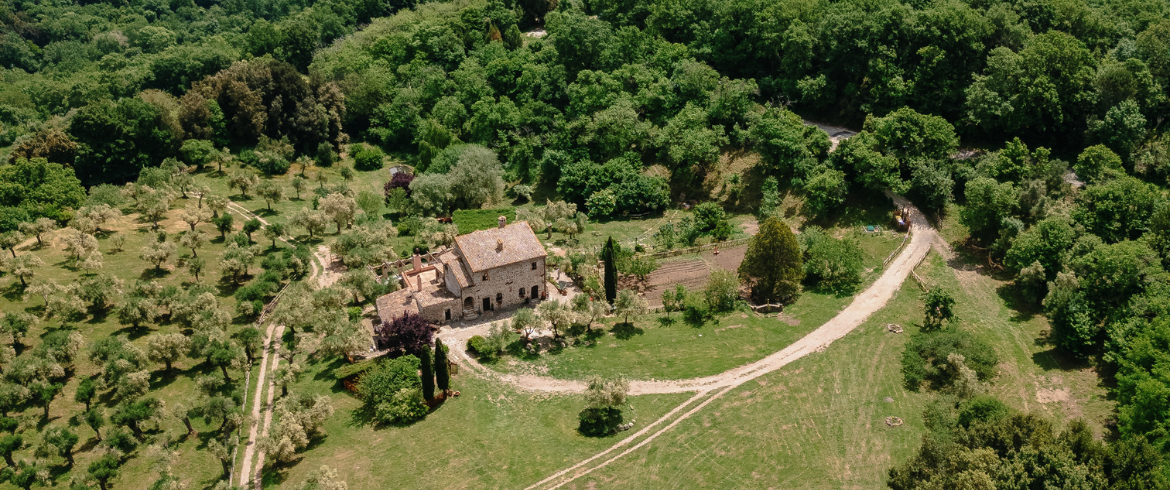
Cover image: Ottava Goccia Country House in Italy


