

Relocating — or even choosing where to spend long periods of time — can shrink or expand your carbon footprint faster than most people expect. Living in the countryside often means more space, quieter surroundings, and closer contact with nature. City life, on the other hand, offers shorter distances, shared infrastructure, and more opportunities to move around without a car.
Still, the most “green” choice depends less on labels like rural or urban and more on everyday habits. A long commute from a remote area can quickly cancel out the benefits of a slower lifestyle, while an inefficient apartment in a hot city can raise energy use dramatically.
That’s why the real question remains practical: which lifestyle is truly more eco-friendly when transportation, housing, and land impact all add up?
The Real Sustainability Trade-Off Between Rural and Urban Living
Rural and urban environments shape environmental impact in very different ways. City living often shortens daily trips, making it easier to reduce car use. Meanwhile, rural living spreads errands out, so driving can add up quickly.
Housing choices also play a major role. Smaller urban homes may require less cooling per person, while larger countryside houses can demand more power during long heat waves.
If you’re exploring a move — or even planning a slow travel experience — it helps to think about how your surroundings will shape your daily routine. Ultimately, sustainability depends on realistic schedules, not just personal preferences.

Transportation Shifts the Footprint Fast
Transportation often determines whether rural or urban living is greener day to day. Longer distances in rural areas can quickly increase fuel consumption. In contrast, cities can support shorter trips to work, school, and shops.
Plus, errands become easier on foot or by bike in denser neighborhoods. Still, traffic congestion and stop-and-go driving can waste fuel inside cities.
Simple habits like carpooling, combining errands into one trip, or choosing walkable areas can make a big difference anywhere. Over time, fewer miles usually mean fewer emissions.
Commutes and Car-Lite Options
Where you live strongly shapes how you travel each day and how much energy that travel consumes. Commute patterns influence fuel use, stress levels, and long-term environmental impact.
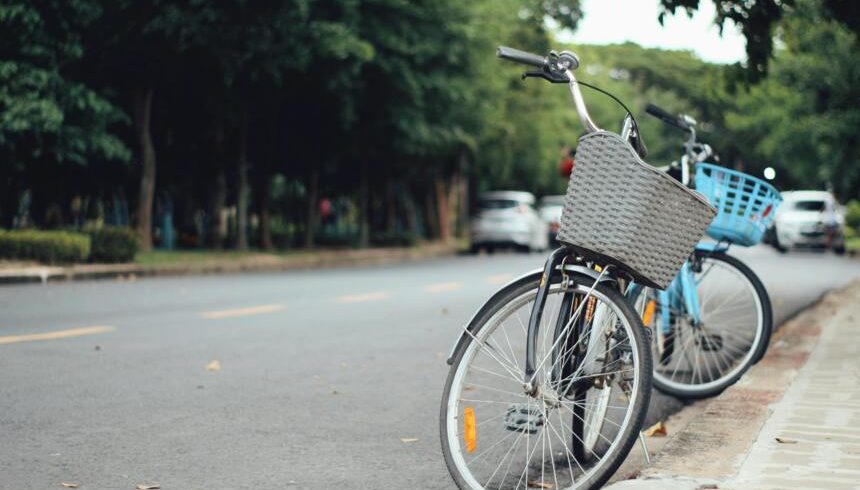
Urban areas often place work, groceries, and schools closer together, and many offer buses, rail, or park-and-ride systems. Walking and biking can replace short car trips in compact neighborhoods.
In rural settings, options may be fewer, but remote work, shared rides, and careful trip planning can reduce daily driving significantly.
In the end, cutting total car miles often delivers the biggest environmental benefit.
Home Energy Use Matters More Than Expected
Hot climates — like much of Texas and other southern regions — require heavy cooling in both rural and urban homes. Energy bills rise quickly during long summers, and grid emissions increase with demand.
Urban apartments may share walls, which can reduce cooling needs. Rural homes are often larger and may require more energy to maintain comfortable temperatures.
Wherever you live, upgrades like smart thermostats, proper insulation, sealing air leaks, and planting shade trees can reduce both costs and emissions.
Home Size and Layout Change the Outcome
Square footage can shift the sustainability balance. Larger rural homes often require more cooling, heating, lighting, and appliance use.
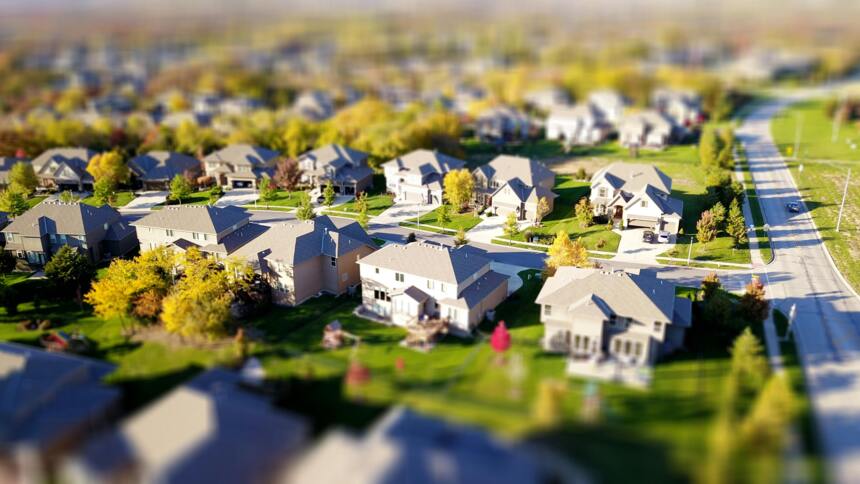
Meanwhile, urban living may mean smaller units with shared walls, which reduces heat gain and loss. However, older city buildings can waste energy through poor insulation.
The most eco-friendly home is usually not defined by its location, but by its efficiency.
Water and Waste Habits: Often Overlooked
Water use differs greatly between rural and urban settings. Rural yards often require more irrigation during hot months, while urban lots are smaller and may need less outdoor watering.
Indoor efficiency matters everywhere, so low-flow fixtures and mindful consumption help.
Waste systems also vary: cities often provide easier access to recycling and compost pickup, while rural programs may require extra effort and transport.
Building sustainable habits at home can be just as impactful as choosing the “right” location.
Land Use, Air Quality, and a Simple Checklist
Where you live affects land use patterns, air quality, and travel demands. Rural expansion can consume open land, while urban infill helps preserve farmland and reduces the need for new roads.
However, dense city growth can increase localized pollution near traffic corridors. Rural areas may feel cleaner, yet longer driving distances can raise overall emissions.
When evaluating options, consider:
- Housing close to work, schools, and essential services
- Efficient cooling systems and strong insulation
- Errands planned in one loop instead of multiple trips
- Neighborhoods that support walking, biking, or public transport
These choices help balance comfort, convenience, and environmental impact over time.
Choose the Lifestyle That Fits Your Real Routine
Relocation choices work best when they match real habits and real distances. A rural lifestyle can remain sustainable with fewer trips, smart home upgrades, and careful land use.
Urban living can cut emissions when it reduces driving and supports smaller, energy-efficient homes.
The most eco-friendly decision comes from honest math, not trends or assumptions. Track expected driving, compare housing needs, and think about how often errands happen each week.
With that mindset, the question becomes clear and personal:
Which lifestyle is truly more eco-friendly for your everyday life?
Cover image: photo via Pexels
Author’s bio: Jordan Hale is a relocation specialist at Fast Fietz Moving and writes about sustainable living choices, transportation planning, and everyday habits that influence environmental impact. His goal is to help people make practical, eco-conscious decisions when changing homes or lifestyles.