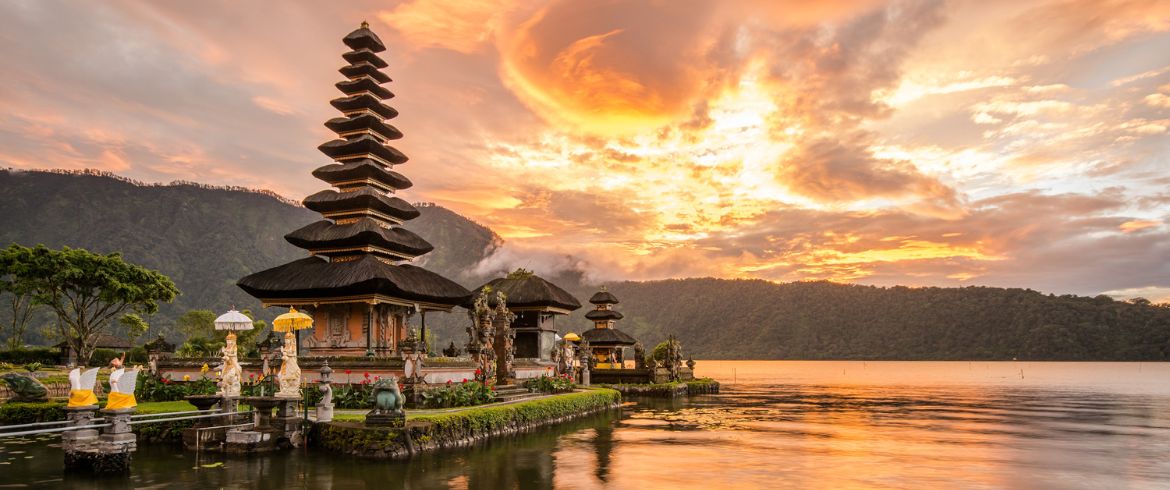
In September 2025, Bali took a historic step toward recovery, announcing a 10-year ban on all new hotels, villas, and restaurants in Seminyak, Canggu, and Ubud. After decades of rapid development, the island faced flooding, disappearing rice fields, and damaged ecosystems.
As Bali takes a breath, Indonesia eco-islands across the archipelago offer new horizons for eco-conscious travelers. These destinations prove that sustainable tourism doesn’t mean sacrificing beauty — only choosing places where nature and communities come first.
This is new horizons for eco-conscious travelers. Tourism in Indonesia doesn’t stop here. While Bali restores its balance, other islands welcome travelers seeking quieter beaches, healthier reefs, and meaningful experiences. Places where your trip supports local families, protects nature and travel responsably.
Indonesia Eco-Islands Are Redefining Paradise
These Indonesia eco-islands prove that sustainable tourism doesn’t mean sacrificing beauty, only choosing places where nature and communities come first.
Indonesia has more than 17,000 islands, and many remain places where nature still leads and communities protect their home. If you want your journey to help instead of harm, these Indonesia eco-islands are waiting for you.
Let’s explore three of Indonesia’s most inspiring eco-islands: Raja Ampat, Flores, and the Gili Islands. These Indonesia eco-islands offer a quieter, more balanced way to explore the country while supporting conservation and local life.
1. Indonesia Eco-Islands: Raja Ampat, Where the Ocean Still Breathes Wild
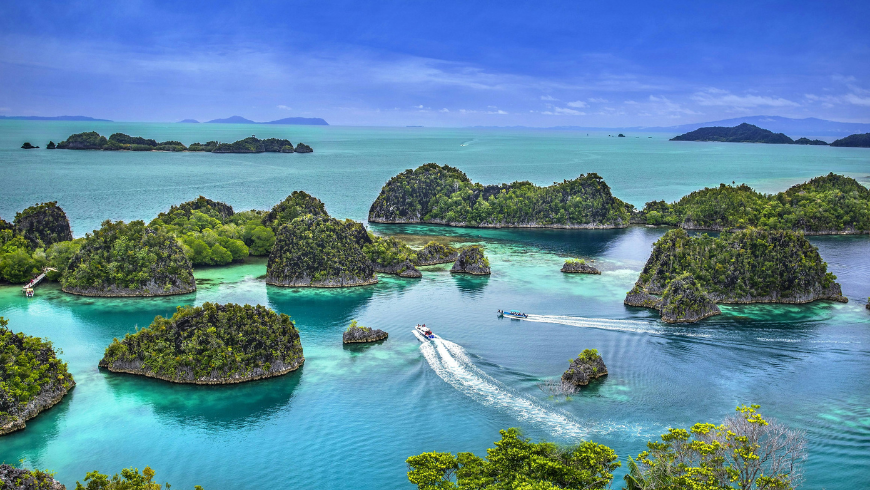
Four hours by boat from the nearest city, Raja Ampat feels like the edge of the world. More than 1,500 jungle-covered islands rise from turquoise seas so clear you can often spot manta rays from the surface.
Raja Ampat is one of the strongest examples of Indonesia eco-islands thriving through community-led conservation. According to the World Wildlife Fund, the region is considered one of the planet’s most important marine biodiversity hotspots.
A Community-Led Ocean Sanctuary
Two decades ago, local communities chose protection over exploitation. Instead of allowing industrial fishing, they created marine protected areas and invited responsible travelers to witness the life they were saving.
Today, Raja Ampat shelters around 75% of the world’s coral species. Villagers patrol their own reefs, stopping destructive fishing and keeping ecosystems healthy — a powerful example of how Indonesia eco-islands can thrive when communities lead and an amazing place for travelers seeking sustainability and nature.
Where to Stay
Eco-lodges in Raja Ampat often run on solar power, use local materials, and employ villagers. Many reinvest directly in education, reef monitoring, and conservation.
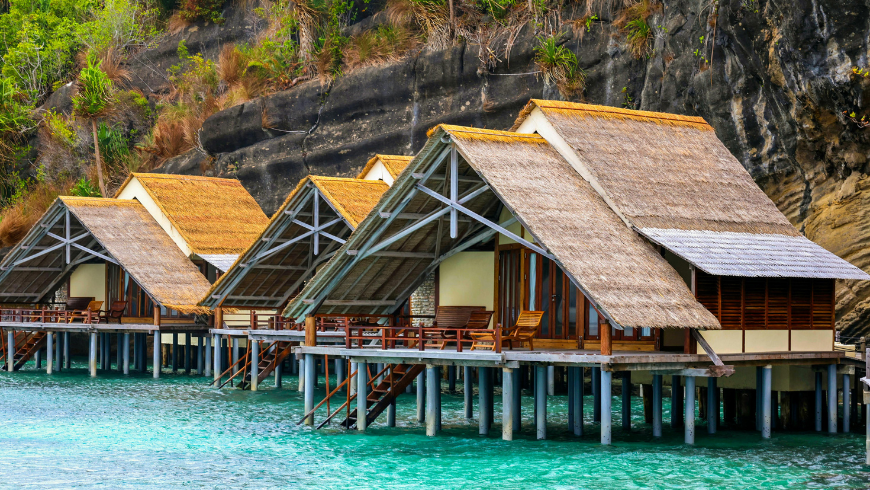
Raja Ampat shows what happens when communities take the lead: nature flourishes, and visitors become part of the solution.
2. Indonesia Eco-Islands: Flores, Volcanoes, Dragons, and Living Culture
Just east of Bali, Flores moves at a gentler rhythm. Farmers tend rice terraces, fishermen repair nets, and village life follows traditions passed down through generations.
Among Indonesia eco-islands, Flores stands out for using tourism as a tool for cultural and environmental preservation.
Tourism That Belongs to the Community
Instead of mega-resorts, Flores chose community-run tourism. Villages created cooperatives that guide visitors, protect forests, and ensure tourism income stays local — keeping culture alive and landscapes healthy.
Among Indonesia eco-islands, Flores stands out for turning tourism into a tool for cultural and environmental preservation.
Experiences That Touch the Heart
- Kelimutu Volcano: At sunrise, three crater lakes glow in turquoise, green, and red — colors that local communities believe connect to ancestral spirits.
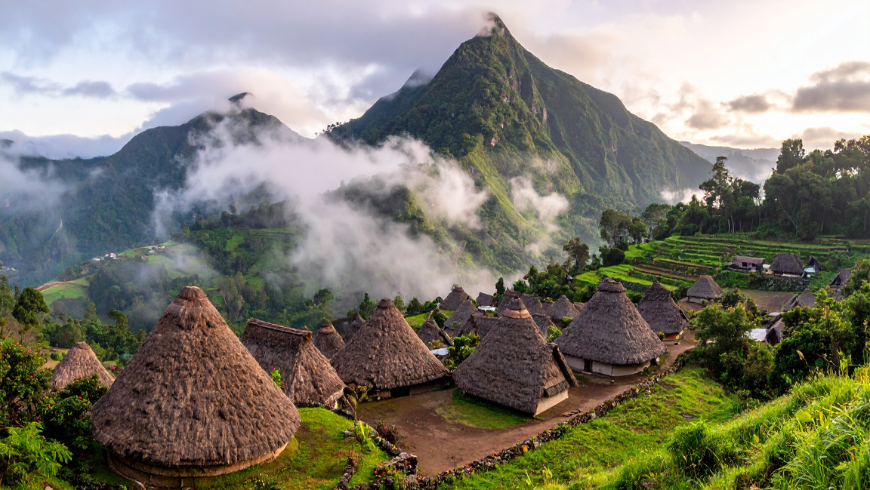
- Wae Rebo Village: After a two-hour trek through cloud forest, you reach seven iconic cone-shaped houses on a mountaintop. Families welcome visitors with warm meals, stories, and the quiet beauty of life without electricity.
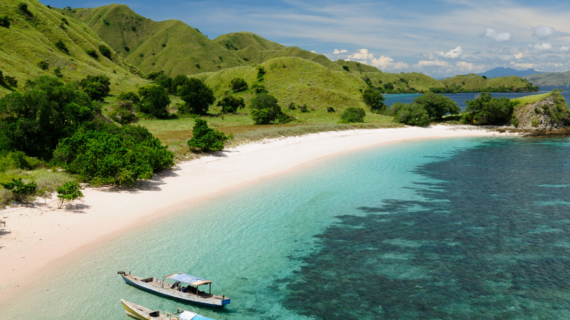
- Komodo National Park: Home to the world’s largest lizards and reefs full of turtles and manta rays. Padar Island, with its pink beach, looks almost unreal — but it’s all natural. Check the UNESCO page: here.
Where to Stay
Eco-lodges around Labuan Bajo focus on solar energy, composting, local sourcing, and partnerships with nearby villages.
Here are some tips on how to find sustainable accomodations: here!
3. Indonesia Eco-Islands: The Gili Islands and a Car-Free Vision of Paradise
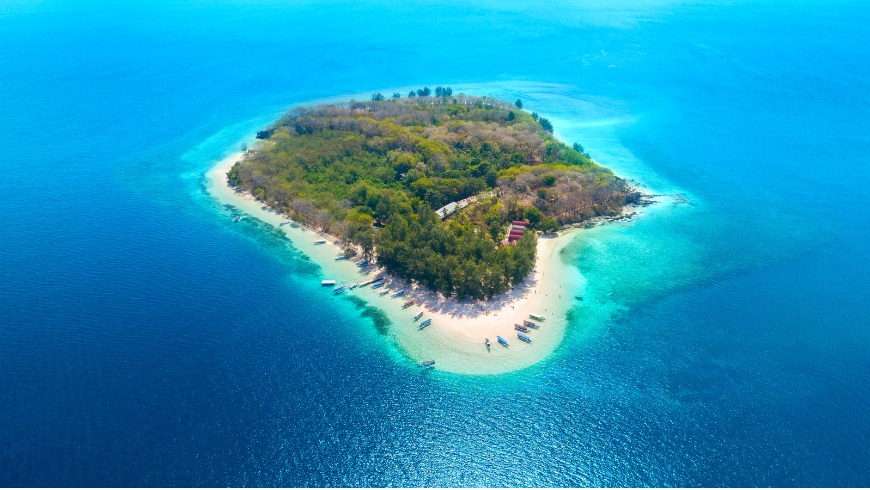
Just off the coast of Lombok, the Gili Islands offer something rare: silence. No cars, no motorbikes — only bicycles, walking paths, and the sound of waves. This lifestyle makes the Gilis one of the most accessible Indonesia eco-islands for low-impact travel. The perfect no carbon and eco friendly motion place!
A Low-Impact Island Life
Marine conservation thrives thanks to local initiatives, including turtle sanctuaries, reef restoration projects, plastic-free programs, and weekly cleanup dives organized by dive shops.
Three Islands, Three Experiences
- Gili Meno: Quiet, wellness-focused, ideal for snorkeling with turtles
- Gili Air: Creative and calm, with eco cafés and coral restoration workshops
- Gili Trawangan: Social and lively, increasingly powered by renewable energy
Where to Stay
Eco-lodges across the Gilis use renewable energy, employ local communities, reduce waste, and support reef protection. Luxury here means clean air, clear water, and low impact.
How to Travel Indonesia Eco-Islands Responsibly
Traveling through Indonesia eco-islands responsibly means slowing down and choosing experiences that support nature and local communities.
- Stay at least three nights on each island
- Choose community-run tours and eco-lodges
- Reduce plastic by bringing a reusable bottle
- Respect local customs and traditions
- Choose certified dive operators
- Support reforestation or mangrove projects if flying
The New Indonesian Dream of Indonesia Eco-Islands
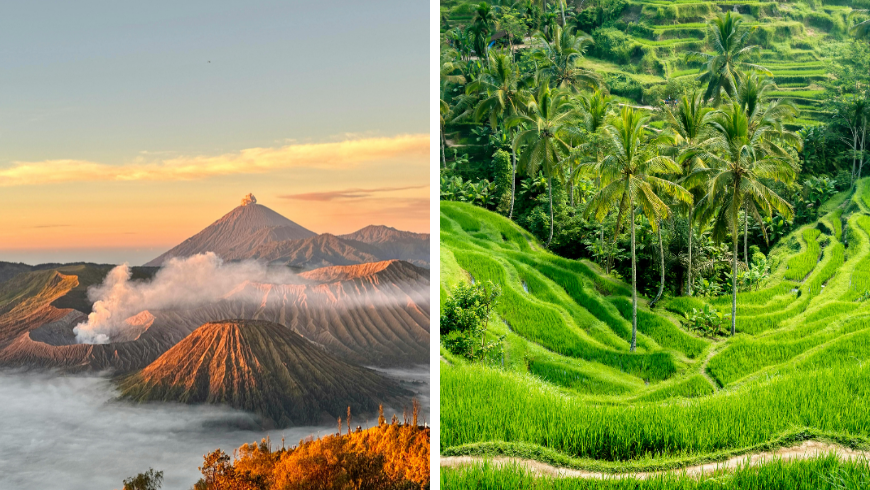
As Bali rests and restores, Indonesia eco-islands reveal a more balanced vision of travel. Raja Ampat protects some of the richest reefs on Earth. Flores keeps ancient culture alive through community tourism. The Gili Islands prove that life without cars is not only possible, but beautiful.
These islands show that travel can heal instead of harm — quieter, more meaningful, and deeply connected to local life. Sometimes, paradise isn’t lost. It simply asks us to look beyond the familiar.
If you are looking for more destinations to travel responsably check out this article: here!